

Black pepper, cloves, oregano, cinnamon, rosemary, basil. If you know how those smell, you already know beta-caryophyllene (b-caryophyllene, or BCP for short). It’s one of the most common cannabis terpenes, and it’s the reason a lot of strains carry that spicy, peppery edge.
If you’re a cannabis grower, you already know this one: beta-caryophyllene can make up more than 25% of a cannabis strain‘s total terpene profile. So why should you care as a shopper? B-caryophyllene has a positive effect on anxiety/stress, it’s a pain reliever, and it can help relieve symptoms of a range of other diseases.
It’s also one of the few compounds in cannabis besides THC and CBD that works directly on your endocannabinoid system, the network of receptors your body uses to help manage things like pain, mood and inflammation. B-caryophyllene binds to the CB2 receptor, which sits mostly on immune cells. That’s a big part of why it comes up so often in inflammation research.
BASED ON THIS ARTICLE, YOU MAY LIKE…

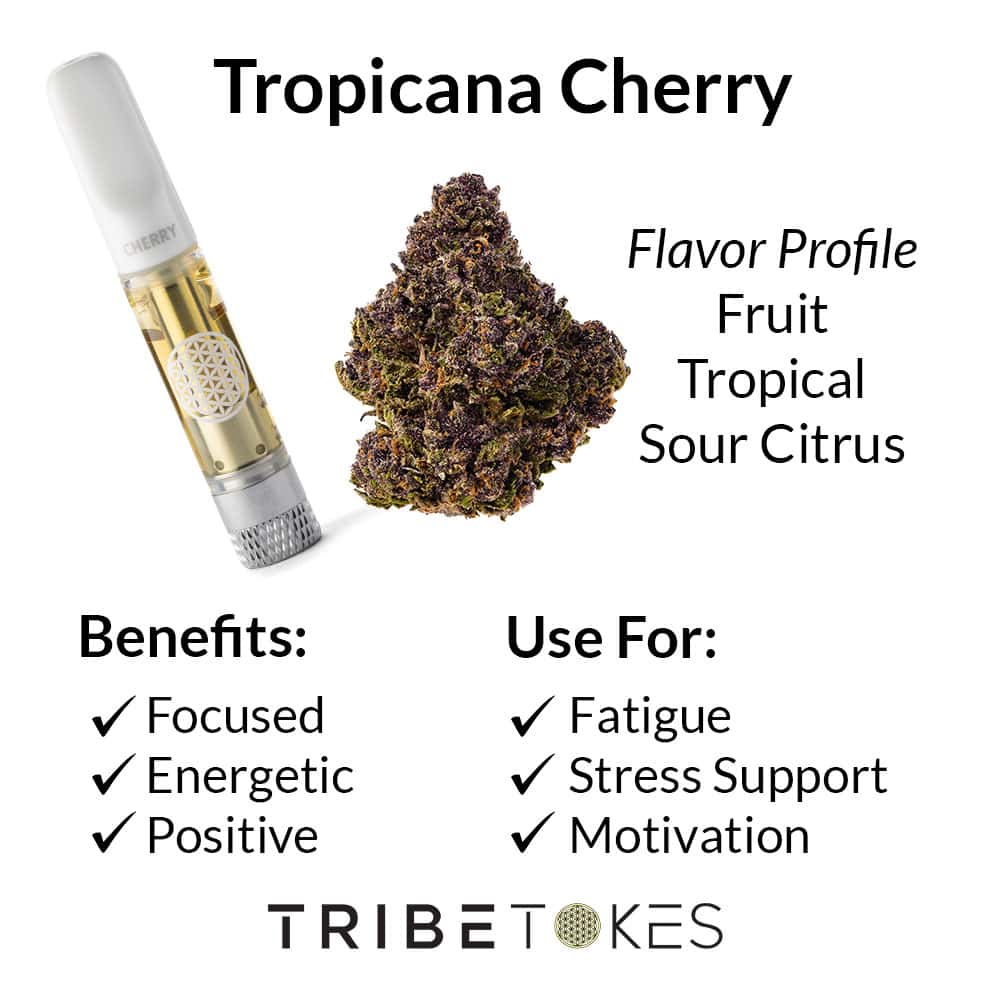
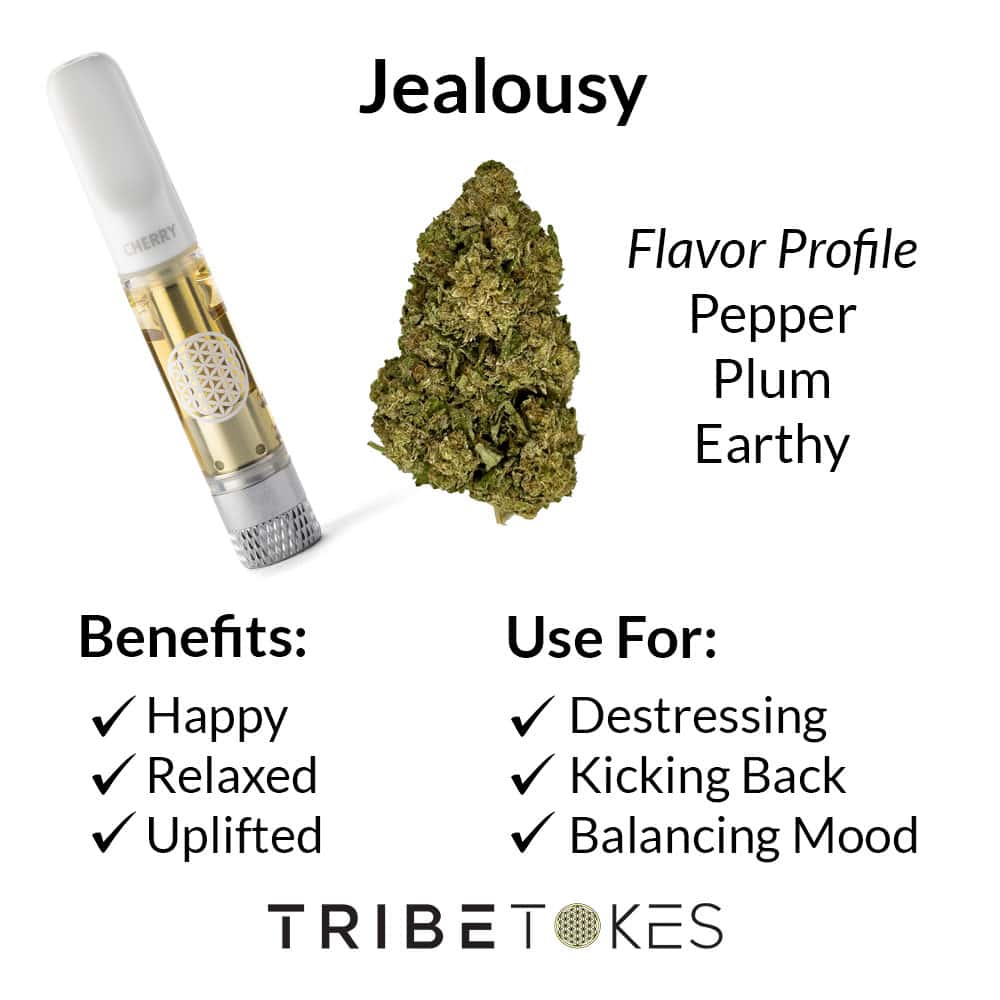
Effects of B-caryophyllene
According to research, b-caryophyllene can work as a pain reliever by bringing down inflammation, which is why strains rich in this terpene are known for stronger pain-relieving effects. A 2014 study in European Neuropsychopharmacology tested it in mice (Klauke et al., 2014). Mice given b-caryophyllene by mouth showed less inflammatory and nerve pain than controls, and the effect depended on CB2 receptors.
B-caryophyllene also helps reduce anxiety and stress. Everyone runs into both, and this terpene is part of why so many people find anxiety relief from THC and CBD products. Unlike THC, BCP selectively activates the CB2 receptor, not CB1 (Gertsch et al., 2008), so you get these benefits without the high.
If you’re a CBD user, you might wonder how much b-caryophyllene ends up in CBD oil. It mostly comes down to the strain: if the plant is high in the terpene, the extract will be too. Here are TribeTokes vape strains that contain b-caryophyllene:
B-caryophyllene and CBD

Combining BCP and CBD is especially powerful given that both pack a punch with lower inflammation and anxiety. When terpenes and cannabinoids are combined, this can result in what we call the “entourage effect,” where the therapeutic benefits to the consumer are enhanced by taking everything together, rather than consuming CBD alone or a terpene alone. One reason for this is that a terpene such as BCP and CBD might both reduce inflammation and pain, but do so in different ways, so you are attacking the issue on multiple fronts. Overall, b-caryophyllene is a potent compound with the potential to help people with pain and anxiety, especially when combined with CBD.
PS: If you are interested in selling terpenes and cannabinoids through your business, feel free to reach out to our wholesale team to request a catalog!
The Effects and Potential Benefits of Caryophyllene
Caryophyllene shows up in plenty of plants besides cannabis, and you can smell it: spicy and woody, a lot like black pepper, cloves and cinnamon. It does more than smell good, though. Here’s what the research says it can do.
Pain Relief
Pain relief is caryophyllene’s best-known benefit. Preclinical studies (lab and animal research) indicate it may help with chronic pain, which makes it a plant-based alternative to conventional pain relievers worth watching. In animal models, caryophyllene reduced pain responses, which points to possible use for mild to chronic pain from conditions like arthritis and neuropathy.
Anti-inflammatory Effects
Inflammation is your body’s natural response to injury or disease. You need it to heal, but when it sticks around, chronic inflammation can lead to health issues like cancer, diabetes and heart disease. Caryophyllene has strong anti-inflammatory properties. Research indicates it can calm inflammatory responses by working with CB2 receptors in your endocannabinoid system, which suggests a role in managing inflammatory diseases.
Alleviating Anxiety and Stress
Caryophyllene’s reach extends to mental health too. Preclinical studies suggest it may have anxiolytic (anti-anxiety) and antidepressant properties, possibly by acting on CB2 receptors tied to the pathways behind anxiety and stress responses. That makes it a terpene to watch as a natural, non-psychoactive option for managing anxiety and stress-related disorders.
Promoting Gut Health
Newer research points to caryophyllene’s potential for gut health. Its anti-inflammatory effect seems to reach the gut, where it may help protect the stomach lining and possibly lower the risk of gastric ulcers.
Caryophyllene and CBD: A Powerful Duo
You’ve probably heard of the entourage effect: the idea that cannabinoids and terpenes like caryophyllene may work better together than alone. Here’s how CBD and caryophyllene might team up.
Understanding Caryophyllene and CBD
Start with each one on its own. Caryophyllene is the terpene behind the spicy, peppery smell in a lot of plants, and it does something most terpenes don’t: it binds directly to CB2 receptors in your endocannabinoid system. That’s why researchers call it a “dietary cannabinoid.”
CBD is a cannabinoid that has shown promise as a medicinal agent thanks to its anti-inflammatory, analgesic (pain-relieving) and anxiolytic (anti-anxiety) properties.
The Entourage Effect
The entourage effect is the idea that cannabis compounds, like cannabinoids and terpenes, can boost each other when you take them together, for a fuller effect than any one compound gives on its own.
Caryophyllene and CBD: A Potent Pair
The entourage effect is strongest when CBD and caryophyllene are used together. Both have analgesic and anti-inflammatory properties, so combining them may make them more effective for chronic pain and inflammation.
Caryophyllene binds directly to CB2 receptors, which play a part in pain signaling and immune response, while CBD works on them more indirectly. That combination may boost CBD’s therapeutic value.
Implications and Potential
The synergy between CBD and caryophyllene is intriguing, but more research is needed to know its full benefits. Talk to your doctor before starting any new wellness routine.
Caryophyllene-rich Strains: A Closer Look at Your Options
Terpenes are what give cannabis its range of smells, and caryophyllene is one of the most pungent. It’s also one of a kind, because it works with the CB2 receptors in your endocannabinoid system. That interaction is behind its potential anti-inflammatory and analgesic benefits.
Here are some of the best-known caryophyllene-rich strains and what each one is like.
OG Kush
OG Kush often tops lists of caryophyllene-rich strains. This cannabis staple smells like wood and pine with a sour, lemony flavor. Its high caryophyllene content, mixed with its cannabinoids, is believed to give the calming, euphoric effect people go to it for.
Bubba Kush
Bubba Kush is another caryophyllene-rich strain, with a sweet, peppery aroma that fits its reputation for deep relaxation. Since it’s known for promoting calm and sleep, it could be a good fit if you struggle with insomnia or want to wind down after a long, stressful day.
GSC (Girl Scout Cookies)
GSC smells sweet and earthy and brings a blissful euphoria that can lift your mood while easing physical discomfort. Its high caryophyllene content, plus terpenes like limonene and humulene, gives it a complex flavor and potential therapeutic benefits, which is a big part of why it’s so popular. For more on humulene, see what humulene is.
Chemdawg
Chemdawg stands out for its sharp diesel smell, with caryophyllene adding a dash of pepper. It’s known for kicking in fast, and it often brings cerebral euphoria and body relaxation, which might help with managing stress and chronic pain.
Sour Diesel
Sour Diesel is another caryophyllene-rich strain, loved for its energizing head high. The name comes from its intense, pungent diesel aroma, and caryophyllene adds a spicy note. A lot of people reach for Sour Diesel as a pick-me-up for energy and creativity.
GG4
GG4, originally Gorilla Glue #4, is one of the more caryophyllene-forward strains on the market. The pepper and diesel on the nose come largely from caryophyllene, with limonene and myrcene underneath, and people tend to save it for the evening because the effect settles heavy in the body.
Death Star
Death Star has a name as ominous as its relaxing punch. A cross between Sensi Star and Sour Diesel, it inherits a high caryophyllene content, and its aroma blends sweet, earthy and diesel notes. People report deeply relaxing, euphoric effects that may help with stress or pain.
Super Silver Haze
Super Silver Haze is high in caryophyllene. It’s known for a long-lasting body high with an energy boost, and it smells earthy and citrusy with a hint of spice. People often choose it for potential relief from fatigue or mood-related conditions.
Skywalker OG
Skywalker OG, a potent indica-dominant hybrid, is loaded with caryophyllene. It smells pungent, earthy and sweet, and people often choose it for its relaxing effects, which may help with stress, pain and insomnia.
Choosing Cannabis Products with Terpenes in Mind
Terpenes are tiny aromatic compounds, and they shape the smell, flavor and effects of your cannabis. Knowing a few of them makes it easier to pick products you’ll actually like. Here’s how to shop with terpenes in mind.
Identifying Your Terpene Preferences
Start with what you want. Looking for relaxation and sleep? Try strains rich in myrcene, a terpene known for its potentially calming effects. Want something uplifting and energizing? A product high in limonene could be a good choice. Then think back on strains you’ve tried. If you liked the smell and feel of one more than another, the answer is often in the terpenes.
Reading the Terpene Profile
Many cannabis brands list terpene profiles on product labels or websites, showing the most abundant terpenes in each strain. Once you know the common terpenes and what they’re known for, those profiles can guide your picks. Everyone responds a little differently, though, and research on individual terpenes is still young.
Considering the Product Type
The type of product you choose matters too, because some methods keep terpenes intact better than others. Vaping is often recommended over smoking, since lower temperatures preserve more of the terpenes. Full-spectrum oils keep the complete terpene profile, while other products might not.
Seeking Professional Advice
Don’t be shy about asking for help, either. Budtenders know the strains they sell and can often point you to a product that matches the terpenes and effects you’re after.
Shopping with terpenes in mind means you’re choosing for more than aroma and flavor. You’re choosing a more tailored, potentially more beneficial experience.
Conclusion
Early studies on caryophyllene look promising, but larger human studies are still needed to confirm these benefits. Until then, it’s one more reason the smell of your cannabis is worth paying attention to.
Frequently Asked Questions
What cannabis strains are high in Caryophyllene?
OG Kush, Bubba Kush, GSC (Girl Scout Cookies), Chemdawg and Sour Diesel are some of the best-known strains high in caryophyllene. Each has its own aroma and effects, from relaxing to energizing, plus potential therapeutic benefits.
How does Caryophyllene interact with CBD?
Caryophyllene and CBD are thought to work together through the entourage effect. Both have potential anti-inflammatory properties, but they get there differently: caryophyllene binds directly to CB2 receptors in the endocannabinoid system, while CBD influences them indirectly. Together, they offer more than one pathway to inflammation and pain relief.
Does Caryophyllene cause psychoactive effects?
No, caryophyllene doesn’t get you high. It binds to CB2 receptors, found mostly outside the brain, not to the CB1 receptors in the brain behind the high you get from THC.
What other plants contain Caryophyllene?
Black pepper, cloves, oregano and rosemary all contain caryophyllene, along with many other plants. It’s behind a lot of their spicy, woody notes.
Is Caryophyllene safe to consume?
Yes, caryophyllene is generally considered safe to consume, and it’s a common ingredient in food and cosmetics. Reactions can vary, so start small with anything new, and talk to a healthcare professional if you’re considering cannabis for medicinal purposes.
How does Caryophyllene impact the flavor of cannabis?
Caryophyllene gives cannabis a spicy, peppery note. Mixed with other terpenes and cannabinoids, it helps build the complex taste and smell of each strain.
Does Caryophyllene have any side effects?
Caryophyllene is generally well tolerated, and current research shows minimal side effects. Reactions can vary, so start small, and get professional advice if you’re considering cannabis for medicinal purposes.
Can Caryophyllene help with specific conditions like anxiety or chronic pain?
Caryophyllene shows potential for anxiety and chronic pain. Because it binds to CB2 receptors, it has anti-inflammatory and analgesic properties that may help with pain management, and some studies show it may reduce anxiety and stress. Most of these findings come from preclinical studies, so more human research is needed. If you’re considering cannabis for therapeutic purposes, talk to a healthcare professional.