
Sativa
Piña Colada Strain
Sativa · tropical fruit and coconut · stimulating without the jitters
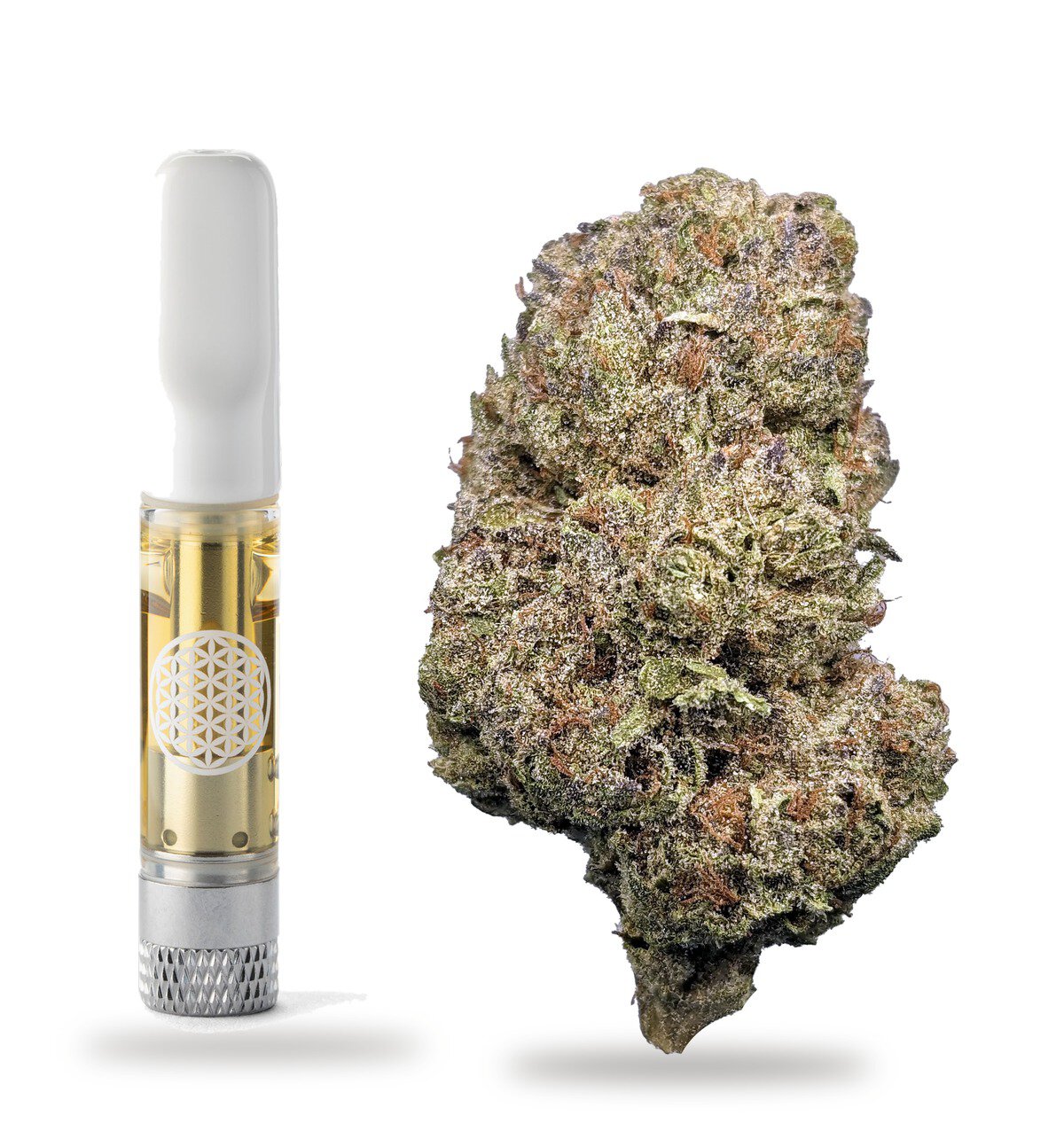

| Flavor profile | Pineapple, Tropical, Citrus |
|---|---|
| Reported feel | Focused, Uplifted, Euphoric |
| Strain type | Sativa |
The short answer
Piña Colada is a sativa, and it’s the one to reach for when you want to be awake for it. It’s stimulating without being jittery, which is why people pick it for company and for anything creative. The flavor is exactly what the name promises: sweet tropical fruit and coconut, with a soft sugary finish. Good for a daytime session or the start of an evening, not the end of one. You can take it as a Delta 8 THC live resin cart or as a Delta 8 THC disposable.
Sativa (Daytime)
Pineapple, Tropical
Focused, Uplifting
🧪 Third Party Lab Tested 👩💼 Woman Owned Since 2017 🏆 Est. 2017
Shop Piña Colada
Piña Colada Delta 8 cart
One gram of Delta 8 live resin, threaded 510. No Delta 9 THC detectable on this batch.
Starting at $60
Piña Colada Delta 8 disposable
Same oil, sealed into a pen you use up and throw away. One gram, no hardware needed.
Starting at $60
All Delta 8 carts
Every Delta 8 cartridge we make, across the full strain range. There is a pick 2 bundle and a full-gram bundle if you want more than one.
All Delta 8 disposables
The same range in all-in-one pens.
Everything Delta 8
Carts, disposables and the rest of the Delta 8 line in one place.
Piña Colada at a glance
| Strain type | Sativa |
| Best time | Daytime, or the start of an evening |
| Tastes like | Sweet tropical fruit and coconut with a sugary finish |
| Feels like | Stimulating without jitters. Good for company and creative work |
| Top terpenes | Beta-myrcene, beta-caryophyllene, alpha-pinene |
Is Piña Colada indica or sativa?
Piña Colada is a sativa, and one of the gentlest ones on any menu.
The lift is stimulating without the jitters that put people off the category. It’s bright, never sharp, and it points at enjoying yourself instead of getting anything done, which is a real distinction and the whole character of this strain.
Daytime, or the start of an evening. There’s enough ease in it that it doesn’t feel wrong in the early hours of a night, which is unusual for something this clearly sativa.
Piña Colada strain effects
Piña Colada is stimulating without the edge, and sociable the whole way through.
The lift arrives quickly and it lands in your mood first. People describe it as sunny more often than as strong, and it works around other people without any of the self-consciousness a harder sativa can produce.
Underneath there’s just enough physical ease to keep you comfortable. Not weight exactly, more the absence of tension, and it’s the thing that stops this feeling like the pure daytime sativas that keep you slightly wound.
It’s good for creative work in the loose sense: ideas, not execution. Anything that needs you to sit and finish something is a poor fit, because it makes you want to be somewhere pleasant instead.
Good for: company, warm weather, being outside, cooking, long lunches, and creative wandering. Bad for: deadlines, detailed work, and the last hour before bed, where it’s more likely to keep you up than settle you.
What Piña Colada tastes and smells like
Piña Colada tastes like sweet tropical fruit and coconut, with a sugary finish.
The coconut is what makes it distinctive. Very few strains produce it and fewer produce it convincingly, and here it’s a creamy note sitting under the pineapple and never a topping on it. The combination is exactly what the name promises, which isn’t something you can say about most strains named after drinks.
It’s sweet without being sharp. There’s no citrus bite, no gas and almost no earth, which makes it one of the easiest flavors on our menu for someone who finds cannabis smells off-putting.
The smell is milder than most too. It fills a room less than a gas strain does, which matters more than people expect if you’re using it somewhere with other people in it.
If you like complicated, layered strains, this will read as simple. If you’ve been looking for something that tastes like a holiday, this is it.
Piña Colada terpenes
Piña Colada is highest in beta-myrcene, then beta-caryophyllene, then alpha-pinene.
Beta-myrcene leads, which is unusual for a sativa and explains a good deal. Myrcene is the one usually blamed for a heavy body feel, and having it first is the clearest account of why this strain is stimulating without ever feeling wound up. It’s the built-in brake.
Beta-caryophyllene sits second and adds a warm, peppery weight under the sweetness. You register it in the body rather than on the tongue, and it’s the one common terpene that works on those receptors directly.
Alpha-pinene comes third and it’s the fresh edge behind the fruit. Pinene is the compound most linked to feeling clear-headed, and the small amount here is why the strain stays bright and never turns sleepy under all that myrcene.
That’s the profile in our Piña Colada oil, and flower reads differently on a panel because extraction sets what survives. And terpene rank predicts how something will smell and roughly how it will feel, never how strong it is.
How strong is Piña Colada?
Piña Colada is mild by design, and that’s the reason to choose it.
Piña Colada flower sits at the modest end of the modern range, nowhere near the top of it. We’re not going to put a percentage on that, because no source we trust publishes one for this strain and inventing a figure would be worse than leaving it out. This has never been a potency strain and the people who like it aren’t looking for one.
What we sell is Delta 8 THC live resin, and Delta 8 THC is the milder cannabinoid, so ours lands gentler still. That combination, a mild plant in a mild cannabinoid, makes this the softest landing on our whole menu among the strains that still do something.
The vapes run 70 to 95% total cannabinoids, which describes concentration and says nothing about how hard it hits. That number and a flower percentage aren’t comparable in any direction.
One draw, two minutes, then decide. Realistically this is one where a second draw is a fair idea rather than a risk, which isn’t something we say often.
Piña Colada, the drink, and the strains around it
Piña Colada is named for the flavor, and the flavor really is the reason it exists.
Most strains named after food are aspirational. This one earns it, because the coconut-and-pineapple combination really is the defining note, and the naming is descriptive, not decorative.
You’ll also see Peach Colada, Caribbean Colada and a handful of other coladas on menus. They’re separate crosses sharing a naming convention rather than a family, and the only reliable thing they have in common is a tropical register. Colada in a name is a flavor promise, not a lineage.
There’s also a Piña Colada that is simply the drink, which is where a fair share of searches for these two words are actually headed. If you got here for the rum, we can’t help. If you got here for the strain, you’re in the right place.
Piña Colada compared to Maui Wowie and Mango Haze
Piña Colada, Maui Wowie and Mango Haze are three tropical sativas, and the choice is how much intensity you want with the fruit.
Maui Wowie is the closest neighbor and the more energetic. Pineapple without the coconut, a brighter lift, and available as full-strength THCa, so it’s the one to take if this reads as too gentle. Same afternoon, more volume.
Full-strength THCa points at the cannabinoid our testing measures, written on the label as a percentage.
Mango Haze comes at it from the haze side. Mango where this one is pineapple, a longer and more cerebral lift, and we carry it as a 1:1 with CBD as well as Delta 8 THC. Take the Mango Haze if you want the tropical register with more staying power.
Piña Colada for the gentlest, Maui Wowie for the brightest, Mango Haze for the longest.
What is Piña Colada good for?
Piña Colada is for warm afternoons with nothing to finish.
That is a narrower job than most sativa pages will admit to and it’s the accurate one. This strain works hardest when the point of the next few hours is the next few hours: sitting outside, cooking slowly, a long lunch, a conversation that doesn’t go anywhere in particular.
It’s also one of the easiest strains to hand to someone who is nervous. The gentle plant, the milder cannabinoid and the friendly flavor together make it about as low-stakes an introduction as we sell, and it’s a reasonable first purchase for that reason alone.
It also holds up in company where tolerances differ. Because the ceiling is low, the person who uses cannabis rarely and the person who uses it daily end up having roughly the same afternoon, which is rarer than it sounds and quietly useful.
Where it’s the wrong pick: anything with a deadline, anyone chasing intensity, and the end of a night. It won’t help you sleep and it isn’t built to.
What is Piña Colada crossed with?
Piña Colada is Congo IBL crossed with Queen Mother, a sativa-dominant pairing of two strains most people have never heard of.
That obscurity is the interesting part. Congo IBL is an African landrace line, inbred and stable, and Queen Mother is a Congolese sativa with a long history behind it. Neither is fashionable, neither shows up in the dessert-strain family trees that dominate a modern menu, and the result tastes nothing like either one on paper.
It also explains the lift. Two African sativas crossed together should produce something sharp and relentless. What actually came out is gentle, and the coconut sweetness on top makes the whole thing read as a tropical drink rather than as a landrace cross. That gap between the parents and the result is genuinely unusual.
You’ll also see this plant listed as CBD Lilly, which is the same strain under a name that reflects how CBD-forward some versions of it run. Ours is a Delta 8 THC product, so that alias describes the plant’s history and not what is in the cartridge, and it’s worth knowing if you go looking for this one elsewhere.
What we sell, and where to buy Piña Colada
We sell Piña Colada two ways, both $60, both Delta 8 THC live resin.
Delta 8 THC live resin disposable. Nothing to charge, nothing to assemble, and the obvious starting point.
Delta 8 THC live resin cart. The same oil for any 510 battery, better value per gram once the battery is yours.
Delta 8 THC suits this strain better than full strength would. Nobody is buying Piña Colada to be flattened, and the milder cannabinoid keeps the whole thing in the register the flavor promises: warm, easy and social, never intense.
Live resin means the terpenes were pulled straight off the plant and never added back later, and coconut is one of the first notes a cheaper extraction loses. Without it this is just another sweet pineapple strain, which is precisely what it isn’t. We ship to most states, your batch certificate is on the product page before checkout, and the store locator lists nearby stockists if you’d rather buy in person.
If you like Piña Colada, try
Tropical and fruit-forward, and the two other strains where we take apart the same kind of bad data.
Hawaiian Dream (sativa)
Tropicana Cookies (sativa)
Mango Haze (sativa)
Maui Wowie (sativa)
Juicy Fruit (hybrid)
Browse all strains →
Piña Colada FAQ
Piña Colada is a sativa. It lifts you without the restlessness, which is a harder combination to find than it sounds, and it stays pleasant and never turns sharp. Daytime, and a reasonable pick if strong sativas usually leave you wound up outdoors.
Piña Colada is a tropical sativa named for the drink it tastes like: pineapple and coconut, sweet and creamy. It’s one of the more purely enjoyable flavors we carry, and the effect matches, more sunny than sharp. Also written Pina Colada without the tilde, and Pinacolada as one word.
Piña Colada tastes like tropical fruit and coconut. Pineapple leads, the coconut sits underneath and gives it a creamy roundness, and there’s very little earth or gas to cut it. If a strain has ever tasted like a holiday, this is the one.
Beta-myrcene sits highest on Piña Colada, beta-caryophyllene behind it, alpha-pinene in the third slot. Myrcene leads, which usually points toward a relaxed body, and here it keeps the sativa lift from turning sharp. Caryophyllene adds warmth and alpha-pinene the fresh edge on the finish. That’s the profile in our Piña Colada vapes.
Piña Colada flower sits at the modest end of the modern range, well short of the top. We don’t publish a percentage for it, because no source we trust has one. We carry it as Delta 8 THC, never THCa, which makes it one of the gentler things on our menu even though the oil concentrates to 70 to 95% total cannabinoids. One draw, two minutes, then decide.
Piña Colada is for daytime and outdoors. It suits an afternoon with nothing demanding in it, a long walk, or anything where you want to feel lifted without feeling wound up. It’s not a productivity strain and it’s not a sleep one.
Only by flavor. The name comes from the pineapple and coconut profile, which genuinely does taste like the cocktail. There’s no alcohol in it and nothing to do with the drink beyond the comparison, which is worth saying plainly because most searches for this phrase are looking for a recipe.
TribeTokes sells Piña Colada in two at $60: a Delta 8 THC live resin disposable and a cart. Live resin is what keeps the pineapple and coconut recognizable instead of leaving a generic sweetness behind. The disposable is ready out of the box; the cart pairs with a 510 battery.
Strain descriptions reflect commonly reported characteristics and user experiences, not guaranteed effects. TribeTokes products are hemp-derived and Farm Bill compliant (0.3% or less Delta 9 THC). These statements have not been evaluated by the FDA and are not intended to diagnose, treat, cure, or prevent any disease. Must be 21 or older.