
It’s basically everywhere. Seeing a white cloud flowing from the crowds has become commonplace. Vaping has become increasingly popular…. In fact, data shows that by 2021 there will be 55 million global vapers. Sure, that number is significantly lower than the current 1 billion traditional smokers worldwide, but since 2011 vaping has increased from 7 million to the current 45 million users. Vape Shops are overtaking smoke shops and are one of the biggest trends amongst Millennials + GenZ.
As this trend continues to grow, education to inform consumers about what they are inhaling will become increasingly important. It is also important to differentiate between vaping nicotine oils and full plant cannabis oils – aside from the similar heating and consumption mechanism, when manufactured properly these 2 things have nothing in common (no overlapping ingredients). At TribeTokes, we pride ourselves as being pioneers of the “clean vaping” category within CBD – so what does this mean exactly?
BASED ON THIS ARTICLE, YOU MAY LIKE…
-
Sale!

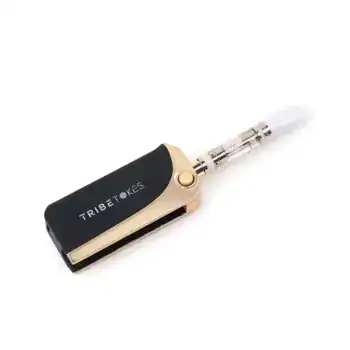
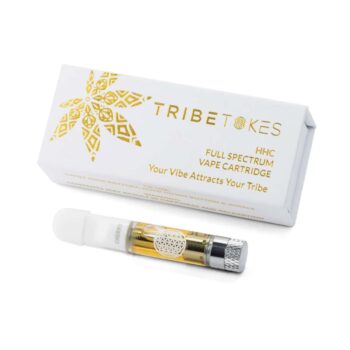
Save $20: Saber Battery + CBD Cartr...
Original price was: $110.00.$90.00Current price is: $90.00. SHOP NOW This product has multiple variants. The options may be chosen on the product page
-
Sale!
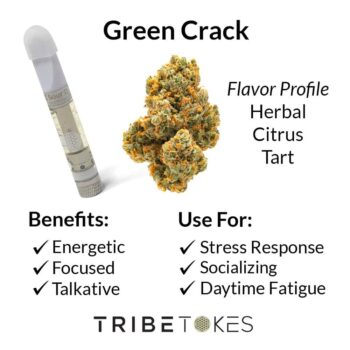
Green Crack (Sativa) | Delta 8 THC ...
Starting from: $60.00 SHOP NOW This product has multiple variants. The options may be chosen on the product page
What is clean vaping, and how is it different from regular vaping?
Clean vaping refers to using vaping products that don’t have harmful cutting agents, contaminants, or additives. In contrast, regular vaping involves using products that might have additives and cutting agents, including vegetable glycerin, propylene glycol, flavorings, and nicotine.
The primary distinction between clean vaping and regular vaping is the purity level of the used products. Clean vaping products usually contain high-quality, pure ingredients that have undergone testing for quality and purity. These products aim to provide a clean, pure vaping experience free of harmful additives and contaminants.
On the other hand, regular vaping products can contain various potentially harmful additives and contaminants. For example, some studies indicate that certain commonly used vaping additives, like acetyl propionyl and diacetyl, can harm human health.
Choosing clean vaping versus regular vaping is a matter of personal choice and priorities. Those who value their health and safety might prefer clean vaping products, while others who prioritize convenience or affordability may prefer regular vaping products.
Are there any potential health risks associated with traditional vaping products?
Indeed, there are potential health risks associated with traditional vaping products. Such products usually contain various chemicals, including nicotine, flavorings, and additives, like propylene glycol and vegetable glycerin. When these substances are heated and inhaled, they can lead to several health issues.
One of the significant risks associated with traditional vaping products is lung damage. Vaping can cause lung inflammation, accumulation of fluids in the lungs, and other respiratory problems. Some studies have also found a link between vaping and an increased risk of lung cancer. Moreover, the nicotine present in traditional vaping products can have detrimental effects on the cardiovascular system. Nicotine can increase heart rate and blood pressure, leading to a higher risk of heart disease and stroke.
In addition, the chemicals used in flavorings and additives have also been linked to potential health hazards. For instance, diacetyl, commonly used in flavorings, has been associated with a severe lung disease called bronchiolitis obliterans. While vaping is often seen as a safer alternative to smoking, traditional vaping products still pose potential health risks. Thus, weighing these risks before deciding to use vaping products is crucial.
How can you ensure clean vaping?
It is essential to select e-liquids that do not include any potentially hazardous chemicals or additives if you want to engage in clean vaping. Seek for e-liquids that have been examined for their purity and safety, as well as those created from high-quality ingredients. In addition, think about using electronic cigarettes or vaping devices approved by credible associations, such as the American Vaping Association or the Vapor Technologies Association.
The Vape Crisis of 2019
Vaping is the heating up of cannabis oil OR nicotine mixed with propylene glycol (PG) as a base – 2 very common but completely different vaping categories – creating a vapor that you can inhale (similar to how a humidifier works with water). The vape industry went under fire in 2019 following the reports of deaths and lung illness. The cause of sickness was found to be toxic ingredients from illegal products from irresponsible manufacturers.
The vaping drama got even worse as findings show botched lab tests and cheap fillers for legal market products. Even legal dispensaries were taking shortcuts and using fillers from our “never use” list to reduce costs and increase shelf life of products. As a result, consumers are now spending more time researching and reading labels in search of clean vaping utopia – but what does that mean? Clean vaping means that there are no unhealthy filler oils, and no toxic ingredients or residues including heavy metals.
Yes, toxic, heavy metals including “lead” are showing up in lab tests. Labs are reporting that some percentage of vape carts are showing a concerning amount of lead. Specifically, 4 heavy metals that are of particular interest to us when we talk about CBD oils – cadmium, lead, arsenic, and mercury. That’s because they are not only the ones that we encounter most frequently but they are also extremely toxic and harmful to human health and are being found in CBD oil “vaporizer cartridges” or “vape carts.”
That comes as very bad news to the vaping industry as the Centers for Disease Control has found that there is no safe level of exposure to lead. Exposure to high levels of lead may cause anemia, weakness, and kidney and brain damage. Very high lead exposure can cause death. To sum it up – lead in vapes is bad.
Lab testing reveals there’s lead in most vape cartridges. According to industry experts, lead in vape cartridges is a major concern that’s being ignored. In 2019, some studies have estimated that 90 percent of vape cartridges dry test for actionable levels of lead. Cheap metal when heated will release cadmium, lead, arsenic, and mercury. These are the most common and dangerous heavy metals present in vapes. No bueno!
A Clean Vape Is A Happy Vape

So, as vaping continues to grow in popularity, how do you know what’s the best option for you? There are a few things that consumers can do to significantly reduce or avoid exposure.</p> <p>First thing is to read all the ingredients. <a href=”>Degelis “Dege” Tufts, CEO and Founder of TribeTokes, believes that first and foremost, consumers must always read the ingredients on vape products. “The simpler the better!” she said. “Consumers should look for (and avoid) thinning agents, fillers or carrier oils such as propylene glycol (PG), vegetable glycerin (VG), MCT oil or polyethylene glycol (PEG).”
Second, look at the lab testing. Kymberly “KymB” Byrnes, CMO and Cofounder of TribeTokes states “At TT we add only pure, clean CBD-rich full-spectrum distillate, terpenes and other whole plant extracts to our vapes. If you see a lot of ingredients that you can’t pronounce in your vape, then maybe it’s not what you think it is.”
Thirdly, buy from trusted sources because not all CBD is created equal. For cannabis vapes, always look for lab results and verify they’re real – anyone can buy a QR code off of the internet and connect it to a Photoshopped PDF of fake lab results. Look for a link to a verifiable third party lab with a solid reputation. When you purchase from a brand, do your research – who is behind the product? Why should you trust them with your lungs?
Be smart, vape wisely, and embrace plant medicine through clean vaping!
Conclusion
Clean vaping refers to using e-cigarettes paired with e-liquids that do not include any additives or chemicals that could be considered hazardous. It is essential to utilize clean vaping goods to reduce the likelihood of developing respiratory problems and other health complications. You can ensure that you are utilizing vaping items that are both safe and effective by selecting vaping devices that have been certified and e-liquids of high quality.
Frequently Asked Questions
What does it mean to vape cleanly?
Using electronic cigarettes, often known as e-cigarettes, with e-liquids free of potentially hazardous chemicals and additives is referred to as “clean vaping.” This includes e-liquids that do not include nicotine, diacetyl, or other potentially dangerous substances connected to various health problems, including those affecting the respiratory system.
Why is it important to choose clean vaping?
Opting for clean vaping products is crucial because they do not contain harmful additives and contaminants that can jeopardize your health. Vaping products that are not clean may contain additives and chemicals that can result in respiratory problems and other health concerns. These harmful substances may include formaldehyde, heavy metals, and toxic chemicals.
When you inhale unclean vaping products, you expose yourself to these hazardous substances. These substances can damage your lungs and other organs, raise the risk of respiratory infections, and worsen pre-existing health issues. In certain instances, they can even be cancer-causing, raising your chances of developing cancer.
Picking clean vaping products helps in mitigating these risks. These products are formulated to offer a clean, pure vaping experience that does not expose you to harmful additives or contaminants. In addition, they usually consist of high-quality, pure ingredients that have undergone quality and purity tests. By selecting clean vaping products, you can help safeguard your health and lower the risk of experiencing unfavorable health effects.
How can you identify clean vaping products in the market?
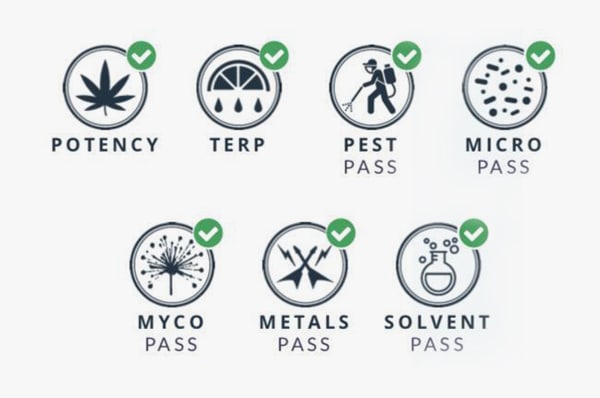
Recognizing clean vaping products in the market may be difficult since “clean” is not regulated. Nevertheless, some strategies can help you detect products that may be regarded as clean. To begin with, you can search for products that have undergone third-party laboratory testing. The results of these tests should be available on the product’s website or provided upon request.
Secondly, you can investigate the ingredients utilized in the product. Clean vaping products usually contain high-quality, pure ingredients free of harmful additives or contaminants. Avoid products with ingredients you are unfamiliar with or know to be harmful.
Finally, you can search for products that have clear and transparent labeling, including information on the ingredients and their sources. Again, reputable brands provide this information to help consumers make informed decisions.
Why is clean vaping important?
Vaping cleanly is essential since doing so guarantees that you will not jeopardize your health by being exposed to possibly hazardous chemicals or additives. Lung injury and disease reports have been linked to using specific e-cigarette products. In addition, E-cigarettes and vaping products have been linked to respiratory difficulties. You can lower your risk of experiencing any of these potential adverse health effects through clean vaping.
What steps can you take to reduce exposure to harmful chemicals while vaping?
To minimize your exposure to harmful chemicals while vaping, there are a few steps you can take. One of the best ways to reduce exposure is by selecting clean vaping products free from harmful additives and contaminants. Lowering the temperature at which you vape can also reduce the production of harmful chemicals, such as formaldehyde. Additionally, high-wattage devices can produce more chemicals, so using lower-wattage devices can be a safer option.
Avoid using e-liquids containing diacetyl as it has been linked to a severe lung disease known as bronchiolitis obliterans. Limiting your vaping frequency can also help reduce your exposure to harmful chemicals.
By prioritizing your health and safety, these steps can help reduce exposure to harmful chemicals while vaping. Thus, choosing clean vaping products and taking precautions to minimize exposure to potentially harmful substances is crucial.