
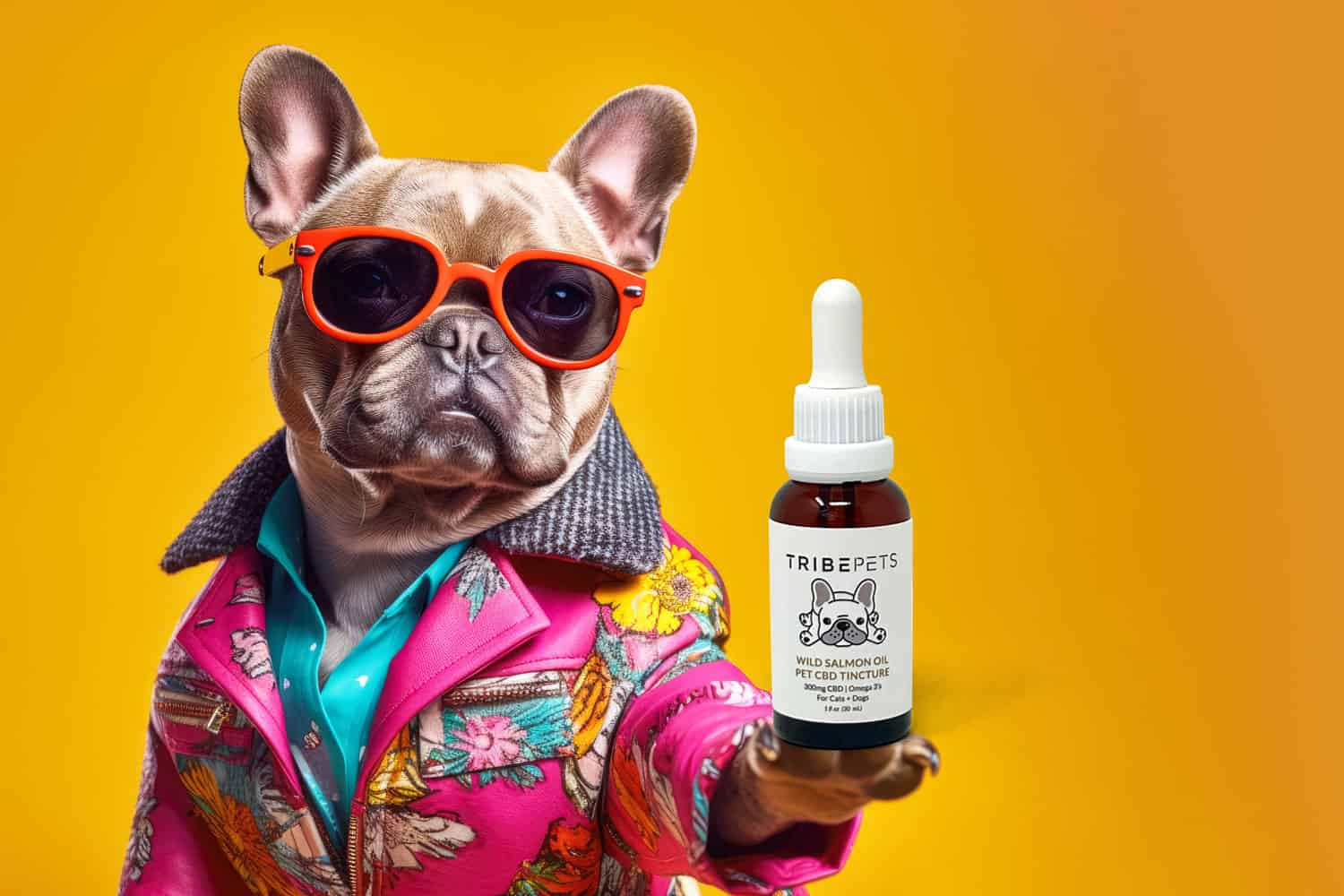
The Natural Way to Calm and Heal Your Dog with CBD Oil
As loving pet parents, we want our dogs to live their best life – happy, healthy, and pain-free. But sometimes, despite our best efforts, our canine companions experience issues like anxiety, chronic pain, seizures, and other concerning conditions.
While prescription medications can help, they often come with harsh side effects. More pet owners are exploring the potential benefits of CBD oil for dogs as a natural alternative to promote calmness and relieve discomfort.
What is CBD Oil for Dogs?
CBD, or cannabidiol, is a non-psychoactive compound found in hemp plants. Unlike its cousin THC, CBD won’t produce any mind-altering effects or get your dog “high.”
Instead, CBD interacts with your dog’s endocannabinoid system – a complex biological system that helps regulate sleep, appetite, pain, and the immune system response. By influencing this system, CBD may provide a range of potential therapeutic benefits for our four-legged friends.
BASED ON THIS ARTICLE, YOU MAY LIKE…
-
Sale!

CBD Oil for Dogs + Cats | Wild Alas...
Starting from: $40.00 SHOP NOW This product has multiple variants. The options may be chosen on the product page -
Sale!
2-Pack: CBD Pet Tincture | 300mg CB...
Original price was: $100.00.$90.00Current price is: $90.00. SHOP NOW -
Sale!
3-Pack: CBD Pet Tincture | 300mg CB...
Original price was: $150.00.$120.00Current price is: $120.00. SHOP NOW

Top Uses of CBD for Dogs and Potential Benefits
Owners are turning to a wide variety of CBD products for pets, including dog treats, tinctures, oils, and other products to help with various canine health concerns:
Dog Anxiety Relief
From loud noises like thunderstorms to separation issues, travel stress and age-related anxiety, anxiety in dogs is a common challenge. The best CBD oils and calming CBD dog treats can help naturally ease anxious behaviors and aggressive tendencies.
Joint Pain and Arthritis
As dogs age, they often suffer from painful conditions like arthritis and hip dysplasia. CBD is well-known for its anti-inflammatory properties and may help reduce joint inflammation to provide much-needed relief for dog joint pain.
Dog Seizures and Epilepsy
Seizures are a scary reality for some dogs. While research is limited, CBD shows promise for dogs with epilepsy or seizure disorders. Early research, combined with a growing number of positive reviews from dog owners using CBD products for seizures, suggests this natural compound may help manage canine seizure disorders.
Skin Conditions
The anti-inflammatory benefits of CBD for dogs may also provide relief for conditions like allergies, hot spots, and other irritating skin issues many dogs face.
Separation Anxiety
Dogs with separation anxiety can become destructive and extremely distressed when left alone. CBD calming treats or drops may help dogs with separation anxiety feel more relaxed and at ease.
How Much CBD Should I Give My Dog?
One of the most common questions dog owners have is, “how much CBD oil should I give my dog?” Unfortunately, there is no one-size-fits-all answer. The ideal CBD dosage for dogs depends on a variety of factors:
- Your dog’s weight and size
- The severity/chronic nature of the condition
- The concentration/potency of the CBD product
- Your dog’s individual tolerance and metabolism
Most veterinarians and experts recommend starting with low doses of a high-quality CBD oil or treat for dogs, then gradually increasing every few days until the desired effects are achieved. Always consult your vet first, especially if your dog is on other medications.
To give you a general idea, for a mild issue some suggest starting with a dose of 1mg CBD per 10 lbs of your dog’s body weight. But for more severe conditions like seizures or cancer symptoms, doses of 2-3mg per 10 lbs may be needed.
Many top CBD brands provide a dog CBD dosage calculator on their website to help determine the right serving size based on your pup’s weight and needs. It’s always best to follow the specific dosing guidelines of a trusted brand.
How to Choose the Best CBD Products for Your Dog
With the booming popularity of CBD for dogs, there are countless products to choose from online and in stores. But not all CBD products are created equal in quality, potency, and safety.
When shopping for the best CBD oil or treats for your dog, here are some key factors to look for:
Third-Party Testing
Reputable CBD companies have their products third-party tested by an accredited lab. This analysis verifies the CBD concentration, screens for contaminants like heavy metals or pesticides, and confirms there is no more than the trace legal amount of THC present (under 0.3%).
Source of Hemp
For maximum therapeutic benefit, you’ll want an oil or treat made from high-quality hemp plants grown in the United States using organic methods. Premium brands are transparent about where their hemp is sourced and processed.
CBD Potency
The amount of CBD per mL or per treat can vary drastically between products. Invest in a potent, concentrated formula to ensure an effective dose for your dog’s needs.
Additional Ingredients
Be wary of CBD dog treats with lots of artificial colors, flavors, or other questionable additives or fillers. Stick to simple recipes with familiar, high-quality whole food ingredients.
For concerned dog parents who may be unsure about giving CBD a try, consulting your veterinarian is recommended. Most CBD products are classified as a food supplement, so quality varies across brands. Ethical companies happily provide third-party test results and disclose their full ingredients.
Reading trustworthy CBD for dogs reviews is another way to find safe, effective products. Seeing other owners’ positive experiences and results can help guide your choices.
Potential Side Effects of CBD Oil for Dogs
While typically very well tolerated, CBD can potentially cause a few mild side effects in dogs like:
- Dry mouth/increased thirst
- Drowsiness
- Lowered blood pressure
Using proper CBD dosages and choosing a high-quality CBD oil without additives can help prevent or minimize any side effects. It’s also advisable to only use CBD oil specifically formulated for dogs and not human CBD products.
Most veterinary experts agree that CBD is likely safer and has fewer risks than many prescription medications for issues like arthritis, seizures, or anxiety. But it’s still wise to start with low doses and monitor how your individual dog responds and reacts.
Consult Your Vet, Give CBD Oil a Try
From reducing anxiety and joint inflammation to managing seizures, CBD oil shows exciting potential as a natural way to improve our dogs’ quality of life and overall wellness. Many pet owners have witnessed amazing calming effects and pain relief firsthand.
While more rigorous studies on appropriate CBD dosages and long-term effects are still needed, CBD is generally regarded as a safe supplement for dogs when using quality products as directed.
If your beloved pup is suffering from anxiety, arthritis, seizures, or other debilitating conditions – CBD may be worth discussing with your holistic or integrative veterinarian. With their expertise and approval, you can find the right starting CBD dosage and judge if it provides your canine companion with relief and more joyful days.