
CBG in Tennessee
Look at a shelf of cannabigerol products in Tennessee and one pattern repeats: CBG almost never appears by itself. It shares the panel with CBD, sometimes with CBN, usually with a terpene fraction carried over from the extract. That is a formulation decision with reasons behind it, some botanical, some economic, and it changes what you are actually taking. This page is about the blend rather than the molecule, because the blend is what people buy.
The CBG Lineup in Tennessee
-
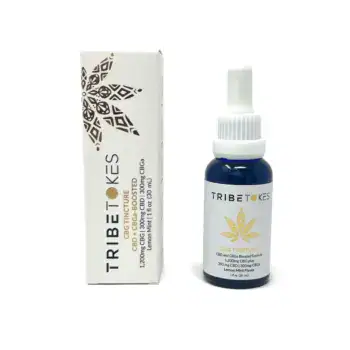
 CBG Tincture 1,800mg | CBG Oil with CBD + CBGaStarting from: $50.00 SHOP NOW This product has multiple variants. The options may be chosen on the product page
-
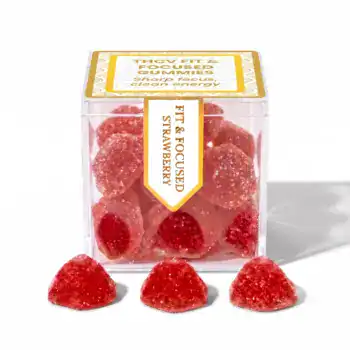
Fit & Focused Gummies | THCV + CBG Focus Gummies, Zero THCStarting from: $45.00 SHOP NOW This product has multiple variants. The options may be chosen on the product page
-
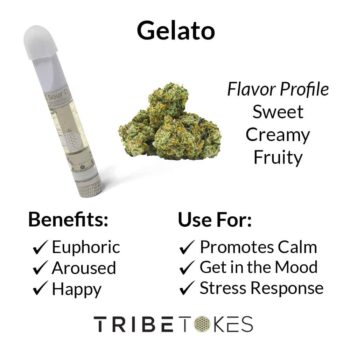
Gelato (Hybrid) | CBD Vape Carts | CBG-BoostedStarting from: $60.00 SHOP NOW This product has multiple variants. The options may be chosen on the product page
What CBG Is and Where It Comes From
Cannabigerol is scarce for a structural reason. Its acid form, CBGA, is the raw material the plant converts into the precursors of THC, CBD and CBC, so a mature plant has spent most of it. Producers respond in one of two ways: grow a chemovar bred to hold CBGA back, or pull CBG out of ordinary biomass in small quantities. Either path makes CBG the expensive fraction of a formula. Pairing it with a plentiful cannabinoid is how a product reaches a usable serving size without resting entirely on the rarest input.
CBG for Focus and Calm
A blend’s character is set by its ratio, not by the presence of any one ingredient. A tincture listing 25mg CBD and 5mg CBG per serving is a CBD product with a cannabigerol accent. Flip those numbers and it is a different product wearing the same category name. This is the part shoppers skip, and it explains why two bottles both marketed as CBG can behave nothing like each other. Read the two figures next to each other before anything else.
CBG vs CBD
Framing this as CBG against CBD misses how the category is built, because most formulas contain both. The useful question is proportion. CBD carries the larger evidence base and the larger share of almost every blend; cannabigerol is the minor partner by weight and by research. Taking CBD and CBG together is the default case rather than an unusual one, so a comparison between the isolated molecules describes a situation few people are actually in.
- Gummies: pre-measured, an easy daytime habit.
- Tinctures: adjustable amounts, faster under the tongue.
- Vapes: inhaled, so onset is quick and the effect is short.
- Paired with CBD: the two together for steady balance.
How Much CBG to Take
With a blend, one number is never enough. A panel may advertise a total cannabinoid figure that folds several compounds into a single line, which tells you nothing about the cannabigerol share. Find the per-serving CBG figure specifically, then the per-serving figure for whatever it is paired with. Start at the smallest serving the label offers and keep it steady long enough to judge, since changing two variables at once in a blend leaves you unable to attribute anything.
Why CBG Rarely Stands Alone
Scarcity drives the formulation. Because CBGA is the branch point the plant spends on making everything else, ordinary hemp finishes with very little cannabigerol left. Dedicated high-CBG chemovars exist, but they occupy field space that would otherwise grow a higher-yielding crop.
The result is that CBG behaves like a specialty input. Formulators use it in small, deliberate amounts alongside a cannabinoid they can source at volume. That is why the category reads the way it does, and why a pure CBG product usually costs more per milligram than the blend beside it. None of that is a knock on blended formulas. It simply means the word CBG on a front label is describing a component, sometimes a small one, rather than the whole product.
The Entourage Idea and What It Actually Claims
The entourage effect is the claim that a mixture of cannabinoids and terpenes produces something different from the sum of its parts. It is an appealing story and it is used to sell a great deal of product.
It is also unfinished. Decoding the Postulated Entourage Effect of Medicinal Cannabis: What It Is and What It Isn’t examines what the term does and does not describe, and treats the effect as postulated rather than established. Blends can still be perfectly good products. The mixture is a formulation choice, not proof of a mechanism.
Terpenes Ride Along in a Blend
Most full spectrum blends carry terpenes from the source material even when no terpene appears on the front label. Their profile depends on what went into the extractor, and it is measurable: researchers identified terpene compositions in the leaves and inflorescences of hybrid cannabis using headspace gas chromatography and mass spectrometry in Identification of Terpene Compositions in the Leaves and Inflorescences of Hybrid Cannabis Species Using Headspace-Gas Chromatography/Mass Spectrometry.
The practical point for a blend is input control. Two batches of the same formula can carry different terpene profiles if the biomass changed, which is one more reason the batch report matters more than the marketing copy.
CBG With CBD Versus CBG With CBN
The two common pairings send a product in different directions. CBG with CBD is the daytime configuration, and it is the one most brands lead with. CBG with CBN shows up in evening formulas, where the cannabigerol is the smaller share.
Neither pairing has been tested head to head in people, so choose on the panel rather than on the promise. CBG and CBN compared is a reasonable starting point, and the CBG vape collection shows how the ratios are usually written out. Also in Tennessee: hemp products in Tennessee, THC gummies in Tennessee, Delta 8 THC in Tennessee, THCa flower in Tennessee and THCa vapes in Tennessee.
Frequently Asked Questions
Not from the cannabigerol. CBG is non-intoxicating, and the same is true of the CBD it is usually paired with. What matters in a blend is whether anything intoxicating was added deliberately, which the panel and the batch report will show line by line.
Screens look for THC metabolites rather than for CBG or CBD. A full spectrum blend can carry trace THC from the source extract, so anyone facing testing should read the batch report and choose a broad spectrum or isolate-based formula instead.
One report per finished batch. The certificate should list every cannabinoid the formula contains with its own figure, not a single combined total, because a combined total hides the ratio that defines the product.
Find the per-serving line, then read each cannabinoid separately. If the label gives only a total, treat the CBG content as unknown. The ratio between the listed compounds tells you more about what you are taking than the headline number does.
Cost and supply. CBGA is consumed as the plant matures, so isolated cannabigerol is a small, expensive fraction. Building a formula around a plentiful cannabinoid and adding CBG to it produces a workable serving size at a workable price.
It is the proposal that cannabinoids and terpenes taken together behave differently from any of them taken alone. It remains a proposal. Reviews of the idea treat it as postulated rather than demonstrated, which is worth knowing before a blend is sold to you on that basis.
Neither has been shown superior in people. Isolate gives you one known quantity and nothing else; a blend gives you several and no way to attribute a result. The choice is about how much you want to be able to explain, not about proven performance.
CBN turns up in evening formulas and CBC appears occasionally. Terpenes carried over from the extract are present in most full spectrum blends whether or not they are listed. CBD, CBG and CBN side by side covers that pairing.
It changes the share, not the chemistry. A 5mg CBG serving delivers 5mg whether it sits alone or beside 25mg of something else. What blending changes is your ability to say which ingredient produced any given experience.
Cannabinoids are handled by liver enzymes that also process many medications and supplements, and that interaction map has not been drawn for cannabigerol. Raise it with a pharmacist before stacking a blend on top of a daily routine.
Keep reading: TribeTokes in Tennessee, the Tennessee CBD page, or CBN in Tennessee. The national CBG products page has every format in one place.
These statements have not been evaluated by the FDA. TribeTokes products are not intended to diagnose, treat, cure, or prevent any disease. Not for use by anyone under 21, or by those who are pregnant or nursing. All products contain less than 0.3% hemp-derived Delta-9 THC by dry weight.