
CBG in Washington
The reason CBG is a specialty ingredient is a production problem, not a demand problem. Hemp spends almost all of its cannabigerolic acid building other cannabinoids, so a finished plant yields very little, and separating what remains from everything chemically similar sitting beside it is the hard part. Readers in Washington comparing cannabigerol products are looking at the output of that process. This page walks through it, from field to crude extract to the certificate at the end.
The CBG Lineup for Washington
-
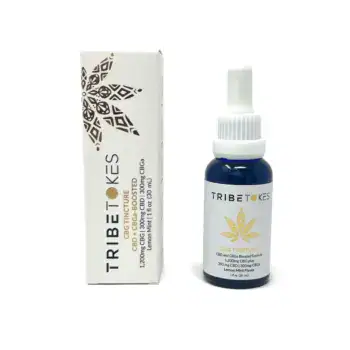
 CBG Tincture 1,800mg | CBG Oil with CBD + CBGaStarting from: $50.00 SHOP NOW This product has multiple variants. The options may be chosen on the product page
-
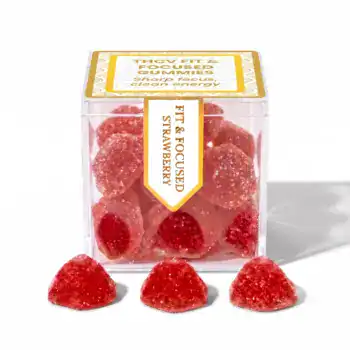
Fit & Focused Gummies | THCV + CBG Focus Gummies, Zero THCStarting from: $45.00 SHOP NOW This product has multiple variants. The options may be chosen on the product page
-
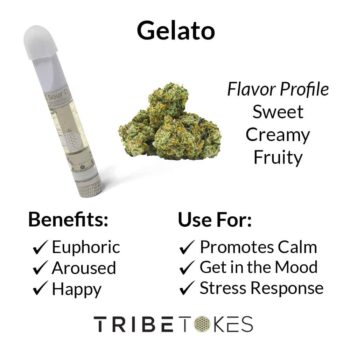
Gelato (Hybrid) | CBD Vape Carts | CBG-BoostedStarting from: $60.00 SHOP NOW This product has multiple variants. The options may be chosen on the product page
What CBG Is and Where It Comes From
CBGA is the plant’s branch point. Three enzymes compete for it, converting it toward THCA, CBDA and CBCA, and whatever escapes them is what a processor eventually has to work with. Two responses exist. Grow a chemovar bred so that conversion is limited and CBGA accumulates, or extract ordinary CBD-type biomass and accept that cannabigerol will be a thin fraction of the result. The first requires dedicated acreage. The second requires a lot of input material for a small output.
CBG for Focus and Calm
Marketing describes CBG in terms of focus and calm. Production describes it in terms of what survived. A crude extract holds cannabinoids, waxes, lipids, chlorophyll and terpenes, and each processing step is a decision about which of those to keep. Full spectrum keeps most of it, broad spectrum removes the THC fraction, and isolate keeps one compound. Those three words on a panel are a summary of the process, and they say more about the contents than any adjective on the front of the package.
CBG vs CBD
CBD is abundant enough that purifying it is routine, which is why CBD isolate is a commodity and CBG isolate is not. The molecules are close relatives, close enough that a simple separation by volatility does not cleanly divide them, and that similarity is the whole engineering difficulty. The CBD and CBG comparison covers the consumer side; the production side is a story about how alike they are, not how different.
- Gummies: pre-measured, an easy daytime habit.
- Tinctures: adjustable amounts, faster under the tongue.
- Vapes: inhaled, so onset is quick and the effect is short.
- Paired with CBD: the two together for steady balance.
How Much CBG to Take
Serving sizes in this category are shaped by what the process can deliver. A formula built on isolate can state an exact cannabigerol figure because there is nothing else in it. A full spectrum formula states a figure that came from a batch assay, and the next batch will differ slightly because the input material did. Read the per-serving line, then read the batch report that produced it.
Why a Mature Plant Holds So Little CBG
Everything downstream begins with a plant that has already spent its cannabigerolic acid. The synthase enzymes that build THCA, CBDA and CBCA all draw on the same pool, and by the time flowers are ready the pool is nearly gone.
That is why high-CBG chemovars exist as a separate agricultural product rather than as a bonus from a CBD crop. Extracting cannabigerol from ordinary biomass means processing a large volume of material for a small yield, and the economics of that show up in every price in the category.
From Biomass to Crude to Distillate
Extraction pulls a crude oil out of the plant using carbon dioxide, ethanol or a hydrocarbon solvent. What comes out is not a cannabinoid, it is a mixture: cannabinoids plus waxes, lipids, pigments and terpenes.
Winterization drops the waxes out. Solvent recovery removes what was used to extract. Distillation then concentrates the cannabinoid fraction into distillate. Each step throws something away, and what a producer chooses to discard is the real difference between a full spectrum and a broad spectrum product.
None of these steps is specific to cannabigerol. They are the same operations any hemp processor runs, which is part of the point: up to this stage nobody has separated CBG from anything. The extract simply contains whatever proportions the plant handed over, and cannabigerol is the smallest interesting fraction in it.
Separating CBG From What Sits Next to It
Distillation sorts by volatility, and the major plant cannabinoids are close enough in that respect that heat alone will not cleanly divide them. Isolating a minor compound therefore usually means chromatography, where a column separates molecules by how they interact with a stationary phase.
There is a second route. Pharmacological Aspects and Biological Effects of Cannabigerol and Its Synthetic Derivatives covers synthetic and semisynthetic derivatives alongside the plant-derived compound, and manufactured cannabigerol sidesteps the yield problem entirely. It also raises a labeling question that a panel should answer rather than leave open.
Testing What Came Out
Analysis is what turns a process into a number. Cannabinoid content is measured by chromatography against reference standards; the volatile fraction is a separate measurement, and researchers identified terpene compositions in the leaves and inflorescences of hybrid cannabis using headspace gas chromatography and mass spectrometry in Identification of Terpene Compositions in the Leaves and Inflorescences of Hybrid Cannabis Species Using Headspace-Gas Chromatography/Mass Spectrometry.
For a reader, this is why the certificate matters more than the process description. Marketing can call a method gentle or advanced, and neither word corresponds to a measurement. Only the assay says what ended up in the container, batch by batch. The panels for our CBG vapes show how those figures are usually presented. Comparing options in Washington? See hemp products in Washington, THC gummies in Washington, THCa flower in Washington, THCa vapes in Washington and CBN in Washington.
Frequently Asked Questions
No. Isolation does not create intoxication; it removes everything except the single compound, and cannabigerol is non-intoxicating on its own. An isolate is the format with the fewest unknowns in it, which is a different quality from potency.
A true isolate should not, and the batch report is where that is confirmed rather than assumed. Full spectrum extracts retain trace THC by design, so the spectrum term on the panel predicts the answer more reliably than the CBG figure does. Detail on screening.
A finished batch is assayed for cannabinoid content and screened for residual solvents, pesticides and heavy metals. Solvent screening exists precisely because extraction introduced the solvent, so it is the panel worth reading on any extracted product.
It changes how precisely the figure can be stated. Isolate lets a formulator weigh out an exact amount. A full spectrum serving is measured from the batch, so the number is accurate for that run and will shift a little with the next one.
Supercritical carbon dioxide, ethanol and hydrocarbons such as butane are the common choices, each with different selectivity and different downstream cleanup. None of them is specific to cannabigerol; the extract that comes out contains whatever the biomass held.
Chilling a crude extract dissolved in ethanol so waxes and lipids drop out of solution, then filtering them away. It is a cleanup step rather than a separation of cannabinoids, and it happens before any attempt to concentrate a specific compound.
Extract that has been refined by distillation into a concentrated cannabinoid fraction. Distillation separates by volatility, which works well for stripping off lighter material but not for dividing two cannabinoids that behave similarly under heat and vacuum.
Chromatography, most often. Passing the mixture through a column separates compounds by how strongly each one interacts with the packing material, which resolves molecules that distillation leaves together. Where a compound is concentrated enough, crystallization can finish the job.
Distillation removes most of them, because terpenes are far more volatile than cannabinoids. Some processors capture that fraction separately and reintroduce it later, which is why a terpene profile on a finished product may not match the plant it started from.
Synthetic and semisynthetic routes to cannabigerol and its analogues exist and are studied in the pharmacology literature. Whether a given product used one is a labeling question, and a panel that does not distinguish plant-derived from synthesized material has left something out.
Keep reading: TribeTokes in Washington, the Washington CBD page, or the explainer on what CBG is. To compare options, start with CBG products side by side.
These statements have not been evaluated by the FDA. TribeTokes products are not intended to diagnose, treat, cure, or prevent any disease. Not for use by anyone under 21, or by those who are pregnant or nursing. All products contain less than 0.3% hemp-derived Delta-9 THC by dry weight.