
THCa Vapes in Tennessee
Almost every complaint about a THCa cart is a wicking complaint wearing a different name. A tight draw, a weak first pull, a burnt note, a device that has gone quiet: each usually traces back to oil that is either too cold to move or already sitting where it should not be. Priming is the habit that gets oil into the wick before power arrives. Storage is the habit that keeps it there. Between them they prevent most of what Tennessee readers write in about, and neither costs anything.
The THCa Vapes Lineup for Tennessee
-
 Sour Diesel (Sativa) Live Resin THCa Disposable Vape PenStarting from: $60.00 SHOP NOW This product has multiple variants. The options may be chosen on the product page

-
Rainbow Sherbet (Hybrid) Live Resin THCa Disposable Vape PenStarting from: $60.00 SHOP NOW This product has multiple variants. The options may be chosen on the product page

THCa Vape Strain Profiles
Hybrid
Sativa
Indica
Hybrid
Hybrid
Sativa
Are THC Vapes Legal in Tennessee?
Tennessee regulates hemp vapes under its newer hemp rules, overseen by the Alcoholic Beverage Commission since January 2026, with a 21+ requirement and a cap on THC per device. High-THCa carts face the tightest limits, so check current state guidance before you buy, and see our Tennessee hemp page for CBD oil in Tennessee and other non-intoxicating options. The maintenance side is universal. Any strain-specific THCa oil behaves like a viscous liquid in a small wick, and viscous liquids respond to temperature, gravity and time in predictable ways.
How We Fill and Test THCa Vapes
Viscosity is a production concern before it is ever a user concern. Oil that is thick enough to hold its strain character is also thick enough to move slowly, so hardware and fill level are chosen with that in mind rather than thinned down to make the problem disappear. That trade is deliberate. It puts a small amount of technique back on the person holding the device, which is what the rest of this page covers.
Pick Your Strain
Batches differ, and so does how they behave in the hand. Two strain-specific oils can carry similar potency figures and still pull differently on a cold morning, because terpene content and extract density both affect thickness. The practical read is that a slower draw is usually a property of the oil and the temperature rather than a fault in the tank. Compare profiles across the THCa carts if you want to know what you are working with, and whether THCa carts are any good covers the format at a higher level.
Disposables: Nothing to Refill
A disposable arrives primed, which removes the first failure point entirely. The wick was saturated when the unit was assembled and the seal has held it there since. What a disposable does not remove is the storage problem: a sealed device left somewhere hot has the same oil migration issue as any other, and there is no cart to unscrew and inspect. See the THCa disposable vapes for that format.
-
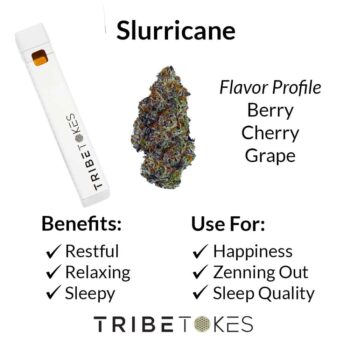
Slurricane (Indica) Live Resin THCa Disposable Vape PenStarting from: $60.00 SHOP NOW This product has multiple variants. The options may be chosen on the product page
-
THCa Vape BOGO | Live Resin – RuntzOriginal price was: $120.00.$60.00Current price is: $60.00. SHOP NOW

Disposable or Cartridge?
Format changes which maintenance habits matter. A 510 cart wants priming when it is fresh, upright storage between sessions and a clean contact point. A disposable wants nothing except sensible storage, which is part of why THCa vape starter kits pair a battery with tanks rather than leaving the pairing to chance. Neither wants a hot car, a windowsill, or a pocket next to a phone that runs warm.
Priming Is Three Draws and a Minute
A fresh cartridge arrives with oil in the tank and a wick that has not fully absorbed any of it. Firing at that moment heats a coil surrounded by dry cotton or ceramic, which scorches the wick rather than vaporizing oil.
The correction takes under two minutes. Thread the cart on, take two or three slow draws with the battery switched off, wait a minute so oil settles into the wick, then start with a short first pull rather than a long one.
Why Clogs Form in the First Place
A clog is oil in the wrong part of the airway. It gets there when the tank is stored on its side, when heat thins the oil enough to migrate, or when a hard draw pulls air past oil that was too cold to follow.
Force makes all three worse. A harder pull on a partly blocked path drives more oil into the blockage, which is why the reliable fix is warmth and gentle suction rather than effort.
Storage That Protects the Next Session
Three variables do almost all of the damage: heat, sunlight and orientation. Heat thins the oil and pushes volatile compounds out of it. Sunlight adds energy the tank does not need. Orientation decides whether gravity is working for the wick or against it.
A cool drawer with the device standing upright handles all three at once. Cars, windowsills, dashboards and bags left in the sun are the reliable ways to arrive at a clogged tank a week later.
When It Is the Device and Not the Habit
A small number of problems are not maintenance. A loose or dirty contact between cart and battery reads exactly like a clog, since neither produces vapor, and a quick wipe of the connection separates the two.
The other honest case is an empty tank. Weak vapor with a scorched edge near the end of a cart is not a fault, it is the wick reporting that there is nothing left to draw on. Other Tennessee guides worth a look: hemp products in Tennessee, THC gummies in Tennessee, Delta 8 THC in Tennessee, THCa flower in Tennessee, CBN in Tennessee and CBG in Tennessee.
Frequently Asked Questions
Priming means getting oil into the wick before the coil gets power. The usual method is two or three slow draws with the battery off, which pulls oil down by suction alone, then a short pause so it settles. A dry wick heated at full power is what produces a burnt first pull.
Cold oil and trapped air are the two common causes. Thick oil moves slowly into the wick, so a hard pull draws air past it instead and leaves a plug behind. Warming the cart in a closed hand for a minute and then drawing gently is usually enough to restore flow.
Upright, at room temperature, out of direct sun and away from anything that gets warm. Upright keeps the oil sitting over the wick where it belongs rather than pooling around the mouthpiece. A drawer beats a car, a bag beats a windowsill, and a cool room beats all of them.
High-THCa vapes are among the most restricted hemp products in Tennessee. The 2025 hemp law counts THCa toward the THC limit, and the window for selling existing stock closed June 30, 2026. Tennessee rules keep changing, so check the latest state guidance before you buy a THCa cart.
Tennessee allows some hemp vapes under its newer hemp rules, with a 21+ age requirement and a cap on THC per device, while high-THCa carts face the tightest limits. The state Alcoholic Beverage Commission has overseen these products since January 2026, so check current guidance before you buy.
A coil firing faster than the wick can resupply it. That happens with a fresh unprimed cart, with long chain draws that outrun the oil, and near the end of a tank when there is little left to wick. Shorter draws with pauses between them are the practical remedy.
Sustained heat changes it. Warmth drives the chemistry that turns acidic cannabinoids into their neutral forms, the process described in research on Acidic Cannabinoid Decarboxylation, and a device is not designed to run that reaction slowly in a glovebox. Storage heat is a slow version of what the coil does deliberately.
It does, because aroma compounds are the first thing to leave. Terpenes are volatile enough to be measured in the air above a sample, the principle behind the headspace method used in Identification of Terpene Compositions in the Leaves and Inflorescences of Hybrid Cannabis Species Using Headspace-Gas Chromatography/Mass Spectrometry. A warm tank loses that character before it loses anything else.
Warm it gently in your hand, then take slow draws with the battery off to move oil back through the wick. Avoid appliances, avoid pushing anything into the airway, and avoid long hard pulls, since all three either damage the coil or drive oil into the mouthpiece. Patience does the work.
Bring it inside, stand it upright and leave it alone until it is at room temperature before drawing on it. Hot oil is thin and mobile, so it moves into places it should not be, and pulling on it while it is hot moves it further. TN summers make this the most common preventable problem of the year.
Related reading: how long a THCa cart lasts, how to store THCa prerolls, can you fly with a THCa vape, and the full THCa vapes range.
These statements have not been evaluated by the FDA. TribeTokes products are not intended to diagnose, treat, cure, or prevent any disease. Not for use by anyone under 21, or by those who are pregnant or nursing. All products contain less than 0.3% hemp-derived Delta-9 THC by dry weight.