
Delta-8 THC in Tennessee
Delta-8, delta-10, and HHC get grouped together on shelves and in search results, but they are not the same kind of thing. Delta-8 and delta-10 are both THC isomers, the same atoms as delta-9 arranged differently. HHC is not an isomer at all: it is a hydrogenated cannabinoid, which means hydrogen has been added to the molecule. TribeTokes makes delta-8, in gummies, 510 carts, and disposables, and the job of this page is to place it accurately against the names Tennessee readers see beside it.
The Delta-8 THC Lineup in Tennessee
-
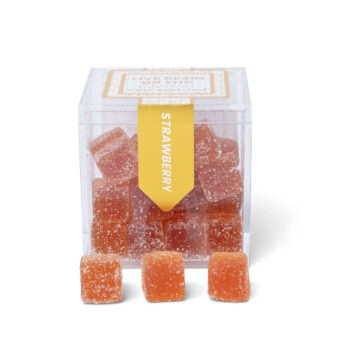
 Delta 8 THC Live Resin Gummies | CBD-BoostedStarting from: $45.00 SHOP NOW This product has multiple variants. The options may be chosen on the product page
-
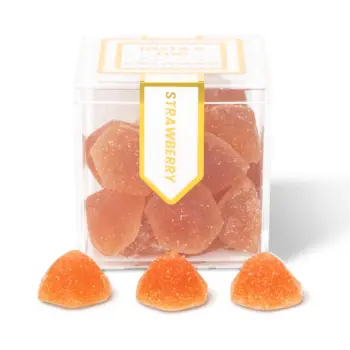
Delta 8 THC Gummies | CBD-BoostedStarting from: $45.00 SHOP NOW This product has multiple variants. The options may be chosen on the product page
-
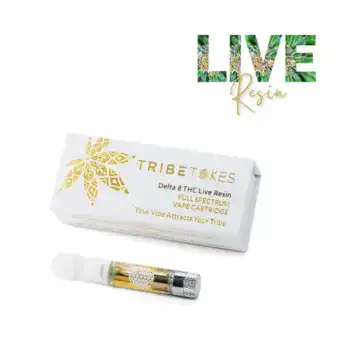
Delta 8 THC Live Resin Vape Cartridge (1g) | 9 StrainsStarting from: $60.00 SHOP NOW This product has multiple variants. The options may be chosen on the product page
-
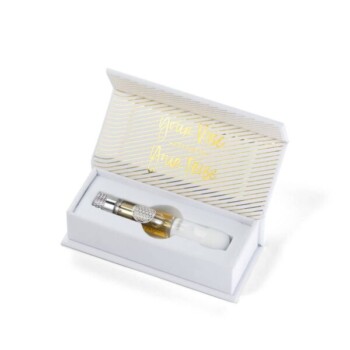
Delta 8 THC Vape Cartridge (1g) | 18 StrainsStarting from: $60.00 SHOP NOW This product has multiple variants. The options may be chosen on the product page
-
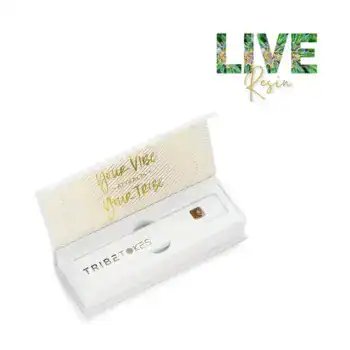
Delta 8 THC Live Resin Disposable Vape Pen (1g) | 9 StrainsStarting from: $60.00 SHOP NOW This product has multiple variants. The options may be chosen on the product page
-
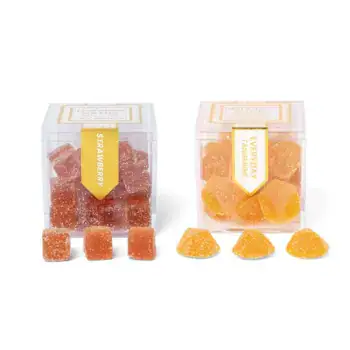
Save $10: You Pick 2 Gummies | Build Your Own BundleOriginal price was: $90.00.$80.00Current price is: $80.00. SHOP NOW This product has multiple variants. The options may be chosen on the product page
-
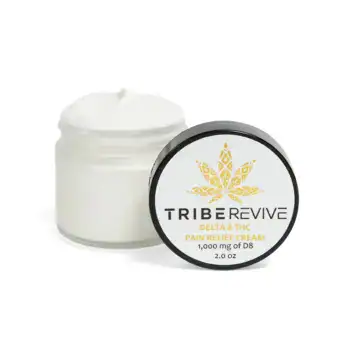
Delta 8 THC Pain Relief Cream 1,000mg | Arnica + Menthol + WintergreenStarting from: $50.00 SHOP NOW This product has multiple variants. The options may be chosen on the product page
Delta-8 THC in Tennessee: What to Look For
Placement is the useful thing here, not ranking. Every TribeTokes delta-8 batch is tested by a third-party laboratory with a public Certificate of Analysis, and that document is what allows one cannabinoid name to be compared with another rather than guessed at from packaging.
Is Delta 8 Legal in Tennessee?
Delta 8 sits in a gray zone in Tennessee right now. The state’s 2025 hemp law moved intoxicating hemp products under the Alcoholic Beverage Commission starting January 2026, adding a 21+ requirement, serving limits and new rules on where these products can be sold. How delta 8 fits under those rules is still being sorted out, so check current state guidance before you buy. If you’d rather skip the THC question entirely, CBD oil in Tennessee is non-intoxicating, and THC gummies in Tennessee covers the hemp delta 9 side. Every category we carry is on our Tennessee hemp page.
Delta-8 Formats
Which of the three formats fits is a question of habit and setting rather than of potency.
- Gummies: pre-dosed and easy to travel with.
- Carts: refillable 510, lower cost per gram.
- Disposables: all-in-one, nothing to charge.
What to Expect from Delta-8
Delta-8 is generally described as softer than delta-9, though the FDA states directly that it “has psychoactive and intoxicating effects”, set out in 5 Things to Know about Delta-8 Tetrahydrocannabinol. Start small, leave time before judging it, and change one thing at a time.
Delta-8 and Delta-10: Same Atoms, Different Arrangement
Isomers are molecules built from an identical set of atoms in a different configuration. Delta-8 and delta-10 both hold that relationship to delta-9, and the number in each name marks where the structural difference sits. Same ingredients, different assembly, and the result is treated as a distinct compound with its own laboratory line.
That is why a shelf holding all three is not offering strengths of one product. Each name refers to a specific molecule, and the National Institute on Drug Abuse collects the underlying research on the plant these all trace back to under Cannabis (Marijuana), where delta-9 is the compound the literature mostly concerns.
HHC Sits Outside the THC Family
HHC is short for hexahydrocannabinol, and the word hydrogenated is doing the work in its description. Hydrogen has been added to the molecule, which changes what the molecule is made of rather than how the same atoms are arranged. Isomerism and hydrogenation are two different kinds of change.
Grouping HHC with delta-8 and delta-10 is therefore a shelf convention rather than a chemical grouping. It matters for a Tennessee reader because the assumption that a neighbouring name behaves like a familiar one is the way people end up surprised.
Travel is where the distinction stops being academic, because the name on a product is the first thing anyone else reads. Can you fly with delta-8 handles that question directly rather than by inference.
Why These Three Names Turn Up Together
They arrived in the same wave of products and are marketed against each other, which puts them side by side in listings and in search results. The shared context is commercial. Nothing about that context tells you how one compares with another once it is in a person.
The FDA’s published statements address delta-8 specifically, including that it is typically manufactured from hemp-derived cannabidiol and that it has psychoactive and intoxicating effects. Those statements do not extend to the other two by association, and this page does not stretch them.
What a Cannabinoid Name Does Not Tell You
A name identifies a molecule and nothing further. It carries no potency, no dose, no formulation, and no information about what else the batch contains. Two products with the same name can differ by more than two products with different names, which is a genuinely unintuitive result and the reason labels alone are a poor comparison tool.
Format matters more than most name comparisons do. A gummy fixes an amount per piece; a 510 cart or disposable leaves the amount to the draw. Those differences are visible before anything is opened, which is more than can be said for the differences between three cannabinoid names.
Two adjacent questions come up often enough to name. Delta-8 versus CBD covers the pair with the widest gap between them, and does THCV get you high covers another cannabinoid whose name promises more than the evidence supports.
Reading Across Three Labels Without Guessing
The workable routine is short. Take each product, find its Certificate of Analysis, and read the cannabinoid lines rather than the front of the package. Note which compounds are present and in what proportion, then check that the batch identifier on the report matches the item in hand.
Doing that once across three labels is more instructive than any comparison article, this one included. It also converts a shelf full of similar-sounding names into three documents that either answer the question or fail to, which is the only distinction that ends up mattering. A name is a starting point for a search, and a report is the end of one, and Tennessee readers who treat the two as interchangeable are the ones who end up surprised by a product they thought they had already understood. Other Tennessee guides worth a look: hemp products in Tennessee, THCa flower in Tennessee, THCa vapes in Tennessee, CBN in Tennessee and CBG in Tennessee.
Frequently Asked Questions
Both are THC isomers, so both are built from the same atoms as delta-9 with the arrangement changed. The number names where the difference sits. They are separate compounds with separate lines on a laboratory report, not two grades of one product.
No. HHC is hexahydrocannabinol, a hydrogenated cannabinoid, which means hydrogen has been added to the molecule rather than atoms being rearranged. That places it outside the THC isomer group that delta-8 and delta-10 belong to.
Delta-8, in gummies, 510 carts, and disposables, each batch tested by a third-party laboratory. Delta-10 and HHC appear on this page as points of comparison so the labels a Tennessee reader encounters can be told apart.
The FDA has stated that concentrated delta-8 is typically manufactured from hemp-derived cannabidiol. That statement covers delta-8 only. The others are separate compounds and nothing on this page extends the FDA’s wording to them.
The FDA says delta-8 THC has psychoactive and intoxicating effects. For the others, the safe assumption is to treat them the same way unless a laboratory report and the producer say otherwise, rather than reading a lighter-sounding name as a lighter product.
There is no settled comparison to quote, and anyone offering a precise ratio is going beyond the evidence. Differences between two products carrying the same cannabinoid name are often larger than the difference between the two names.
Delta 8 is in a gray zone in Tennessee. The 2025 hemp law put intoxicating hemp products under the state Alcoholic Beverage Commission from January 2026, with a 21+ rule, serving limits and new limits on where they can be sold. How delta 8 fits is still being worked out, so check current guidance first.
Each named cannabinoid gets its own line, so a report is the fastest way to see which compounds a product actually contains. A package that groups everything under THC is summarising, and summaries are where these three get blurred together.
Under Tennessee’s current rules, intoxicating hemp products like delta 8 go through 21+ licensed retailers, and the rules on online orders have tightened. TribeTokes posts every delta 8 batch’s lab report online, so you can compare what’s actually in a cart or gummy wherever you shop.
Read the cannabinoid lines on each Certificate of Analysis and compare like with like. A name tells you which molecule was intended. Only the report tells you what the batch in front of you contains, which is the comparison worth making.
Related reading: delta-8 versus delta-10 takes the isomer comparison further, delta-8 versus delta-9 covers the parent compound, and CBG versus THC covers a cannabinoid that sits outside this group entirely.
These statements have not been evaluated by the FDA. TribeTokes products are not intended to diagnose, treat, cure, or prevent any disease. Not for use by anyone under 21, or by those who are pregnant or nursing. All products contain less than 0.3% hemp-derived Delta-9 THC by dry weight.