
CBD Oil and CBD Gummies in Tennessee
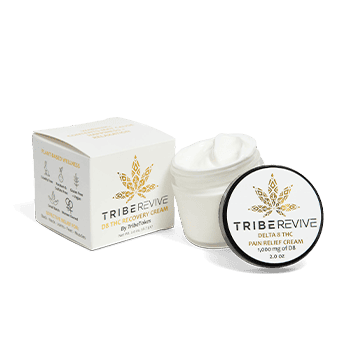
A CBD topical and a CBD gummy answer different questions. A cream is applied to one area and acts where it is placed. A gummy or tincture puts cannabidiol into general circulation, where it reaches everything at once. Neither is a weaker version of the other, and neither substitutes for the other. Tennessee readers choosing between them are really choosing between a local tool and a whole-body one, and the useful question is not which is stronger but whether the thing you are thinking about sits in one place or everywhere. Good news for Tennessee: TribeTokes ships CBD oil, CBD gummies and pain cream right to your door, with standard shipping in 2 to 5 business days.
The CBD Lineup for Tennessee
-
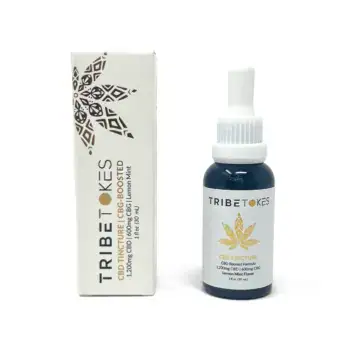
 THC-Free CBD Oil Tincture 1,800mg | CBG-BoostedStarting from: $50.00 SHOP NOW This product has multiple variants. The options may be chosen on the product page
-
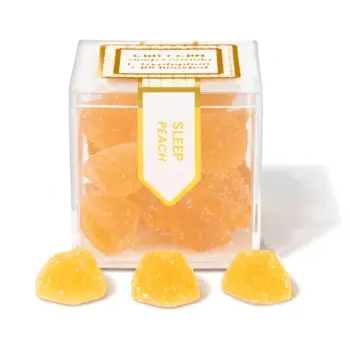
CBD + CBN Sleep Gummies | With L-Tryptophan + Vitamin B6Starting from: $45.00 SHOP NOW This product has multiple variants. The options may be chosen on the product page
-
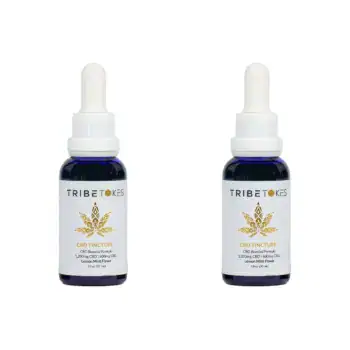
Save $10: You Pick 2 Tinctures | Build Your Own BundleOriginal price was: $100.00.$90.00Current price is: $90.00. SHOP NOW This product has multiple variants. The options may be chosen on the product page
Is CBD Legal in Tennessee?
Yes. Hemp-derived CBD is legal in Tennessee, and non-intoxicating CBD oil, CBD gummies and CBD creams are sold across the state. Tennessee’s newer hemp rules, overseen by the state Alcoholic Beverage Commission, are aimed mainly at intoxicating THC products. If you’re winding down at night, our CBN in Tennessee and CBG in Tennessee pages cover the other non-intoxicating options. For most Tennessee shoppers, the real question is format, not legality. The decision is usually obvious once it is framed correctly. One knee, one shoulder, one patch of skin after a long day standing: that is a local situation, and a cream keeps the cannabidiol where the situation is. Anything not attached to a single location is a whole-body situation, and no amount of topical will reach it. People often try to answer a systemic question with a jar of cream, conclude that CBD does nothing, and stop there. The mismatch was the route, not the compound, and swapping to an oral dose is the test that separates the two.
CBD Across Tennessee
Skin is a barrier by design, and a topical has to work with that rather than against it. A preparation must cross the outermost layer to reach the tissue below, which is why formulation matters at least as much as milligram count: base oils, emulsifiers and penetration aids all change how far it travels. What a topical is largely not doing is entering general circulation the way a swallowed dose does. That is the point of the format rather than a shortcoming, and it is also why Does CBD Cream Show Up on a Drug Test? has a different answer from the same question asked about a gummy.
CBD, by Format
Sorted by reach rather than by shelf position, the range splits cleanly in two. Gummies, tinctures and oils are systemic: absorbed, then circulated, then everywhere. Creams and balms are topical: applied, then largely local. No format is both, and no amount of one converts into the other. Choosing well means naming the situation first and the product second, which is the reverse of how most product pages present it. The comparison in CBD Cream vs CBD Gummies works through the same split in more detail.
- Gummies: pre-measured, easy daily habit.
- Tinctures: adjustable amounts, faster under the tongue.
- Topicals: applied to one area rather than taken internally.
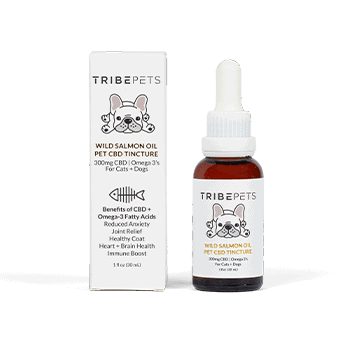
- Pets: oils made for dogs and cats.
How Much CBD to Take
Topicals and systemic products are dosed by different logic, and applying one logic to the other is where people get stuck. A gummy has a serving figure you can hold steady and judge over several days. A cream has a jar total and no serving at all, so the practical measure is coverage: enough to work into the area properly, reapplied when it wears off rather than layered thicker on top. If you use both, keep them on separate schedules for the first week, or you will have no way of telling which one you are noticing.
What Localised Actually Means
Localised is one of those words that gets used loosely enough to stop meaning anything. In the context of a topical it means something specific: the cannabidiol crosses the outer layer of skin, reaches the tissue immediately below, and largely stays there rather than entering general circulation and travelling. The consequence is that a topical acts on the area you put it on and nowhere else, which is either exactly what you wanted or completely useless depending on the situation.
This is why the first question is always where rather than how much. Something confined to one joint, one muscle, one patch of skin is a local situation. Something you would describe without pointing at a part of your body is not, and no jar of cream is going to address it. Tennessee readers who have tried a topical and concluded that CBD is overhyped should check which of those two situations they were actually in before writing the category off.
Applying a Topical: Area, Amount and Reapplication
Application technique matters more with topicals than with any other format, because the product only works where it makes contact and only if it is absorbed. Work it into the area properly rather than resting it on the surface. Cover the whole area rather than a spot in the middle of it. And give it a minute before covering the skin with clothing, since anything that comes off on fabric is not going in. None of this is complicated and most people do at least one part of it badly.
Reapplication beats a thicker layer. Skin takes up only so much at a time, so doubling the amount in one go mostly produces waste rather than a stronger effect. A consistent interval, applied as it wears off, is the version that gives you something to judge. Keep the routine the same for a week before deciding, and if you have reacted badly to creams before, patch test first. A topical carries carriers, emulsifiers and often fragrance as well as cannabidiol.
Systemic Routes: Gummies, Tinctures and Oils
Everything swallowed or held under the tongue is systemic. It is absorbed, enters circulation and reaches the whole body, which means a lower concentration at any one place and a much wider reach overall. Onset is slower than a topical’s local effect and duration is longer, and the whole thing behaves as a background level rather than a targeted intervention. That is the shape of the trade: reach in exchange for concentration.
Because a systemic dose accumulates in a way a topical does not, consistency matters more here. A single gummy tells you very little; several days at the same serving tells you something. This is also the route the clinical literature has looked at most, and the review A Balanced Approach for Cannabidiol Use in Chronic Pain is a reasonable entry point for readers who want the medical framing of how cannabidiol is used and discussed rather than a product page’s version of it.
Using Both Without Confusing Yourself
There is no reason a topical and an oral product cannot be used together, and plenty of people do exactly that. The problem is not interaction, it is attribution. Start both in the same week and you will have two variables and one result, which tells you nothing about either. That is how people end up carrying on with a product indefinitely without ever knowing which one, if any, is worth continuing.
The fix is dull and effective. Introduce one, hold it steady for a week, write down what you notice, then add the second and hold that. If you later drop one, drop it on its own rather than alongside anything else. The same discipline applies to changing a formulation, a strength or a brand. One change at a time is the only way a personal trial produces information rather than an impression.
What Else Is in a Topical
A topical is a formulation rather than a cannabinoid in a jar, and most of what is in it is not cannabidiol. Base oils, water, emulsifiers to hold the two together, thickeners, preservatives and often botanical extracts or essential oils all share the container. Those ingredients determine how it feels, how fast it absorbs, how long it lasts on skin and, importantly, whether your skin gets on with it at all. A reaction to a topical is at least as likely to come from that list as from the cannabidiol.
Aromatic terpenes are part of that picture too, and their composition in cannabis varies by cultivar and even between different parts of the same plant, which researchers have mapped by gas chromatography in work such as Identification of Terpene Compositions in the Leaves and Inflorescences of Hybrid Cannabis Species Using Headspace-Gas Chromatography/Mass Spectrometry. For anyone comparing two creams with identical cannabidiol totals, the ingredient list rather than the milligram figure is usually where the difference lives.
Judging a Topical Over Two Weeks
A topical gives you a faster read than an oral product, because it acts locally and there is no accumulation to wait for, but people still tend to judge it on a single application. Two weeks is a reasonable window. Use it on the same area, at a consistent interval, and note what you notice each time rather than at the end, since memory smooths a fortnight into a single vague impression. Change nothing else during that period, including the oral product if you are running one.
At the end of it you will have something worth reading: whether the effect is there at all, how long it lasts, and how often it needs reapplying to hold. That is enough to decide. It is also enough to tell you whether the mismatch was route rather than product, which is the single most common reason people give up on the category. Our answers on CBD cream and arthritis, CBD cream and knee pain and Can You Vape CBD Oil? cover three of the questions Tennessee readers ask most at that point. More from our Tennessee pages: hemp products in Tennessee, THC gummies in Tennessee, Delta 8 THC in Tennessee, THCa flower in Tennessee and THCa vapes in Tennessee.
Frequently Asked Questions
Very little of it does, and that is the design rather than a failing. A topical is built to move cannabidiol across the outer layer of skin into the tissue immediately beneath, then stop. If you want a whole-body effect, an oral or sublingual dose is the route that provides it; a cream will not get there however much you use.
Every batch goes to an independent laboratory and the Certificate of Analysis is published, the same as any other format. What differs is which figure you use. A topical is usually stated as a total for the jar rather than per serving, so the report tells you what is in the container rather than what is in one application.
Start with whichever matches the situation. A single sore area after a long day is a topical question. Anything you would describe as general rather than local is an oral one. Starting with the wrong route is the most common reason people decide CBD does nothing for them.
Reach. A topical acts on the area it is applied to and largely stays there. A gummy is absorbed through the gut and circulates, so it reaches the whole body at a lower concentration anywhere in particular. They are different tools rather than different strengths of the same tool.
Enough to cover the area and be worked in until it is absorbed, rather than a measured milligram figure. Topicals are not dosed per serving, which is why jars list a total rather than a per-use amount. Coverage and consistent reapplication matter more than thickness.
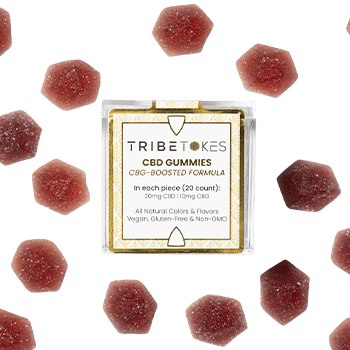
Yes, hemp CBD gummies are legal in Tennessee. They’re non-intoxicating, and TribeTokes CBD gummies come in measured servings with a batch lab report you can check before you buy. If you want a whole-body option rather than a cream for one sore spot, a CBD gummy is the simplest place to start.
People do, and the two are working on different problems, so there is no conflict in principle. The practical caution is about self-assessment: starting both in the same week leaves you unable to tell which one you are responding to. Introduce one, hold it for a week, then add the other.
You can buy CBD oil online from TribeTokes and have it delivered across Tennessee, with standard shipping in 2 to 5 business days. Nashville, Memphis, Knoxville and Chattanooga orders all ship the same way, and every tincture’s lab report sits on its product page, so you can check potency before you order.
Mostly the base. Creams are emulsions of oil and water and absorb faster. Balms and salves are largely oil and wax with little or no water, so they sit on the surface longer and feel heavier. The cannabidiol is the same molecule in all three; the base changes how it feels and how quickly it goes in.
Yes, hemp-derived CBD is legal in Tennessee. CBD oil, CBD gummies and CBD creams made from hemp are sold across the state, and the newer hemp rules overseen by the Alcoholic Beverage Commission target intoxicating THC products. Every TribeTokes CBD batch is third-party lab tested, with its Certificate of Analysis posted online.
No. A topical needs contact with skin to cross the barrier at all, so it goes on directly and is worked in until absorbed. Applying it over a dressing or through fabric does nothing. Our answer on Does CBD Cream Absorb Through Skin? covers what has to happen for a preparation to get anywhere.
Keep exploring: head back to all TribeTokes in Tennessee, shop all CBD, browse the full cannabinoid collections, or view our lab results. Shopping for a neighboring state? See CBD in Mississippi.
These statements have not been evaluated by the FDA. TribeTokes products are not intended to diagnose, treat, cure, or prevent any disease. Not for use by anyone under 21, or by those who are pregnant or nursing. All products contain less than 0.3% hemp-derived Delta-9 THC by dry weight.