
CBN in Tennessee
A CBN panel answers more questions than the front of the package does, provided you read it in the right order. Per serving before per container. CBN on its own line before any total cannabinoid figure. Batch code before anything else, because that code is what connects the package in your hand to a lab report. This page walks a Tennessee reader through a CBN gummy or tincture panel line by line, including the label words that carry no evidentiary weight at all.
The CBN Lineup in Tennessee
-
 CBN Tincture 1,800mg | CBD-Boosted | Nighttime FormulaStarting from: $50.00 SHOP NOW This product has multiple variants. The options may be chosen on the product page

-
CBD + CBN Sleep Gummies | With L-Tryptophan + Vitamin B6Starting from: $45.00 SHOP NOW This product has multiple variants. The options may be chosen on the product page

-
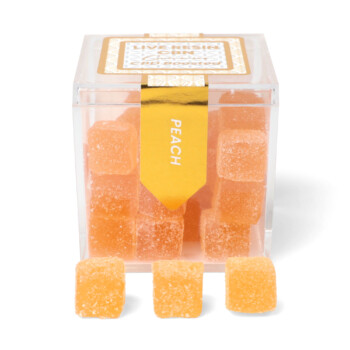
CBN Gummies with Live Resin | CBD-BoostedStarting from: $45.00 SHOP NOW This product has multiple variants. The options may be chosen on the product page
What CBN Is and Where It Comes From
Cannabinol is a minor cannabinoid formed as THC degrades, and it is non-intoxicating at the amounts consumer formulas use. Hemp cannabinoid rules differ from state to state and change over time, so check current Tennessee guidance rather than relying on a general statement. On the label itself the useful distinction has nothing to do with that. It is whether the numbers printed are targets the formula was built toward or measurements a lab actually took.
CBN for Sleep and Recovery
One category of label language deserves separate handling: the words. Night, PM, rest and evening are positioning terms, not established effects. Cannabinol and Sleep: Separating Fact from Fiction was written to sort that reputation from the data behind it, and the data is thin, a handful of small and dated human studies with results that did not agree. A label can be completely accurate about milligrams and still imply something no research has shown.
CBN vs CBD
The CBD line on the same panel usually carries a bigger number and a much bigger literature behind it. Reading both figures together tells you which ingredient the formula actually leans on. What CBN is doing inside a gummy covers the composition question, and the question of which CBN is best turns out to be a panel-reading question wearing a different hat.
- Gummies: pre-measured, the easy nightly habit.
- Oils: adjustable amounts, faster under the tongue.
- Paired with CBD: the two are commonly formulated together.
- Timing: take it about an hour before bed.
How Much CBN to Take
Serving amounts on CBN products cluster inside a narrow band, and no trial produced that band. Take the per-serving CBN figure, multiply it by the servings you actually take, and compare that against the certificate rather than the marketing. How much CBN to take has no evidence-based answer yet, which leaves the panel as the only firm ground in the whole decision.
Per Serving Versus Per Container
The first number on most CBN packages is the one that describes the whole container, because it is the biggest number the format allows. It is also the least useful for deciding anything. What matters is the per-serving figure and the definition of a serving, which sits in small type and sometimes covers two gummies rather than one.
Tinctures complicate this further, since a serving is usually defined as a full dropper while most people use a partial one. A bottle stating a total cannabinoid amount and a serving size in millilitres is asking you to do arithmetic before you know what you took. Doing that arithmetic once, at the start, makes every later comparison between products meaningful instead of approximate.
Front-of-package figures deserve the same check. A number printed in large type on the front is often the container total, and it is not always labelled as such. Comparing a front-of-package figure on one product against a per-serving figure on another produces a difference that exists only on paper. Whenever two formulas look wildly different on their front labels, the panels usually explain most of that gap.
Finding the CBN Number Among the Others
Panels vary in how much they separate out. The clearest ones name each cannabinoid with its own milligram figure. Others print a single total cannabinoid line and rely on the front label to imply what is inside. A total figure can be entirely truthful and still conceal that CBN makes up a small fraction of it.
When the panel does not separate them, the certificate of analysis does. Every properly issued report lists cannabinoids individually with measured concentrations, which converts an implication into a number. If neither the panel nor a batch report gives CBN its own line, the honest conclusion is that nobody has told you how much is in there.
Matching the Batch Code to the Certificate
A certificate of analysis describes one production run and nothing else. That is why the batch or lot code on the package is the anchor for the whole exercise. Locate it first, then confirm the report you are reading carries the same code and a test date consistent with the product’s manufacture.
A report from a different batch is not evidence about the item in front of you, however good the numbers look. This is the single check most people skip, and it is the one that separates a verified decision from a trusting one. Any brand printing batch codes and publishing matching reports has made the check easy on purpose.
Test dates deserve the same attention as batch codes. A report issued long before a product reached anyone describes material that has aged since, and a report carrying no date at all is not doing the job a certificate exists to do. Reading the date alongside the batch code takes a few seconds and catches most of the cases where a brand has reused an old report.
What a Full Panel Screens For Beyond Potency
Cannabinoid potency is only one section of a complete report. Residual solvent testing checks for the chemicals used during extraction. Pesticide and heavy metal screens look at what the plant absorbed while growing. Microbial testing covers contamination introduced during handling. Each of those returns a pass or fail result, and each is reported separately.
A certificate showing potency alone is telling you the label is accurate and nothing about whether the product is clean. For an ingested product that distinction is worth more than a few milligrams either way on the CBN line. Tennessee readers comparing two similar formulas will often find the real difference sits in which screens each brand bothered to run.
Label Words That Nobody Has Proven
Some parts of a label are verifiable and some are vocabulary. Milligrams, batch codes, extract type and ingredient lists can all be checked against a report. Evening, restful, calming and wind-down cannot, because they describe intention rather than a measured outcome.
Cannabinoids and Sleep: Exploring Biological Mechanisms and Therapeutic Potentials treats the therapeutic side of cannabinoid and sleep research as an area still being explored, which is the appropriate framing for language of that kind. A reader who separates the checkable half of a label from the suggestive half ends up with an accurate picture of the product, which is more than most packaging is designed to deliver.
Serving Size Is a Definition, Not a Standard
Nothing forces two brands to define a serving the same way. One may call a single gummy a serving and another may call two gummies a serving, and both panels can be accurate. That one decision moves every figure on the label, including the per-serving cannabinoid line people use to compare products. Two formulas that look far apart on the front can be nearly identical once the serving definitions are normalized, and two that look identical can be twice as far apart as they appear.
The correction is arithmetic rather than judgment. Find the servings per container, divide the container total by that figure, and check whether the result matches the per-serving line. Then compare formulas on the amount you would actually take rather than on the number a manufacturer chose to print. Tennessee readers running that conversion once across two or three products usually find at least one that reads very differently afterwards.
What the Ingredient List Adds That the Panel Does Not
The supplement panel gives amounts. The ingredient list gives identities, and it often answers questions the panel leaves open. Whether a formula uses a broad hemp extract or a named cannabinoid isolate shows up there. So does the sweetener, whether that is cane sugar, glucose syrup or a sugar alcohol. So does the gelling agent, which decides whether a gummy is gelatin-based or pectin-based, a distinction that matters to anyone avoiding animal-derived ingredients.
Ingredient lists are ordered by weight, which makes them readable in a way a panel is not. An active cannabinoid sits far down the list because a few milligrams weigh almost nothing next to the base, and that position is normal rather than a warning sign. What is worth noticing is whether the cannabinoid is named specifically at all, since a list mentioning only a broad extract has not told you which compounds are inside it. Comparing options in Tennessee? See hemp products in Tennessee, CBD in Tennessee, THC gummies in Tennessee, Delta 8 THC in Tennessee, THCa flower in Tennessee, THCa vapes in Tennessee and CBG in Tennessee.
Frequently Asked Questions
It means the amount in one unit as the manufacturer defines it, which may be one gummy, two gummies, or a full dropper. The per-container figure is that number multiplied by the servings inside, and it is the figure marketing prefers because it is larger. Confusing the two is the most common error in reading these panels.
On the certificate of analysis. A total cannabinoid figure combines everything the extract contains, so a large total tells you nothing about how much of it is CBN. The batch report breaks the total into individual cannabinoids with a measured concentration for each, which is the only place that number is verified.
Find the batch or lot code printed on the package, then confirm the certificate you are looking at carries the same code. A report for a different batch describes a different production run. Then compare the CBN concentration on the report against the amount claimed per serving, allowing for the fact that the report is usually expressed per gram or per unit rather than per serving.
A complete certificate typically covers residual solvents left from extraction, pesticides, heavy metals and microbial contamination alongside the cannabinoid profile. Potency alone confirms the label figure. The contaminant screens are what tell you about the manufacturing, and a report missing those sections is only doing half the job.
It should, and that line is one of the most useful on the page. The report lists delta-9 THC as its own entry alongside the other cannabinoids, so anyone concerned about trace THC can read the measured figure rather than inferring it from the words full-spectrum or broad-spectrum on the front label.
Full-spectrum means the extract retains the plant’s cannabinoid profile including trace THC. Broad-spectrum means the THC has been removed while some other compounds remain. Isolate means a single purified cannabinoid. The three describe what else is in the serving, and the batch report is where each claim gets checked.
Small variation between the stated amount and the measured amount is normal in any manufactured supplement, since batches differ. A large gap is the signal worth noticing. If the certificate reports substantially less of a cannabinoid than the panel claims, the panel is describing an intention rather than the batch you are holding.
They describe when the product is intended to be used. They are not claims about a demonstrated effect, and nobody has evaluated them as such. Treating that vocabulary as a performance statement imports an evidence base that the published research on CBN does not currently support.
Only if it resolves to a batch-specific report rather than a general product page or a marketing landing page. A code that leads to a certificate carrying the same lot number as the package is doing its job. A code that leads to a brand’s homepage is decoration.
Rarely in those words, but the ingredient list usually implies it. A named cannabinoid isolate or distillate in the ingredient line indicates the compound was added at a measured amount. A formula listing only a hemp extract is relying on whatever the extract happened to contain, which varies between production runs.
Related reading: CBN in Georgia, CBN in North Carolina, the TribeTokes CBN gummy formulas, and how CBN works and how much to take.
These statements have not been evaluated by the FDA. TribeTokes products are not intended to diagnose, treat, cure, or prevent any disease. Not for use by anyone under 21, or by those who are pregnant or nursing. All products contain less than 0.3% hemp-derived Delta-9 THC by dry weight.