

CBC (cannabichromene) is one of the “big six” cannabinoids found in cannabis alongside THC, CBD, CBG, CBN, and CBT. It’s non-psychoactive, it has some of the strongest preclinical anti-inflammatory data of any minor cannabinoid, and as of April 2026, zero human clinical trials have tested it. Everything published lives in animal models (mostly mice and rats) and in vitro cell studies. That doesn’t make the research worthless. It makes it directionally useful while requiring honest framing. This guide walks through every researched effect of CBC with the specific primary sources, sample sizes where applicable, and what the results actually show vs what marketing claims.
🧪 Lab Tested | 👩💼 Woman-Owned | 🏆 Est. 2017
CBC Benefits by the Research
| Human clinical trials | Zero published as of April 2026 |
| Most studied effect | Anti-inflammatory (Romano 2013, Anderson 2023, multiple in vivo) |
| Distinctive mechanism | TRPA1 agonism (Maione 2011): most selective cannabinoid at this receptor |
| Analgesic data | Effective in formalin, tail-flick, neuropathic pain rat models (Maione 2011) |
| Antidepressant-like | Forced swim test, mice, 20 mg/kg (El-Alfy 2010) |
| Neurogenesis | Promotes neural stem cell survival in adult mouse brain (Shinjyo 2013) |
| Anti-acne | Sebostatic + anti-inflammatory in human sebocytes in vitro (Oláh 2016) |
| Antibacterial | Active against MRSA strains (Appendino 2008, also tested all major cannabinoids) |
| Psychoactive? | No. Binds CB1 weakly; does not produce intoxication |
| Primary review reference | Sepulveda et al. 2024, J Pharmacol Exp Ther 391(2):206-213 |
What Is CBC?
Cannabichromene (CBC) is a cannabinoid produced by the cannabis plant. Like CBG and CBD, it comes from CBGA (the “mother cannabinoid”) through enzymatic conversion during the plant’s maturation. CBGA gets converted into CBCA, which then converts to CBC when exposed to heat, time, or UV light.
CBC is present in small amounts in most cannabis flower, typically 0.5 to 1% of total cannabinoids in commercial strains, with some specialty-bred varieties pushing that higher. It’s categorized as one of the “big six” major cannabinoids alongside THC, CBD, CBG, CBN, and CBT (the last of which is even rarer), though “major” here refers to research attention rather than plant abundance.
CBC does not produce a high. It binds the CB1 cannabinoid receptor weakly, and at typical doses it doesn’t produce the intoxication associated with THC. What makes CBC pharmacologically distinctive is its strong and selective activity at the TRPA1 channel (ankyrin-type transient receptor potential channel type 1), which is involved in pain sensing, inflammation, and temperature regulation. More on that below.
The State of CBC Research in 2026
Let’s be direct about where the evidence sits. The 2024 therapeutic review by Sepulveda and colleagues in the Journal of Pharmacology and Experimental Therapeutics (volume 391, issue 2, pages 206-213, PMID 38777605, DOI 10.1124/jpet.124.002166) is the current authoritative summary of CBC research. The authors concluded that CBC shows “promising therapeutic potential” as an anti-inflammatory, anti-microbial, anticonvulsant, and antidepressant agent, while emphasizing that “further studies are needed to conclusively determine its safety and efficacy in humans.”
Translation: as of April 2026, every published CBC benefit claim is based on one of the following kinds of evidence:
- Cell culture (in vitro) studies: CBC tested on isolated cells like macrophages, keratinocytes, neural stem cells, or sebocytes
- Animal (in vivo) studies: CBC tested in mice, rats, or zebrafish across inflammation, pain, seizure, or behavioral models
- Mechanistic studies: How CBC interacts with specific receptors (TRPA1, CB1, CB2, etc.) in laboratory preparations
There are no human randomized controlled trials, no Phase 1/2/3 clinical studies, and no FDA-approved CBC medications. The review by Sepulveda et al. explicitly called this out: “Human safety and efficacy studies are notably lacking despite the fact that CBC is widely utilized over the counter in topical and oral products.” That’s the honest starting point for any CBC benefit article.
What the preclinical data does give us is direction: CBC has genuinely interesting activity at TRPA1 and in anti-inflammatory systems that suggests it may have real therapeutic potential. Whether that translates to humans, and at what doses, isn’t established.
Anti-Inflammatory Effects (Strongest Evidence)
Anti-inflammatory activity is the most thoroughly characterized CBC effect. Multiple independent studies across different inflammation models have shown consistent anti-inflammatory signals.
Romano et al. 2013 (murine colitis model)
Romano and colleagues published in the British Journal of Pharmacology that CBC reduced nitric oxide production in LPS-stimulated macrophages and ameliorated murine colitis in a dinitrobenzene sulfonic acid (DNBS) model. The paper is a cornerstone reference for CBC anti-inflammatory activity, and it specifically identified CBC as a TRPA1 agonist in the gut.
Anderson et al. 2023 (arthritis inflammation)
A 2023 study (PMID 37332213) investigated CBC and CBD alone and in combination for arthritis-related inflammation. CBC demonstrated anti-inflammatory activity, and the combination with CBD produced a greater effect than either cannabinoid alone. The paper implicated MAPK pathway activation as part of the mechanism, with CB1, CB2, and/or TRPA1 involvement depending on the preparation.
Multiple in vivo edema models
CBC has been tested repeatedly in carrageenan-induced paw edema models in mice and rats, a standard inflammation assay. Treatment reduced edema and inhibited key inflammatory markers: iNOS, IL-1β, IL-6, and TNF-α at both mRNA and protein levels.
Practical honest takeaway
The preclinical evidence for CBC as an anti-inflammatory agent is more consistent than for most minor cannabinoids. If CBC ever reaches human clinical trials, inflammation is where the translational expectation is strongest. That said, animal inflammation data doesn’t guarantee human therapeutic effect, and no human trial has validated CBC for any inflammatory condition.
Pain Relief via TRPA1 (Maione 2011)
The pain research is where CBC’s unique pharmacology shows up most clearly. Maione and colleagues published “Non-psychoactive cannabinoids modulate the descending pathway of antinociception in anaesthetized rats through several mechanisms of action” in the British Journal of Pharmacology in 2011. The study tested CBD and CBC in anesthetized rats using neuronal recordings in the ventrolateral periaqueductal grey region and tail-flick latency measurements.
Key findings
- Analgesic effects were maximal at 3 nmol CBD and 6 nmol CBC (injected into the periaqueductal grey)
- The analgesia was antagonized by selective antagonists of CB1, adenosine A1, and TRPA1 receptors, but not by TRPV1 antagonists
- This is the first clear demonstration that CBC’s analgesic action involves TRPA1 activity, CB1 receptors, and adenosine A1 signaling
Further research confirmed that CBC is the most potent and selective TRPA1 agonist among the non-psychoactive plant cannabinoids, with an EC50 of approximately 90 nM in standard preparations. That’s a pharmacologically meaningful level of activity.
Additional animal pain models have shown CBC effectiveness in the inflammatory phase of the formalin test (a standard assay), in tail-flick thermal pain, and in neuropathic pain preparations. The 2024 Sepulveda review noted that CBC at 20 mg/kg demonstrates a “broad range of anti-nociceptive uses” in animal studies.
What this actually means
CBC’s mechanism at TRPA1 matters because TRPA1 is a validated target for human pain research. Several pharmaceutical companies have developed TRPA1 antagonists as pain drug candidates. CBC’s activity at this receptor is real and pharmacologically characterized. Whether CBC as delivered in commercial hemp products produces meaningful human analgesia is a different question with no direct human data to answer it.
Antidepressant-Like Effects (El-Alfy 2010)
The antidepressant claim rests on a single 2010 study and has not been replicated in subsequent independent studies as of this writing.
The study
El-Alfy and colleagues published “Antidepressant-like effect of Δ9-tetrahydrocannabinol and other cannabinoids isolated from Cannabis sativa L.” in Pharmacology, Biochemistry, and Behavior in 2010 (volume 95, issue 4, pages 434-442). The study used the mouse forced swim test (a standard antidepressant screening assay) and tail suspension test.
Cannabichromene at 20 mg/kg produced significant antidepressant-like effects in the forced swim test, reducing immobility time compared to control. That result placed CBC alongside THC among cannabinoids with positive signals in the assay.
Honest caveats
This is a single animal study from 2010. The forced swim test is a screening assay that flags compounds for further investigation; it’s not a validation of clinical antidepressant efficacy. The Sepulveda 2024 review explicitly characterized the antidepressant evidence as “only preliminary single study; requires validation.”
If you’ve seen “CBC for depression” claims in marketing, they’re almost certainly tracing back to this El-Alfy 2010 finding. That’s one data point, in mice, at a dose that’s hard to translate to humans, without replication. It’s real research, but it’s thin evidence for consumer therapeutic claims.
Neurogenesis and Neural Stem Cells (Shinjyo 2013)
One of CBC’s more intriguing research findings is its effect on adult neural stem cells. Shinjyo and Di Marzo published “The effect of cannabichromene on adult neural stem/progenitor cells” in Neurochemistry International in 2013 (PMID 23941747).
Key findings
- CBC promoted the viability of adult mouse neural stem/progenitor cells (NSPCs) during differentiation in vitro
- CBC stimulated ERK1/2 phosphorylation (a key cellular signaling pathway)
- The effect was counteracted by the selective adenosine A1 receptor antagonist DPCPX, indicating adenosine signaling involvement
- CBC inhibited differentiation of NSPCs into astroglia, favoring neuronal lineage
Why this matters
Adult neurogenesis (new neuron formation in the brain) is implicated in depression, cognitive function, and recovery from brain injury. Compounds that support neural stem cell survival and neuronal differentiation could theoretically have neuroprotective or cognitive benefits. Subsequent work has extended Shinjyo’s findings with additional in vitro evidence that CBC can induce neuronal differentiation in NSC-34 cell lines.
However, all of this is in vitro. No animal behavioral study has demonstrated cognitive or neurological benefits of CBC tied to neurogenesis, and no human study has been performed. This is promising basic science that hasn’t been translated to clinical outcomes.
Acne and Skin (Oláh 2016)
CBC’s effects on skin cells are one of the few areas where human cell lines (rather than animal or rodent cells) have been studied. Oláh and colleagues published in 2016 (PMID 27094344) testing CBC and several other non-psychotropic cannabinoids (CBDV, CBG, CBGV, THCV) on human sebocytes (sebum-producing skin cells).
Key findings
- CBC and THCV suppressed basal sebaceous lipid synthesis (sebum production)
- CBC significantly reduced arachidonic acid-induced “acne-like” lipogenesis
- All tested phytocannabinoids showed “remarkable anti-inflammatory actions” in sebocytes
- The authors concluded CBC “shows promise” as an anti-acne agent
The translation question
In vitro sebocyte research is a reasonable starting point for acne treatment development. The effects Oláh observed are the kinds of changes you’d want to see from an acne-targeting compound: reduced sebum, reduced inflammation. But in vitro results don’t guarantee topical efficacy in real human skin, and no topical CBC acne formulation has been tested in a randomized clinical trial. Products marketed as “CBC for acne” are extrapolating from one in vitro study, not from clinical evidence.
Antibacterial Activity (Appendino 2008)
CBC shares the general antibacterial profile of the major cannabinoids. Appendino et al. 2008 in the Journal of Natural Products tested CBD, CBC, CBG, THC, and CBN against MRSA strains and found all five compounds showed potent activity at laboratory-relevant concentrations. CBC was among the active compounds, with effectiveness against antibiotic-resistant gram-positive bacteria.
The 2024 Sepulveda review noted that CBC shows “comparable antibacterial activity to streptomycin against gram-positive bacteria,” is “notably active against methicillin-resistant Staphylococcus aureus (MRSA),” but is “much less effective against gram-negative bacteria.”
Honest caveat: this is all in vitro activity in petri dishes. No clinical trial has tested CBC as an antibacterial treatment in humans. Cannabinoid antibacterials remain an interesting research area, but not a proven therapeutic category.
Anti-Seizure Evidence
CBC has shown anticonvulsant activity in animal seizure models. A 2021 study (Anderson et al., cited in the Sepulveda 2024 review) found CBC was as effective as CBD at reducing seizures in Scn1a-deficient mice (a genetic model of Dravet syndrome, the same pediatric epilepsy indication that Epidiolex is FDA-approved for). CBC has also shown effectiveness in zebrafish seizure models at lower doses than CBD required.
Interestingly, CBC was ineffective in electroshock-induced seizure tests, suggesting its anticonvulsant activity may be specific to certain seizure mechanisms rather than broadly effective across all seizure types.
No human trial has tested CBC for epilepsy. Anyone considering cannabinoid-based treatment for a seizure disorder should be talking to a neurologist about Epidiolex (the FDA-approved CBD), not self-administering CBC.
How CBC Works: The Mechanism
CBC’s pharmacology spans several receptor systems, with activity at TRPA1 as its most distinctive feature.
- TRPA1 agonist: CBC is the most potent and selective TRPA1 agonist among non-psychoactive cannabinoids, with EC50 around 90 nM. TRPA1 is involved in pain sensing, inflammation, and cold sensation. This is CBC’s signature mechanism
- Weak CB1 partial agonism: CBC binds the CB1 receptor weakly. This is part of why it’s non-psychoactive. Some CBC effects (notably the Maione 2011 analgesic findings) involve CB1 activity, but it’s not the primary binding site
- CB2 interaction: CBC engages the CB2 receptor (primarily in immune tissue and gut), contributing to its anti-inflammatory effects in macrophages and gut immune cells
- Adenosine A1 receptor: Adenosine signaling is involved in CBC’s analgesic effects and its effects on neural stem cells (Shinjyo 2013)
- Anandamide reuptake inhibition: CBC may prolong the activity of endogenous anandamide by slowing its reuptake, indirectly enhancing endocannabinoid tone
- MAPK pathway modulation: CBC’s anti-inflammatory effects involve MAPK pathway modulation, though the precise upstream receptor interactions are still being characterized
The multi-target pharmacology is common to most minor cannabinoids (see our CBG benefits guide for a parallel example). It’s also why translating a single “mechanism of action” for CBC is difficult: it does several things at once, and the relative contribution of each pathway depends on the specific effect being studied.
CBC vs CBD: Quick Comparison
| Property | CBC | CBD |
|---|---|---|
| Psychoactive? | No | No |
| Primary distinctive receptor | TRPA1 (strongest selective agonist among cannabinoids) | CB1 negative allosteric modulator + 5-HT1A |
| Human clinical trials | Zero published | Dozens, plus FDA-approved Epidiolex |
| FDA-approved drug | None | Epidiolex (2018, for epilepsy) |
| Strongest preclinical area | Anti-inflammatory (animal + in vitro) | Anxiety, epilepsy, inflammation (human + animal) |
| Pain mechanism | TRPA1 agonism + CB1 + adenosine A1 | Indirect via TRPV1 desensitization + anandamide |
| Plant abundance | <1% in most mature flower | Dominant in hemp cultivars |
| Cost per mg | Similar to CBG (premium) | Lowest-cost cannabinoid |
For the fuller picture on CBD specifically including the FDA-approved Epidiolex context, read our CBD vs THC guide. For the format decision (full spectrum vs broad spectrum vs isolate), see our spectrum comparison guide. For the parallel cannabinoid comparison, CBG vs CBD covers another minor cannabinoid next to CBD.
Dosing: Research Data vs Commercial Reality
CBC dosing in the research literature is almost entirely mg/kg in animal studies. Translating animal doses to human equivalents is an approximation at best, and for compounds without human data it’s an approximation that shouldn’t be relied on for therapeutic dosing.
| Effect | Research Dose (Animal) | Source | Typical Commercial Product |
|---|---|---|---|
| Anti-inflammatory (carrageenan) | Varied; commonly 10-20 mg/kg | Multiple in vivo studies | 2-10mg per serving |
| Analgesic (local injection) | 6 nmol intra-periaqueductal grey | Maione 2011 | Not applicable (oral products) |
| Antidepressant-like | 20 mg/kg oral, mouse | El-Alfy 2010 | 2-10mg per serving |
| Human equivalent doses | Not established. Safe human doses unvalidated | ||
The practical reality: commercial CBC products typically contain 2 to 10mg per serving, which is well below anything directly comparable to the animal research doses (which would equate to hundreds of milligrams or more in a human-weight-adjusted translation). This doesn’t mean low-dose CBC products can’t work for some people; it means the effective dose in humans isn’t known, and the product-level dose is usually much lower than research-comparable levels.
For acne or localized skin applications, topical CBC may act locally at concentrations not dependent on systemic dosing, which is a different use case from oral products aiming at systemic effects.
Side Effects and Drug Interactions
CBC’s safety profile is less characterized than CBD’s because it hasn’t been tested in humans. Based on animal studies and the preclinical profile, CBC appears to be generally well-tolerated, but data gaps are large.
Known or plausible side effects
- Mild dry mouth (common to cannabinoids)
- Possible drowsiness at higher doses (inconsistent reports)
- Gastrointestinal effects possible in a subset of users
- No serious adverse events reported in the animal studies at research doses
Drug interactions
CBC, like CBD, has potential to interact with cytochrome P450 metabolic enzymes, though this hasn’t been characterized as thoroughly as for CBD. Out of caution, the same recommendation applies: if you take prescription medications (particularly blood thinners, seizure medications, immunosuppressants, or certain antidepressants), ask your doctor or pharmacist before starting any CBC product. The absence of a characterized interaction profile is a data gap, not a safety signal that interactions don’t exist.
A 2022 study tested whether CBC and CBCA interacted with ABCG2 and ABCB1 drug transporter proteins (which are involved in how medications cross biological membranes), finding some activity that could theoretically affect the distribution of co-administered medications. That’s another reason to loop in a healthcare provider if you’re on prescriptions.
Legal Status and Drug Tests
Hemp-derived CBC is within the federal hemp definition in the United States under federal hemp law, as long as the source plant contains less than 0.3% delta-9 THC by dry weight. CBC is not scheduled as a controlled substance, and it’s not targeted specifically by the November 12, 2026 federal hemp redefinition (H.R. 5371 Section 781), which primarily affects intoxicating hemp products. For the broader federal context, see our Delta-8 legal states guide.
For drug testing, pure CBC isolate with a certificate of analysis showing 0 detectable THC should not trigger a positive workplace test. Standard drug tests target THC-COOH (the delta-9 THC metabolite), and CBC isn’t the tested molecule. Full-spectrum CBC products, like full-spectrum CBD and CBG products, can contain trace delta-9 THC that may produce a positive test with regular use. For the full drug-test picture, read our guides on CBD and drug tests and Delta-8 and drug tests.
-
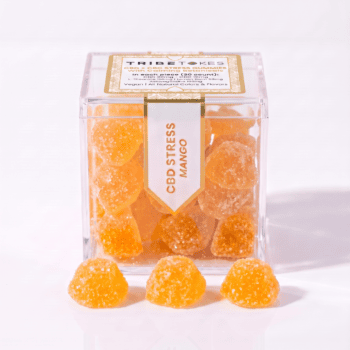
 CBD Gummies for Stress: 30mg CBD + ...Starting from: $45.00 SHOP NOW This product has multiple variants. The options may be chosen on the product page
-
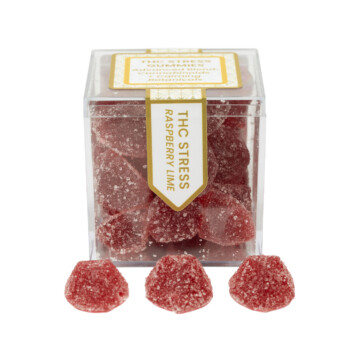
THC Stress Gummies | THC, CBD, CBC ...Starting from: $45.00 SHOP NOW This product has multiple variants. The options may be chosen on the product page
Frequently Asked Questions
Based on preclinical research, CBC has the strongest evidence for anti-inflammatory activity (Romano 2013, Anderson 2023, multiple in vivo inflammation models) and analgesic effects via TRPA1 receptor activity (Maione 2011). Additional research has documented anti-acne effects in human sebocytes (Oláh 2016), antibacterial activity against MRSA (Appendino 2008), and antidepressant-like effects in the mouse forced swim test (El-Alfy 2010). As of April 2026, zero human clinical trials have tested CBC, so all evidence is preclinical.
No. CBC binds the CB1 cannabinoid receptor (the one responsible for THC’s high) only weakly, and it does not produce intoxication at typical doses. Its most distinctive receptor activity is at TRPA1 channels, which are not associated with psychoactive effects. The 2024 Sepulveda review in the Journal of Pharmacology and Experimental Therapeutics categorizes CBC as non-psychoactive.
In animal studies, yes. Maione et al. 2011 in the British Journal of Pharmacology demonstrated that CBC produced analgesic effects in anesthetized rats through TRPA1 agonism, CB1 receptor activity, and adenosine A1 signaling. CBC is the most potent and selective TRPA1 agonist among non-psychoactive cannabinoids (EC50 around 90 nM). Whether the animal analgesic effects translate to meaningful human pain relief at commercially available doses has not been tested in any human clinical trial.
CBC and CBD share some mechanisms (both are non-psychoactive, both engage TRP channels) and differ on others. CBC’s distinctive activity is at TRPA1 (CBC is the most selective cannabinoid TRPA1 agonist). CBD’s distinctive activity is as a negative allosteric modulator at CB1 and a 5-HT1A agonist. Evidence-wise, CBD has far more research including FDA-approved Epidiolex and dozens of human trials. CBC has zero human trials. For anti-inflammatory effects specifically, the Anderson 2023 arthritis study found CBC + CBD combination produced greater anti-inflammatory effect than either alone, suggesting complementary mechanisms.
No validated human dose has been established. Animal research typically uses 10-20 mg/kg doses (El-Alfy 2010 used 20 mg/kg for antidepressant effects), but animal-to-human dose translation for compounds without human safety data is unreliable. Commercial CBC products contain 2-10mg per serving, which is well below anything directly comparable to the animal research. Start at the product’s labeled serving size and give it consistent use before evaluating effects.
Hemp-derived CBC is within the federal hemp definition in the United States under federal hemp law, provided the source plant contains less than 0.3% delta-9 THC by dry weight. CBC is not a scheduled controlled substance. The November 12, 2026 federal hemp redefinition (H.R. 5371 Section 781) primarily targets intoxicating hemp products; non-intoxicating CBC products are expected to remain legal, though regulations are evolving.
Picking a CBC Product
CBC occupies an interesting spot in the minor cannabinoid market. The research is strong directionally (anti-inflammatory, TRPA1 activity) but thin on human data. Most consumer products contain low doses (2-10mg per serving), which may or may not produce effects in any given person. If you want to experiment with CBC, the pragmatic approach is to look for full-spectrum or broad-spectrum products that include CBC alongside CBD, since most of the interesting research findings involve either CBC alone at animal-research doses or CBC in combination with other cannabinoids.
Whatever product you choose, verify the actual CBC content via the brand’s third-party certificate of analysis. CBC content is often underreported or unreported on consumer products. TribeTokes publishes full cannabinoid profiles for every batch, so you can see exactly what you’re getting.
For the broader minor cannabinoid picture, our CBG benefits guide and CBN vs CBD for sleep guide cover the other minor cannabinoids with evidence-based framing. For the science behind cannabinoid-terpene combinations in full-plant products, our entourage effect guide is the companion reference. For delivery-method bioavailability (which applies to CBC the same as CBD), see our CBD bioavailability guide. And for how terpenes often co-deliver with CBC in full-spectrum products, the terpenes guide breaks down the common ones.
Lab tested. Transparent. Research-aligned claims only.
Shop TribeTokes Lab-Tested Hemp Products
Full third-party COAs on every batch. Woman-owned since 2017. Research-aligned cannabinoid dosing.