
CBD in South Carolina
Most CBD products are not cannabidiol on its own. A hemp extract carries a group of minor cannabinoids alongside it, and formulators increasingly name them on the front of the package: CBG, CBN, sometimes CBC, plus the trace THC that comes with the plant. Each is a separate molecule with its own behaviour, not a variant strength of CBD. South Carolina readers looking at something labelled CBD plus CBN, or CBD plus CBG, are looking at a formulation decision rather than a potency decision, and the lab report is where that decision becomes legible. We ship our full CBD lineup to South Carolina addresses, from tinctures to gummies to pain cream, and standard shipping takes 2 to 5 business days.
The CBD Lineup for South Carolina
-
 THC-Free CBD Oil Tincture 1,800mg | CBG-BoostedStarting from: $50.00 SHOP NOW This product has multiple variants. The options may be chosen on the product page
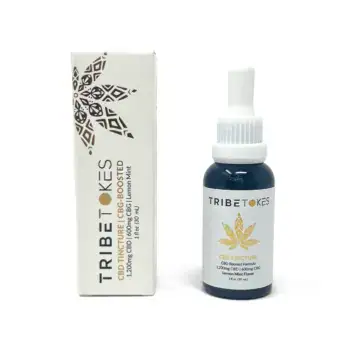
-
CBD + CBN Sleep Gummies | With L-Tryptophan + Vitamin B6Starting from: $45.00 SHOP NOW This product has multiple variants. The options may be chosen on the product page
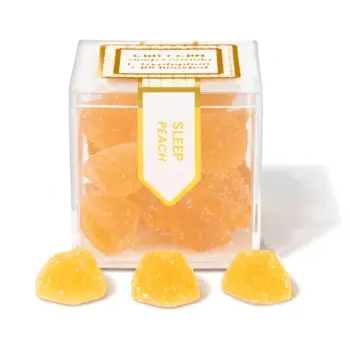
-
Save $10: You Pick 2 Tinctures | Build Your Own BundleOriginal price was: $100.00.$90.00Current price is: $90.00. SHOP NOW This product has multiple variants. The options may be chosen on the product page
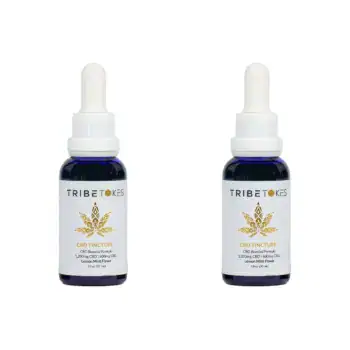
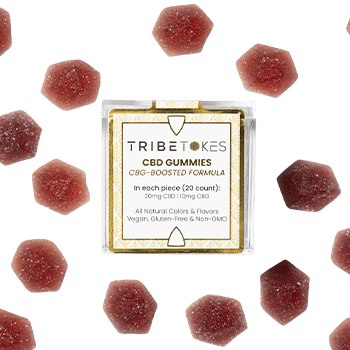
CBD in South Carolina: What to Look For
CBG is usually described as the precursor cannabinoid, the compound a hemp plant converts into others as it matures, which is why mature material generally carries very little of it and why CBG-forward products tend to be built deliberately rather than found. CBN forms as THC ages and oxidises, so it turns up in older material rather than fresh. Trace THC is present in hemp by default. None of the three is a stronger version of cannabidiol. They are separate molecules that happen to share a plant, a supply chain and a lab report.
CBD Across South Carolina
A lab report lists each cannabinoid on its own line with its own figure, which is the fastest way to tell whether a blend is a real formulation or a naming exercise. A product advertising CBG on the front should show a CBG line with a number worth reading. If the only figures carrying weight are cannabidiol and everything else sits near the detection limit, the blend is on the label rather than in the bottle. Compare the lines, not the front panel, and compare units before numbers, since percentages and milligrams per serving are not interchangeable.
CBD, by Format
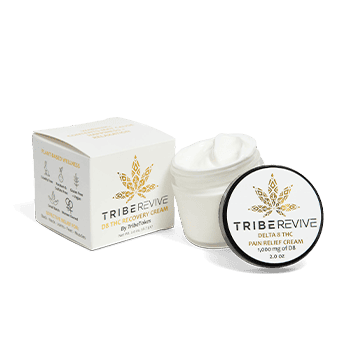
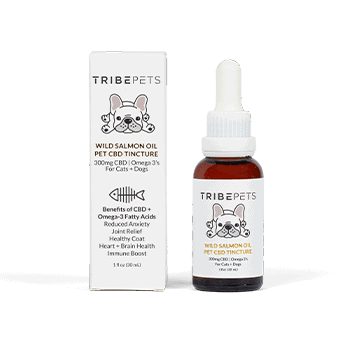
Which cannabinoids survive to the finished product depends partly on how it was made. Gummies and tinctures carry whatever the extract carried, minus anything a processing step removed. Topicals can be formulated with minor cannabinoids on purpose, since the target is local rather than systemic. Blends are usually described as a ratio rather than a single figure, so a product listed as two to one CBD to CBG needs both numbers read together to mean anything. Our answers on CBD vs CBG and CBN vs CBD take each pairing on its own terms.
- Gummies: pre-measured, easy daily habit.
- Tinctures: adjustable amounts, faster under the tongue.
- Topicals: applied to one area rather than taken internally.
- Pets: oils made for dogs and cats.
How Much CBD to Take
With a blend, the serving figure you are handed is often a combined total, so check whether the milligrams quoted are cannabidiol alone or everything added together. Set your amount on the cannabidiol figure and treat the minor cannabinoids as part of that product’s character rather than as separate doses you can stack on top of something else. Change one product at a time. A blend has too many moving parts to evaluate alongside a second new thing, and running both at once guarantees you will not know which one did anything.
CBG: The Precursor Cannabinoid
Cannabigerol occupies an unusual position in the plant’s chemistry. Its acidic form, CBGA, is the starting material the plant converts into the acidic precursors of both cannabidiol and THC as it matures. That conversion is efficient, which is why a mature hemp plant typically holds very little CBG by the time it is harvested. Producers who want meaningful CBG figures either harvest early, work with cultivars bred to retain it, or isolate it separately.
For anyone reading a label, the useful consequence is that a substantial CBG figure did not happen by accident. It represents a deliberate decision somewhere in the supply chain, and it should be visible as its own line on the Certificate of Analysis with a number attached. A front panel naming CBG against a report where the CBG row sits at a trace level is telling you about marketing rather than formulation, and that is a distinction South Carolina readers can check in under a minute.
CBN: What Time Does to THC
Cannabinol is not something a hemp plant produces in quantity. It forms as THC oxidises, a process driven by exposure to air, light and heat over time. That origin makes it the one cannabinoid on a report that carries information about handling: a batch showing an unusually high CBN figure relative to its THC is telling you something about age or storage conditions rather than about intent.
Products that list a real CBN figure are generally using material isolated or produced for the purpose rather than relying on degradation, because degradation is slow and hard to control. The practical point for a reader is the same as with CBG. Check whether the number on the report justifies the mention on the panel. And treat CBN, CBG and cannabidiol as three separate compounds rather than three strengths of one thing, because that is what they are.
Trace THC and Why It Is There
THC and cannabidiol share a biosynthetic pathway, which is why a whole-plant hemp extract carries small amounts of THC as a matter of chemistry rather than intent. On a lab report this appears as a small delta-9 THC row rather than a blank one, and a blank row on a full-extract product is worth a second look at the method and thresholds used rather than a sign of superior purity.
Where it matters practically is for anyone with a workplace screen to think about, since a screen looks for THC metabolites and not for cannabidiol. Products processed to remove THC will show that row as not detected, and not detected means below the laboratory’s threshold rather than absolutely absent. Our answer on Does CBD Have THC in It? works through what that distinction means in practice.
Reading Ratios: What 2:1 and 1:1 Actually Tell You
Blends are usually sold on a ratio, and a ratio is a relationship rather than a dose. Two to one CBD to CBG describes the proportion between two compounds and says nothing at all about how much of either you are taking. A two to one blend at a low per-serving figure and a two to one blend at a high one are different products that happen to share a description, and comparing them on the ratio alone is a category error.
Read the ratio alongside the per-serving milligram figures for each named compound, and if the label gives only a combined total, go to the Certificate of Analysis and split it out yourself. The other thing worth checking is whether the ratio on the panel survives contact with the report. A blend advertised as balanced should show two rows of comparable weight. If one row dwarfs the other, the ratio describes an intention rather than the batch you are holding.
Does the Combination Do Anything?
The reason anyone formulates a multi-cannabinoid product is the entourage argument, the proposal that these compounds behave differently in combination than they do alone. It is an active area rather than a settled one, and it deserves to be described that way. The paper The “Entourage Effect”: Terpenes Coupled with Cannabinoids for the Treatment of Mood Disorders and Anxiety Disorders sits on the side of the argument that combinations matter; other reviews are considerably more cautious about how far the evidence currently reaches.
What can be said with more confidence is that these are pharmacologically distinct molecules rather than variations on one theme, and their behaviour has been studied individually; Pharmacokinetics of Non-Psychotropic Phytocannabinoids covers that ground for the non-intoxicating group. For a reader, the honest guidance is unglamorous: choose on things you can verify from the report, introduce one product at a time, and treat any confident claim about what a specific combination does as ahead of the evidence.
Building a Blend Comparison You Can Read
Comparing two blends fairly takes four columns and about five minutes. Column one: milligrams of cannabidiol per serving. Column two: milligrams of each named minor cannabinoid per serving. Column three: whether those figures come from the panel or from the Certificate of Analysis. Column four: whether the lab report actually supports them. Products that look interchangeable on a front panel separate quickly once the numbers sit next to each other, and the ones that decline to give a per-compound figure separate fastest of all.
The reason to bother is that a blend is a more expensive way to be wrong. A single-compound product that does not suit you costs you one variable to rule out. A blend that does not suit you leaves you unsure which of three or four compounds was responsible, and no way to test it without sourcing each component on its own. South Carolina readers new to this end of the shelf are better off establishing a cannabidiol baseline first and treating each addition as an experiment with one variable. Processing changes what survives into a finished product too, which is what CBDa vs CBD works through. Comparing options in South Carolina? See hemp products in South Carolina, Delta 8 THC in South Carolina, THCa flower in South Carolina, THCa vapes in South Carolina, CBN in South Carolina and CBG in South Carolina.
Frequently Asked Questions
Neither is described as intoxicating in the way THC is. They are distinct molecules with their own profiles rather than milder versions of THC, and a product combining them with cannabidiol is a formulation choice rather than a potency ladder. The trace THC in a hemp extract sits at levels well below what a high requires.
Open the Certificate of Analysis and look for that compound’s own line. A real blend shows a figure worth reading against the named cannabinoid. A decorative one shows cannabidiol carrying everything and the named compound sitting near the detection limit, which is a very different product from the one the front panel implies.
Plain cannabidiol first, for the simple reason that it gives you a baseline. A blend introduces several variables at once, and without a reference point there is nothing to compare it against. Run a single-cannabinoid product for a week or two, then add a blend if you want to see what changes.
Cannabigerol, often called the precursor cannabinoid because its acidic form is what the plant converts into the acidic forms of CBD and THC as it matures. That conversion is why mature hemp usually contains very little CBG, and why CBG-forward products generally come from material harvested early or from deliberate isolation.
Cannabinol, which forms when THC oxidises over time rather than being produced by the plant in quantity. Its presence is largely a function of age and exposure to air and light, which is why CBN turns up in older material and why it is sometimes used as a rough indicator of how a batch has been stored.
It is what THC degrades into, which is not the same as being THC. Once the conversion has happened the molecule is different and behaves differently. Products listing a CBN figure are generally using material isolated or produced for the purpose rather than relying on a jar of aged flower.
Because the plant produces it. THC and CBD come from the same precursor pathway, so a whole-plant hemp extract carries small amounts of THC unless a processing step removes it. Products described as broad spectrum or isolate are the ones where that step has been taken.
That the formula contains twice as much cannabidiol as cannabigerol. A ratio on its own is not a dose, though: a two to one ratio at 10 mg and at 100 mg are very different products. Read the ratio and the per-serving milligram figures together, or the ratio tells you nothing useful.
They occur together in hemp extracts and are formulated together deliberately in blends. Our answer on Can You Take CBD and CBG Together? goes through it in more detail. The practical caution is the same as with any blend: introduce one new product at a time so you can read the result.
Cannabichromene shows up as a minor line on many full-extract lab reports, usually at small figures. It is less commonly named on front panels than CBG or CBN. If a product advertises it, the same test applies: find the CBC row on the Certificate of Analysis and see whether it carries a number worth the mention. See also CBC vs CBD.
Set your amount on the cannabidiol figure and treat the rest as part of that product’s character. Minor cannabinoids in a blend are not additional doses you can add up, and treating a combined total as if it were a cannabidiol total is the fastest way to end up somewhere you did not intend.
Keep exploring: head back to all TribeTokes in South Carolina, see THC gummies in South Carolina, shop all CBD, browse the full cannabinoid collections, or view our lab results.
These statements have not been evaluated by the FDA. TribeTokes products are not intended to diagnose, treat, cure, or prevent any disease. Not for use by anyone under 21, or by those who are pregnant or nursing. All products contain less than 0.3% hemp-derived Delta-9 THC by dry weight.