
THC Gummies in South Carolina
Three extracts turn up in cannabis chews and they are made in three completely different ways. Distillate is refined until almost nothing but cannabinoid remains. Live resin is pulled from fresh-frozen plant material with a solvent, which keeps the volatile aromatic compounds a dried harvest would have lost. Live rosin skips solvent entirely and uses ice water, heat and pressure instead. This page is written for readers in SC comparing THC gummies made from each, and it covers how each one is produced, what survives being cooked into a chew, and what the choice does and does not change about the piece in your hand.
Curious which extract ends up in which jar? Start with our THC gummies page, where every option sits in one spot.
The TribeTokes THC Gummy Lineup
-
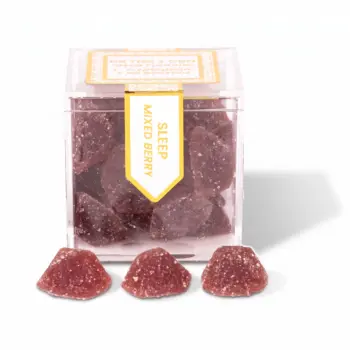 THC Gummies for Sleep: 10mg THC + 20mg CBN, Melatonin-FreeStarting from: $45.00 SHOP NOW This product has multiple variants. The options may be chosen on the product page
-
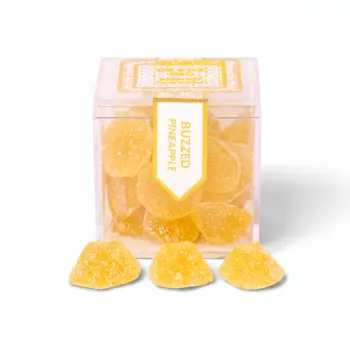 THC Buzzed Gummies | Extra Strength – Delta 8-BoostedStarting from: $45.00 SHOP NOW This product has multiple variants. The options may be chosen on the product page
-
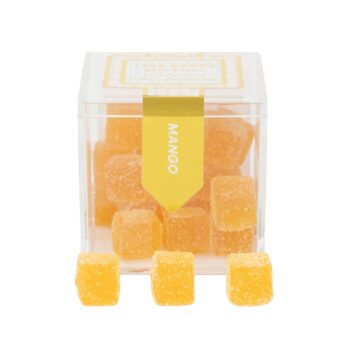 THC Live Resin Gummies | CBD-BoostedStarting from: $45.00 SHOP NOW This product has multiple variants. The options may be chosen on the product page
-
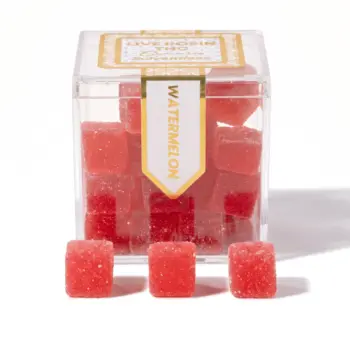
 Live Rosin Gummies | Solventless THCStarting from: $45.00 SHOP NOW This product has multiple variants. The options may be chosen on the product page
-
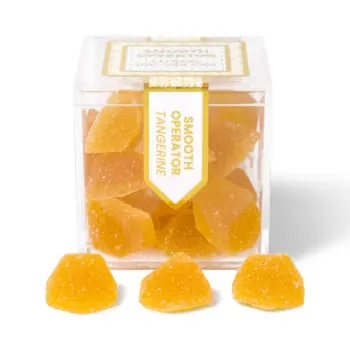
Smooth Operator 1:1:1 Ratio Gummies | THC + CBD + CBGStarting from: $45.00 SHOP NOW This product has multiple variants. The options may be chosen on the product page
-
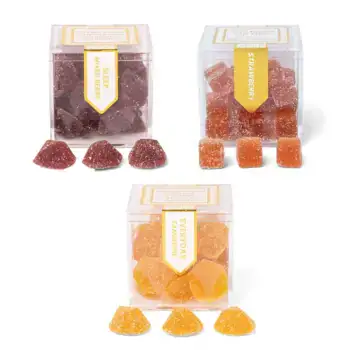
Save $20: You Pick 3 Gummies | Build Your Own BundleOriginal price was: $135.00.$115.00Current price is: $115.00. SHOP NOW This product has multiple variants. The options may be chosen on the product page
THC Gummies in South Carolina: What to Look For
The TribeTokes range includes live resin and live rosin chews alongside a low CBN sleep piece, the extra-strength Buzzed, and a 1:1:1 blend of THC, CBD, and CBG. The extract behind a piece is a flavor and character decision. The quantity of THC in it is a separate decision entirely, and confusing the two is the most common misreading in this part of the category. A live resin chew is not automatically a stronger chew, any more than a single-origin coffee is automatically a stronger coffee.
How Our THC Gummies Are Made
Small runs and per-batch testing matter more with expressive extracts than with refined ones. A distillate is close to a fixed input from one drum to the next. Fresh-frozen material varies by harvest, so a live extract varies with it. TribeTokes doses each run against an independent lab result and ties the published Certificate of Analysis to that specific run rather than to the product line, which is the only way an input that varies by season can still produce a printed figure worth trusting.
Pick the Right THC Gummy
Choosing between chews on extract type is a taste decision, not a strength decision. A live resin piece leads with aroma. A live rosin piece is the solventless route to a similar goal. A refined extract steps out of the way and lets the fruit flavoring carry the piece. All three can be dosed to any figure a maker wants, which is why the potency line on the label is the one that answers the strength question and the front panel adjective never is.
- Evening formulas: THC paired with CBN.
- Stronger: Buzzed for a higher tolerance.
- Balanced: Smooth Operator 1:1:1 for daytime.
- Live extracts: live resin and live rosin.
How Many Should You Take
Half a piece or one whole piece, then an hour or two of waiting, is the opening regardless of what the extract is. Nothing about a solventless or terpene-rich extract changes how quickly a chew is digested. The character of what arrives may differ. The clock does not, and the onset window is set by digestion rather than by anything a producer did upstream. Guidance on the smaller end of the scale is covered in Can You Microdose THC?
Distillate: Refined Down to the Compound
Distillate is what remains after cannabis extract has been put through repeated rounds of distillation. Waxes, lipids, chlorophyll and the great majority of terpenes are removed, leaving a viscous material that is close to a single cannabinoid by weight. It has almost no smell and almost no taste, and both of those absences are the reason it became the default input for confectionery.
The practical advantage is consistency. A neutral, highly refined input behaves the same way in a recipe from one production run to the next, which makes dosing arithmetic straightforward and removes a source of flavor variation the formulator would otherwise have to chase across every batch. The trade is that everything the plant contributed beyond the cannabinoid has been removed along the way.
Live Resin: Fresh-Frozen and Solvent-Extracted
Live resin starts before the plant has a chance to dry. Material is frozen immediately after harvest, which halts the evaporation and degradation that normally take place during drying and curing, then extracted with a solvent that is subsequently purged. What comes out carries a far fuller aromatic profile than an extract from cured material, because those compounds were never given the opportunity to leave.
Inside a chew that shows up as character rather than strength. A live resin piece tastes of something beyond its fruit flavoring, and for a lot of people that is the entire appeal. The compound doing the psychoactive work is still THC, and the research topic page Cannabis (Marijuana) from the National Institute on Drug Abuse describes how it acts once it reaches the brain, whatever accompanied it into the recipe.
Live Rosin: Pressure Instead of Solvent
Live rosin reaches a similar destination by mechanical means. Fresh-frozen material is agitated in ice water so that the resin glands separate and can be collected, dried, and then pressed between heated plates. Pressure and gentle heat release the resin, and no solvent is involved at any point in the sequence. It is the most labour-intensive of the three methods and yields the least material for the input.
That is why solventless products sit where they sit in the category. The argument for them is not that they are stronger, because potency is set by dosing rather than by method. The argument is provenance: a process with no solvent has no solvent to purge and nothing to screen for on that particular line of a lab report. For some readers that trade is worth accepting a lower yield for, and for others it is a distinction without a practical difference.
What Actually Survives the Cook
Here is the part that gets left out of most extract comparisons. A gummy is cooked. Terpenes are volatile by definition, and heat is exactly what drives volatile compounds out of a mixture, so an aromatic extract loses some of its profile between the mixing vessel and the mould. Formulators manage this by introducing the aromatic fraction as late as the recipe allows, but no process recovers everything, and claims that a chew carries a full live profile intact should be read with that in mind.
The consequence is that the gap between extract types narrows in an edible compared with formats that never see heat. A live extract still contributes something a refined one does not. It contributes less of it than the same extract would in an unheated product, and being honest about that is more useful to a reader than treating the label word as a guarantee of what reaches the tongue.
Does the Accompanying Material Change the Effect?
This is where the marketing gets ahead of the evidence. The popular claim is that terpenes and minor cannabinoids shift the character of a cannabis experience, an idea usually referred to as an entourage effect. It is a plausible hypothesis and a widely repeated one. Controlled human evidence that it produces a measurable difference at the quantities present in a consumer product is limited, and the honest position is that the question is open rather than settled.
What is not in dispute is the size of the dose and the route it takes. The review Tasty THC: Promises and Challenges of Cannabis Edibles works through why eaten cannabis is difficult to use predictably, and none of those difficulties are solved or created by choosing one extraction method over another. The onset is still slow, the duration is still long, and the dose is still committed the moment it is swallowed. Anyone weighing extract types should treat the choice as a flavor and provenance decision that sits on top of a dose decision, not instead of one.
Reading the Three Terms in SC
For readers in South Carolina comparing THC gummies, the three words on a front panel resolve into a simple map. Distillate means refined, neutral and consistent. Live resin means fresh-frozen and solvent-extracted, with more of the plant’s aroma retained. Live rosin means fresh-frozen and solventless, produced with water, heat and pressure. None of the three tells you how strong a piece is, and none of them is a quality grade. They are descriptions of process.
The strength question is answered in one place, which is the potency figure on the label and the lab report behind it. Extract type answers a different question about taste, process and preference. Keeping those two questions separate makes the whole category legible. Related reading covers Delta-9 vs THC: Are They the Same?, Delta-8 vs THC: What’s the Difference?, and CBD vs THC: How They Differ, while Can You Vape THCa? covers the same provenance questions in a different format.
Frequently Asked Questions
The word live refers to the starting material in both cases: plant matter frozen immediately after harvest rather than dried and cured. The difference is the extraction. Live resin uses a chemical solvent to strip the compounds out and then purges it off. Live rosin uses no solvent at all, working the frozen material into ice water hash and then pressing it with heat and pressure.
Extract type does not set potency. The quantity of THC dosed into a batch does, and any of these extracts can be dosed to any figure a formulator chooses. What a live extract changes is the aromatic profile and the flavor of the piece. If two chews feel different at the same milligram figure, the more likely explanations are the person, the day and the meal rather than the extraction method.
Distillate is cannabis extract that has been refined through repeated distillation until it is close to a single-cannabinoid material. The process strips out plant waxes, chlorophyll and almost all of the terpenes, leaving something nearly odorless and nearly flavorless. That neutrality is the reason it is common in confectionery, where a strong plant character would fight the fruit flavoring rather than complement it.
Live describes the state of the plant material when it was processed, not the extract itself. Conventional extracts start from material that has been dried and cured, a process during which many of the lighter aromatic compounds evaporate. Live extracts start from material frozen at harvest, which preserves compounds that would otherwise have been lost before extraction ever began.
That is the defining feature of it. Rosin is produced mechanically, with heat and pressure applied to hash or plant material, so no hydrocarbon or alcohol solvent enters the process at any stage. Live rosin adds the fresh-frozen starting material to that method, which is why it sits at the labour-intensive end of the extract spectrum and why the yields are comparatively small.
Not entirely. Terpenes are volatile compounds, which is precisely why they smell, and heat drives them off. A gummy slurry is cooked, so some aromatic loss is unavoidable. Formulators work around it by adding the aromatic fraction as late in the process as the recipe allows, and the practical result is that a live extract carries less of its original profile into a chew than into a format that never sees heat at all.
It changes what the flavor system has to work with. A refined extract is close to neutral, so the fruit flavoring defines the taste completely. A live extract brings its own aromatic and slightly vegetal notes, which a formulator can either complement or attempt to cover. Neither approach is better in the abstract; they produce different chews.
The extract is the wrong variable to optimise first. The quantity in a piece, and the discipline to wait out the onset, matter far more to how a first experience goes than whether the material was solvent-extracted or pressed. Extract type is a preference worth exploring once someone already knows where their own comfortable dose sits.
The cannabinoid table looks broadly similar, since it reports quantities rather than provenance. Where a difference can appear is in an accompanying terpene profile, when a lab runs one, and in the residual solvent screen. A solventless extract has no solvent to leave behind, while a solvent-extracted one is checked against defined residual thresholds.
Each production run is sent to an independent third-party lab and the Certificate of Analysis published for it belongs to that run. The report covers potency alongside the contaminant panel, so the figure on the jar traces back to a document rather than to a claim.
Keep exploring: head back to all TribeTokes in South Carolina, shop our THC gummies or Delta-9 gummies, browse best sellers, explore our strain profiles, or view our lab results.
These statements have not been evaluated by the FDA. TribeTokes products are not intended to diagnose, treat, cure, or prevent any disease. Not for use by anyone under 21, or by those who are pregnant or nursing. All products contain less than 0.3% hemp-derived Delta-9 THC by dry weight.