
Delta-8 THC in South Carolina
A delta-8 Certificate of Analysis exists to answer the one question a label cannot: what else is in there. Potency is the easy part of the document. The panels that matter most for a converted cannabinoid are the purity ones, residual solvents, pesticides, and heavy metals, because each covers a different route by which something unwanted reaches a finished product. South Carolina readers comparing delta-8 gummies, pens, and carts get far more out of those panels than out of the milligram figure printed on the front.
The Delta-8 THC Lineup in South Carolina
-
 Delta 8 THC Live Resin Gummies | CBD-BoostedStarting from: $45.00 SHOP NOW This product has multiple variants. The options may be chosen on the product page
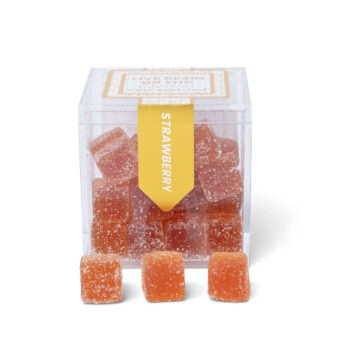
-
Delta 8 THC Gummies | CBD-BoostedStarting from: $45.00 SHOP NOW This product has multiple variants. The options may be chosen on the product page

-
Delta 8 THC Live Resin Vape Cartridge (1g) | 9 StrainsStarting from: $60.00 SHOP NOW This product has multiple variants. The options may be chosen on the product page
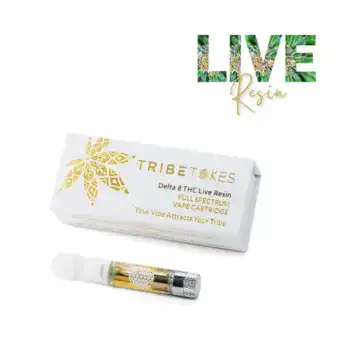
-
Delta 8 THC Vape Cartridge (1g) | 18 StrainsStarting from: $60.00 SHOP NOW This product has multiple variants. The options may be chosen on the product page
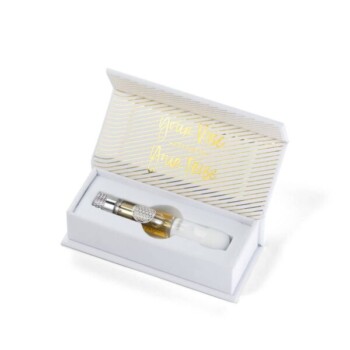
-
Delta 8 THC Live Resin Disposable Vape Pen (1g) | 9 StrainsStarting from: $60.00 SHOP NOW This product has multiple variants. The options may be chosen on the product page
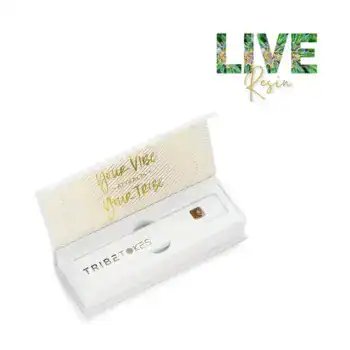
-
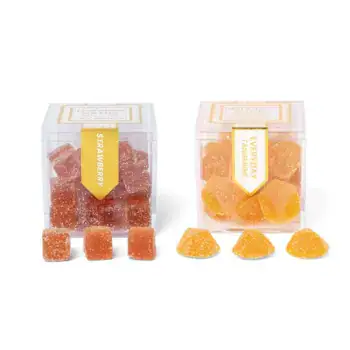
Save $10: You Pick 2 Gummies | Build Your Own BundleOriginal price was: $90.00.$80.00Current price is: $80.00. SHOP NOW This product has multiple variants. The options may be chosen on the product page
-
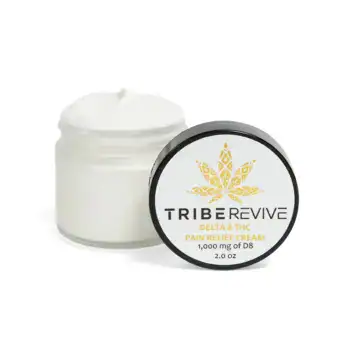
Delta 8 THC Pain Relief Cream 1,000mg | Arnica + Menthol + WintergreenStarting from: $50.00 SHOP NOW This product has multiple variants. The options may be chosen on the product page
Delta-8 THC in South Carolina: What to Look For
TribeTokes publishes a Certificate of Analysis for every batch, tested by a third-party lab for potency and purity, with a residual solvent screen added to the vape formats on top of the pesticide and heavy metal checks. The rest of this page is about what each of those panels is actually answering, and what a clean result does not cover.
Delta-8 THC Basics for South Carolina Readers
Rules on intoxicating hemp are set by each state and revised often, and the USDA’s Hemp Production program covers the crop side; South Carolina‘s current statutes are the reference for a reader here. Want a hemp Delta 9 option instead? See THC gummies in South Carolina.
Delta-8 Formats
Three formats, and the panels that apply to each are not identical.
- Gummies: pre-dosed and easy to travel with.
- Carts: refillable 510, lower cost per gram.
- Disposables: all-in-one, nothing to charge.
What to Expect from Delta-8
The reason purity questions attach to this category at all is the process behind it. The FDA states that concentrated amounts of delta-8 are typically manufactured from hemp-derived cannabidiol, set out in 5 Things to Know about Delta-8 Tetrahydrocannabinol, and a manufacturing step is something a report can be asked about.
Potency Is the Easy Panel
Every Certificate of Analysis opens with the cannabinoid list, and that section is the one people read. It reports how much of each named compound the laboratory found, line by line, which is enough to confirm that the front of the package is telling the truth about quantity.
It is also the least interesting half of the document for anyone comparing delta-8 products in South Carolina. Quantity is a claim a producer makes about themselves. Purity is a claim about everything the producer did not intend to be there, and that is where a report earns its place.
Residual Solvents and Why a Converted Cannabinoid Gets Screened
Chemical processes need something to carry them, and the residual solvent panel exists to confirm what did not stay behind. That is not a delta-8 problem specifically, it is a manufactured-product question, and delta-8 sits in that category because of how it comes to exist.
Which is why a page that mentions testing without naming this panel has skipped the relevant one. Potency screening tells you a conversion produced something. Solvent screening starts to tell you how cleanly, and for a product destined for a pen or a cart it is the panel most worth finding.
Pesticides and Heavy Metals Come From the Field
These two panels have nothing to do with chemistry after harvest. Metals accumulate through soil and water, and pesticide residue arrives from whatever was applied nearby. Both carry forward into an extract, and no subsequent step removes them from the material.
So a clean result on those panels is a statement about agriculture, not about a laboratory. Reading them that way makes the whole document easier to interpret: some lines describe how the plant was grown and others describe what happened to it afterwards, and they answer different questions.
Which Panels Apply to Which Format
Format changes the risk profile, which is why the panel set is not uniform across a catalog. A gummy is eaten, so the questions that matter concern what came in with the plant material and what the formulation added. A cart or a pen is inhaled, and inhalation is the reason the solvent panel is added there.
Reading a report format-first saves time. Ask what route the product takes into the body, then look for the panel that route makes most relevant. Everything else on the page is context, and the milligram figure on the front is the least of it.
The same logic runs through the rest of the catalog. Are THCa prerolls safe and can you vape THCa both come down to which panels were run, and does CBD have THC in it is settled by the cannabinoid lines rather than by a category name.
What a Batch Result Covers and What It Does Not
A pass is specific and narrow. It says that on a stated date, a stated laboratory tested a stated batch for a stated list of contaminants and found them within the thresholds applied. It says nothing about the next batch, nothing about the brand as a whole, and nothing about how the product has been kept since.
That narrowness is a feature. A document that promised more would be worth less, because it would be making claims outside what a test can support. The practical routine for a South Carolina reader is short: find the report, match the batch, read the panels by name, and treat anything missing as a question rather than an answer. Comparing options in South Carolina? See hemp products in South Carolina, CBD in South Carolina, THCa flower in South Carolina, THCa vapes in South Carolina, CBN in South Carolina and CBG in South Carolina.
Frequently Asked Questions
Two things: how much of each cannabinoid is present, and what contaminants were looked for. The first is potency and it is the part everyone reads. The second is purity, and for a converted cannabinoid it carries the more useful information.
Traces of the materials used to carry a chemical process, checked to confirm they did not remain in the finished product. The screen exists because a process happened, which is exactly why it belongs on a delta-8 report rather than only on a plant extract.
From the field. Both travel forward from cultivation and no later step removes them, so those two panels are describing how the hemp was grown rather than what happened to it afterwards.
Because inhaled material goes directly into the lungs, which raises the stakes on what is in the oil. TribeTokes adds a residual solvent screen to the vape formats on top of the pesticide and heavy metal panels for that reason.
One batch. A report is a snapshot of a specific production run, so a document from a different run answers a different question. Matching the batch identifier on the report to the one on the product is the step people skip.
Not a single number but a set of answers. Purity is the collection of contaminant panels, each defined by what it looked for and what threshold it applied. A page that says lab tested without naming panels has not said much.
Nothing whatsoever. Potency and purity are separate measurements on separate lines, and a strong result on one has no bearing on the other. A high number with no contaminant panel behind it is half a document.
An independent third-party laboratory rather than the producer. That separation is the entire point of the exercise, and a report from a lab with no stake in the outcome is what makes the numbers worth reading.
Treat the gap as an unanswered question rather than a pass. A missing panel is not evidence of a problem and it is not evidence of anything else either, which is the reason to ask before assuming.
Recent enough to belong to the batch in front of you. Age matters less than match: an older report for the correct batch is more informative than a newer report for a different one.
Related reading: are THCa carts safe and are THCa carts real apply the same document-first logic to vapes, and does delta-8 expire covers what a report cannot tell you about a jar six months later.
These statements have not been evaluated by the FDA. TribeTokes products are not intended to diagnose, treat, cure, or prevent any disease. Not for use by anyone under 21, or by those who are pregnant or nursing. All products contain less than 0.3% hemp-derived Delta-9 THC by dry weight.