
THCa Vapes in South Carolina
Flavor in a THCa vape is engineered, and the reason is physics rather than marketing. Terpenes, the volatile compounds that carry cannabis aroma, boil off at far lower temperatures than cannabinoids do, so most extraction methods strip them out before they take anything else. What is left is potent and close to odorless. Putting aroma back means reintroducing terpenes deliberately, and the choices made at that step decide what a cart tastes like. This page covers how that works, why two tanks of the same strain type can read differently, and where flavor stops being evidence.
The THCa Vapes Lineup for South Carolina
-
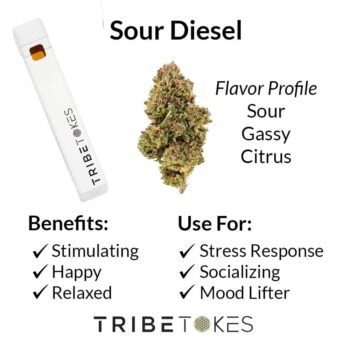
 Sour Diesel (Sativa) Live Resin THCa Disposable Vape PenStarting from: $60.00 SHOP NOW This product has multiple variants. The options may be chosen on the product page
-
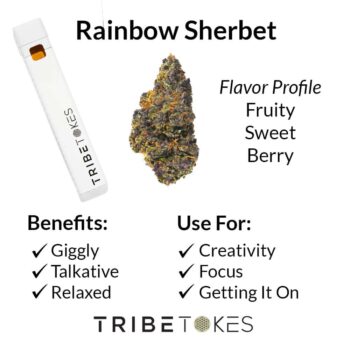
Rainbow Sherbet (Hybrid) Live Resin THCa Disposable Vape PenStarting from: $60.00 SHOP NOW This product has multiple variants. The options may be chosen on the product page
THCa Vape Strain Profiles
Hybrid
Sativa
Indica
Hybrid
Hybrid
Sativa
THCa Vapes in South Carolina: What to Look For
South Carolina has been active on enforcement and the ground can move, so start with your own state and local rules. The production side does not change with the state line. Every batch of oil behind the THC vapes South Carolina readers ask about is screened by an outside lab for cannabinoid potency and for contaminants, and the batch report is published rather than summarized.
How We Fill and Test THCa Vapes
Terpene reintroduction is a measured step, not a splash of flavoring. The oil is characterized first, then a terpene fraction is blended back at a set ratio, because too little leaves the oil flat and too much thins it and alters how it wicks. TribeTokes builds its THCa vapes around strain-specific oil rather than a neutral base with a scent attached, which is why the profile on the product page is tied to the batch behind it.
Pick Your Strain
Strain grouping is really terpene grouping. Sativa-leaning, indica-leaning and hybrid are shorthand for aroma families that tend to travel together, and the named terpenes on each product page come from analysis rather than a flavor menu. The study Identification of Terpene Compositions in the Leaves and Inflorescences of Hybrid Cannabis Species Using Headspace-Gas Chromatography/Mass Spectrometry shows how much terpene composition varies within a single plant, let alone between harvests. Compare families across the sativa, indica and hybrid ranges.
Disposables: Nothing to Refill
A sealed disposable carries the same reintroduced terpene fraction as a cart filled from the same run. Nothing about the body changes the blend. What the body does change is how heat behaves over the life of the device, and heat is what turns a terpene into something you can taste. A coil running hot pushes the lighter compounds out early, so the first third of a tank and the last third rarely read identically. That is true of any vape and has nothing to do with the blend itself.
-
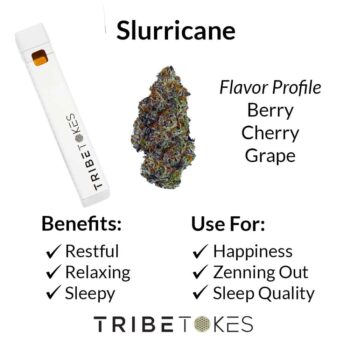
Slurricane (Indica) Live Resin THCa Disposable Vape PenStarting from: $60.00 SHOP NOW This product has multiple variants. The options may be chosen on the product page
-
THCa Vape BOGO | Live Resin – RuntzOriginal price was: $120.00.$60.00Current price is: $60.00. SHOP NOW

Disposable or Cartridge?
Flavor holds across formats because the oil is the constant. A disposable and a 510 cart filled from one batch share a terpene profile down to the ratio. Where they can diverge is late in the tank, when residue and heat history start to affect what reaches you, which is worth knowing before you blame the oil. The THCa carts and the disposables are documented against the same run. That is a hardware story, and it does not mean the blend changed.
Extraction Removes the Smell First
Terpenes are small and volatile, which is exactly why you can smell a jar of flower from across a room. That same volatility makes them the first casualty of heat and vacuum during extraction. Cannabinoids are heavier and stay behind.
The practical result is an oil that is high in cannabinoid content and nearly silent on aroma. Every flavored vape on the market is therefore a two-step product: concentrate first, then decide what goes back in and in what proportion.
Where the Reintroduced Fraction Comes From
There are two honest sources. A cannabis-derived fraction is recovered from the plant during processing and returned to the oil it came from. A botanical fraction is assembled from the same individual compounds isolated from other plants, which is chemically identical at the molecule level and different at the blend level.
Neither is automatically better and both are legitimate. What matters is whether the product page names the profile it used, and whether that profile is backed by a panel rather than by adjectives. A page that describes a taste without naming a single compound is describing an intention.
Why Two Tanks of One Strain Read Differently
Terpene composition shifts between harvests, between plant parts and between extraction runs, so the same strain name can arrive with a measurably different profile twice in a row. Blending ratios add a second source of variation on top of that.
This is why an experienced reader treats a strain name as a family label. The reliable comparison is the terpene panel for the specific batch, which is a number, against the last one you liked, which is also a number.
Where Flavor Stops Being Evidence
Flavor answers one question well and every other question badly. It tells you what terpene fraction is present and roughly how heavily it was dosed. It says nothing about solvents, nothing about pesticides, and nothing about how much of the tank is extract.
Readers in SC searching for a vape by taste alone are optimizing a real preference with the wrong instrument. Use flavor to choose between two oils that already passed the same panels, not as a substitute for reading them. Also in South Carolina: hemp products in South Carolina, CBD in South Carolina, THC gummies in South Carolina, Delta 8 THC in South Carolina, THCa flower in South Carolina, CBN in South Carolina and CBG in South Carolina.
Frequently Asked Questions
Because extraction removes them first. Terpenes are volatile and evaporate at far lower temperatures than cannabinoids, so an oil that has been concentrated is close to odorless by the time it is finished. Reintroducing a terpene fraction is what restores aroma and taste to the tank.
Cannabis-derived terpenes are recovered from the plant itself, while botanical terpenes are the same individual compounds sourced from other plants. Limonene from citrus and limonene from cannabis are the same molecule. The difference is in the surrounding minor compounds, which is where a cannabis-derived fraction tends to read as more complete.
Terpenes are the taste, almost entirely. Cannabinoids themselves contribute very little aroma, so the flavor of any cart is a description of its terpene fraction. Change the fraction and you change the product’s character without touching its potency figure.
Terpene content is not fixed across harvests, plant parts or extraction runs. Two batches carrying the same strain name can arrive with measurably different profiles, and the reintroduction ratio can differ as well. The strain name describes a family, not a recipe.
Usually by gas chromatography paired with mass spectrometry, which separates the volatile compounds and then identifies them by mass. That is the method behind the terpene lists you see on product pages. It reports what is present rather than what was intended to be present.
Terpenes are not cannabinoids and do not appear in a potency figure. They occupy volume in the tank, so a heavier terpene fraction leaves proportionally less room for extract, which is a composition question rather than a strength claim. Potency and aroma are measured on separate panels.
It is the proposal that cannabis compounds behave differently together than they do alone. The review Decoding the Postulated Entourage Effect of Medicinal Cannabis: What It Is and What It Isn’t works through what the idea covers and where the evidence runs thin. Treat it as an open research question rather than a settled mechanism.
No. Taste is a product of the terpene fraction and the heat at the coil, and neither of those reports on solvents, pesticides or dilution. A pleasant draw and a clean lab result are independent facts. The batch report is the only place the second one lives.
Brighter citrus and pine profiles tend to be grouped with daytime sativa-leaning oils, while heavier earthy and sweet profiles get grouped with indica-leaning ones. Those groupings are conventions built on aroma families, not measurements of effect. Read them as a starting filter.
Check whether the named terpenes come from a lab panel or from a description, then check whether the batch report matches the package. A profile that appears on the analysis is a measurement, and a profile that appears only in copy is a claim.
Related reading: how to choose a THCa strain, what THCa flower feels like, and the non-intoxicating CBG vapes.
These statements have not been evaluated by the FDA. TribeTokes products are not intended to diagnose, treat, cure, or prevent any disease. Not for use by anyone under 21, or by those who are pregnant or nursing. All products contain less than 0.3% hemp-derived Delta-9 THC by dry weight.