
CBN in New Jersey
CBN, short for cannabinol, is the cannabinoid most people in New Jersey first meet on the back of a sleep gummy label. It is non-intoxicating. It forms slowly inside hemp as THC breaks down with age, air and light, so aged material carries more than fresh. The honest position on CBN and rest is that the research runs well behind the packaging: the human work is dated, small and unresolved. TribeTokes builds CBN into gummies and tinctures, usually alongside CBD, each with a published batch report.
Shop CBN in New Jersey
-
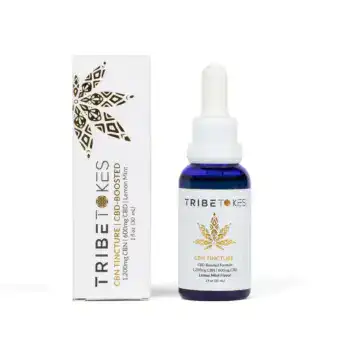
 CBN Tincture 1,800mg | CBD-Boosted | Nighttime FormulaStarting from: $50.00 SHOP NOW This product has multiple variants. The options may be chosen on the product page
-
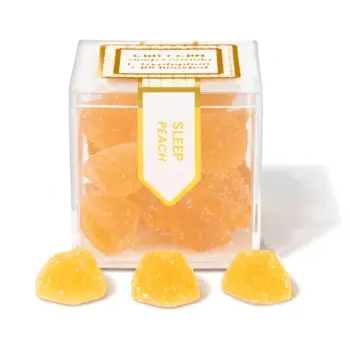
CBD + CBN Sleep Gummies | With L-Tryptophan + Vitamin B6Starting from: $45.00 SHOP NOW This product has multiple variants. The options may be chosen on the product page
-
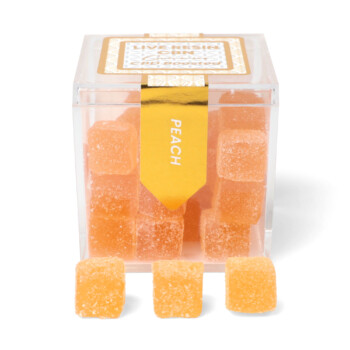
CBN Gummies with Live Resin | CBD-BoostedStarting from: $45.00 SHOP NOW This product has multiple variants. The options may be chosen on the product page
How CBN Forms Inside Hemp
CBN is what THC becomes when hemp sits. Heat, oxygen and light pull the THC molecule apart over weeks and months, and cannabinol is one of the compounds left at the end of that slow change. Fresh flower holds very little. Aged or badly stored flower holds more.
That origin explains two things worth carrying into any product page. The plant never sets out to make CBN, so the amount in a finished gummy is a production decision rather than a growing one. And no region of the country grows high-CBN hemp, which leaves the figure on the panel as the only one that describes what you actually have.
Hemp laws differ from state to state and change often, so check the current New Jersey rules yourself rather than assuming a national answer applies.
What people report from cannabinol is a settling rather than a high. That is a description, though, not a finding, and the difference matters.
What the Sleep Research on CBN Actually Says
CBN is marketed almost everywhere as the sleep cannabinoid. The published work does not carry that label as confidently as the packaging does.
A review held in the PubMed Central archive under the title Cannabinol and Sleep: Separating Fact from Fiction takes up exactly that gap. The framing is the whole point: a reputation for sedation and the evidence behind it are two separate things. The human studies usually cited for cannabinol are decades old and ran with very small groups of people, and they do not settle the question. That CBN on its own produces sleep has not been established in the literature.
None of that means CBN does nothing. It means the question is open. A separate review, Cannabinoids and Sleep: Exploring Biological Mechanisms and Therapeutic Potentials, treats cannabinoids and sleep as an active field where the biology is still being mapped and the useful effects are still written up as potential rather than as proven.
So here is the version worth having at eleven at night with a box in your hand. CBN is a real compound with a real presence in aged hemp. Whether it is the ingredient doing the work in a sleep formula, or whether the credit belongs to the CBD beside it, the serving size or the routine, is not settled. Anyone who says otherwise has moved ahead of the research. What CBN is and what the research now says goes deeper than a state page can.
Why CBN Ended Up in So Many Evening Products
Two things put cannabinol on evening labels: it is scarce, and it carries a story that fits on a carton in one line. Scarcity is the useful half. CBN accumulates only as THC degrades, so no crop yields much of it and producers work harder for a gram of it than for a gram of CBD. That is most of why it appears as the smaller share of a blend.
The formats a CBN search actually lands on come down to four:
- Gummies: a fixed amount in every piece, which is what makes a nightly habit repeatable.
- Tinctures: an adjustable serving held under the tongue, useful if you want to move in small steps.
- CBD-forward blends: CBD as the base with cannabinol in the minority, which is the most common arrangement by far.
- Timing: most people take it well ahead of bed rather than at the moment they lie down.
If your search is really about format, how long CBN lasts and the CBN sleep gummy collection are the two places to look next.
CBN Next to CBD and THC
Three cannabinoids, three different jobs, and a great deal of confusion between them. CBD is where most people start, non-intoxicating and taken at any hour. THC is the intoxicating one, and its breakdown is what produces cannabinol. CBN sits between them on the family tree and at the bottom of the evidence pile: descended from THC, practically closer to CBD, studied far less than either.
- Research depth: CBD and THC have both been studied far more heavily than CBN has.
- Intoxication: THC is the only one of the three that gets you high.
- Origin: CBD comes from the living plant, cannabinol arrives afterward as THC degrades.
- Everyday use: plenty of people keep CBD and CBN both on the shelf and use them at different hours.
Running both is reasonable. Just do not assume that swapping CBD for CBN after dark is an upgrade, because the published work does not say so yet. The CBN or CBD question still has no clean answer. The New Jersey CBG page covers the daytime end of the same family, and the CBD page covers the middle.
Servings, Labels, and What a Lab Report Should Tell You
There is no established dose for CBN, because there is no established effect to dose toward. What exists is a common range on labels, which usually falls between about five and thirty milligrams per serving, plus the ordinary approach that suits any cannabinoid: begin at the low end, hold there for several nights, and change one variable at a time.
Reading the panel matters more here than with CBD, for a simple reason: CBN products are nearly always blends. A gummy presented for sleep may carry a modest amount of cannabinol and far more CBD, and the front of the carton rarely makes that split obvious. The panel does.
The Certificate of Analysis holds the rest of the answer. A useful report from an independent lab states cannabinoid amounts per serving, confirms how much THC is present, and screens for pesticides, heavy metals and residual solvents. Match the batch code on the report to the code on the package. If no report exists for the batch in your hand, that absence is the finding. Keep exploring New Jersey with hemp products in New Jersey, CBD oil in New Jersey, THC gummies in New Jersey, Delta 8 THC in New Jersey, THCa flower in New Jersey and THCa vapes in New Jersey.
Frequently Asked Questions
There is no strong evidence that it does on its own. A published review is titled Cannabinol and Sleep: Separating Fact from Fiction precisely because the reputation ran ahead of the data. Many people describe a settling effect, but a description is not a trial result.
No. Cannabinol is non-intoxicating. It is produced when THC degrades, and the compound that results does not carry the intoxicating effect its parent molecule had.
CBD comes straight from the living hemp plant; CBN appears afterward as THC breaks down. CBD is taken across the day and rests on a much larger research base. Cannabinol turns up mostly in evening formulas, almost always blended with CBD.
Usually less than the front of the package implies. Sleep gummies tend to be CBD-forward with a smaller share of cannabinol, so the supplement panel and the batch report are the only places you will find the real split.
That depends on the format far more than the cannabinoid. Anything swallowed passes through digestion first, so a gummy comes on more slowly than a tincture held under the tongue. Neither route is instant.
Standard workplace panels look for THC metabolites, not for cannabinol. Full-spectrum hemp products can still carry trace THC, so anyone who gets tested should pick a broad spectrum or THC-free option and read the batch report before starting.
Nobody can answer that from the published research yet. CBD has been studied far more, cannabinol far less, and no head-to-head trial settles it. Most evening products sidestep the question by including both.
Plenty of sleep products combine the two, but the combination has not been well studied in people. Anyone taking prescription medication, or anything else that acts on sleep, should raise it with a clinician first.
Because the plant does not make much of it. Cannabinol accumulates as THC degrades, so fresh hemp is a poor source and producers work from aged material or convert it deliberately. Scarcity is why it shows up as part of a blend.
The exact cannabinoid amounts, batch by batch. A useful Certificate of Analysis lists CBN and CBD content per serving, confirms the THC figure, and screens for pesticides, heavy metals and residual solvents. It should name the independent lab and match the batch code on the package.
Keep exploring: back to all TribeTokes in New Jersey, the full CBN lineup, or the New Jersey CBG page. Nearby: CBN in New York and CBN in Pennsylvania.
These statements have not been evaluated by the FDA. TribeTokes products are not intended to diagnose, treat, cure, or prevent any disease. Not for use by anyone under 21, or by those who are pregnant or nursing. All products contain less than 0.3% hemp-derived Delta-9 THC by dry weight.