
CBD Oil in New Jersey
CBD is the cannabinoid in hemp that leaves you clear-headed, and for most people in New Jersey it is the first hemp product they try. TribeTokes formulates it four ways: a CBD oil tincture you measure by the drop, gummy bears with the amount already fixed, a pain cream worked into one spot by hand, and a separate oil built for dogs and cats. Every run is made in small quantities from hemp-derived extract and sent to an outside lab, and each one carries its own batch report. Woman-owned, and at this since 2017. Good news for New Jersey: TribeTokes ships CBD oil, CBD gummies and pain cream right to your door, with standard shipping in 2 to 5 business days.
Shop New Jersey CBD Oil and Gummies
-
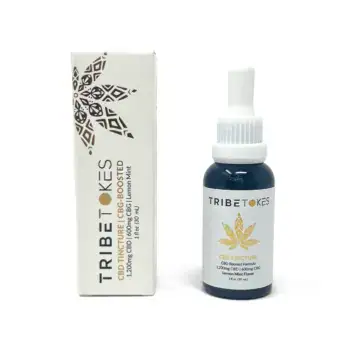
 THC-Free CBD Oil Tincture 1,800mg | CBG-BoostedStarting from: $50.00 SHOP NOW This product has multiple variants. The options may be chosen on the product page
-
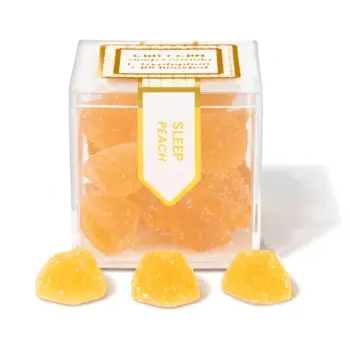
CBD + CBN Sleep Gummies | With L-Tryptophan + Vitamin B6Starting from: $45.00 SHOP NOW This product has multiple variants. The options may be chosen on the product page
-
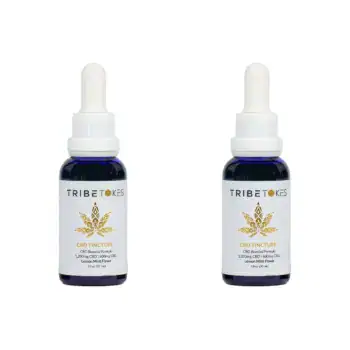
Save $10: You Pick 2 Tinctures | Build Your Own BundleOriginal price was: $100.00.$90.00Current price is: $90.00. SHOP NOW This product has multiple variants. The options may be chosen on the product page
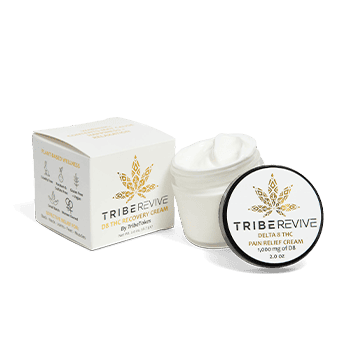
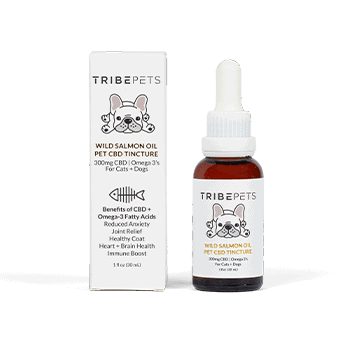
What CBD Oil Is Made From
CBD oil begins as an extract pulled from hemp flower and leaves, then gets thinned into a carrier oil so the amount can be set by the drop. Hemp and marijuana are the same plant species. The line between them is how much delta-9 THC the plant carries, and hemp sits at or below 0.3 percent of it by dry weight.
That single number is why hemp-derived CBD products behave differently from marijuana-derived CBD. The cannabinoid itself is identical; what rides alongside it is not. TribeTokes works only with hemp-derived CBD, and the exact cannabinoid breakdown for every batch sits on the batch report rather than in a sentence on a label.
CBD Oil, Gummies, Cream, or Pet Oil
Format settles three things at once: how quickly it reaches you, how long it stays, and how finely you can set the amount. Drops under the tongue give the most control because you are counting them. A gummy trades that control for not having to think about it. A cream is worked into one area and stays there rather than working through you the way a tincture does.
- CBD oil tincture: count the drops, set your own amount.
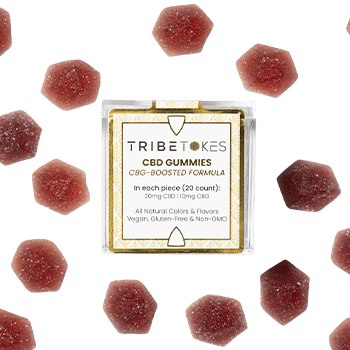
- Gummies: fixed per piece, nothing to measure.
- Pain cream: rubbed into one area, external only.
- Pet oil: a separate formula for dogs and cats.
Full Spectrum, Broad Spectrum, and Isolate
Those three words describe how much of the rest of the hemp plant stayed behind in the extract. Full spectrum keeps the minor cannabinoids and terpenes, trace THC among them. Broad spectrum keeps most of that company but strips the THC out. Isolate is CBD by itself, nothing else in the jar.
Whole-plant extracts are often said to behave differently than the single isolated molecule, an idea called the entourage effect. The review Decoding the Postulated Entourage Effect of Medicinal Cannabis walks through what that idea does and does not hold up to. The practical version for a New Jersey reader is shorter: if you are screened at work, trace THC in a full spectrum product is a real consideration, and the batch report is where you settle it. TribeTokes has a longer explainer at full spectrum vs broad spectrum vs isolate.
How Much CBD Oil to Take
Start at the serving printed on the label and stay there for several days before touching it. There is no high to chase here, so nothing is gained by jumping ahead, and moving the number daily makes it impossible to tell what any single amount actually did.
Onset has more to do with the route than the milligram count. Drops held under the tongue reach the bloodstream sooner than a gummy, which has to clear the stomach and the liver first. Researchers have mapped how that works in Pharmacokinetics of Non-Psychotropic Phytocannabinoids, which covers CBD among the non-intoxicating cannabinoids. Give any routine a full week before you decide whether it earned a place.
Third Party Lab Testing, Batch by Batch
Every TribeTokes batch goes to an independent third party lab, and the Certificate of Analysis is published in full rather than summarized into a badge. Potency comes first, so the CBD figure on the label can be checked against the report. The contaminant panel follows: pesticides and heavy metals.
If you have never opened one, there is a walkthrough at how to read lab results and a companion piece on how to spot fake lab results, which is worth ten minutes to anyone weighing a hemp brand they have not used before.
CBD for Dogs and Cats
The pet oil is a different product, not a smaller pour of the human tincture. A cat or a small dog carries a fraction of your body weight, so the concentration and the dropper are built to that scale. Two rules hold regardless of brand: talk to your veterinarian first, especially if the animal is already on medication, and keep anything containing THC away from animals entirely. TribeTokes keeps guides on CBD for dogs and CBD for cats. Also in New Jersey: hemp products in New Jersey, THC gummies in New Jersey, Delta 8 THC in New Jersey, THCa flower in New Jersey, THCa vapes in New Jersey, CBN in New Jersey and CBG in New Jersey.
Frequently Asked Questions
No. CBD is non-intoxicating, and that is the one difference that matters most next to THC. There is no head change, no time distortion, no appetite spike. It is the reason people keep it in a working day rather than saving it for the evening. The molecule-by-molecule version is at CBD vs THC.
It depends on the route, not the brand. Drops held under the tongue reach the bloodstream sooner than a gummy, which has to pass the stomach and the liver first. A cream only ever works where you put it. Whichever you pick, judge it across a week of steady use instead of one evening.
Start at the label serving and hold it for several days. There is no prize for a bigger number. If nothing has shifted after a week, step up once and hold again. Changing the amount every night guarantees you will never know which amount did anything.
It can, in trace amounts. Hemp-derived CBD is extracted from plants carrying no more than 0.3 percent delta-9 THC, and a full spectrum product keeps a little of that along for the ride. Broad spectrum and isolate take it out. The batch report is the only reliable way to know which one is in front of you. More at does CBD have THC in it.
Workplace screens look for THC metabolites, not CBD, so the CBD itself is not what the panel hunts for. The catch is the trace THC that rides along in a full spectrum product. If you are screened at work, that trace is the part to think about, and the batch report is where you check it. TribeTokes answers the topical version at does CBD cream show up on a drug test.
They come from different parts of the plant. CBD oil is an extract of hemp flower and leaves and carries cannabinoids. Hemp seed oil is pressed from the seed and carries essentially none, which is why it sits in the grocery aisle beside the olive oil. Side by side at CBD oil vs hemp oil.
Pick by what you need to avoid. Isolate is CBD alone, which suits anyone who wants no THC in the bottle at all. Full spectrum keeps the minor cannabinoids and terpenes with trace THC among them. Broad spectrum sits in between. None of the three is stronger by nature; they differ in what else came along.
Start at the cannabinoid table and match the CBD figure against the label. Then check the batch number and date at the top, so you know the report belongs to the product in your hand and not to last year’s run. After that, read the contaminant panel. Every current report is posted at certificates of analysis.
It degrades rather than spoils. Heat, light, and air are what break cannabinoids down over time, so a cupboard beats a windowsill and a tight cap beats a loose one. Read the date printed on the bottle and keep it cool. Detail at does CBD or THC oil expire.
Ask your veterinarian before starting, particularly if the animal takes anything else. Pets need a formula scaled to their body weight rather than a smaller pour of a human tincture, and nothing carrying THC should go near an animal. TribeTokes keeps a guide at is CBD safe for pets.
Keep exploring: head back to all TribeTokes in New Jersey, shop all CBD, browse the full cannabinoid collections, or view our lab results. You can also see TribeTokes in Massachusetts. Shopping for a neighboring state? See CBD in New Hampshire and CBD for Maryland readers.
These statements have not been evaluated by the FDA. TribeTokes products are not intended to diagnose, treat, cure, or prevent any disease. Not for use by anyone under 21, or by those who are pregnant or nursing. All products contain less than 0.3% hemp-derived Delta-9 THC by dry weight.