
THC Gummies in New Jersey
A THC gummy is a dosed chew, and what separates one jar from the next is the formula: which cannabinoids are in it, at what ratio, from which kind of extract, and whether an independent lab confirmed the figures. For New Jersey readers, this page reads the label instead of the marketing. TribeTokes, woman-owned and running since 2017, organizes its range around formulas rather than around strength alone: a THC and CBN pairing for the evening, an extra-strength Delta-9 chew called Buzzed, live resin and live rosin options, and a 1:1:1 that holds THC, CBD and CBG level. Every batch carries a Certificate of Analysis from an outside lab.
Put the formulas side by side on our THC gummies page and the differences jump out fast. Yes, we ship THC gummies to New Jersey: our hemp-derived Delta 9 gummies go out with standard shipping in 2 to 5 business days, in plain, tracked packaging.
The TribeTokes THC Gummy Lineup
-
 THC Gummies for Sleep: 10mg THC + 20mg CBN, Melatonin-FreeStarting from: $45.00 SHOP NOW This product has multiple variants. The options may be chosen on the product page
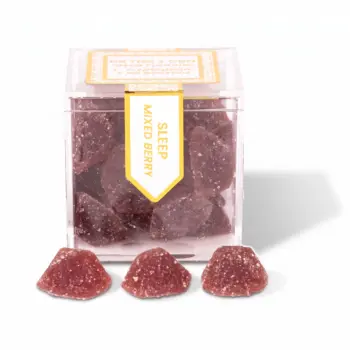
-
THC Buzzed Gummies | Extra Strength – Delta 8-BoostedStarting from: $45.00 SHOP NOW This product has multiple variants. The options may be chosen on the product page
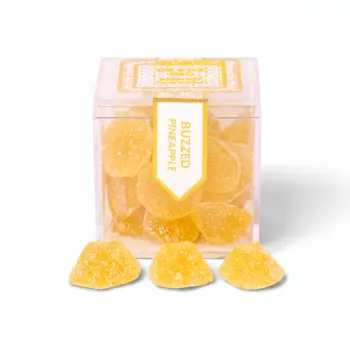
-
THC Live Resin Gummies | CBD-BoostedStarting from: $45.00 SHOP NOW This product has multiple variants. The options may be chosen on the product page
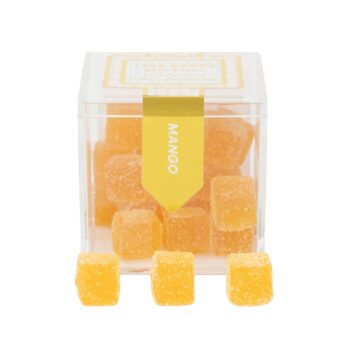
-
Live Rosin Gummies | Solventless THCStarting from: $45.00 SHOP NOW This product has multiple variants. The options may be chosen on the product page
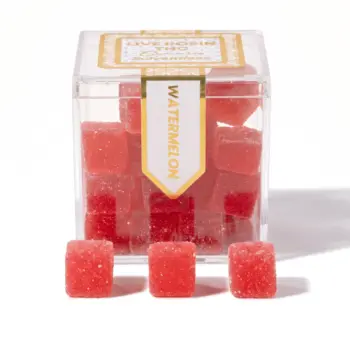
-
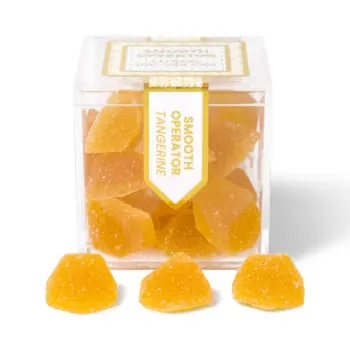
Smooth Operator 1:1:1 Ratio Gummies | THC + CBD + CBGStarting from: $45.00 SHOP NOW This product has multiple variants. The options may be chosen on the product page
-
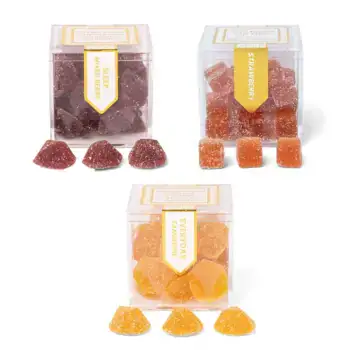
Save $20: You Pick 3 Gummies | Build Your Own BundleOriginal price was: $135.00.$115.00Current price is: $115.00. SHOP NOW This product has multiple variants. The options may be chosen on the product page
Weed Edibles, Cannabis Gummies, Marijuana Edibles: One Category, Four Names
The vocabulary is a mess and the product is not. Weed edibles, cannabis gummies, marijuana edibles, THC edibles: a search box treats those as four things, and they all describe food dosed with cannabinoids from the cannabis plant. The National Institute on Drug Abuse keeps the whole plant under a single research topic, Cannabis (Marijuana), which is a fair summary of how little the naming changes.
One distinction inside that vocabulary does matter. Hemp-derived describes where the cannabinoids were extracted from, not how strong the chew is. Two Delta-9 chews from different supply chains can carry an identical milligram figure.
Worth knowing before any of this matters: each state writes its own hemp laws and revises them on its own schedule, so New Jersey’s current position is the one to check.
What Is Actually Inside a THC Gummy
Strip the marketing off a gummy and four things are left: a chewy base, a sweetener, a flavor, and a cannabis extract infused through the batch. Everything a maker can get right or wrong lives in that fourth item and in how evenly it is spread through the run.
Even distribution is the argument for small runs. A chew from the front of a batch and a chew from the end of it should read the same on the lab report, and a small batch is the least complicated way to make that true.
Diet questions are answered on the ingredient panel, never in a headline. Whether a particular chew is gluten free, vegan, or clear of a specific allergen is a per-recipe question, and the panel on the jar in your hand is the authority on it. Our page on whether THC gummies are gluten-free explains what to look for.
Live Resin, Live Rosin, and Why the Extract Is Named on the Jar
An extract name on a gummy label describes how the cannabinoids were pulled out of the plant, and it is the part of the formula most likely to change how a chew tastes.
Live resin and live rosin both begin with fresh-frozen plant material rather than dried, which is where the word live comes from. Rosin is made without solvents, using heat and pressure. Resin uses a solvent-based extraction. TribeTokes makes chews from each, and the extract is named on the jar because it drives the flavor.
Words like sativa and indica belong to flower vocabulary and travel poorly onto a gummy label. Read the cannabinoid list and the lab report instead.
Gummies With CBD and THC in the Same Chew
A combined chew is a different product from a THC-only one, and the ratio printed on the label is the whole story. The TribeTokes 1:1:1 holds THC, CBD and CBG at equal parts for daytime, while the evening chew pairs THC with CBN. Neither is a diluted version of the other.
Researchers have studied the pairing directly. A paper on Cannabinoid Exposure and Subjective Effects of THC and CBD in Edible Cannabis Products looked at how the cannabinoid content of edible products relates to what people report feeling.
If the vocabulary is new, three answers pages compare the compounds one pair at a time: CBD vs THC, CBN vs THC, and CBG vs THC.
Fast Acting Gummies: What That Label Means
Fast acting on an edible describes a formulation aimed at shortening the wait, not a different cannabinoid. The wait exists because a swallowed chew has to be digested before it reaches the bloodstream.
Treat the phrase as a claim to check rather than a specification. It carries no fixed definition across brands, so two jars can both wear it and behave differently. The habit that protects you is the same either way: take one, give it an hour or two, and let the first dose report back.
Reading a Certificate of Analysis: Potency and the Contaminant Panel
A Certificate of Analysis has two halves and most people read only one. The potency section confirms the milligram figures on the label. The contaminant panel is the other half, and it is where purity is either shown or not.
Every TribeTokes batch goes to an independent lab before packing, and each report belongs to one run, not to a catalogue entry. A report you can match to the code on your jar is evidence. The whole lab results library is open, so a Garden State reader sees the same document as anyone else.
Storage, Shelf Life, and Why a Glovebox Is the Worst Place
Heat and light are what shorten a gummy’s useful life, so a hot car does more damage in an afternoon than a cupboard does in a month. Keep the jar sealed, cool, dark, and well out of reach of children, pets, and anyone who might mistake a chew for candy. That last clause matters most.
Gummies do have an end date. Texture usually shifts first, then flavor. Cannabinoids degrade over time the way other organic compounds do, which is why a badly stored jar ages faster than a well stored one.
Two answers pages go further: one on how to store THC gummies and edibles, one on whether gummies expire or go bad. More from our New Jersey pages: hemp products in New Jersey, CBD oil in New Jersey, Delta 8 THC in New Jersey, THCa flower in New Jersey, THCa vapes in New Jersey, CBN in New Jersey and CBG in New Jersey.
Frequently Asked Questions
Four things: a chewy base, a sweetener, a flavor, and a cannabis extract carrying the cannabinoids. The extract is where the formula lives and the rest is confectionery. The Certificate of Analysis records what the lab measured in that batch.
It describes a formulation meant to shorten the wait before an edible arrives, not a different cannabinoid. There is no fixed cross-brand definition behind the phrase, so treat it as a claim to check and give any unfamiliar chew the same hour or two before deciding about a second.
They sit at a fixed ratio, and that ratio is the product. The TribeTokes 1:1:1 holds THC, CBD and CBG at equal parts and the range positions it for daytime, while the evening chew pairs THC with CBN. Our CBD vs THC page compares the two compounds on their own.
Same category, different words. Weed edibles, cannabis gummies, marijuana edibles and THC edibles all describe food dosed with cannabinoids. The distinction worth tracking is hemp-derived versus not, which describes the supply chain rather than the strength.
That depends entirely on the recipe, and the ingredient panel is the only reliable answer. Bases, coatings and colorings vary, so a claim that holds for one jar does not carry across to another. Our answers page on gluten-free THC gummies lists what to check on a panel.
Both start from fresh-frozen plant material, which is where the word live comes from. Rosin is made without solvents, using heat and pressure. Resin uses a solvent-based extraction. On a gummy the practical difference shows up in flavor, and TribeTokes makes chews from each.
Sealed, cool, dark, and well out of reach of children and pets. Heat and light are what shorten a chew’s life, which makes a glovebox the worst spot you could choose. Our page on storing THC gummies and edibles goes through the specifics.
Yes. Cannabinoids degrade over time the way other organic compounds do, and texture and flavor usually shift first. Check the date on the jar and store it properly. Our page on whether gummies expire or go bad has the detail.
Potency and contaminants. The potency half confirms the milligram figures printed on the jar. The contaminant panel is the purity half. TribeTokes posts one report per batch, keyed to that run, in the lab results library.
Some of it comes through, and the flavor work in a chew exists to manage that. Fruit is the usual answer, since a bright flavor covers the hemp note better than sweetness on its own does. It is also why a live-extract chew gets its extract named on the label at all.
Related reading: the New Jersey hub, the full gummy range, the Delta-9 chews, the best sellers page, and the batch lab reports. Other states: THC gummies in Pennsylvania, THC gummies in Delaware, THC gummies in New Hampshire, THC gummies in Georgia, and TribeTokes in Rhode Island.
These statements have not been evaluated by the FDA. TribeTokes products are not intended to diagnose, treat, cure, or prevent any disease. Not for use by anyone under 21, or by those who are pregnant or nursing. All products contain less than 0.3% hemp-derived Delta-9 THC by dry weight.