
CBN in New York
CBN is not something hemp sets out to make. Cannabinol is what tetrahydrocannabinol becomes when it sits in air, light and warmth for long enough, which makes it the one common cannabinoid produced by time rather than by an enzyme. That single fact explains most of the questions New York readers arrive with: why older material tests higher in it, why it appears in small figures on a panel, and why its reputation and its evidence do not line up. This page follows the molecule from THC to the container
The CBN Lineup for New York
-
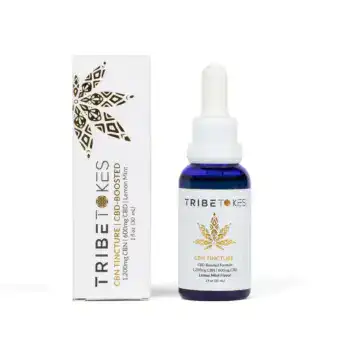 CBN Tincture 1,800mg | CBD-Boosted | Nighttime FormulaStarting from: $50.00 SHOP NOW This product has multiple variants. The options may be chosen on the product page
-
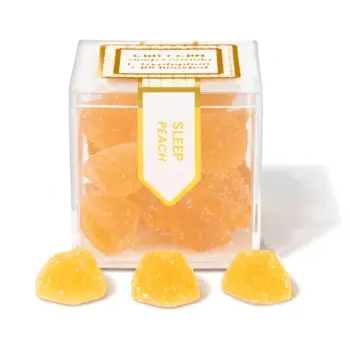 CBD + CBN Sleep Gummies | With L-Tryptophan + Vitamin B6Starting from: $45.00 SHOP NOW This product has multiple variants. The options may be chosen on the product page
-
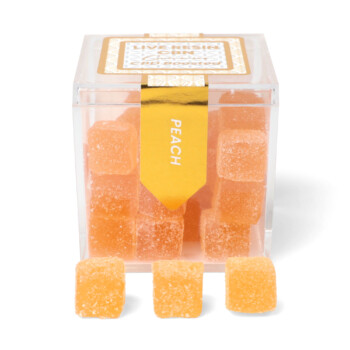 CBN Gummies with Live Resin | CBD-BoostedStarting from: $45.00 SHOP NOW This product has multiple variants. The options may be chosen on the product page
What CBN Is and Where It Comes From
Cannabinol forms through oxidation. THC loses hydrogen and part of its ring structure rearranges into a fully aromatic form, and the result is a distinct compound with its own properties rather than a weakened version of the original. Oxygen drives the reaction, light and heat accelerate it, and time is the other ingredient. THC is the compound responsible for cannabis intoxication, as Cannabis (Marijuana), National Institute on Drug Abuse (NIDA) sets out, and CBN is what remains after that compound has degraded. Whatever CBN is, it is chemically downstream.
CBN for Sleep and Recovery
That origin gets used as an argument it cannot support. The reasoning runs: CBN comes from THC, aged material has more of it, therefore CBN is what makes old flower feel heavy. It is a tidy story and it is not evidence. Cannabinol and Sleep: Separating Fact from Fiction works through the human record and finds it thin, dated and often confounded, and concludes the popular framing has run well ahead of what anyone has shown. TribeTokes formulates CBN for evening products because that is the category convention, not because a trial settled the question.
CBN vs CBD
The two compounds arrive by opposite routes. CBD is built by the plant through an enzyme pathway and harvested; cannabinol is produced by degradation after the fact. That difference carries through to the research, where CBD has been studied in people repeatedly and CBN has a handful of small, old studies behind it. Both are non-intoxicating in normal use. The CBN and CBD comparison covers what each is usually put into.
- Gummies: pre-measured, the easy nightly habit.
- Oils: adjustable amounts, faster under the tongue.
- Paired with CBD: the two are commonly formulated together.
- Timing: take it about an hour before bed.
How Much CBN to Take
There is no established dose for cannabinol, because establishing one requires dose-ranging trials in people that have not been run. What a label offers is a formulation decision: a per-serving figure chosen by whoever built the product. Read that figure, start at the smallest serving the panel offers, and change one thing at a time. A product that reports a combined cannabinoid total instead of a CBN line has told you nothing about the CBN in it.
The Reaction That Turns THC Into CBN
Oxidation is the whole mechanism. Exposed to oxygen, THC gradually loses hydrogen and one of its rings converts to an aromatic structure, producing cannabinol. Light and heat speed the process up; cold, dark and sealed storage slow it down.
Because the reaction runs in one direction, the CBN figure in any sample is a record of what it has been through. It is the closest thing cannabis chemistry has to a clock, and it is why the compound was identified long before anyone was formulating with it.
The same chemistry sets the storage rules for anything cannabinoid-based. Sealed, cool and dark is not a preservation ritual, it is the set of conditions that slows an oxidation reaction down. A jar left warm on a windowsill is running that reaction faster than one in a cupboard, and an assay would show it.
Why Product CBN Is Not Simply Aged Material
Nobody builds a product line on waiting. Letting THC degrade on its own is slow, uneven and produces a mixture nobody specified, which is unusable if a panel has to state a figure that holds from batch to batch.
Commercial cannabinol is produced and purified under controlled conditions instead, then measured into a formula. That is the difference between a number on a label and a guess, and it is also why a CBN product is not interchangeable with old flower.
What the Origin Story Does Not Establish
Knowing where a molecule came from says nothing about what it does. Cannabinol being downstream of THC is a fact about chemistry, and the leap from that fact to a claim about rest is an inference nobody has tested properly.
That gap is worth holding onto when reading product copy, since the origin story is often deployed as though it were a result. It explains why CBN exists. It does not explain what a serving will do.
Reading a CBN Panel
Three lines carry the information. The per-serving CBN figure tells you the formulation decision. The THC line tells you what came along from the source material. The batch number ties both to a report you can actually open.
Everything else on the front of a package is positioning. A product that reports a single combined cannabinoid total has skipped the only figure that describes the ingredient you came for. The longer explainer on CBN covers the rest. Also in New York: hemp products in New York, THC gummies in New York, THCa flower in New York and THCa vapes in New York.
Frequently Asked Questions
CBN is generally described as at most weakly active and it is not sold or formulated as an intoxicant. It binds the CB1 receptor far less strongly than THC does, which is the usual explanation. More on whether CBN gets you high.
Screens are built around THC metabolites rather than cannabinol. The complication is the source: CBN products derived from full spectrum material can carry trace THC. Anyone subject to testing should read the batch report and choose a broad spectrum or isolate-based formula.
Not directly. A certificate reports what is present, not how it got there. It will show the CBN figure, the THC line and the contaminant screens, and for an oxidation product those three lines together are the most useful thing on the page.
No. Dose-ranging work in people has not been done for cannabinol, so any figure you see is a formulation choice rather than a research-backed recommendation. The per-serving line on the panel is the only number with a measurement behind it.
It comes from THC, but it is a separate compound with its own structure and its own receptor behavior. Calling it old THC is a useful way to remember the origin and a misleading way to think about what it is.
In small amounts, yes, because some degradation happens during growth, drying and storage. Fresh, well-stored material carries very little of it. The figure climbs with age, heat and exposure to air and light.
Usually. Waiting for material to oxidize is slow and imprecise, so commercial cannabinol is produced under controlled conditions and then formulated to a measured figure. That is why a product panel can state a consistent CBN amount at all.
Oxidation does not stop because something has been bottled. Heat, light and air exposure continue to act on cannabinoids over time, which is why storage instructions exist and why a certificate describes a batch at a point in time rather than forever.
The rearrangement that produces cannabinol changes the shape of the molecule, and shape is what determines how tightly it fits a receptor. A weaker fit at CB1 is the standard explanation for the difference in activity.
Oil-based tinctures with cannabinol as the listed cannabinoid, usually alongside CBD. Searches for CBN oils run heavily across NY, from Nassau County to the city, and the panel to read is the same in every one of them: per-serving CBN, the THC line, and the batch number. How long CBN lasts.
Keep reading: TribeTokes in New York, the New York CBD page, or CBG in New York.
These statements have not been evaluated by the FDA. TribeTokes products are not intended to diagnose, treat, cure, or prevent any disease. Not for use by anyone under 21, or by those who are pregnant or nursing. All products contain less than 0.3% hemp-derived Delta-9 THC by dry weight.