
THCa Vapes in New Jersey
A THCa cartridge does its chemistry in the airpath, not in the tank. Oil wicks onto a heating element, the element warms it, and as the oil vaporises the acid group falls away from the THCa molecule, which is what puts delta-9 THC into the vapour you draw. None of that happens while a cart sits idle on a shelf. It happens in the fraction of a second the coil is powered, and the temperature reached in that instant is the variable that decides the outcome. New Jersey searches that land here are usually asking what converts, where it converts, and what changes it.
The THCa Vapes Lineup for New Jersey
-
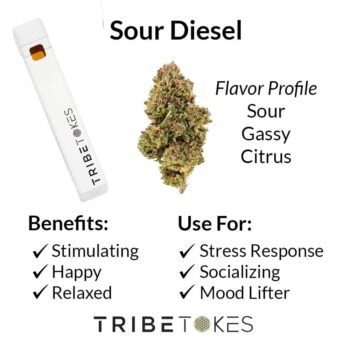
 Sour Diesel (Sativa) Live Resin THCa Disposable Vape PenStarting from: $60.00 SHOP NOW This product has multiple variants. The options may be chosen on the product page
-
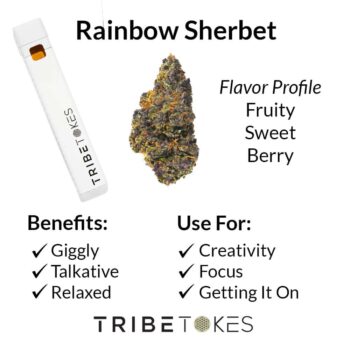
Rainbow Sherbet (Hybrid) Live Resin THCa Disposable Vape PenStarting from: $60.00 SHOP NOW This product has multiple variants. The options may be chosen on the product page
THCa Vape Strain Profiles
Hybrid
Sativa
Indica
Hybrid
Hybrid
Sativa
THCa Vapes in New Jersey: What to Look For
Hemp law is written state by state and changes often, so read the current New Jersey position for yourself.
How We Fill and Test THCa Vapes
What goes into the tank sets the ceiling on what can come out of it. Oil is filled in small runs, every batch is read by an independent lab for potency and purity, and the certificate is published beside the product. Because the conversion happens at the coil rather than at the filling line, the figures on that certificate describe the oil as filled. What reaches your lungs is the product of that oil and the device you put it in.
Pick Your Strain
Strain sits on top of the same chemistry. Each product page lists the dominant terpenes and the current lab figures, and those aromatic compounds are far more volatile than the cannabinoids around them, so they reach vapour at lower temperatures than the cannabinoids do. That is the mechanical reason the opening pull of a fresh cart tastes brightest and a hard, hot pull tastes flat and burnt.
Disposables: Nothing to Refill
Hardware changes the heat, not the molecule. A disposable arrives with its battery and coil already matched to the oil inside it, so the manufacturer has made the temperature decision for you. A 510 cart lets you put a different battery underneath and change that decision yourself. Whether you can vape THCa covers the basic question and what voltage to run covers the setting.
-
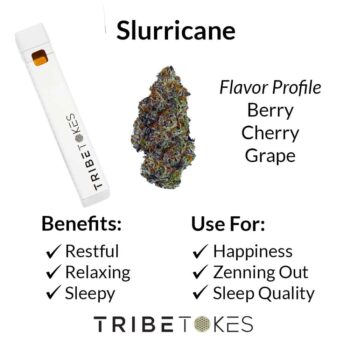
Slurricane (Indica) Live Resin THCa Disposable Vape PenStarting from: $60.00 SHOP NOW This product has multiple variants. The options may be chosen on the product page
-
THCa Vape BOGO | Live Resin – RuntzOriginal price was: $120.00.$60.00Current price is: $60.00. SHOP NOW

Disposable or Cartridge?
The comparison people usually want is simpler than it looks. Same oil, same certificate, different amount of control. A disposable is fixed at whatever its maker chose. A 510 cartridge lets you swap the battery and change the power, and power is the lever that moves both conversion and flavour.
Decarboxylation in One Paragraph
THCa carries a carboxyl group that delta-9 THC does not. Applying heat drives that group off as carbon dioxide and leaves the neutral compound behind. The reaction has been studied on its own terms, including in Acidic Cannabinoid Decarboxylation, because the rate at which it runs depends on both temperature and time.
That dependency is the reason the same oil behaves differently in different hardware. A device is not delivering a fixed dose of a fixed compound; it is running a chemical reaction on demand, and the settings decide how completely it runs.
Why Coil Temperature Sets the Outcome
A coil is a resistance wire. Voltage from the battery pushes current through it, the wire heats, and the oil in contact with it vaporises. Raise the voltage and the wire runs hotter for the same length of pull.
Too cool and the oil barely moves, producing thin vapour and very little taste. Too hot and the aromatic compounds burn off before you can taste them, the wick can char, and the vapour turns acrid. The workable band sits between those, which is why voltage guidance starts at the lowest setting a battery offers and steps up from there.
A Coil Is Not a Flame
Combustion sustains itself. Once flower is lit, the ember keeps burning until the fuel or the air runs out, and the temperature at that ember is well beyond what any conversion needs. A coil does the opposite: it heats only while the button is held or the draw is active, then cools immediately.
That is the practical difference between the two routes. A flame runs the reaction and then keeps going, burning material that has already converted. A coil runs the reaction and stops. The full THCa vape range and whether THCa carts are real both sit on that distinction.
What the Acid Form Actually Is
The compound sitting in an unheated tank is the acid form, reviewed in the literature as its own subject in Can You Pass the Acid Test? Critical Review and Novel Therapeutic Perspectives of Δ9-Tetrahydrocannabinolic Acid A rather than as a version of something else. It is a distinct molecule with distinct behaviour, not an inactive impurity waiting to be fixed.
That framing helps when reading a certificate. The lab reports what is in the oil as filled, and the device produces what you inhale. THCa against THC covers where the two forms diverge, and it is the clearest way to understand why a tank figure and a vapour experience are two separate things. Also in New Jersey: hemp products in New Jersey, CBD oil in New Jersey, THC gummies in New Jersey, Delta 8 THC in New Jersey, THCa flower in New Jersey, CBN in New Jersey and CBG in New Jersey.
Frequently Asked Questions
It is the reaction that removes a carboxyl group from an acid cannabinoid, turning THCa into delta-9 THC. Heat drives it. Until that heat is applied, the raw acid form is what the material contains, which is why the compound in a tank and the compound in vapour are not the same molecule.
That is exactly what a vape does. The coil supplies the heat, the reaction happens as the oil vaporises, and the vapour that leaves the mouthpiece carries the converted form. No conversion takes place in the tank at room temperature.
At the coil and in the vapour immediately around it. Oil travels from the tank through a wick to the heating element, and the element is the only part of the device that gets anywhere near the temperature the reaction needs.
The reaction is the same and the conditions are not. A flame runs far hotter than a coil and burns the material outright, while a coil warms a thin film of oil for a moment and then stops. The vape route is the more controlled of the two, which is why the setting on a battery matters.
Up to a point, and past that point it works against you. Higher temperatures push more material into vapour per pull, and they also burn the lighter aromatic compounds and can scorch the wick. Harsh vapour and a burnt taste are the signs of running past the useful range.
In its acid form it is not intoxicating, and that is the whole basis of the distinction between THCa and delta-9. Heat is the step that changes it. Without heat there is no conversion, which is why the compound behaves so differently before and after.
The wick has not been saturated and the coil has not reached working temperature yet. A short, gentle first draw lets the oil soak into the wick properly. Pulling hard on a cold, dry coil is the fastest way to scorch it.
Some will. Conversion depends on temperature and on how long the material stays at that temperature, and a coil delivers a very brief window. That is one reason two devices with identical oil can feel different from one another.
Yes, and they respond first. The aromatic fraction vaporises at lower temperatures than the cannabinoids, so a low, slow draw tastes of the strain while a hot one tastes of the coil. Flavour dropping off is usually a temperature problem before it is an oil problem.
Yes. Decarboxylation does not create a new compound, it removes a group from an existing one, and the result is identical whether the heat came from a coil, a flame or an oven. THCa against delta-9 covers the difference between the two forms.
Keep exploring: head back to all TribeTokes in New Jersey, shop all THCa vapes or the THCa carts collection, learn what THCa is, browse best sellers, or view our lab results. Shopping for a neighboring state? See TribeTokes in New Hampshire, TribeTokes in Rhode Island, TribeTokes THCa vapes in California and the Georgia THCa vapes page.
These statements have not been evaluated by the FDA. TribeTokes products are not intended to diagnose, treat, cure, or prevent any disease. Not for use by anyone under 21, or by those who are pregnant or nursing. All products contain less than 0.3% hemp-derived Delta-9 THC by dry weight.