
CBN in Virginia
Format changes three things about CBN: how fast it arrives, how long it lasts, and how precisely the amount can be controlled. It changes nothing about what CBN is or what the research supports. A gummy is fixed-dose and slow. A tincture is adjustable and somewhat faster. An inhaled format is fastest and shortest. For Virginia readers choosing between them, the useful question is which of those three variables actually matters for what they are trying to do.
The CBN Lineup for Virginia
-
 CBN Tincture 1,800mg | CBD-Boosted | Nighttime FormulaStarting from: $50.00 SHOP NOW This product has multiple variants. The options may be chosen on the product page
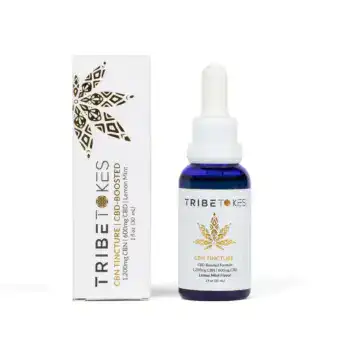
-
CBD + CBN Sleep Gummies | With L-Tryptophan + Vitamin B6Starting from: $45.00 SHOP NOW This product has multiple variants. The options may be chosen on the product page

-
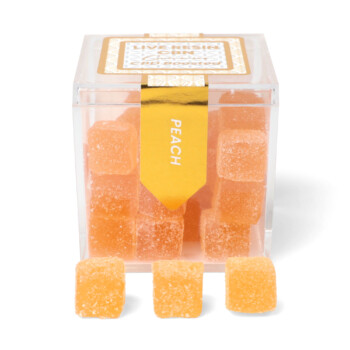
CBN Gummies with Live Resin | CBD-BoostedStarting from: $45.00 SHOP NOW This product has multiple variants. The options may be chosen on the product page
What CBN Is and Where It Comes From
Cannabinol is a non-intoxicating cannabinoid that forms as THC breaks down, and it reaches most products as an isolated ingredient added at a measured amount. Hemp cannabinoid rules sit partly with each state and get revised, so VA readers should check current state guidance rather than a general statement. Format has no bearing on any of that. What format affects is the route the compound takes through the body once it is taken.
CBN for Sleep and Recovery
Route determines onset. Anything swallowed passes through digestion and the liver before reaching circulation, which is why edible formats are slow to start and long to finish. Anything absorbed under the tongue partly bypasses that step, so a tincture held in place acts sooner. Inhaled cannabinoids reach circulation fastest and clear soonest. None of this is specific to CBN. It is how these formats behave with any cannabinoid, and how long CBN lasts depends far more on the route than on the molecule.
CBN vs CBD
The same logic applies to CBD, which is why combination formulas carry both compounds through a single route. A gummy delivers the pair on the same slow curve. A tincture delivers them together as well, just sooner. Comparing a CBN gummy against a CBD tincture moves two variables at once, so hold the format steady when comparing formulas. Timing questions are usually format questions in disguise.
- Gummies: pre-measured, the easy nightly habit.
- Oils: adjustable amounts, faster under the tongue.
- Paired with CBD: the two are commonly formulated together.
- Timing: take it about an hour before bed.
How Much CBN to Take
Dose precision is the practical difference between the formats. A gummy comes pre-divided, which is convenient and rigid; adjusting means halving a piece or taking two. A tincture moves in fractions of a dropper, which suits anyone who wants small steps. Since no established CBN dose exists, the ability to change an amount in small increments is worth more than a headline milligram figure. Dosing questions run into that limit quickly.
Edibles: Slow In, Long Out
A gummy or capsule takes the longest of the three routes. It has to be broken down in the stomach, absorbed in the intestine, and processed by the liver before anything circulates. That sequence adds a delay measured in tens of minutes to a couple of hours, and it stretches the resulting curve out at the other end as well.
The practical consequences follow directly. Onset is unpredictable enough that patience is part of using the format correctly. Duration is the longest of any format, which is the reason edibles dominate the evening category. And the dose is locked at whatever the manufacturer divided it into, so adjustment happens in whole units unless you are willing to cut a piece in half.
Tinctures: Adjustable by the Drop
A tincture is an oil carrying a measured amount of cannabinoid, taken with a graduated dropper. Held under the tongue, part of the dose absorbs through the tissue there and enters circulation without passing through the liver first. The rest gets swallowed and follows the slower route, which is why a tincture often produces a two-stage curve rather than a single clean one.
What a tincture buys you is resolution. Half a dropper, a quarter, or an amount between two marks are all achievable, which matters a great deal in a category with no established dose. Virginia readers trying to work out whether a smaller amount does anything can actually run that test with a tincture. A fixed-dose gummy makes the same test much harder to construct.
Inhaled and Topical Formats
Inhalation is the fastest route, since the compound crosses into the bloodstream through lung tissue directly. Onset is measured in minutes and duration is correspondingly shorter. That profile suits situations where feedback matters quickly, and it suits evening use less well precisely because the curve falls away sooner than a swallowed format would.
Topicals work on a different principle entirely. They are formulated to act where they are applied rather than to circulate, and skin resists absorption by design. That makes them a poor comparison against any ingested format, since the two are not attempting the same thing. Judging a topical by whether it produces a systemic effect is judging it against a goal it was not built for.
What Format Does Not Change
It is worth stating plainly that none of this touches the evidence question. The route of administration changes pharmacokinetics, meaning how much of a compound reaches circulation and when. It does not change pharmacodynamics, meaning what the compound does once it gets there. For CBN, the second half is where the uncertainty sits.
Cannabinol and Sleep: Separating Fact from Fiction examines the sleep reputation attached to CBN and the data behind it, and the data is a small number of old, inconclusive human studies. A faster onset does not upgrade that. Format is a real decision with real consequences for timing and control, and it is a separate decision from whether the ingredient does what the category suggests.
Matching Format to the Question You Are Asking
If the question is about fine adjustment, a tincture answers it, because the amount can move in small steps and the timing is more consistent than an edible’s. If the question is about convenience and a long, flat curve, an edible answers it. If the question involves quick feedback, an inhaled format answers it, at the cost of duration.
Cannabinoids and Sleep: Exploring Biological Mechanisms and Therapeutic Potentials frames cannabinoid and sleep research as an area still being explored, which is the right posture for anyone selecting a format. Choose the one that makes your own comparison cleanest rather than the one described as most effective, since no format has evidence supporting a claim of that kind for CBN specifically.
Onset Variability and Why It Trips People Up
The delay before a swallowed format registers is not fixed, and the spread between people is wide enough to cause real problems. Stomach contents, meal composition, individual metabolism and the format itself all move the timing. Someone who took the same gummy last week and noticed something within an hour can take it again after a heavy dinner and wait considerably longer for anything at all.
That variability is why redosing is the most common mistake with edibles. Taking a second serving because the first has not registered stacks two amounts whose curves then overlap, and the result bears no relationship to either serving on its own. Holding to one serving for a full evening, even when nothing seems to be happening, is the only way to learn what that serving does. Virginia readers comparing two formulas need that discipline more than they need a larger amount.
Timing also interacts with what a person is trying to compare. Judging a format on the night you took it is judging onset. Judging it the next morning is judging duration plus everything else that happened in between, most of which has nothing to do with the product. Separating those two judgments, and writing down which one you are making, is the difference between a comparison and an impression. Most people run the second and describe it as the first.
Carrier and Base: the Part of the Format Nobody Reads
Every format carries the cannabinoid in something, and that something has effects of its own. Tinctures use a carrier oil, commonly MCT or another plant oil, and the choice affects taste, viscosity and how the liquid behaves when cold. Gummies use a gelling agent that sets the texture and determines whether the format suits someone avoiding animal-derived ingredients. Capsules use a shell with the same consideration attached to it.
None of that changes the cannabinoid, and all of it changes the experience of using a product night after night. A tincture that tastes unpleasant gets taken inconsistently, which ruins any attempt to evaluate it. A gummy with a texture someone dislikes has the same problem. Consistency is the scarce resource in a category with no established dose, and the base is one of the quiet reasons people fail to stay consistent.
Format also decides how easy a product is to keep consistent when a routine breaks or when someone is travelling. A bottle with a dropper wants a flat surface and reasonable light. A pre-divided format wants neither, which is a small advantage that compounds over weeks. Comparing options in Virginia? See hemp products in Virginia, CBD oil in Virginia, THC gummies in Virginia, THCa flower in Virginia, THCa vapes in Virginia and CBG in Virginia.
Frequently Asked Questions
Inhaled formats reach circulation quickest, because the compound crosses into the bloodstream through the lungs without passing through digestion. Sublingual tinctures come next, partly absorbing through tissue under the tongue. Edibles are slowest, since everything swallowed has to be digested and processed by the liver before any of it circulates.
Longer than most people expect, and the range is wide. Digestion speed, whether the stomach is empty, and individual metabolism all shift the timing. The practical consequence is that taking a second serving because the first has not registered yet is how people end up with far more than they intended.
For fine adjustment, yes. A dropper can be filled partially, so the amount moves in small steps rather than jumping between whole units. A gummy is fixed at whatever the manufacturer divided it into. Since there is no established CBN dose to aim at, the format that lets you move in small steps is the more useful experimental tool.
Format changes how quickly the compound enters circulation and how the concentration curve rises and falls, which affects how long effects are noticeable. Elimination from the body follows its own timeline driven by metabolism and the amount taken. The two questions get conflated often, and they have different answers.
Topical formats are designed to act on the area where they are applied rather than to circulate widely, and skin is an effective barrier. That makes a topical a poor choice for anyone whose interest is a whole-body effect and a reasonable one for anyone focused on a specific area. Transdermal patches are a separate category built specifically to cross that barrier.
Food affects how cannabinoids are absorbed, since these compounds are fat soluble and travel with dietary fat through digestion. The practical effect is variability: the same gummy can behave differently on an empty stomach than after a meal. Keeping that variable consistent makes any personal comparison between products more reliable.
Generally yes. Fast onset and short duration tend to travel together, because a compound that reaches circulation quickly also reaches its peak concentration quickly and then declines. That trade is the core difference between inhaled and swallowed formats, and neither one is better in the abstract.
No. Changing the route of administration changes the timing of exposure, not the underlying evidence for what the compound does. The published human work on CBN is small, dated and inconclusive regardless of format, so a faster onset does not make a stronger claim possible.
Whichever one you use consistently. Comparison only works when a single variable moves, so switching from a gummy to a tincture while also switching brands produces a result that cannot be attributed to either change. Holding the format fixed and changing one formula at a time is the only version of this that yields usable information.
Both are swallowed, so both follow the slow digestive route, and the difference is mostly practical. Capsules avoid added sugar and flavoring and tend to hold a more precise fill. Gummies are easier to divide by halving. Neither offers an absorption advantage over the other in any way the evidence distinguishes.
Related reading: CBN in Maryland, CBN in North Carolina, the TribeTokes CBN gummy formulas, and how CBN works and how much to take.
These statements have not been evaluated by the FDA. TribeTokes products are not intended to diagnose, treat, cure, or prevent any disease. Not for use by anyone under 21, or by those who are pregnant or nursing. All products contain less than 0.3% hemp-derived Delta-9 THC by dry weight.