
THCa Vapes in Virginia
A coil is the only part of a THCa vape that does anything. Everything else stores, holds or carries; the coil converts electrical energy into heat and hands that heat to oil sitting in a wick. Which material it is made from, how quickly it reaches temperature, and how much heat it keeps between draws decide what comes off the oil and in what order. That is why two devices holding the same batch of oil can read differently in the hand. This page covers the materials in use, the thermal behavior each produces, and what taste tells you about heat.
The THCa Vapes Lineup for Virginia
-
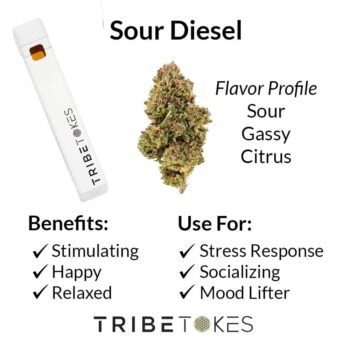
 Sour Diesel (Sativa) Live Resin THCa Disposable Vape PenStarting from: $60.00 SHOP NOW This product has multiple variants. The options may be chosen on the product page
-
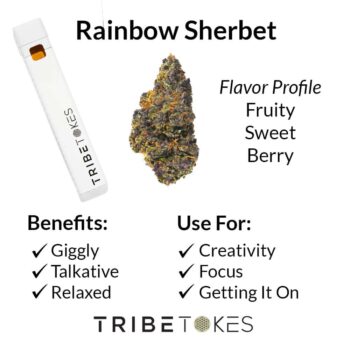
Rainbow Sherbet (Hybrid) Live Resin THCa Disposable Vape PenStarting from: $60.00 SHOP NOW This product has multiple variants. The options may be chosen on the product page
THCa Vape Strain Profiles
Hybrid
Sativa
Indica
Hybrid
Hybrid
Sativa
Are THCa Vapes Legal in Virginia?
Not at retail, as the law stands today. Virginia counts THCa toward total THC, and since August 15, 2026 hemp products, vapes included, are capped at 2mg of total THC per package. A federal judge declined to block that cap in August 2026. Adults 21 and up can possess marijuana, and licensed stores open July 1, 2027. Here’s how THCa vapes work, so you know what you’re looking at.
Virginia measures hemp on a total-THC basis, which puts high-THC vapes outside what it allows, so read your own state and local rules before anything here becomes a plan. The engineering is the same everywhere. Heat applied to strain-specific THCa oil produces a predictable sequence, and understanding that sequence explains most of what people notice about a cart.
How We Fill and Test THCa Vapes
Hardware is chosen around the oil rather than the other way round. Strain-specific THCa oil is viscous and rich in volatile compounds, so the heating element has to be hot enough to vaporize it and even enough not to scorch what sits closest. Uneven heat is what produces the harsh edge people blame on the oil. Every batch behind the THCa vapes is screened by an outside lab for cannabinoid potency and contaminants, so what varies between devices is thermal behavior rather than composition.
Pick Your Strain
Strain grouping and coil behavior interact more than most product pages admit. An oil carrying a heavier volatile fraction gives up its character earlier under heat, so a bright, aromatic profile and a hot coil are a poor match. A denser profile tolerates more heat before it turns flat. Compare the THCa carts and the THCa disposable vapes, and start with shorter draws on anything you have not run before.
Disposables: Nothing to Refill
A sealed disposable is a fixed pairing of coil and oil, specified together and unchangeable afterward. That removes the mismatch problem entirely, since neither half can be swapped for something that suits it worse. It also removes your ability to correct one, which is the trade. Nothing about the format changes the heating physics itself, and nothing about it changes how the oil was tested. A disposable and a cart drawn from one run of oil sit behind the same lab report.
-
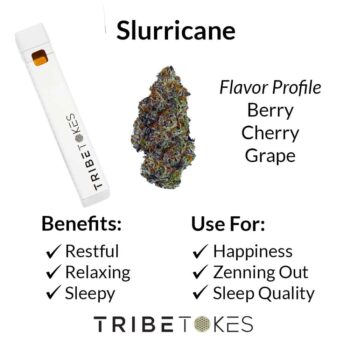
Slurricane (Indica) Live Resin THCa Disposable Vape PenStarting from: $60.00 SHOP NOW This product has multiple variants. The options may be chosen on the product page
-
THCa Vape BOGO | Live Resin – RuntzOriginal price was: $120.00.$60.00Current price is: $60.00. SHOP NOW

Disposable or Cartridge?
A 510 cart lets you keep the heating element and change the oil, or keep the oil and change nothing at all. Since the coil sits inside the cartridge, a new tank is also a new heating element, which is why a fresh cart often reads cleaner than the end of the last one. That is the element, not the batch, and it is worth knowing before anyone concludes that an oil got worse. THCa vs THC covers what the heat is actually converting.
What the Coil Is Actually Doing
Two transfers happen in sequence. Electrical energy becomes heat in the element, and that heat moves into the thin film of oil held against it by the wick. Vapor forms at the boundary between the two.
Everything people describe as the character of a cart happens at that boundary. Too little heat and the oil never leaves the wick. Too much and compounds that should arrive gradually all arrive at once, which reads as harsh rather than strong.
What the Material Changes
Ceramic and quartz elements heat a body of material, so energy spreads over a surface and temperature rises more gradually. A bare metal element heats a wire, which concentrates energy at the wire itself and reaches temperature faster.
Neither is universally better. A faster element suits short draws and thicker oil; a slower one suits longer draws and volatile profiles. What matters is whether the element’s behavior matches the oil it was paired with, and whether you draw in a way that suits both.
Volatility Sets the Order of Arrival
Compounds leave oil in order of how easily they evaporate. The aroma fraction goes first, at temperatures well below what cannabinoids require, which is why the smell of a fresh cart is strongest on the first few draws.
That order is fixed by chemistry and cannot be negotiated. What you can change is how fast you move through it. Gentler heat stretches the aroma phase across more of the tank; aggressive heat compresses it into the first quarter.
Reading Heat Through Taste
Taste is a usable thermometer if you know what to listen for. Flattening aroma means the volatile fraction is being driven off faster than it is being replaced. Sharpness at the back of the throat means the element is well above where it needs to be.
A scorched note is a different signal entirely, and it means the element fired against a wick with too little oil in it. That is the one worth acting on immediately, because it is the only one of the three that damages the element. Keep exploring Virginia with hemp products in Virginia, CBD oil in Virginia, THC gummies in Virginia, THCa flower in Virginia, CBN in Virginia and CBG in Virginia.
Frequently Asked Questions
Across the category, heating elements are built around ceramic, quartz or a metal alloy, paired with a wicking material that holds oil against the element. The element supplies heat and the wick supplies oil, and the two have to keep pace with each other. A mismatch in either direction is what produces a harsh or a weak draw.
A ceramic element heats a porous body rather than a bare wire, so heat spreads across a surface instead of concentrating at a single point. The practical effect is a slower ramp and a more even temperature across the oil in contact with it. Even heat is the property that matters here, not the material’s name.
It changes which compounds leave the oil first. Aroma compounds are volatile and come off at lower temperatures than cannabinoids, so an element that runs hot or unevenly pushes them out early and leaves a flatter draw behind. Same oil, different sequence.
Because heat accumulates faster than the wick can replace what has been vaporized. A short draw takes heat out of the element along with vapor. A long one keeps supplying energy to an element that is already hot and to a wick that is running behind, which is where scorched notes come from.
Virginia applies its hemp rules to products shipped into the state, not just store sales, so online THCa vapes fall under the same 2mg per package cap. Some products have state restrictions, so check the product page before you order.
Less oil is left to carry heat away, so the element runs hotter against a wick that is only partly wet. That combination emphasizes the heavier compounds and thins the aroma. It is a thermal condition rather than a defect in the oil.
It converts it. Applying energy removes the acid group and leaves delta-9 THC, the reaction covered by research on Acidic Cannabinoid Decarboxylation. The coil exists to run that conversion deliberately and in a controlled way rather than by accident.
Aroma compounds are far more volatile than cannabinoids. They can be measured in the air directly above a sample, which is the basis of the headspace method used in Identification of Terpene Compositions in the Leaves and Inflorescences of Hybrid Cannabis Species Using Headspace-Gas Chromatography/Mass Spectrometry. Anything that escapes a warm tank on its own escapes a hot coil first.
Three signals arrive in order: aroma flattens, the vapor feels sharp at the back of the throat, and a scorched note appears. Shorter draws with pauses reverse the first two. If the third has arrived, the wick was dry when the element fired.
THCa vapes are restricted in Virginia. The state counts THCa toward total THC, and since August 15, 2026 every hemp product, vapes included, is capped at 2mg of total THC per package. Licensed marijuana stores open on July 1, 2027.
Related reading: can you vape THCa, are THCa carts safe, how THCa flower is made, and the THCa vape starter kits.
These statements have not been evaluated by the FDA. TribeTokes products are not intended to diagnose, treat, cure, or prevent any disease. Not for use by anyone under 21, or by those who are pregnant or nursing. All products contain less than 0.3% hemp-derived Delta-9 THC by dry weight.