
CBD Oil in Virginia
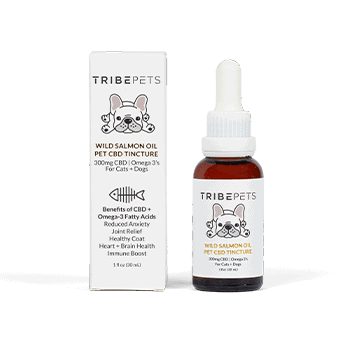
Pet CBD is its own product class, not a smaller pour from the human bottle. The carrier changes, the concentration changes, and the serving is measured against the animal’s weight rather than a person’s. That is the practical answer for a Virginia household looking at a dog on the sofa and a tincture on the counter, wondering whether the two have anything to do with each other. TribeTokes builds its pet oil as its own item, with its own lot number and its own independent lab report. The company has been woman-owned since 2017. We ship our full CBD lineup to Virginia addresses, from tinctures to gummies to pain cream, and standard shipping takes 2 to 5 business days.
The CBD Lineup for Virginia
-
 THC-Free CBD Oil Tincture 1,800mg | CBG-BoostedStarting from: $50.00 SHOP NOW This product has multiple variants. The options may be chosen on the product page
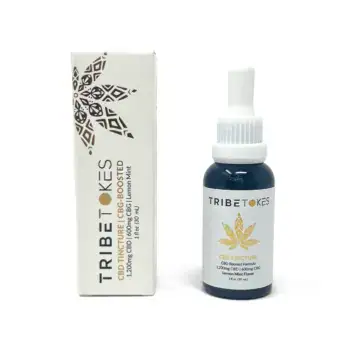
-
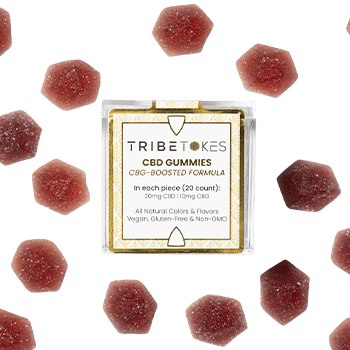
CBD + CBN Sleep Gummies | With L-Tryptophan + Vitamin B6Starting from: $45.00 SHOP NOW This product has multiple variants. The options may be chosen on the product page

-
Save $10: You Pick 2 Tinctures | Build Your Own BundleOriginal price was: $100.00.$90.00Current price is: $90.00. SHOP NOW This product has multiple variants. The options may be chosen on the product page

Is CBD Legal in Virginia?
Yes, CBD is legal in Virginia. The one catch is THC: since August 15, 2026, any hemp product, CBD included, can carry no more than 2mg of total THC per package, and the old exception for high-CBD products is gone. Pet CBD and topicals follow their own labeling rules. Here’s what to look for before you buy.
Virginia handles hemp-derived CBD through its own hemp program rather than through its cannabis rules, and non-intoxicating CBD is the least complicated category inside it. The more useful question for a pet owner is which product was formulated for an animal in the first place. A human tincture and a pet oil both say CBD on the front and are not interchangeable behind it, because concentration, carrier and everything added for taste were decided with two different species in mind.
CBD Across Virginia
The difference starts with the carrier. Animals will not tolerate the flavour work that goes into something built for people, so a pet format is usually a plain oil with a graduated dropper, given over food or straight, at a much lower cannabinoid concentration per millilitre. Nothing about it is a shrunken gummy. Sweeteners, colours and the firm chew that makes a gummy work for a person are exactly the parts you do not want near a dog’s bowl, and the dropper exists because an animal’s serving needs finer control than a fixed piece of candy can give.
CBD, by Format
For a person the format question is preference. For an animal it is cooperation, whatever the dog will actually accept without turning its head away. An oil measured onto food solves that for most dogs. Cats are harder, usually needing a smaller amount on something they already trust, and plenty of them simply refuse. The human formats stay on the human side of the house, which is why whether a dog can have a CBD gummy is a question about the rest of the ingredient list rather than about the CBD.
- Gummies: pre-measured, easy daily habit.
- Tinctures: adjustable amounts, faster under the tongue.
- Topicals: applied to one area rather than taken internally.
- Pets: oils made for dogs and cats.
How Much CBD to Take
Pet servings scale with body weight, which is why a pet label bands its amounts by size instead of printing one number for every animal. Start at the lowest band that covers yours, stay there for several days, and change one variable at a time. A twelve-pound terrier and an eighty-pound retriever are not on the same scale, and a cat is on neither. Write down what you gave and when, because a week later that note is the only thing standing between you and a guess.
Why the Pet Oil Is Formulated Separately
Three things change when a formula is built for an animal. The concentration drops, because a serving measured for a twenty-pound dog has to be readable on a dropper rather than lost in a rounding error. The carrier changes, because the oils and emulsifiers that make a human product pleasant are not chosen with a cat’s palate or a dog’s stomach in mind. And the additions come out: no colouring, no sweetener, no flavour system built for a person.
What is left is deliberately plain. A pet oil is meant to disappear into food or go straight from the dropper, and the fewer things it brings along, the fewer variables an owner has to think about.
This is also why decanting a human tincture into a pet’s bowl is the wrong instinct even when the maths looks fine. You would be scaling the cannabinoid and carrying everything else along at full strength.
There is a second reason the separation is worth keeping. When the pet product is its own item with its own lot number, it has its own potency table, and you are reading a document about the thing in front of you rather than doing arithmetic on a document about something else. Owners who mix the two lose that, and the first thing to go is the ability to say precisely what an animal received.
Dogs and Cats Are Not the Same Problem
A dog is usually the easier case. Food carries it without a fuss, weight bands cover a wide range of sizes, and most dogs will accept an oil poured over dinner without noticing it happened.
Cats are a different exercise. They are smaller, so the same absolute amount represents a much larger share of the animal, and they are far more particular about anything new in the bowl. The practical result is a smaller serving, a higher chance of outright refusal, and a stronger reason to involve a veterinarian before starting rather than after.
Weight is doing most of the work in both cases, which is why every pet label bands its servings rather than printing a single figure. A band is not a precise prescription; it is a starting range wide enough to be useful and narrow enough to keep an owner from improvising. Where an animal sits inside that band, and whether it should be there at all, is a question for the person who examines it.
Owners searching for the alarming version of this question are usually looking for a floor, not a ceiling. We answer those directly at can CBD kill a dog and can CBD kill a cat, and the short version is that the label’s weight bands and a veterinarian’s input exist precisely so that owners are not guessing.
What the Absorption Research Covers
How a cannabinoid is absorbed, where it goes and how quickly it clears are all questions the pharmacology literature has taken seriously. Pharmacokinetics of Non-Psychotropic Phytocannabinoids is the kind of work that maps that ground for compounds in this class, and it is a useful corrective to the assumption that a milligram on a label equals a milligram in an animal.
The second thing worth knowing is that a full spectrum extract is a mixture, not a single compound, and the idea that the mixture behaves differently from its parts has been examined rather than simply asserted. Decoding the Postulated Entourage Effect of Medicinal Cannabis: What It Is and What It Isn’t sets out what that concept does and does not establish, which is a more honest starting point than either the marketing version or the dismissal.
Neither of those is a statement about what any product does for an animal. They are context for why a pet formula is designed as its own thing rather than scaled from a human one.
Reading a Pet Label Against Its Report
A pet oil’s label carries two numbers worth finding: the total cannabinoid content of the bottle and the amount per millilitre or per dropper mark. The second one is the working number, because that is the unit you actually measure.
Then open the batch report and check that the potency table agrees with the label, and read the THC row while you are there. On an animal a fraction of your size, a trace figure is a larger proportion of a smaller body, which is reason enough to prefer a formula whose report reads ND if that matters to you.
A report that cannot be found for the lot number in your hand is a report that does not help. Keep the link with the bottle.
The Veterinarian Comes First
This is the part that gets skipped and should not be. A veterinarian knows the animal’s history, its current medications and the things that make a general answer inapplicable to your particular dog or cat. Nothing on this page substitutes for that conversation, and nothing about a hemp product changes the order of operations.
Bring the actual product to the appointment, or a photograph of the label and the batch report. A specific bottle with a specific potency table is a far better basis for a conversation than a general question about CBD, and it lets the veterinarian answer about the thing you are actually holding.
If the answer is no, or not yet, or not with this animal, that is a real answer. Virginia owners in VA get the same advice everyone else does here: the animal’s clinician outranks anything written on a product page, including this one. Also in Virginia: hemp products in Virginia, THC gummies in Virginia, THCa flower in Virginia, THCa vapes in Virginia, CBN in Virginia and CBG in Virginia.
Frequently Asked Questions
No. CBD is non-intoxicating in animals for the same reason it is in people: the intoxicating effect belongs to THC, which acts on receptors CBD does not engage in that way. What matters on a pet product is the THC row of the batch report, since a small animal and a large person are not receiving the same relative amount of anything.
CBD oil is sold in shops across Virginia, and you can also order online. Our CBD oil tinctures come with a public COA on every batch, and standard shipping takes 2 to 5 business days.
Yes. Hemp-derived CBD is legal in Virginia. Since August 15, 2026, CBD products, like all hemp products, can carry no more than 2mg of total THC per package, so check the COA for the THC number, not just the CBD number.
Dogs are the animal most pet formulas are designed around, which is why the pet oil is dosed by weight bands and carries a plain carrier rather than flavouring built for people. The starting point is your veterinarian, who knows the animal’s history and anything else it is taking. Background reading sits at can dogs have CBD.
Cats come with their own considerations, starting with size and ending with the fact that most of them will simply refuse an oil they dislike. The serving is far smaller than a dog’s and the margin around it is narrower, so a veterinarian’s input matters more, not less. We cover the question at can cats have CBD.
It is, and the differences are not cosmetic. A pet oil uses a lower cannabinoid concentration per millilitre, a carrier chosen for an animal, no human sweeteners or colours, and a dropper that allows a serving far smaller than a person’s. The molecule is the same. Everything built around it is not.
Work from the weight bands printed on the pet oil’s own label rather than converting from a human product, and start at the lowest band that covers your animal. Hold it there for several days before considering any change. A veterinarian who knows the dog is better placed than any chart to tell you whether to change it at all.
A human gummy was formulated for a human: the serving size, the sweeteners, the colours and the texture were all decided with a person in mind. That is the reason a pet product exists as a separate item rather than as a smaller portion of the same jar. Read the whole ingredient list, not just the cannabinoid line, and ask your veterinarian first.
That is a question for the veterinarian who knows your animal, and it is the right first call before anything else happens. We keep a general discussion of the topic at do vets recommend CBD for dogs, which sets out what the conversation usually covers.
Check the THC row on that batch’s Certificate of Analysis, the same way you would for a human product. A broad spectrum or isolate-based formula generally reads ND, meaning not detected above the lab’s threshold, while a full spectrum extract carries a small figure instead. On an animal weighing a fraction of a person, that row deserves more attention rather than less. Whether CBD contains THC comes down to which extract was used.
Keep exploring: head back to all TribeTokes in Virginia, shop all CBD, browse the full cannabinoid collections, or view our lab results. Close by, see CBD in Washington, D.C. and CBD in Maryland.
These statements have not been evaluated by the FDA. TribeTokes products are not intended to diagnose, treat, cure, or prevent any disease. Not for use by anyone under 21, or by those who are pregnant or nursing. All products contain less than 0.3% hemp-derived Delta-9 THC by dry weight.