
Sativa
Durban Poison Strain
Pure sativa · sweet pine and citrus · the sharpest morning strain here
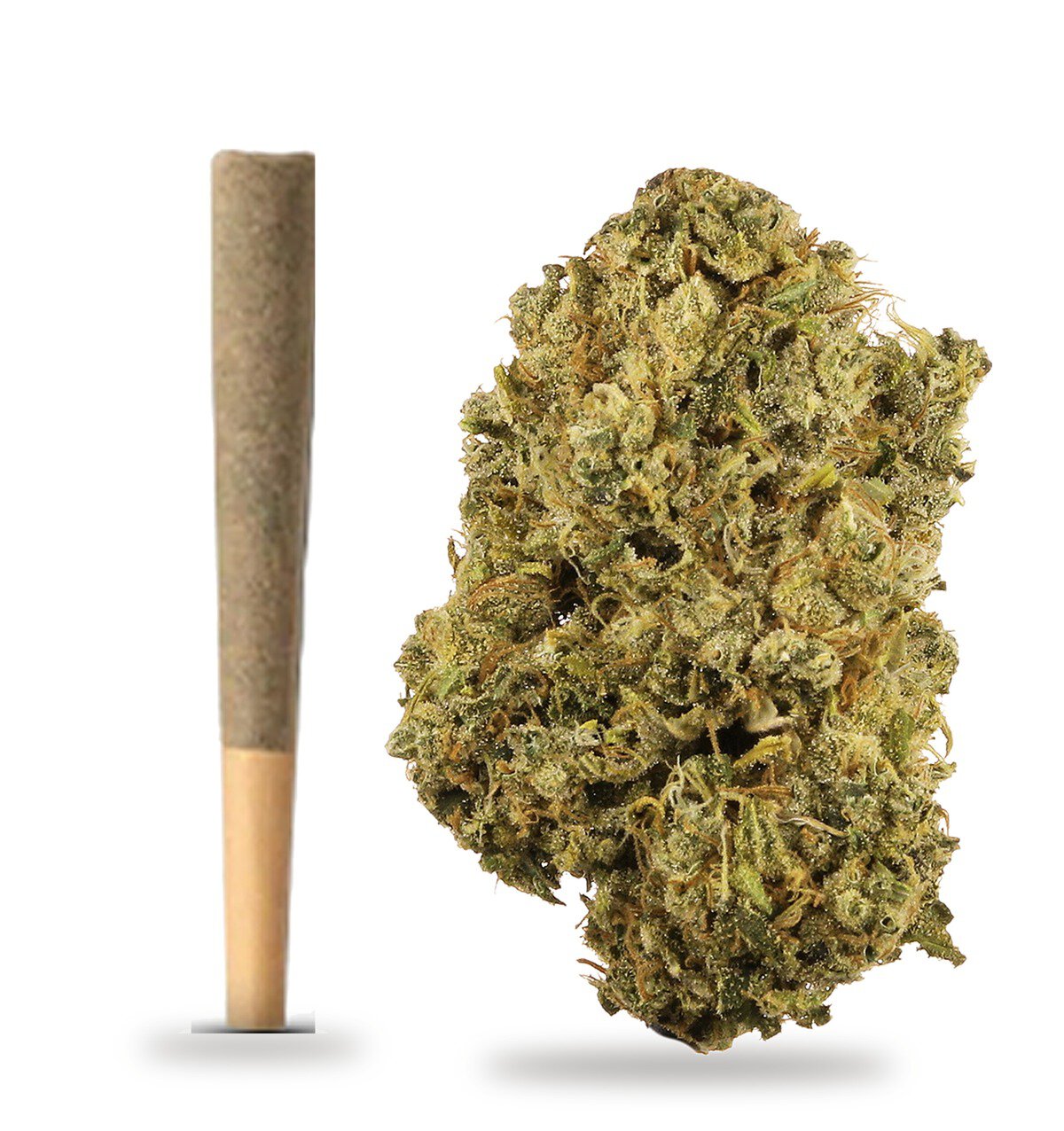

| Flavor profile | Licorice, Earth, Pine |
|---|---|
| Reported feel | Focused, Energetic, Clear-headed |
| Strain type | Sativa, pure |
The short answer
Durban Poison is a pure sativa, one of the few true landrace strains still widely sold, and it comes from the South African port city it is named after. Reported effects are the most plainly energizing on the menu: bright, quick, and close to free of body weight. The flavor is sweet and piney with an anise edge that sets it apart from every other sativa here. This is a morning strain. We sell it four ways, all lab tested: THCa flower, THCa pre-rolls, a live resin THCa cart and a live resin THCa disposable.
THCa is what our lab measures in hemp, so each format above arrives with its own percentage.
Sativa (Morning)
Licorice, Pine
Focused, Energetic
🧪 Third-Party Lab Tested 👩💼 Woman-Owned Since 2017 🏆 Est. 2017
Shop Durban Poison
Durban Poison THCa flower
An eighth of indoor-grown flower, on its own product page, with its own certificate.
Starting at $45
Durban Poison pre-rolls
Five whole-flower joints, mini or regular. Already rolled, and the cheapest way to meet the strain.
Starting at $35
Browse the whole flower line
Every strain on the flower line is grown to the same spec and tested at the same lab. If Durban Poison sells out, the shelf next to it is the same shelf.
Durban Poison live resin cart
A full gram of THCa live resin in a 510 cart. The terpinolene survives the extraction.
Starting at $60
Durban Poison live resin disposable
All-in-one, nothing to charge or screw together. THCa live resin, not distillate.
Starting at $60
Live resin carts, pick 2
Two full-gram carts, twenty dollars off. Mix Durban Poison with another strain.
$100
Flower, pick 2
Two eighths, ten dollars off. Mix Durban Poison with another strain off the same line.
$80
Pre-rolls, pick 2
Two 5-packs, up to ten dollars off. Mix Durban Poison with another strain.
Starting at $65
Flower, pick 3
Three eighths, twenty dollars off. Durban Poison plus two more off the same line.
$115
Durban Poison at a glance
| Strain type | Sativa, pure |
| Best time | Morning |
| Tastes like | Sweet pine and citrus, with an anise edge |
| Feels like | Alert and clear-headed, with the senses turned up |
| Top terpenes | Terpinolene, beta-myrcene, d-Limonene |
Is Durban Poison indica or sativa?
Durban Poison is a pure sativa, and one of the very few strains where that’s literally true.
Almost everything sold as a sativa today is a hybrid that leans one way. Durban Poison isn’t. It came out of South Africa as a landrace, meaning it developed in one place over a long time without anybody crossing it with anything, and it has stayed unusually intact since. When people talk about what a sativa is supposed to feel like, this is the reference plant.
In practice that means mornings. Alert, upright and quick, with no body weight to speak of, and nothing about it that suits an evening.
The vocabulary matters here. A sativa dominant hybrid is a cross that leans one way; a pure sativa strain like this one is a landrace strain with no indica parent at all. Most sativa strains and hybrid strains on any menu are the first kind. As a cannabis strain, Durban Poison is the rarer second kind, which is why its reported effects run cleaner than a dominant hybrid that still carries some indica weight.
Durban Poison strain effects
Durban Poison feels sharp, clear and alert, with almost nothing happening in the body.
The onset is quick and it lands entirely in your head. What people notice first is that things get easier to look at: colors, sound and detail all come forward slightly, and there’s a briskness to thinking that reads as useful, never frantic. It’s a regular on our daytime focus picks, especially for anyone who wants clarity without the jitteriness some sativas bring.
The absence is as important as the presence. There’s essentially no couch pull here, no heaviness building underneath, and no point at which it turns into a wind-down. That makes it one of the few strains you can take mid-morning without writing off the rest of the day.
It runs cleaner than most strong sativas too. The jittery edge that makes people give up on the category is largely missing, which is the single most useful thing to know before trying it.
Good for: mornings, focus, creative work, walking, anything outdoors, and getting started on something you’ve been avoiding. Bad for: sleep, winding down, and the hour before you want to be still.
How the lift builds and fades follows the general sativa effects timeline, with Durban Poison reported at the quick, clear headed end of it.
It is the daytime pick on our guide to the best strains for sex and romance, for people who want energy rather than couch.
Does Durban Poison make you sleepy?
By every report we get, no. Durban Poison is described as the opposite of sleepy: alert, clear headed and easy to stay productive on, with no couch lock. It is the strain people switch to when a sativa dominant cross has left them drowsy mid-morning. Effects are reported, not guaranteed.
What Durban Poison tastes and smells like
Durban Poison tastes of pine first, then orange peel, with licorice sitting under both.
It arrives first and it’s the bright, needle-fresh kind. Behind it there’s an orange-leaning citrus and then the note that makes this one distinctive: a licorice or anise sweetness that almost nothing else on a menu has. Once you’ve noticed it you can pick this strain out blind.
It smells clean. There’s no gas, no skunk and very little earth, which is unusual for something this old and this pure.
If your usual picks are candy or dessert strains, this will read as herbal and grown-up.
Durban Poison terpenes
Durban Poison runs terpinolene first, beta-myrcene second, d-Limonene third.
Durban Poison’s terpene profile is unusual because terpinolene leads. Sour Diesel, for comparison, leads with beta-caryophyllene. Terpinolene is the compound behind the sweet, piney, slightly floral top note (terpinolene on PubChem), and when it sits first the whole profile reads bright and piney rather than fruity or gassy.
Beta-myrcene sits second and adds the earthy base that keeps the anise edge from floating off. d-Limonene third is the citrus flash on the exhale. Those three dominant terpenes are why Durban Poison terpenes get described as pine, anise and lemon in that order.
The terpene content of our oil is measured on every batch and the COA sits on the product page. Our cannabis terpene chart covers what each of these smells like across the rest of the line.
Terpinolene
Leads, and that alone makes this profile rare. Terpinolene sits at the top of maybe one strain in ten, and it’s the compound behind the piney, faintly herbal, faintly anise character you taste. It’s the terpene most associated with feeling alert, which lines up exactly with how this one behaves.
Beta-myrcene
Second, and it’s doing less work here than it does almost anywhere else. Myrcene is the terpene most linked to a heavy body feel, and the fact that terpinolene outranks it is a clean chemical account of why this strain has so little weight to it.
d-Limonene
Third. The citrus lift, and the reason it reads fresh.
That’s the profile in our Durban Poison oil. Flower reads differently, because making the oil trims some of the aroma away, and terpene names predict smell and feel rather than strength.
How strong is Durban Poison?
Durban Poison is moderate to strong as flower, and it feels sharper than the number suggests.
Our Durban Poison THCa flower tests between 22 and 28% THCa, which is high for a landrace sativa, since landrace genetics usually run milder than modern crosses. Our flower and pre-rolls sit inside that range. THC content on a hemp label is really THCa content: THCa converts to THC when heated, which is why the THC levels are quoted as THCa. The reason it can feel stronger than a similar number on a sweeter strain is that all of it goes to your head with nothing in the body to absorb it.
Our vapes test far higher than flower because a concentrate number describes concentration, not how hard something hits; the figure for your batch is on the COA linked from the product page. Comparing a cart figure to a flower percentage is the most common mistake people make on a page like this one, and the two are simply measuring different things.
One draw, two minutes, then decide. With a strain this quick and this cerebral, that pause is the whole technique.
Is Durban Poison a strong strain?
Strong in the head and light in the body is how people report it. The flower tests between 22 and 28% THCa, high for a landrace, but the reason it reads as strong is speed and clarity rather than weight. Potent effects here mean sharp and quick, not heavy.
Durban Poison side effects
The side effects people report most are dry mouth and dry eyes. At higher doses some describe feeling wired or racy, which is what too much cannabis looks like on a strain this quick. Start low, wait, and keep water nearby. If sharp sativas usually leave you uncomfortable, a smaller first draw is the whole adjustment.
Where Durban Poison comes from
Durban Poison takes its name from the port city of Durban, in South Africa, where it grew as a local plant long before anyone was selling seeds.
That’s what landrace means: a population that adapted to one place over generations, without deliberate crossing. South African summers are short, so the plants that survived were the ones that finished fast, and that trait came with them when the strain traveled. It’s the reason Durban Poison is early and quick where most sativas are slow.
Being a landrace also explains why it tastes the way it does. Modern strains are bred toward sweetness because that’s what sells, and this one was never bred toward anything. The anise note is what the plant does on its own.
That matters because there are fewer versions of Durban Poison in circulation than of almost any popular strain, so what you get under the name is more predictable than usual.
Does Durban Poison still exist?
Yes. The landrace still circulates, and TribeTokes sells it four ways: THCa flower, THCa pre-rolls, a live resin THCa cart and a live resin THCa disposable. Fewer versions exist under the name than for most popular cannabis strains, so what you buy is closer to the original than usual.
Growing Durban Poison: flowering time and plant shape
Growing Durban Poison has a reputation for being forgiving, and the reason is already on this page: the plants adapted to short South African summers, so the strain finishes early. TribeTokes does not sell seeds or publish a grow guide, and flowering time and yield figures vary by source, so we do not quote one. If you grow, treat the early finish as the one trait everyone agrees on and check your own region’s rules first.
Durban Poison compared to Green Crack and Sour Diesel
Durban Poison, Green Crack and Sour Diesel are three daytime sativas, and they separate cleanly on flavor and on edge.
Green Crack is the closest on effect. Same clear, fast, get-things-done character, but green citrus instead of pine and anise, and a slightly busier feel. Take the Green Crack if you want more push. Take the Durban Poison if strong sativas usually leave you wired, because this is the smoother of the two.
Sour Diesel is the loud one. Same energy, but pungent fuel instead of clean pine, and a sharper lift that some people love and some find uncomfortable. Take the Sour Diesel for the smell and the intensity, and take this one when you want the same clear head without announcing it to the room.
Durban Poison for the cleanest lift, Green Crack for the most drive, Sour Diesel for the character.
Does Durban Poison have THCV?
Durban Poison is the strain most often associated with THCV, and the honest answer is that the amounts are small.
THCV (tetrahydrocannabivarin) is a separate cannabinoid that gets discussed because it behaves differently from THC at low doses. Durban Poison and its descendants come up more than anything else in that conversation, and that reputation is real enough that plenty of people arrive here specifically looking for it.
What matters is scale. Even in the strains most associated with it, THCV usually appears in small fractions of a percent rather than in the double digits THC reaches. So it’s reasonable to say the compound is present in this family and unreasonable to build expectations around it.
Every label states what is actually in the jar, and your batch certificate sits on the product page. If THCV specifically is what you’re after, read that, not the strain name. For how the cannabinoid actually behaves, see THCV vs THC, and for products dosed at 15mg, the THCV collection. If you want THCV without the flower, you can buy THCV gummies with a measured dose.
What is Durban Poison good for?
Durban Poison is for starting the day, and doing things while you’re in it.
This is the strain people most often describe as functional, and daytime use is the whole point. The clear headed lift, the speed and the near-total absence of body weight mean you can use it, stay productive and then go and do something, which isn’t true of most of the menu, and it’s why people who thought they didn’t like cannabis sometimes get on with this one.
It suits creative work particularly well, and it suits movement: walking, cleaning, cooking, anything where the useful thing is momentum. It’s also a good social strain in the daytime, because it makes people talkative without making them scattered.
Where it’s the wrong pick: anything after about four in the afternoon, any evening where you want to stop, and anyone who finds sharp sativas uncomfortable. It won’t help you rest and it isn’t trying to.
What we sell, and where to buy Durban Poison
We sell Durban Poison four different ways. It is one of the handful we also press into oil.
THCa flower, by the eighth. Small-batch indoor. The traditional route, and the one where the anise note comes through most clearly.
THCa pre-rolls, five to a jar. The same flower with the rolling done.
THCa live resin disposable. Charged and ready, and the simplest way to try the strain if you don’t already own hardware.
THCa live resin cart. Any 510 battery runs it, and per gram it is the better value of the two vape options once you own one.
Live resin, on the two vapes, means the terpenes came off the plant and were never added back afterward. That matters more here than on most strains, because terpinolene is delicate and it’s the first thing lost in a cheaper extraction. A flat Durban Poison tastes generically piney and loses the thing that makes it worth choosing. We ship to most states, and the certificate for your exact batch is posted on the product page before you buy. If you’d rather shop in person, the store locator lists nearby stockists, though what they hold varies week to week. The two vapes sit with the rest of the sativa vape carts and disposables, and the flower and pre-rolls sit in the sativa THCa flower collection.
If you like Durban Poison, try
Durban Poison FAQ
Durban Poison is pure sativa, with no indica in it at all, which is genuinely rare. That shows up in how it feels: fast, focused and upright, with none of the body weight most modern hybrids carry. It’s the sharpest morning strain we stock.
Durban Poison is a pure sativa landrace from the port city of Durban in South Africa, which is where the name comes from. It developed in the region rather than being bred in a grow room, and that shows in how consistent it is: sweet pine, sharp citrus, and a clean upward lift that doesn’t taper into heaviness.
Durban Poison tastes like bright pine over orange peel, with an almost licorice sweetness underneath. It’s distinctive enough that people recognize it blind, and it leans more aromatic and herbal than fruity. Bright, not rich, which matches how it feels.
Terpinolene is the largest terpene on Durban Poison, beta-myrcene the next, d-Limonene the one after. Terpinolene leading is what makes this one unusual, since it’s the least common of the major terpenes and it’s responsible for that fresh, piney, slightly sweet character. Myrcene and limonene fill in behind it. Those are the terpenes in our Durban Poison products, flower and vape alike.
Our Durban Poison flower tests between 22 and 28% THCa, and that is the range that applies to our flower and pre-rolls. The vapes test far higher because you are comparing a concentrate to a plant, and the figure for your batch is on the COA. Whichever you pick, one draw or one small bowl is a sensible place to start.
Durban Poison is one of the strains most often associated with THCV, a lesser-known cannabinoid that some plants in this family carry in higher amounts than usual. Levels vary enormously by plant and by batch, so nobody should promise you a figure. It’s a reasonable part of why this strain has the reputation it does for feeling clear.
Durban Poison comes from Durban, on the east coast of South Africa. It’s one of the few strains on any menu whose name is simply where it’s from, and it made its way into wider circulation well beyond South Africa. The landrace origin is why it’s pure sativa rather than a hybrid: it grew in one place long enough to become its own thing.
TribeTokes sells Durban Poison as more formats than most: THCa flower, a five-pack of THCa pre-rolls, and a THCa live resin cart and disposable. The flower and pre-rolls are the closest to the traditional experience, and the pre-rolls are the easiest way in if you don’t want to roll. The vapes are stronger and faster. There’s also a two-eighth flower bundle.
Strain descriptions reflect commonly reported characteristics and user experiences, not guaranteed effects. TribeTokes products are hemp-derived, under 0.3% Delta 9 THC by dry weight. Check your local laws. These statements have not been evaluated by the FDA and are not intended to diagnose, treat, cure, or prevent any disease. Must be 21 or older.