
THCa Flower in Pennsylvania
Three environments produce nearly all the flower anyone sees, and they are not interchangeable. Indoor means a sealed room where light, temperature and airflow are all set by a person. Greenhouse means sunlight plus the ability to intervene when the weather refuses to cooperate. Outdoor means a field, a season and whatever the sky provides. TribeTokes offers twelve THCa strains as whole-flower eighths, each with a lab report published against its batch. Knowing which environment produced a jar tells you what its grower could and could not control.
The THCa Flower Lineup for Pennsylvania
-
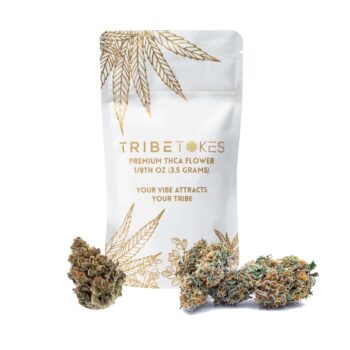
 THCa Flower: 12 Strains | Eighth (3.5g) | 22 to 28% THCaStarting from: $45.00 SHOP NOW This product has multiple variants. The options may be chosen on the product page
-
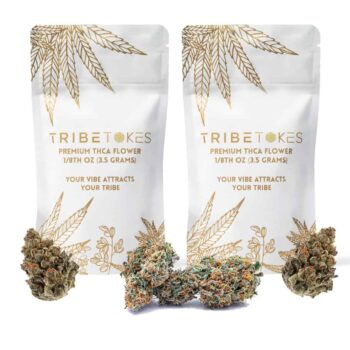
Save $10: THCa Flower You Pick 2 | Eighths (3.5g) | 22 to 28% THCaOriginal price was: $90.00.$80.00Current price is: $80.00. SHOP NOW This product has multiple variants. The options may be chosen on the product page
-
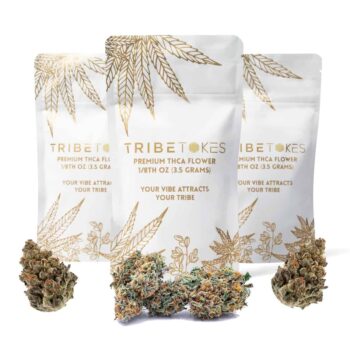
Save $20: THCa Flower You Pick 3 | Eighths (3.5g) | 22 to 28% THCaStarting from: $115.00 SHOP NOW This product has multiple variants. The options may be chosen on the product page
THCa Flower Strain Profiles
Hybrid
Sativa
Indica
Hybrid
Hybrid
Sativa
THCa Flower in Pennsylvania: What to Look For
Hemp is handled differently in every state and PA is no exception, so your own local laws are the first thing to read. Growing practice does not vary with an address, and it is one of the few things about a jar you can reason about before opening it. How Is THCa Flower Made? covers the steps that come after the harvest.
How We Cure and Pack THCa Flower
Whatever the environment, the work after the cut decides how much of it reaches anyone. Flower is trimmed, cured in small lots and held until an independent laboratory has finished with it, then sealed against the same report the label carries. A grower can do everything right inside the room and lose most of it in the week after harvest.
Pick Your Strain
Indica, sativa and hybrid describe lean. The growing environment describes conditions. The strain page describes aroma and terpenes. Those are three separate axes and people collapse them constantly. A sativa grown outdoors and the same genetics grown indoors share a lean and can still be very different jars. Is Hemp Flower the Same as Weed? clears up the vocabulary underneath all of it.
Skip the Grinding: Shop Prerolls
-
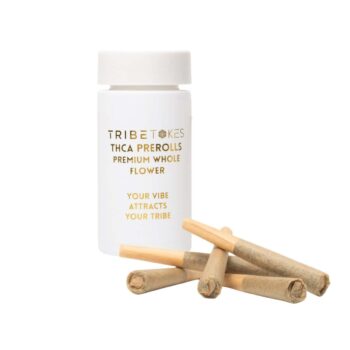
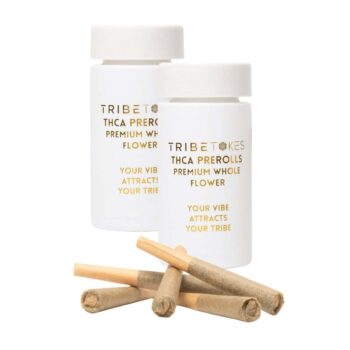
THCa Pre-Rolls : Whole Flower 5-Pack | Mini or Regular | 22 to 28% THCaStarting from: $35.00 SHOP NOW This product has multiple variants. The options may be chosen on the product page
-
Save $5-$10: THCa Pre-Rolls You Pick 2 | Whole Flower 5-Pack | 22 to 28% THCaStarting from: $65.00 SHOP NOW This product has multiple variants. The options may be chosen on the product page
-
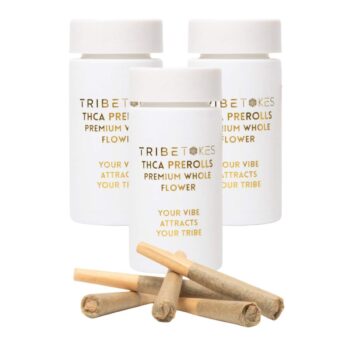
Save $10-$20: THCa Pre-Rolls You Pick 3 | Whole Flower 5-Pack | 22 to 28% THCaStarting from: $95.00 SHOP NOW This product has multiple variants. The options may be chosen on the product page
Flower or Prerolls?
One format is loose bud by the eighth, the other is five ready-rolled whole-flower cones, and both are drawn from the same tested batches. Nothing about the growing environment changes between them. The choice is about how much work you feel like doing before lighting anything. All THCa Prerolls is the ready-made side.
Indoor: Total Control, at a Cost
An indoor room is an argument for consistency. Light schedule, temperature, humidity and airflow are all set deliberately, pests are easier to keep out, and a grower can run several harvests a year rather than waiting on a season. The trade is energy. Replacing the sun costs money every single day the lights are on, and that cost lands somewhere.
Control usually shows up in appearance and in how closely one batch resembles the next. It does not automatically produce a better jar, because the same room can be run carelessly, and a good outdoor crop handled well will beat an indoor crop rushed through its dry. What THCa Percentage Is Considered High? is the number people reach for instead of asking any of this.
Greenhouse: Sunlight With a Thermostat
A greenhouse takes the free light and adds the ability to intervene. Supplemental lighting extends a short day, blackout screens shorten a long one, and vents and heaters hold the range narrower than the weather would on its own. Growers get much of the indoor operator’s timing control while running a fraction of the electricity.
The compromise is real, though. Sunlight varies by season and by cloud cover in a way that a room full of fixtures does not, so consistency from one batch to the next sits somewhere between the other two environments. That is a description, not a criticism.
Outdoor: One Season, Weather Included
Outdoor plants grow large, run on sunlight, and are harvested once a year on the season’s schedule. Input cost is the lowest of the three by a wide margin, and so is the control: a wet stretch in the wrong week settles the crop’s fate, and nobody in the operation can adjust it. Is THCa Flower Sprayed? is the question that follows most conversations about field-grown plants.
Sun-grown flower is often less uniform in appearance for exactly that reason. Uniformity and quality are different measurements, and conflating them is the most common mistake in this whole argument.
What the Growing Environment Does Not Decide
Genetics set the range before any environment gets involved, and chemical profile varies even within a single plant. Researchers cataloged terpene compositions in the leaves and inflorescences of hybrid cannabis separately for that reason, published as Identification of Terpene Compositions in the Leaves and Inflorescences of Hybrid Cannabis Species Using Headspace-Gas Chromatography/Mass Spectrometry.
The cannabinoid the plant accumulates does not change either. It is the acid form, THCa, in all three environments, and reviewers have treated it as a compound in its own right in Can You Pass the Acid Test? Critical Review and Novel Therapeutic Perspectives of Δ9-Tetrahydrocannabinolic Acid A. What a room can move is how much of the plant’s potential gets expressed, not what the plant is.
Reading the Environment Off a Jar
People try to identify a grow from the bud itself, and the cues are softer than the confidence usually attached to them. Indoor flower tends to arrive dense, tightly formed and consistent from nug to nug. Field-grown flower is more likely to run looser and larger, with more variation between pieces in the same jar and colors that shift with how cold the end of the season got.
None of that is diagnostic on its own. Genetics produce airy structure indoors and tight structure outdoors often enough to break the rule, and a careful dry can make a field crop look better finished than a hurried indoor one. If the growing environment genuinely matters to your decision, the honest move is to ask rather than to infer, and to read the batch report for what was actually measured. More from our Pennsylvania pages: hemp products in Pennsylvania, CBD in Pennsylvania, THC gummies in Pennsylvania, Delta 8 THC in Pennsylvania, THCa vapes in Pennsylvania, CBN in Pennsylvania and CBG in Pennsylvania.
Frequently Asked Questions
Control. Indoor sets light, temperature, humidity and airflow deliberately and can run several harvests a year. Outdoor runs on sunlight across a single season, with weather as an uncontrolled variable. Greenhouse sits between the two.
Not by definition. Indoor tends to be more uniform, and uniform is not a synonym for better. A well-handled outdoor crop will beat an indoor crop that was dried in a hurry.
Intervention. Supplemental light stretches a short day, screens shorten a long one, and vents and heaters narrow the temperature range. The plant still runs mostly on sunlight, so the power bill stays far below an indoor room’s.
Because the conditions were not uniform. Sun, temperature and rain all move across a season, and every plant in a field lives through a slightly different version of it. Appearance and quality are separate measurements.
By an independent third-party laboratory, before packing, with the full Certificate of Analysis posted against the run it describes.
Outdoor generally gets one, on the season’s schedule rather than the grower’s. Indoor rooms can be cycled several times a year because nothing about the light depends on the calendar. Greenhouses fall between, depending on how much lighting was added.
No. The plant accumulates the acid form, THCa, in all three, and heat is what converts it later. What the environment moves is how much of the genetic potential gets expressed.
There is no clean answer, because aroma depends far more on genetics, harvest timing and how the flower was dried than on the room it grew in. A slow dry protects aroma in every environment.
What happened after the cut. Trimming, the dry and the cure decide how much of a good crop survives, and a batch-linked lab report is what confirms the result. Every TribeTokes run is held until an independent laboratory has read it.
Broadly, though the term also gets used for greenhouse crops running mainly on daylight. If the distinction matters to you, the question worth asking is how much supplemental lighting was involved.
Keep exploring: head back to all TribeTokes in Pennsylvania, shop all THCa flower or THCa pre-rolls, learn what THCa is, browse best sellers, see every strain we carry, or view our lab results. Nearby states: THCa flower in Washington, D.C.
These statements have not been evaluated by the FDA. TribeTokes products are not intended to diagnose, treat, cure, or prevent any disease. Not for use by anyone under 21, or by those who are pregnant or nursing. All products contain less than 0.3% hemp-derived Delta-9 THC by dry weight.