
THC Gummies in Pennsylvania
Strip a THC gummy down and there are five things in it: a setting agent that gives the chew its bite, a sweetener system, an acid that sharpens the flavor and helps the gel set, coloring, and the cannabinoid extract itself. Everything a person experiences about a chew, the texture, the tartness, the way it sits in the mouth, comes from the first four. Only the fifth does anything else. This page is written for readers in PA who want to know what a THC gummy is physically made of, ingredient by ingredient, and what each one is there to do.
Once you know what goes into a chew, you can shop THC gummies with a much sharper eye for the label. Yes, we ship THC gummies to Pennsylvania: our hemp-derived Delta 9 gummies go out with standard shipping in 2 to 5 business days, in plain, tracked packaging.
The TribeTokes THC Gummy Lineup
-
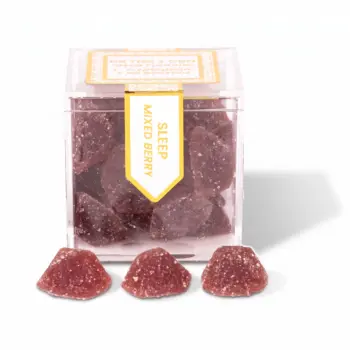
 THC Gummies for Sleep: 10mg THC + 20mg CBN, Melatonin-FreeStarting from: $45.00 SHOP NOW This product has multiple variants. The options may be chosen on the product page
-
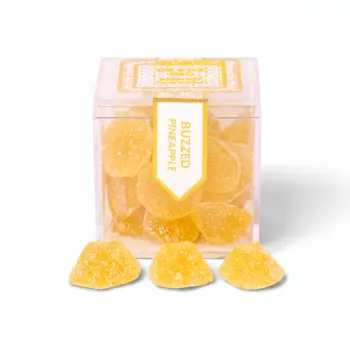
THC Buzzed Gummies | Extra Strength – Delta 8-BoostedStarting from: $45.00 SHOP NOW This product has multiple variants. The options may be chosen on the product page
-
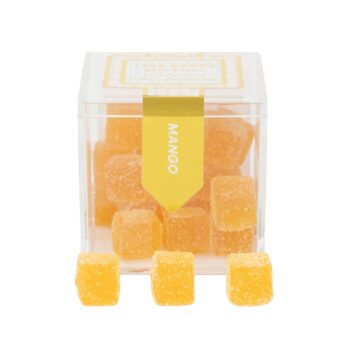
THC Live Resin Gummies | CBD-BoostedStarting from: $45.00 SHOP NOW This product has multiple variants. The options may be chosen on the product page
-
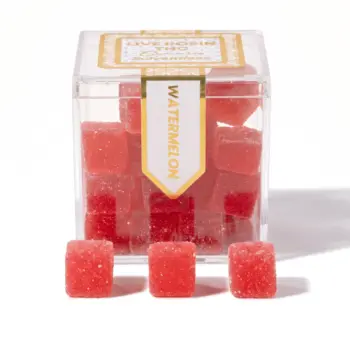
Live Rosin Gummies | Solventless THCStarting from: $45.00 SHOP NOW This product has multiple variants. The options may be chosen on the product page
-
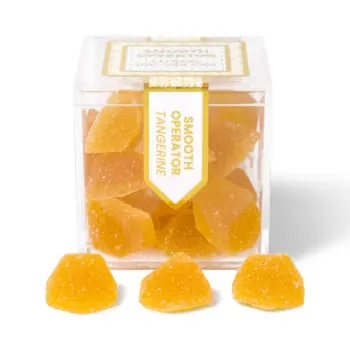
Smooth Operator 1:1:1 Ratio Gummies | THC + CBD + CBGStarting from: $45.00 SHOP NOW This product has multiple variants. The options may be chosen on the product page
-
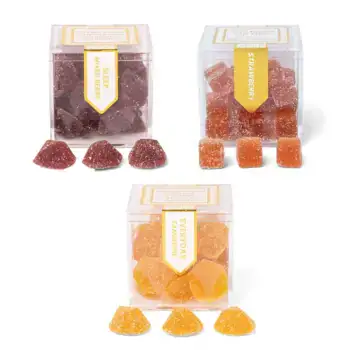
Save $20: You Pick 3 Gummies | Build Your Own BundleOriginal price was: $135.00.$115.00Current price is: $115.00. SHOP NOW This product has multiple variants. The options may be chosen on the product page
THC Gummies in Pennsylvania: What to Look For
The TribeTokes range spans a low CBN sleep piece, live resin chews, the extra-strength Buzzed, and a 1:1:1 blend of THC, CBD, and CBG. The recipes differ, but the architecture does not: a confection has to hold its shape, taste like something, and carry a measured quantity of extract evenly through every piece. The third requirement is the one that separates a cannabis chew from an ordinary sweet, and it is a manufacturing problem rather than a recipe one. A sweet only has to taste right. A dosed chew has to be identical to every other piece that came out of the same run.
How Our THC Gummies Are Made
Small runs are a formulation decision before they are anything else. A gummy is a suspension, and a suspension has to be mixed and deposited before it sets, which gives a maker a limited window to get the extract evenly distributed. Smaller batches make that window easier to hit. TribeTokes doses each run against an independent lab test and labels the jar to the report belonging to that run.
Pick the Right THC Gummy
Comparing chews across a range is partly a question of recipe rather than potency. A piece built around live resin tastes different from one built around a refined extract because the extract itself carries aroma compounds. A blend carrying several cannabinoids has a different bitterness to mask. Texture, tartness and flavor are all downstream of choices a formulator made before any dosing happened. Two pieces with the same milligram figure can be completely different eating experiences, and none of that difference shows up on a potency report.
- Evening formulas: THC paired with CBN.
- Stronger: Buzzed for a higher tolerance.
- Balanced: Smooth Operator 1:1:1 for daytime.
- Live extracts: live resin and live rosin.
How Many Should You Take
Half a piece or one whole piece, then an hour or two before deciding anything further, remains the sensible opening. Recipe knowledge changes nothing about that. It does explain why halving a chew works cleanly: a well-mixed gummy carries its extract evenly through the whole piece, so half a piece is genuinely half a dose rather than a guess. That property is a manufacturing achievement rather than a given, and it is the practical reason dispersion gets as much attention in a production room as dosing does.
The Setting Agent Decides the Bite
The single largest choice in a gummy recipe is what makes it a gel at all. Pectin is a polysaccharide found in the cell walls of fruit and drawn commercially from citrus peel and apple pomace. Gelatin is protein, rendered from animal collagen. Both turn a hot syrup into a solid that holds a shape at room temperature, and they do it through completely different mechanisms.
The difference is obvious in the mouth. Pectin sets short and clean: the piece yields, breaks and releases flavor quickly. Gelatin sets long and elastic: the piece stretches, resists and takes longer to break down. Pectin also carries a practical constraint, since it only forms its network in the presence of enough sugar and enough acid, which is why a pectin chew is almost always a sweet-sour one rather than a mild one.
Sugar Does Structural Work
The sweetener system in a gummy is usually a combination rather than a single ingredient, most often sugar alongside a glucose syrup. Sugar alone would recrystallise as the piece cooled and dried, turning a smooth chew grainy. Glucose syrup interferes with that crystal formation and keeps the texture even, which is why it appears near the top of almost every ingredient panel in the category.
Sugar also does structural work in a pectin recipe. The gel network needs a high enough concentration of dissolved solids to form at all, so the sweetener is not a flavor decision that could simply be reduced without consequence. Changing it changes whether the chew sets. That constraint is one reason confectionery formulation is less flexible than it looks from the outside.
Where the Cannabinoids Actually Sit
Cannabinoid extract is lipophilic. It dissolves in oil and refuses to dissolve in water, and a gummy base is overwhelmingly water and sugar. Left alone the two separate, which would produce a batch where some pieces carry most of the extract and others carry almost none. The fix is emulsification: the extract is broken into fine droplets and held suspended through the slurry while it is deposited and set.
This is why dispersion, rather than dosing arithmetic, is the harder problem in edible manufacture. Weighing the correct quantity of extract into a batch is straightforward. Getting that quantity distributed identically across every piece the batch produces is not, Deposit a slurry that has begun to separate and the run is uneven before it ever reaches a mould. It is one of the practical difficulties the review Tasty THC: Promises and Challenges of Cannabis Edibles raises about the edible category as a whole. Batch-level testing is the check on whether it worked.
Acid, Flavor and Color
Food acid earns its place twice over. It balances an extremely sweet base, and in a pectin chew it is part of the setting chemistry rather than an optional garnish. Citric acid is the common choice, with malic and tartaric acids used for different sour profiles. The sharp opening note of a sour gummy is that acid dissolving off the surface before the piece itself has begun to break down.
Flavor and color are the last additions and the least informative. Color says which flavor a piece is meant to be and nothing more; it carries no signal about strength, extract type or quality. Flavoring in a cannabis chew has a second job, since extracts bring their own bitter, vegetal notes that a plain fruit flavor has to cover. The stronger and less refined the extract, the more work the flavor system has to do.
What the Extract Itself Brings
Not every extract behaves the same way inside a recipe. A heavily refined extract is close to flavorless and disappears into a fruit base without argument. A less refined extract carries aromatic compounds from the plant, which is the point of using it, but those compounds also have to be worked into the flavor rather than hidden behind it. That trade-off shapes the taste of a chew before any dosing decision is made.
Whatever the extract, the compound doing the psychoactive work is THC, and the research topic page Cannabis (Marijuana) from the National Institute on Drug Abuse sets out how it acts at cannabinoid receptors in the brain. Everything else in the recipe exists to carry it, mask it, or make it pleasant to eat, which is a useful way to read any ingredient panel in the category: one functional line, and a lot of confectionery around it. Related reading covers CBD vs THC: How They Differ and Delta-9 vs THC: Are They the Same?
Reading an Ingredient Panel in PA
For readers in Pennsylvania comparing THC gummies, the ingredient panel answers most of the questions that marketing copy dances around. The gelling agent tells you whether the chew is plant-based or animal-derived and what texture to expect. The sweetener system tells you why it feels the way it does. The acid explains the sour edge. The color is decoration.
That leaves the extract, which is the only line on the panel that changes what the piece does rather than how it tastes, and the only one whose quantity belongs on a lab report rather than in a recipe. A chew is a piece of confectionery engineering with one functional ingredient in it, and separating those two halves makes the whole category considerably easier to read. Ingredient questions are covered further in Are CBD Gummies Safe?, and the cannabinoid comparisons in CBN vs THC: How They Differ and CBG vs THC: Which Gets You High? Comparing options in Pennsylvania? See hemp products in Pennsylvania, CBD in Pennsylvania, Delta 8 THC in Pennsylvania, THCa flower in Pennsylvania, THCa vapes in Pennsylvania, CBN in Pennsylvania and CBG in Pennsylvania.
Frequently Asked Questions
Five components do all the work. A gelling agent, usually pectin or gelatin, builds the structure. A sweetener system, typically sugar with a glucose syrup, provides bulk and prevents the sugar from crystallising. A food acid sharpens the taste and helps the gel form. Coloring and flavoring finish the sensory side. The cannabinoid extract is the only ingredient doing anything beyond taste and texture.
Pectin is a plant polysaccharide, drawn largely from citrus peel and apple pomace, and it sets into a shorter, cleaner bite that breaks rather than stretches. Gelatin is animal collagen and produces the chewier, more elastic texture people associate with traditional sweets. Pectin needs acid and sugar to set properly. The ingredient panel names which one a given chew uses.
The core components of a gummy are sugar, a gelling agent, water, food acid, flavor and color, and none of those are wheat-derived. That said, a specific product can only be described by its own ingredient panel and its manufacturer’s handling practices, so the panel is the thing to read. TribeTokes covers this in more depth in Are THC Gummies Gluten-Free?
Food acids such as citric, malic and tartaric acid are doing two jobs at once. They cut the sweetness of a very high sugar confection, which would otherwise be cloying, and in a pectin recipe they are structurally necessary, because pectin only forms its gel network within a fairly narrow acidic range. The sourness is partly flavor design and partly chemistry.
That depends entirely on the gelling agent. A pectin-set chew contains no animal collagen, because pectin comes from fruit. A gelatin-set chew does, because gelatin is rendered from animal connective tissue. The two produce noticeably different textures, and the ingredient panel names which route a product took.
Cannabinoid extract is oily and the gummy base is water-based, so the two do not mix on their own. Makers use an emulsifier and mechanical agitation to disperse the extract into fine droplets suspended through the slurry, then deposit the mixture into moulds before it sets. Uneven mixing is the failure mode that produces pieces of inconsistent strength from a single run.
Color signals flavor and nothing else. It carries no information about potency, extract type or quality, and two chews of identical strength can be any two colors a formulator chose. Colors may be plant-derived, such as fruit and vegetable juice concentrates, or synthetic, and the ingredient panel distinguishes them.
A sanding or sour-sugar coating serves a practical purpose beyond taste. It absorbs surface moisture, which keeps pieces from sticking to one another in a jar, and it delivers an immediate hit of tartness before the chew itself starts to break down. It also adds a texture contrast that plain glazed pieces do not have.
The base recipe determines taste and texture rather than strength. The quantity of extract determines strength. Where formulation can matter is in what a piece is eaten alongside and how quickly it breaks down in the stomach, though those effects are modest compared with the size of the dose itself and vary between people.
It mostly means shorter mixing and depositing windows. A gummy slurry is a suspension that has to be kept homogeneous from the mixing vessel to the mould, and the larger the volume, the more room there is for the extract to distribute unevenly before the gel sets. Smaller runs also make batch-level lab testing practical rather than aspirational.
Keep exploring: head back to all TribeTokes in Pennsylvania, shop our THC gummies or Delta-9 gummies, browse best sellers, explore our strain profiles, or view our lab results. Shopping for a neighboring state? See THC gummies in Washington, D.C.
These statements have not been evaluated by the FDA. TribeTokes products are not intended to diagnose, treat, cure, or prevent any disease. Not for use by anyone under 21, or by those who are pregnant or nursing. All products contain less than 0.3% hemp-derived Delta-9 THC by dry weight.