
THCa Vapes in Pennsylvania
A cutting agent is anything added to vape oil that is not cannabis extract: a thinner to lower viscosity, a carrier to stretch volume, or a flavoring to cover what the thinning took away. A Certificate of Analysis is the document that makes that question answerable, because it reports what the lab found in the oil rather than what the label claims. TribeTokes fills its THCa disposables and 510 carts with strain-specific oil and publishes the batch report, so the numbers are checkable. This page explains how to read one, and what a report can and cannot settle.
The THCa Vapes Lineup for Pennsylvania
-
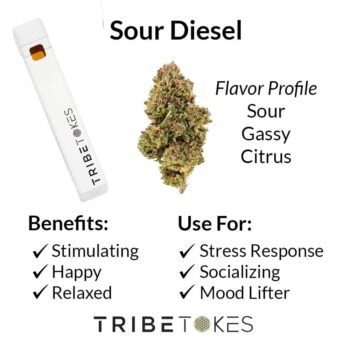
 Sour Diesel (Sativa) Live Resin THCa Disposable Vape PenStarting from: $60.00 SHOP NOW This product has multiple variants. The options may be chosen on the product page
-
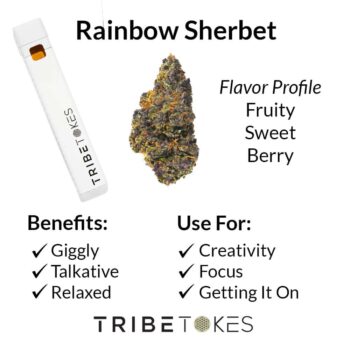
Rainbow Sherbet (Hybrid) Live Resin THCa Disposable Vape PenStarting from: $60.00 SHOP NOW This product has multiple variants. The options may be chosen on the product page
THCa Vape Strain Profiles
Hybrid
Sativa
Indica
Hybrid
Hybrid
Sativa
THCa Vapes in Pennsylvania: What to Look For
Pennsylvania is in the middle of rewriting how it treats inhalable hemp, so your own state and local rules are the first thing to check. The lab side does not move with the border. Every batch is screened by an outside lab for cannabinoid potency and for contaminants including residual solvents and pesticides, and the resulting Certificate of Analysis is published rather than paraphrased. The non-intoxicating CBD vapes carry the same documentation.
How We Fill and Test THCa Vapes
The fill side of this is simple to state and hard to fake. Strain-specific THCa oil goes into the hardware and nothing unnamed goes in with it, which means the report has no gap to explain. Where oil has been thinned, the lab result shows it indirectly: cannabinoid content and terpene content are measured, and a large unaccounted remainder is the tell. That is why the batch report is published in full instead of being reduced to a single potency number on the box.
Pick Your Strain
Terpene content sits on the same document as potency, and it is the part most readers skip. A lab identifies terpenes by gas chromatography paired with mass spectrometry, the same family of methods used in the study Identification of Terpene Compositions in the Leaves and Inflorescences of Hybrid Cannabis Species Using Headspace-Gas Chromatography/Mass Spectrometry. The named terpenes on a product page come from that measurement, not from a flavor menu, which is why two sativa-leaning oils can read differently.
Disposables: Nothing to Refill
A sealed disposable raises the same documentation question as a cart, and it answers it the same way. The device cannot be opened, so the batch report is the only window into the tank. That is an argument for reading it, not for skipping it. The THCa disposable vapes and the THCa carts are documented against the same run of oil.
-
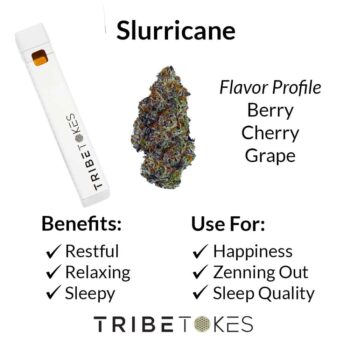
Slurricane (Indica) Live Resin THCa Disposable Vape PenStarting from: $60.00 SHOP NOW This product has multiple variants. The options may be chosen on the product page
-
THCa Vape BOGO | Live Resin – RuntzOriginal price was: $120.00.$60.00Current price is: $60.00. SHOP NOW

Disposable or Cartridge?
Format changes the hardware and leaves the paperwork alone. A disposable arrives charged and finished when empty; a 510 cart threads onto a battery you keep. Neither choice alters the composition of the oil, its potency figure, or the contaminant screens behind it. If a seller can describe the device in detail but cannot produce a batch report for what is inside it, the device was never the problem.
What a Cutting Agent Actually Is
Cannabis extract on its own is thick, dark and slow to move through a wick. Thinning it makes it behave in cheap hardware, and the substances used for that job are ordinary industrial diluents rather than anything from the plant. Volume stretching works the same way, with a carrier standing in for extract.
None of that is detectable by looking at a tank. Color is not a purity signal, viscosity is not a purity signal, and a smooth draw is often the result of thinning rather than evidence against it. The document is the only honest instrument here.
The Arithmetic That Exposes a Thinned Tank
A potency report answers a percentage question, and percentages of what is missing are as informative as percentages of what is there. If the cannabinoid total plus the terpene total leaves a large unexplained share of the oil, that share is composed of something, and the report is not saying what.
This is why a single number quoted on packaging settles nothing. A high THCa percentage and a heavily diluted tank are not mutually exclusive claims, because the percentage describes one component and says nothing about the remainder.
Reading a Vape Report Line by Line
Start at the header: sample name, batch or lot identifier, the laboratory that ran it, and the date. If the batch on the report does not match the batch on the package, stop there, because nothing further on the page applies to your device.
Then take the panels in order. Cannabinoid potency tells you composition. Residual solvents and pesticides tell you what survived the process. A terpene panel, when present, tells you where the aroma came from. Each panel answers a different question, and none of them substitutes for another.
What a Certificate of Analysis Cannot Settle
A report describes a sample of oil at a point in time. It cannot describe the hardware it was later filled into, how the device was stored afterward, or how it will behave under heat. Those are separate questions with separate answers.
It also cannot prove a negative that was never tested. A panel that was not run is simply absent, not passed, so the useful question about any report is which panels appear on it rather than whether the ones shown look clean. Other Pennsylvania guides worth a look: hemp products in Pennsylvania, CBD in Pennsylvania, THC gummies in Pennsylvania, Delta 8 THC in Pennsylvania, THCa flower in Pennsylvania, CBN in Pennsylvania and CBG in Pennsylvania.
Frequently Asked Questions
They are additives that are not cannabis extract, used to thin thick oil, stretch volume, or add flavor. Thinners lower viscosity so oil wicks more easily, carriers add bulk, and flavorings replace aroma lost along the way. None of them are cannabinoids, so none of them show up in a potency figure.
Add up what the report accounts for. Cannabinoid content and terpene content are both measured, and if those two together fall well short of the whole, something unreported is filling the difference. A single headline potency percentage on a box cannot answer this, because it says nothing about the rest of the tank.
Two broad things: how much of each cannabinoid is present, and whether anything is present that should not be. TribeTokes batches are screened for cannabinoid potency and for contaminants including residual solvents and pesticides. Many labs also report heavy metals and microbial panels, which is worth checking on any report you are handed.
A batch number ties one lab report to one production run of oil. Without it, a report is a document about some oil rather than about the oil in your hand. Matching the batch on the package to the batch on the report is the single fastest check anyone can run.
A terpene profile is a separate panel from potency, and not every report includes one. When it does, the terpenes are identified analytically rather than chosen from a flavor list, which is why the named profile on a product page can differ between two oils of the same strain type.
It is the sum of every cannabinoid the lab detected and quantified, not just the headline one. Reading the total rather than the largest single line tells you how much of the tank the report actually explains. The gap between that total and the whole is the part worth asking about.
THCa is the acid form of the cannabinoid, which is what the plant produces before heat changes it. The review Can You Pass the Acid Test? Critical Review and Novel Therapeutic Perspectives of Δ9-Tetrahydrocannabinolic Acid A covers that acid form directly. On a report it is listed as its own line, separate from delta-9 THC.
It should belong to the batch in front of you, which matters more than the calendar date. A recent report for a different run tells you nothing useful, while an older report for the correct run tells you everything the lab measured. Batch match first, date second.
An outside laboratory with no stake in the result, which is what third-party means in this context. In-house numbers can be accurate, but they are not independent, and independence is the whole point of the document.
Check that the batch number matches the package, then read the cannabinoid total rather than the headline percentage, then look for the contaminant panels. Those three passes take under a minute and settle most of what a product page cannot.
Related reading: are THCa carts real, are THCa carts safe, what THCa percentage counts as high, and the full THCa vapes range.
These statements have not been evaluated by the FDA. TribeTokes products are not intended to diagnose, treat, cure, or prevent any disease. Not for use by anyone under 21, or by those who are pregnant or nursing. All products contain less than 0.3% hemp-derived Delta-9 THC by dry weight.