
CBD in Pennsylvania
The biggest number on a CBD label is almost never the number you take. A total printed on the front describes the whole container; the figure that matters is milligrams per serving, and the two can be a hundredfold apart. Divide total cannabidiol by the number of servings and you have your actual dose. Pennsylvania readers comparing two products should run that division on both before comparing anything else, because a larger headline figure on a larger bottle can work out to a smaller serving than the modest-looking option next to it. Yes, we ship CBD to Pennsylvania: CBD oil tinctures, CBD gummies and pain cream go out with standard shipping in 2 to 5 business days, in plain, tracked packaging.
The CBD Lineup for Pennsylvania
-
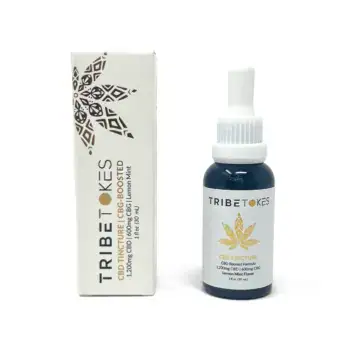 THC-Free CBD Oil Tincture 1,800mg | CBG-BoostedStarting from: $50.00 SHOP NOW This product has multiple variants. The options may be chosen on the product page
-
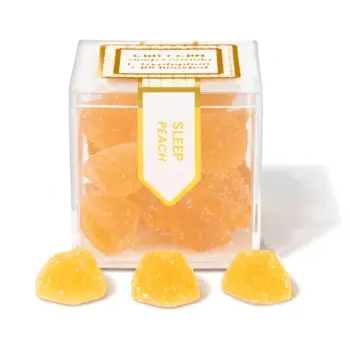 CBD + CBN Sleep Gummies | With L-Tryptophan + Vitamin B6Starting from: $45.00 SHOP NOW This product has multiple variants. The options may be chosen on the product page
-
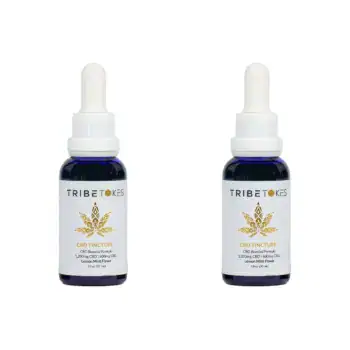 Save $10: You Pick 2 Tinctures | Build Your Own BundleOriginal price was: $100.00.$90.00Current price is: $90.00. SHOP NOW This product has multiple variants. The options may be chosen on the product page
CBD in Pennsylvania: What to Look For
Two figures do most of the work on a CBD label. Total cannabidiol is the amount in the entire container. Serving size tells you how the maker divided it up, in millilitres for a tincture or pieces for a gummy. Total divided by servings gives milligrams per serving, and that is the only number worth comparing across products. Work an example: a 30 ml tincture listing 1,500 mg total with a 1 ml serving comes out at 50 mg per serving, while the same 1,500 mg spread through a 60 ml bottle halves that. Identical headline, different dose.
CBD Across Pennsylvania
Some labels report total cannabinoids rather than cannabidiol alone, and the two are not interchangeable. Total cannabinoids sums everything the laboratory detected, so CBG, CBC, CBN and trace THC all count toward the figure. A product advertising a high total cannabinoid number can contain less cannabidiol than one advertising a lower CBD number, which is exactly the confusion the phrasing invites. When a label is ambiguous, the Certificate of Analysis settles it, because a lab report gives every cannabinoid its own line with its own result rather than a combined headline.
CBD, by Format
Each format states its dose in a different unit, which is where cross-format comparison quietly breaks down. Gummies are counted per piece. Tinctures are measured per millilitre or per dropper, and a dropper is very often not a full millilitre. Topicals are usually stated as a total for the jar with no serving at all, because nobody measures what they rub in. Convert everything to milligrams per use before you compare anything, and read CBD Oil vs Hemp Oil first if the label leads with seed oil rather than a cannabidiol figure.
- Gummies: pre-measured, easy daily habit.
- Tinctures: adjustable amounts, faster under the tongue.
- Topicals: applied to one area rather than taken internally.
- Pets: oils made for dogs and cats.
How Much CBD to Take
Once you have milligrams per serving, holding a dose becomes possible. Pick a figure, stay on it for several days, and write down what you took rather than trusting memory, since half a dropper on a rushed morning and a full one at night amount to two different regimens by the end of the week. If you move to a different bottle, redo the division from scratch. Nothing about a label carries over to the next one, and assuming it does is how people end up at double or half the amount they thought they were taking.
Six Things Worth Finding on Any CBD Label
A usable CBD label answers six questions, and most of the frustration in this category comes from labels that answer two or three. Total cannabidiol in the container. Serving size, expressed in a unit you can actually measure. Milligrams of cannabidiol per serving. The number of servings. A batch or lot code. And some route to the Certificate of Analysis, whether that is a printed code or a scannable link. Everything else on the panel is presentation.
If a label gives you the total and the serving size but no per-serving milligram figure, that is not necessarily evasion; it is often just an old template. Do the division yourself and write the result on the box. If a label gives a total with no serving size at all, there is nothing to divide by, and the product cannot be compared with anything. Pennsylvania readers weighing two options should treat a missing per-serving figure as a reason to compare on the report instead of the panel.
Serving Size, Droppers and the Half-Dropper Problem
Tinctures are where dosing arithmetic falls apart most often, and the dropper is usually the culprit. A standard glass pipette holds around a millilitre when filled completely, but filling one completely is harder than it sounds, and most people draw somewhere between half and three quarters without noticing. If the label defines a serving as one millilitre and you are taking two thirds of a pipette, you are taking two thirds of the stated dose and reading it as a full one.
Two fixes make this manageable. Either use a pipette with volume markings and fill to a line, or count drops and work out how many drops your bottle produces per millilitre, then keep to that count. Neither is elegant, and both beat estimating. The same discipline matters when comparing two tinctures, since a serving defined as one dropper on one label and one millilitre on another is not the same measurement even when the milligram totals look identical.
The Batch Code and the Certificate of Analysis
A batch code is a short string identifying one production run, and it is the only thing connecting the container in your hand to a set of laboratory results. A Certificate of Analysis without a matching batch code describes a different run of the same product, which may be perfectly good and is still not evidence about yours. Check the code first, then read the report. Doing it the other way round means reading numbers that may not apply.
What the report adds to the label is granularity. Where a panel prints one cannabidiol figure, the report lists every cannabinoid detected on its own line, with a result and a unit. That is where you confirm the per-serving arithmetic, see whether trace THC is present, and check the contaminant screens. TribeTokes publishes the full Certificate of Analysis for each batch rather than a summary graphic, which is what makes that check possible in the first place.
Milligrams on the Label Against Milligrams in You
A label figure is an amount in a product, not an amount in a person, and no label can bridge that gap. How much of a swallowed dose reaches circulation depends on the route, on whether the dose was taken with food, and on individual variation that no packaging can predict. The pharmacokinetics of the non-intoxicating cannabinoids are set out in Pharmacokinetics of Non-Psychotropic Phytocannabinoids for readers who want the underlying data rather than a rule of thumb.
The practical consequence for label reading is narrow. Use milligrams per serving to compare products and to keep your own dose steady, and do not treat it as a measurement of exposure. Comparing a tincture to a gummy on milligrams alone assumes the two let through the same fraction of what is in them, and they do not. Compare within a format, and treat a format change as a new starting point rather than an equivalent swap.
When a Label Lists Minor Cannabinoids
Labels increasingly name compounds other than cannabidiol, and each one added is another figure to account for. A product listing CBD and CBG should give a milligram figure for each rather than a combined total, because a blend where one compound is present at a fraction of the other is a very different product from a balanced one. Where only a combined figure appears, the Certificate of Analysis breaks it back out line by line.
The reason makers add them is the entourage argument, the proposal that cannabinoids behave differently together than alone. It is worth knowing that this remains an open question rather than a settled one; the review Decoding the Postulated Entourage Effect of Medicinal Cannabis: What It Is and What It Isn’t exists to separate the claim from the evidence. For label reading purposes the guidance is simpler than the science: insist on a number per compound, and be sceptical of any front panel that names a cannabinoid the report cannot quantify.
Two Labels Side by Side
Run the arithmetic on a pair and the method becomes obvious. Label one: 1,000 mg total, 30 ml bottle, serving defined as 1 ml. That is roughly 33 mg of cannabidiol per serving across thirty servings. Label two: 2,000 mg total, 60 ml bottle, serving defined as 1 ml. That is also roughly 33 mg per serving, across sixty servings. The second bottle looks twice as strong on the front panel and gives exactly the same dose per millilitre. It simply lasts twice as long.
Now change one variable. Label three: 2,000 mg total, 30 ml bottle, 1 ml serving. That is about 67 mg per serving, genuinely double the first two, and it is the only one of the three where a full serving is a different amount of cannabidiol. Nothing on the front panel makes that obvious, and nothing except the division will. The same habit applies to gummies, where the total is spread across a piece count; Do CBD Gummies Expire? and Are CBD Gummies Safe? cover two further questions that come up once the maths is settled, and Can You Take CBD and CBG Together? covers what happens when a second compound joins the label. Other Pennsylvania guides worth a look: hemp products in Pennsylvania, THC gummies in Pennsylvania, Delta 8 THC in Pennsylvania, THCa flower in Pennsylvania, THCa vapes in Pennsylvania, CBN in Pennsylvania and CBG in Pennsylvania.
Frequently Asked Questions
The amount of cannabidiol in one dose as the maker defined it, whether that is one gummy, one millilitre or one dropper. It is the working number. The larger total printed on the front describes the whole container, and dividing that total by the number of servings should land on the per-serving figure.
Through the batch or lot code. It is printed on the packaging and repeated on the Certificate of Analysis, and it is the only link between the container in your hand and a specific set of test results. A report with no batch code, or a code that appears nowhere on your packaging, cannot be tied to your product.
By converting both to milligrams per serving before you look at anything else. Total milligrams alone tells you about the container, not the dose. Once both are expressed per serving, the comparison becomes arithmetic rather than guesswork, and the bottle size stops mattering.
No. It is almost always the total for the whole container. The dose is total cannabidiol divided by the number of servings, and the gap between the two figures can be a factor of thirty or more on a tincture. Reading the headline number as a dose is the single most common label mistake.
The volume the maker used to calculate the per-serving milligram figure, usually one millilitre or a stated fraction of a dropper. If a label gives a total and a serving volume but no per-serving milligrams, the arithmetic is left to you: divide total milligrams by the number of servings the bottle holds.
It depends on both the bottle’s strength and how much liquid the dropper actually holds, which is frequently less than the full millilitre people assume. Fill it consistently and check whether the label defines a serving as a dropper or as a millilitre, because those are not always the same measurement.
The sum of every cannabinoid the laboratory detected, cannabidiol plus CBG, CBC, CBN and any trace THC. It is a larger and more flattering number than CBD alone, and it is not a cannabidiol figure. Check the Certificate of Analysis, where each compound has its own line.
Small variation between a stated figure and a tested one is normal, because the label is set before the batch is made and testing measures what the batch actually turned out to be. A gap large enough to change your dose meaningfully is a different matter and worth querying.
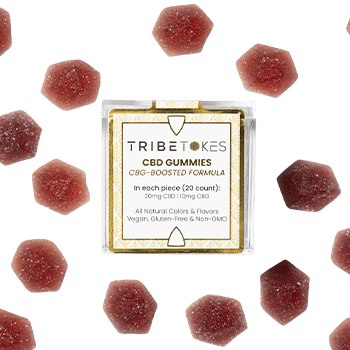
Both appear, and the packaging does not always make clear which is which. A bag advertising a four-figure total across thirty pieces is a very different per-piece serving from one advertising the same total across ten. Divide before you compare, and check whether the stated serving is one gummy or two.
A short identifier tying one production run to one set of test results. It is what makes a Certificate of Analysis meaningful, since without it a report is a document about some other batch. Look for it printed or stamped on the container rather than only on the outer box.
A useful label names the extract type alongside the numbers, because it changes what else is in the bottle. Where the label is silent, the Certificate of Analysis answers it by showing which cannabinoid rows carry figures. Our answers on CBDa vs CBD and Does CBD Have THC in It? cover two of the label terms people misread most.
Keep exploring: head back to all TribeTokes in Pennsylvania, shop all CBD, browse the full cannabinoid collections, or view our lab results. Nearby states: CBD in Washington, D.C. and Maryland CBD.
These statements have not been evaluated by the FDA. TribeTokes products are not intended to diagnose, treat, cure, or prevent any disease. Not for use by anyone under 21, or by those who are pregnant or nursing. All products contain less than 0.3% hemp-derived Delta-9 THC by dry weight.