
CBD Oil in Washington, D.C.: Formats, Strengths and COAs
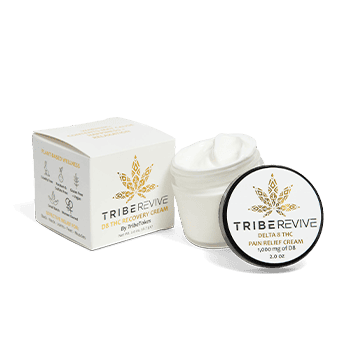
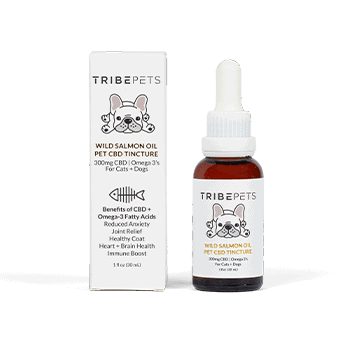
CBD oil in Washington, D.C. usually means one of four formats: gummies, a tincture under the tongue, a topical cream, or an oil made for pets. None of them are intoxicating, which is why DC residents reach for CBD on a Tuesday rather than a Friday. An independent lab screens every batch before it lists, and the report sits online for anyone to open, whether you work near Capitol Hill or live out past the Anacostia River. TribeTokes runs gummy bears for easy dosing, an 1,800mg CBG-boosted tincture for fine control, a CBD and CBN sleep blend, and a pain cream that stays on the surface. Yes, we ship CBD to Washington, D.C.: CBD oil tinctures, CBD gummies and pain cream go out with standard shipping in 2 to 5 business days, in plain, tracked packaging.
Shop All CBD Products in Washington, D.C.
-
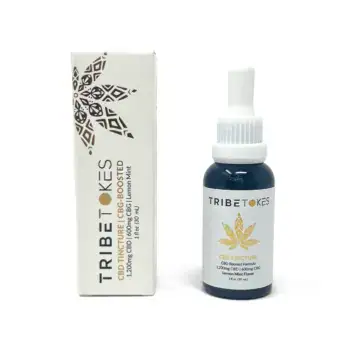
 THC-Free CBD Oil Tincture 1,800mg | CBG-BoostedStarting from: $50.00 SHOP NOW This product has multiple variants. The options may be chosen on the product page
-
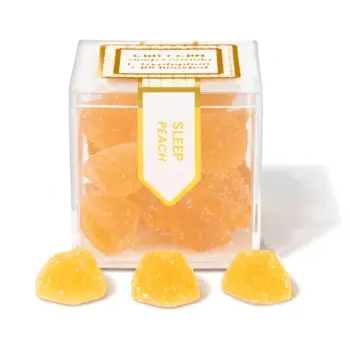
CBD + CBN Sleep Gummies | With L-Tryptophan + Vitamin B6Starting from: $45.00 SHOP NOW This product has multiple variants. The options may be chosen on the product page
-
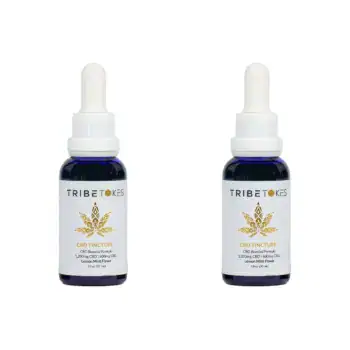
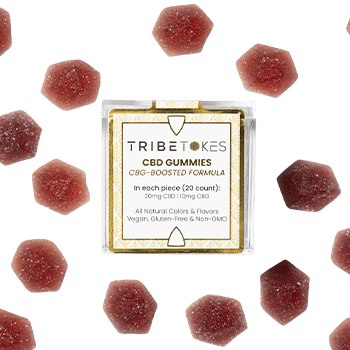
Save $10: You Pick 2 Tinctures | Build Your Own BundleOriginal price was: $100.00.$90.00Current price is: $90.00. SHOP NOW This product has multiple variants. The options may be chosen on the product page
How to Choose CBD Oil in Washington, D.C.
Milligrams per serving and format do most of the work here, and the last check is whether the batch lab report actually matches the label. Cannabidiol is the same molecule in a gummy, a dropper and a cream; only the route changes. A tincture lets you move in small steps, a gummy locks the serving so you cannot quietly talk yourself upward, and a cream stays at skin level. Work out how precise you want to be, then read the report for that batch before you settle on a strength. A cheap bottle with no published numbers behind it is not cheap, it is unknown.
Washington, D.C. CBD Notes
DC runs on a schedule that fights you, and CBD is usually bought to survive it. A Red Line commute out of Shaw, a day that opens with a 7am meeting and closes with a walk across the Mall in August humidity, and an evening that refuses to switch off: that is the pattern DC residents describe when they explain why they picked a tincture over a nightcap. Format follows the day. A gummy travels well in a bag from Columbia Heights to Navy Yard. A dropper is better at a Georgetown kitchen counter, where you can be precise about the amount. The pain cream is for whichever joint lost its argument with the escalator at Dupont Circle. The District is small enough that the whole city keeps roughly the same hours, which is exactly why the evening dose is the one people forget.
CBD Products by Format: Gummies, Oils and Creams
Format is a habit question more than a chemistry one, so pick the one you would actually keep up. The molecule is identical across the bench. What changes is how fast it arrives, how precisely you can steer the amount, and whether you will remember to take it at all. A gummy in a desk drawer beats a tincture in a cabinet you never open. The full cannabis tincture range and the CBD sleep gummies sit alongside the three products above.
- Gummies: pre-measured servings, the easiest daily habit to keep, and the CBD and CBN version covers sleep.
- Tinctures: adjustable amounts down to a partial dropper, faster under the tongue, and the 1,800mg bottle is CBG-boosted.
- Topicals: pain cream for one stubborn spot, worked into the skin rather than swallowed.
- Pets: oils formulated for dogs and cats, measured against body weight rather than habit.
How Much CBD Oil to Take
Open at the label serving, hold it there for three or four days, then nudge it up only if nothing has changed. Nothing on this page gets you high, so there is no reason to rush the ladder. Small increments read far more clearly than a leap, because a jump of 40mg tells you nothing about where the useful amount actually sits. Research on cannabinoids is still early and thinner than the marketing suggests, and the National Center for Complementary and Integrative Health is a plainer read on what is and is not established than most of what circulates online. Keep a note on your phone for a week. The pattern shows up faster than you expect. Also in Washington, DC: hemp products in Washington, DC.
Frequently Asked Questions
CBD is not intoxicating, so the first session is uneventful by design, and that is the part most people misread as failure. Give it a week at a steady serving before you judge it. Read the batch report so you know the milligrams are real rather than aspirational. If you take prescription medication, raise it with your doctor first. You can compare it with THC gummies in Washington, DC or Delta 8 THC in Washington, DC.
No. CBD is non-intoxicating, which is why it slots into a DC workday so easily. Drops before a Metro ride to Farragut North or a gummy at a Capitol Hill desk leave the head clear, and the CBD and CBN sleep blend covers the after-dark shift. Anything that would change how you drive or how you work is a different cannabinoid entirely.
Match the batch code on the bottle to the code on the report, then read four lines: total CBD per serving, the Delta-9 THC figure, the contaminant panels, and the test date. Potency within a few percent of the label is normal. A gap of thirty percent is not, and a missing test date is worse than a disappointing number.
Yes, all of it, one batch at a time, by an outside lab, with the report posted publicly. A single document lists potency alongside the pesticide, residual solvent and heavy-metal screens, and the code on the label points straight at it. No sign-in, no email gate, and no sales rep standing between a DC customer and the numbers.
Patience is what separates these formats. Gummies come pre-dosed and forgiving, which suits anyone who wants to make one decision a day and then stop thinking about it. The 1,800mg CBG-boosted tincture rewards people who like a precise amount and do not mind the dropper. If swallowing something is not the goal, the pain cream works at skin level, and the pet oils cover dogs and cats. Start low in every case.
That is how most people use it, at a steady serving rather than a climbing one. CBD is not intoxicating and does not build the kind of tolerance THC does, so the useful move is consistency. Pick a time of day and keep it for a fortnight before judging.
Upright, capped, cool and out of direct light. A DC apartment in July is warm enough to shorten the life of a tincture left on a windowsill. Gummies want the same treatment, and the pain cream is the only one that tolerates a gym bag.
Precision and speed. A gummy fixes the serving, travels well and tastes like candy, but has to clear the stomach first. A tincture held under the tongue arrives faster and can be measured in partial droppers, which matters if you are still finding your amount.
Woman-owned since 2017, small-batch production, and a third-party report published for every batch rather than one flattering sample. Gummies, an 1,800mg CBG-boosted tincture, pain cream and pet oils all carry the same standard. The numbers are public, which is the whole point.
Keep exploring: back to all TribeTokes in Washington, D.C., or browse the national cannabinoid collections. The District also has pages for THC gummies in Washington, D.C. and THCa flower in DC. For the two cannabinoids that ride along with CBD here, read what CBN does overnight and the CBG explainer. Shopping for a neighboring state? See CBD in West Virginia.
These statements have not been evaluated by the FDA. TribeTokes products are not intended to diagnose, treat, cure, or prevent any disease. Not for use by anyone under 21, or by those who are pregnant or nursing. All products contain less than 0.3% hemp-derived Delta-9 THC by dry weight.