
THCa Vapes in Washington
Tank capacity is the only number on a THCa vape that stays still. Everything else people quote, puff counts, days per device, how long a cart lasts, is arithmetic performed on top of that figure using assumptions that vary from one person to the next. A draw is not a fixed unit. Its length, its temperature and how much oil remains all change how much leaves the tank, so the same cartridge can run out in a week for one reader and a month for another. This page separates the number that is measured from the numbers that are estimated.
The THCa Vapes Lineup for Washington
-
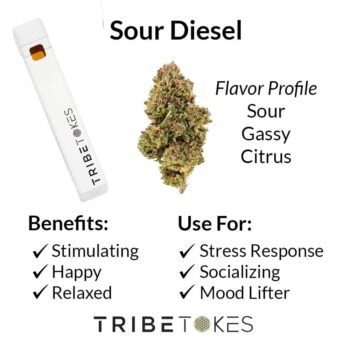
 Sour Diesel (Sativa) Live Resin THCa Disposable Vape PenStarting from: $60.00 SHOP NOW This product has multiple variants. The options may be chosen on the product page
-
Rainbow Sherbet (Hybrid) Live Resin THCa Disposable Vape PenStarting from: $60.00 SHOP NOW This product has multiple variants. The options may be chosen on the product page

THCa Vape Strain Profiles
Hybrid
Sativa
Indica
Hybrid
Hybrid
Sativa
THCa Vapes in Washington: What to Look For
Washington writes its own hemp rules and revises them, so what applies to you is a local question worth checking first. The measurement side is not local at all. Capacity is a volume figure printed on a product page, consumption is a rate you set with your own habits, and duration is the quotient of the two.
How We Fill and Test THCa Vapes
Capacity is decided at fill, and it is the one figure a manufacturer controls exactly. What no one controls is the denominator underneath it. Every batch of strain-specific THCa oil behind the THCa vapes is screened by an outside lab for cannabinoid potency and contaminants, and that report describes composition rather than consumption. No lab document can tell you how long a tank will last, because that answer lives in how you draw.
Pick Your Strain
Strain choice affects the rate more than people expect, and not for the reason usually given. An oil you find pleasant invites longer draws; an oil you find harsh invites shorter ones. Viscosity plays a part too, since thicker oil wicks more slowly and caps how much can vaporize per second. Compare profiles across the THCa carts and expect your own rate to shift a little with each one.
Disposables: Nothing to Refill
A disposable makes the arithmetic visible, because the device and the tank end together. When the oil is gone there is nothing left to evaluate, which turns the whole product into a single duration figure you can actually observe. The THCa disposable vapes are the easiest format for anyone trying to work out their own consumption rate for the first time.
-
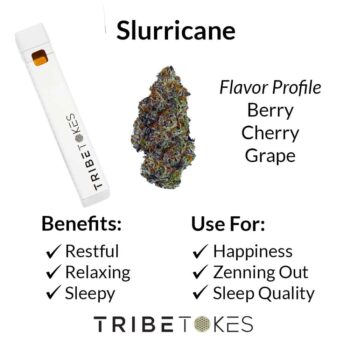
Slurricane (Indica) Live Resin THCa Disposable Vape PenStarting from: $60.00 SHOP NOW This product has multiple variants. The options may be chosen on the product page
-
THCa Vape BOGO | Live Resin – RuntzOriginal price was: $120.00.$60.00Current price is: $60.00. SHOP NOW

Disposable or Cartridge?
A 510 cart splits the arithmetic in two. The battery is a long-lived asset measured in months, and the tank is a consumable measured in draws, so the two run on separate clocks. That is useful for planning, because you can settle the tank question by counting draws without the battery confusing the picture. Look across the full vape range to see both formats side by side, and are THCa carts good for a plainer view of the format.
Capacity Is the Only Measured Number
A tank is filled to a stated amount, and that amount is verifiable. It does not drift with weather, habit or hardware. Every other duration figure in this category is built on top of it by assumption.
That makes capacity the right axis for comparing two devices. It is the only quantity where a like-for-like comparison means what it appears to mean. Two tanks holding the same amount hold the same amount, whatever their marketing says about how long they run.
Why Puff Counts Are Estimates
A published puff count is capacity divided by an assumed consumption per draw. Change the assumption and the count changes with it, which is why figures differ so widely between products that hold similar volumes.
The assumed draw is usually a short one. That is not dishonest so much as unavoidable, since no one making the estimate knows how you will actually use the device. Read it as an upper bound produced under favorable conditions.
The Four Variables That Move Your Own Number
Draw length comes first and outweighs the rest combined, because vaporization continues for as long as the element stays at temperature. Frequency comes second, and it is the one most people track, probably because it is the easiest to count.
Temperature comes third, since viscosity governs how fast oil reaches the coil. Remaining volume comes fourth: a tank near empty wicks less efficiently, which changes the rate in the final stretch. None of these appear on a box.
Measuring Your Own Rate in One Tank
Pick an ordinary week rather than an unusual one. Count draws each day, keep the count somewhere you will not lose it, and note the day the tank finishes. A week of travel or a week of illness will both skew the result, so run it again if the first attempt was not typical.
Divide capacity by the total number of draws and you have your own consumption per draw, in the same units the tank was measured in. From then on, any capacity figure on any product page converts straight into a duration estimate that is actually about you. Keep exploring Washington with hemp products in Washington, CBD in Washington, THC gummies in Washington, THCa flower in Washington, CBN in Washington and CBG in Washington.
Frequently Asked Questions
Capacity divided by your own consumption rate, and the second term is personal. A reader taking twenty draws a day empties a tank in half the time of a reader taking ten from the same cartridge. Any single figure quoted without a stated draw pattern behind it is a guess dressed as a specification.
It is the amount of oil the tank was filled with, usually stated by weight or volume. That number is fixed at fill and does not change with use, temperature or habit. It is the only quantity in this discussion that is measured rather than estimated.
Puff counts are derived figures, not measurements. Someone divides capacity by an assumed amount consumed per draw, and the assumption usually describes a short, light draw. Longer draws consume more per pull, so a real count often lands well below a published one without anything being wrong.
Because draw length is the dominant variable and it is set entirely by the user. Two people can take the same number of draws from identical tanks and consume very different amounts. Frequency gets the attention, but duration per draw does more of the work.
More than anything else you control. A long draw keeps the coil at temperature for the whole pull and vaporizes oil for that entire period. Two short draws with a pause between them consume less than one long draw of the same total length, because the element cools between them.
It does, in both directions. Cold oil wicks slowly, so less reaches the coil per second and consumption drops. A warm device wicks faster and vaporizes more per draw. A tank kept at a steady room temperature gives the most consistent rate.
Not completely, and no device claims it does. THCa is the acid form the plant produces, examined directly in the review Can You Pass the Acid Test? Critical Review and Novel Therapeutic Perspectives of Δ9-Tetrahydrocannabinolic Acid A. Conversion at a coil depends on heat and contact time, so what a tank contains and what a draw delivers are different quantities.
No. Capacity describes how much oil is present and says nothing about what a single draw does. Work such as Decoding the Postulated Entourage Effect of Medicinal Cannabis: What It Is and What It Isn’t examines how loosely composition maps onto outcome in the first place. Volume answers a supply question, not an intensity one.
Count draws for three ordinary days and average them, then note the date a tank runs out. Capacity divided by total draws gives your amount per draw, and that figure predicts every tank afterward. It takes one cartridge to learn and stays useful indefinitely.
Compare stated capacity between two devices before comparing anything derived from it. Capacity is directly comparable and puff counts are not, because each brand chooses its own assumed draw. Once capacity is matched, your own rate is the only remaining variable.
Related reading: how long a THCa cart lasts, vapes compared with joints, and whether vapes have calories.
These statements have not been evaluated by the FDA. TribeTokes products are not intended to diagnose, treat, cure, or prevent any disease. Not for use by anyone under 21, or by those who are pregnant or nursing. All products contain less than 0.3% hemp-derived Delta-9 THC by dry weight.