
CBD in Washington
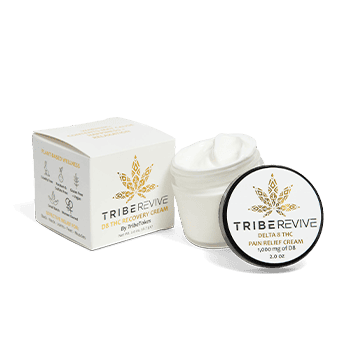
How the extract was made decides what ends up in the bottle. Two jars can both say CBD on the front and hold quite different mixtures, because the step between plant and product strips out different things depending on the solvent, the temperature and the finishing stages behind it. That is the part almost nobody reads about, and it explains more of the difference between one WA product and the next than the front label ever will. The TribeTokes range covers gummies, tinctures, oils and a topical, with an independent lab report published against every lot. Woman-owned since 2017. Good news for Washington: TribeTokes ships CBD oil, CBD gummies and pain cream right to your door, with standard shipping in 2 to 5 business days.
The CBD Lineup for Washington
-
 THC-Free CBD Oil Tincture 1,800mg | CBG-BoostedStarting from: $50.00 SHOP NOW This product has multiple variants. The options may be chosen on the product page
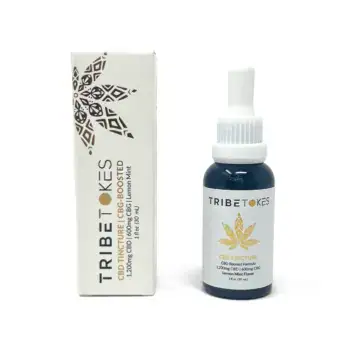
-
CBD + CBN Sleep Gummies | With L-Tryptophan + Vitamin B6Starting from: $45.00 SHOP NOW This product has multiple variants. The options may be chosen on the product page
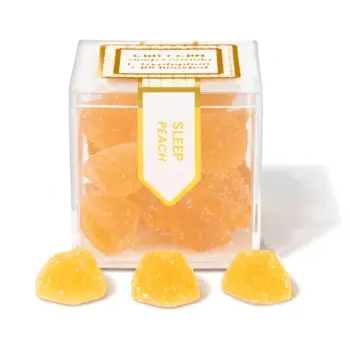
-
Save $10: You Pick 2 Tinctures | Build Your Own BundleOriginal price was: $100.00.$90.00Current price is: $90.00. SHOP NOW This product has multiple variants. The options may be chosen on the product page
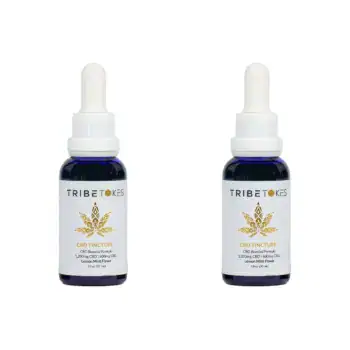
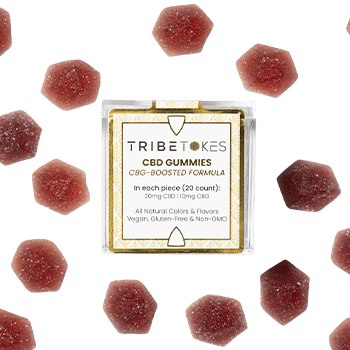
CBD in Washington: What to Look For
Washington keeps its hemp program under the state Department of Agriculture, and non-intoxicating CBD is the least complicated hemp category inside it. The question worth more of your attention is how a given extract was made, because that decides which cannabinoids and terpenes survived the trip and which were removed on the way. A potency table answers it partly. The words full spectrum, broad spectrum, distillate and isolate answer the rest, and each of them describes a different point at which processing stopped.
CBD Across Washington
Nothing that comes out of a vessel goes straight into a bottle. Crude extract is a dark, thick material carrying cannabinoids alongside waxes, lipids, chlorophyll and whatever else the solvent happened to dissolve, and every product you have ever held is that crude taken several steps further. Winterizing, filtering, decarboxylating, distilling and sometimes crystallising each remove something. The useful way to think about a finished CBD product is not what was added to it but what was taken out, and in what order.
CBD, by Format
Format sits downstream of all of it. A gummy needs an extract that behaves predictably in a warm sugar matrix, a tincture needs one that stays in solution in a carrier oil, a vape needs one thin enough to move through hardware, and a topical needs one that blends into an emulsion without separating. Those requirements push each format toward a particular kind of extract, which is why the same brand’s gummy and tincture can carry noticeably different terpene content even when the CBD figure matches.
- Gummies: pre-measured, easy daily habit.
- Tinctures: adjustable amounts, faster under the tongue.
- Topicals: applied to one area rather than taken internally.
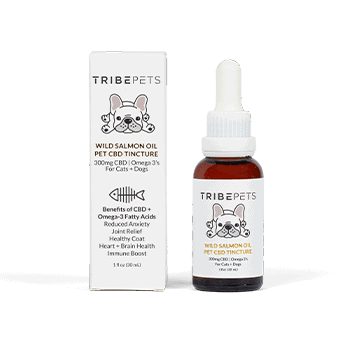
- Pets: oils made for dogs and cats.
How Much CBD to Take
Read the milligrams per serving rather than the adjectives. A distillate-based tincture and an isolate-based one can print the same CBD number and still be different mixtures, since one carries minor cannabinoids and residual plant compounds and the other carries a single purified molecule in oil. Start at one serving, hold it for several days, and change one thing at a time. If you switch to a product built from a different extract, treat it as a new starting point rather than a continuation of the old one.
CO2 Extraction and What It Keeps
Push carbon dioxide past its critical point and it stops behaving like a gas or a liquid and starts behaving like a tunable solvent. Raise the pressure and it pulls more; drop the temperature and it becomes more selective. Operators use that to take cannabinoids and a portion of the terpene fraction while leaving heavier waxes in the biomass.
The obvious advantage is that CO2 does not need purging. It returns to gas and leaves, so there is no solvent residue to chase. The less obvious cost is that the crude still comes off carrying plenty it does not want, and every processor running CO2 is running cleanup steps afterwards.
None of this decides the THC question either way. Whether a finished product carries trace delta-9 is set by what was removed after extraction rather than by the solvent that started it, which is the point people usually miss when they treat a method name as a guarantee. Whether CBD contains THC comes down to the same three words on the front of the package.
It is also slower and more capital-heavy than the alternatives, which is part of why the phrase appears on so many labels. The method is real, but on its own it tells you about a first step rather than about the finished mixture.
Ethanol, and Why Winterization Exists
Ethanol is efficient and forgiving, which is why so much material moves through it. Because it is polar, it also dissolves things nobody wants in a bottle: chlorophyll, plant pigments, sugars and a heavy load of waxes, and the warmer the ethanol, the more of that it takes.
Winterization is the correction. The crude goes back into ethanol, the solution is chilled hard enough that lipids and waxes drop out, and the mixture is filtered while still cold. What comes through is clearer, thinner and far better behaved in a tincture or an emulsion.
Cold ethanol extraction reduces the problem at the source by running the solvent well below room temperature so less of the unwanted fraction dissolves in the first place. Either way, the step is standard, and an extract that skipped it announces itself the moment the product goes cloudy.
Hydrocarbon Extraction and the Purge
Butane and propane are the selective end of the range. They pull cannabinoids and terpenes efficiently at low temperature and leave much of the water-soluble plant material behind, which is why the concentrate world leans on them where aroma matters most.
The trade is that the solvent has to come back out. Hydrocarbon extract is purged under vacuum, and the residual solvent panel on a Certificate of Analysis is the document that closes the question. This is a case where reading the report is not a formality.
Vape hardware adds its own requirement on top of all this, because an oil that is too thick will not move and one that is too thin behaves badly in a coil. That is a formulation problem solved after extraction rather than during it, and it is covered separately at can you vape CBD oil.
For a general CBD line the method matters less than the finishing. Most tinctures, gummies and topicals are built from refined material several steps removed from any of these starting solvents, and the label word you see is usually describing what survived rather than what was used.
Distillate and Isolate: What Gets Left Behind
Distillation separates by boiling point under vacuum, which lets a processor pull one cannabinoid away from the crowd without cooking the material. What comes off is distillate: thick, pale, dominated by a single compound, and much easier to formulate with because its potency is consistent from batch to batch.
Isolation goes further. Crystallise a distillate and you end up with a white powder of essentially one molecule, which is where CBD isolate comes from and why an isolate product’s potency table reads as a single tall column with almost nothing beside it.
An isolate potency table is also the easiest one to read, which is a genuine practical advantage. One tall column, nothing beside it, and no question about what else came along. A full spectrum table is busier by design, listing CBC, CBG, CBN and a delta-9 figure alongside the CBD, and each of those rows is a compound that survived the process rather than a marketing word. The comparisons at CBD versus CBG and CBN versus CBD explain what those neighbours are.
That column is the whole argument between the two. The idea that a mixture of plant compounds behaves differently from a purified one has a name and a literature rather than only a marketing pitch, and Decoding the Postulated Entourage Effect of Medicinal Cannabis: What It Is and What It Isn’t is a fair place to see what the concept does and does not establish. Read it before deciding the word full spectrum is either magic or noise.
Terpenes Are the First Thing to Go
Terpenes are volatile by nature, which is what makes them smell like anything at all, and volatility is precisely what heat and vacuum exploit. Every stage that concentrates cannabinoids has a tendency to drive terpenes off, so the aromatic fraction is usually the first casualty of refinement.
Processors who want them back capture them separately and reintroduce them after distillation, sometimes from the same material and sometimes not. It is a legitimate practice, and it is also why the aroma of a product is a poor guide to how it was made.
Working out what is actually present takes an instrument rather than a nose. Analytical chemistry on cannabis material is done with methods of the kind used in Identification of Terpene Compositions in the Leaves and Inflorescences of Hybrid Cannabis Species Using Headspace-Gas Chromatography/Mass Spectrometry, and a potency table on a batch report is the consumer-facing end of the same idea. If terpene content matters to you, the report is where the question gets settled. The related reading at CBD oil versus hemp oil and CBDa versus CBD covers two more places where the label word and the chemistry drift apart. More from our Washington pages: hemp products in Washington, THC gummies in Washington, THCa flower in Washington, THCa vapes in Washington, CBN in Washington and CBG in Washington.
Frequently Asked Questions
No. CBD is non-intoxicating whichever way it was extracted, because extraction concentrates what the plant already made rather than converting it into something else. A high comes from THC acting on receptors CBD does not engage the same way. CBD and THC compared covers the difference properly.
More than you would expect. The cannabinoid table shows whether minor cannabinoids survived or whether one compound dominates, which separates a full spectrum extract from a distillate or an isolate at a glance. A residual solvent panel, where the lab runs one, speaks to the solvent used. Every TribeTokes batch posts its report with the lot number attached.
An isolate or a broad spectrum product is the most predictable, because fewer things are in the bottle and the THC has been removed during processing. A full spectrum extract keeps more of the plant and is the more complicated proposition to reason about. Neither is better in the abstract; they are answers to different questions, and the report tells you which one you are holding.
It means carbon dioxide was used as the solvent, held above its critical point where it behaves as something between a gas and a liquid. Operators tune pressure and temperature to pull cannabinoids while leaving some heavier plant material behind, and the CO2 simply evaporates off afterwards rather than needing to be purged. The crude still requires further cleanup before it becomes a product.
It changes it substantially. Solvent choice determines what dissolves alongside the cannabinoids, temperature determines how much of the volatile fraction survives, and each cleanup step after that removes another category of compound. Two products with identical CBD figures can differ in minor cannabinoids and terpenes purely because of the route they took.
Distillate is separated by boiling point under vacuum and ends up a thick oil dominated by one cannabinoid but still carrying traces of others. Isolate goes a step further into crystallisation, ending as a white powder of essentially one compound. Distillate keeps a little of the plant’s chemistry; isolate keeps none of it.
It is the step that removes fats and waxes. The crude is dissolved in ethanol, chilled hard so the lipids fall out of solution, then filtered cold. Skipping it leaves a cloudy, greasy extract that behaves badly in a tincture or a vape, which is why the step exists regardless of which solvent did the original work.
Many of them are, because terpenes are volatile and most cleanup steps involve heat, vacuum or both. Some processors capture the terpene fraction separately and reintroduce it afterwards, which is why a product can list terpenes even though the distillation that made its base would have driven them off. The batch report is where you find out which situation you are in.
It looks for solvent left behind after processing, most relevantly the light hydrocarbons and alcohols used in extraction. A hydrocarbon-extracted product is the one where the panel matters most, since butane and propane have to be purged under vacuum rather than simply evaporating away. A clean panel is a processing result, not a marketing claim.
No. Crude is the raw material that comes off the extraction vessel, carrying waxes, lipids and chlorophyll alongside the cannabinoids. A full spectrum product is that crude refined enough to be usable while keeping the plant’s cannabinoid and terpene range intact. The word full spectrum describes what was kept, not the absence of processing.
Keep exploring: head back to all TribeTokes in Washington, shop all CBD, browse the full cannabinoid collections, or view our lab results. Close by, see CBD in Nevada, CBD in Oregon and our California CBD page. You can also head to the Georgia CBD page.
These statements have not been evaluated by the FDA. TribeTokes products are not intended to diagnose, treat, cure, or prevent any disease. Not for use by anyone under 21, or by those who are pregnant or nursing. All products contain less than 0.3% hemp-derived Delta-9 THC by dry weight.