
THC Gummies in Washington
A ratio on a gummy label is a proportion, not a dose. When a chew is described as 1:1, the two cannabinoids named sit in equal amounts inside that single piece, and a 1:1:1 does the same across three. TribeTokes builds ratio chews next to single-cannabinoid ones, from a CBN sleep gummy through the extra-strength Buzzed to a live resin option. The milligram figures live on the jar. The batch behind those figures is read by an independent lab whose Certificate of Analysis is published against that run. Most people arriving here from Washington are asking one thing first: what do the colons actually mean?
Ratios make more sense on real labels, so keep our full THC gummy range open in another tab as you read. Yes, we ship THC gummies to Washington: our hemp-derived Delta 9 gummies go out with standard shipping in 2 to 5 business days, in plain, tracked packaging.
The TribeTokes THC Gummy Lineup
-
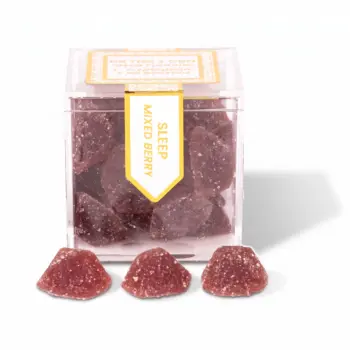
 THC Gummies for Sleep: 10mg THC + 20mg CBN, Melatonin-FreeStarting from: $45.00 SHOP NOW This product has multiple variants. The options may be chosen on the product page
-
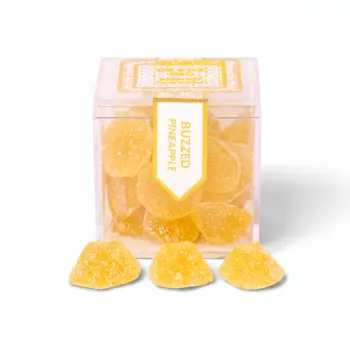
THC Buzzed Gummies | Extra Strength – Delta 8-BoostedStarting from: $45.00 SHOP NOW This product has multiple variants. The options may be chosen on the product page
-
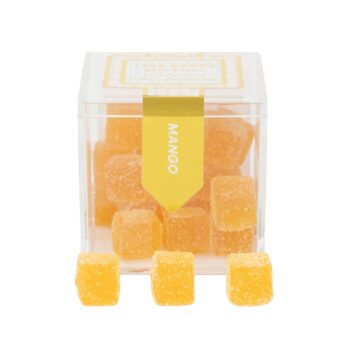
THC Live Resin Gummies | CBD-BoostedStarting from: $45.00 SHOP NOW This product has multiple variants. The options may be chosen on the product page
-
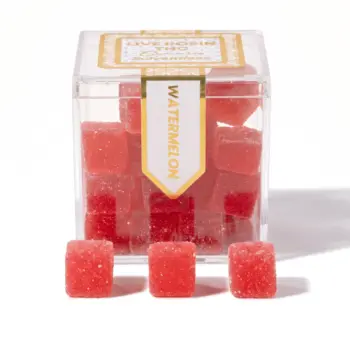
Live Rosin Gummies | Solventless THCStarting from: $45.00 SHOP NOW This product has multiple variants. The options may be chosen on the product page
-
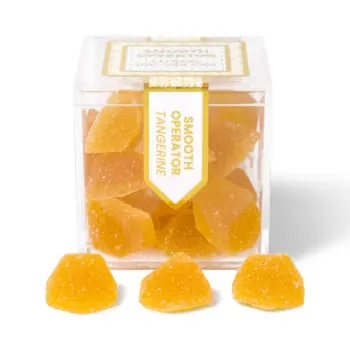
Smooth Operator 1:1:1 Ratio Gummies | THC + CBD + CBGStarting from: $45.00 SHOP NOW This product has multiple variants. The options may be chosen on the product page
-
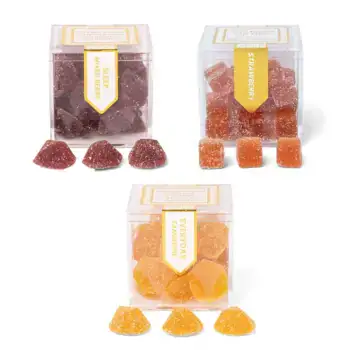
Save $20: You Pick 3 Gummies | Build Your Own BundleOriginal price was: $135.00.$115.00Current price is: $115.00. SHOP NOW This product has multiple variants. The options may be chosen on the product page
THC Gummies in Washington: What to Look For
Rules for hemp get written state by state and revised often, so a look at the local laws where you live in WA belongs at the front of this. Past that, the part anyone can verify is the paperwork. Every run goes out to an independent laboratory, and the report that comes back is posted against the batch it belongs to rather than summarized. If a ratio is what brought you here, CBD vs THC: How They Differ covers the two cannabinoids a 1:1 puts side by side.
How Our THC Gummies Are Made
Making a ratio chew is harder than making a single-cannabinoid one. Two or three actives have to disperse evenly through the same slab of pectin, and the slab then has to be cut so every piece carries the same proportion as the piece next to it. Small runs help with that: a smaller mass is easier to keep uniform than a large one. The laboratory reads the finished run rather than the recipe, which is the only way to know the proportion survived the cook.
Pick the Right THC Gummy
Ratio and strength answer different questions. Strength is the milligram number, meaning how much of a cannabinoid sits in one piece. Ratio is the shape of the blend, meaning what else is in there and in what proportion. Two chews can share a ratio and differ in strength. Two more can match on strength and behave nothing alike because of what rides alongside. Read both lines before deciding anything, and if you want the low end of that, Can You Microdose THC? is the adjacent question.
- Evening formulas: THC paired with CBN.
- Stronger: Buzzed for a higher tolerance.
- Balanced: Smooth Operator 1:1:1 for daytime.
- Live extracts: live resin and live rosin.
How Many Should You Take
With a ratio piece the arithmetic is easy to get wrong. Halving a 1:1:1 halves all three numbers at once rather than the THC alone, so half a piece is a genuinely different thing and not a watered-down version of the whole. Start there anyway. Give it an hour or two before you decide anything else, and write down which piece you took, because the ratio is the variable you are actually testing.
How to Read a Ratio on a Gummy Label
Colons describe order and proportion, nothing else. In a 1:1 the first number belongs to the first cannabinoid named and the second to the second, so THC:CBD and CBD:THC are not two ways of writing the same thing once the figures stop matching. A 1:1:1 simply adds a third seat at the table. What none of those numbers tell you is the size of the piece, which is why the milligram line matters every bit as much as the colons do.
The jar carries both. One line gives you the proportion, another gives you the amount, and the lab report ties the pair of them to the batch that produced them. Read them together and the label stops being shorthand. Read one alone and you are guessing. Delta-9 vs THC: Are They the Same? clears up the naming question that usually comes next.
What CBD Alongside THC Actually Changes
This is the question researchers keep circling. Cannabinoid Exposure and Subjective Effects of THC and CBD in Edible Cannabis Products takes on that exact pairing in edible form, which is the same pairing a 1:1 chew puts in your hand. We are not going to paraphrase a finding that took a controlled study to produce, and any product page that does should be read with suspicion.
What we will say is narrower and checkable. The proportion is fixed at the point of manufacture, the laboratory confirms it after the fact, and the number printed on the jar is the number the instrument read. Everything past that line is your own experience, and it varies more between two people than between two jars.
Ratio Chews Versus Single-Cannabinoid Chews
A single-cannabinoid gummy answers one question: how much of that one thing is in a piece. A ratio chew answers two, and the second question is what makes it useful to people who already know how straight THC lands on them. CBG vs THC: Which Gets You High? and CBN vs THC: How They Differ cover the two cannabinoids most often stacked next to THC in a blend.
The TribeTokes range runs both ways. The CBN chew leans toward the end of the day, Buzzed is the extra-strength piece, live resin is the flavor-forward one, and the 1:1:1 holds THC, CBD and CBG level for daytime. Nothing on that list is stronger by virtue of having more names on it. Do THC Gummies Help You Sleep? picks up the evening end of the range.
Where the Lab Report Fits
A ratio is a claim until a laboratory checks it. Each TribeTokes batch is read by an independent third-party lab before it is packed, and the Certificate of Analysis for that run is published in full rather than described. Potency sits on the same document as the contaminant panel, which is the point of having one document at all.
That report is also why a ratio is worth anything. A proportion printed on a wrapper is a promise. The same proportion on a batch-linked lab document is a measurement, and the gap between those two words is the whole argument. Tasty THC: Promises and Challenges of Cannabis Edibles is a fair place to read why edible formulation attracts that scrutiny in the first place. Keep exploring Washington with hemp products in Washington, CBD in Washington, THCa flower in Washington, THCa vapes in Washington, CBN in Washington and CBG in Washington.
Frequently Asked Questions
It means the two cannabinoids named sit in equal amounts in one piece. The colon describes proportion only, so a 1:1 tells you nothing about size; the milligram line on the jar does that job. A 1:1:1 applies the same idea across three cannabinoids at once.
Not automatically. Ratio and milligrams are separate lines on a label, and a 1:1 can carry more THC per piece than a single-cannabinoid chew made at a smaller dose. Read the amount first, then read the proportion.
THC, CBD and CBG, held level against each other. It is the daytime piece in the range, sitting well apart from the CBN sleep chew and from the extra-strength Buzzed.
It does. The first figure belongs to the first cannabinoid named, the second to the second, and so on down the line. Where the numbers are uneven, reversing the order describes a different chew entirely.
Every batch, at an independent third-party lab, with the Certificate of Analysis published against that specific run. The document carries potency alongside the contaminant panel, and the total-THC figure appears among those results.
Cut it and every number halves together. Half a 1:1:1 gives you half the THC, half the CBD and half the CBG, so the proportion holds while the amount drops. That is the cleanest way to test a piece you have not had before.
Because a proportion only survives if the mix is even. Two or three actives have to spread through the same slab before it is cut, and a smaller run is far easier to keep uniform than a large one.
Buzzed is the extra-strength Delta-9 chew, with the live resin piece behind it. Strength there is a milligram question rather than a ratio question, and the jar prints the figure the lab confirmed.
No. An edible is an edible, and the chew and the digestion in front of it do not care how many cannabinoids are in the piece. Give a first dose an hour or two before judging it.
Only if you compare the milligram lines as well. A 1:1 from one maker and a 1:1 from another can differ several times over in amount per piece, and the proportion on its own hides that completely. The batch report is where the real figures sit.
Keep exploring: head back to all TribeTokes in Washington, shop our THC gummies or Delta-9 gummies, browse best sellers, or view our lab results. Shopping for a neighboring state? See THC gummies in Nevada, THC gummies in Oregon and THC gummies for California.
These statements have not been evaluated by the FDA. TribeTokes products are not intended to diagnose, treat, cure, or prevent any disease. Not for use by anyone under 21, or by those who are pregnant or nursing. All products contain less than 0.3% hemp-derived Delta-9 THC by dry weight.