
THCa Flower in North Carolina
A Certificate of Analysis is a laboratory document, not a marketing sheet, and it reads like one. The header names the lab, the sample and the dates. The potency table lists cannabinoids one at a time. Underneath sit the safety panels: pesticides, heavy metals, microbials, and on some reports residual solvents. TribeTokes publishes one against every batch of its twelve THCa flower strains, each sold as a whole-flower eighth. What follows is how to read one without taking anybody’s summary on trust.
The THCa Flower Lineup for North Carolina
-
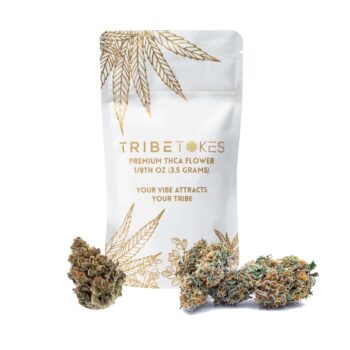
 THCa Flower: 12 Strains | Eighth (3.5g) | 22 to 28% THCaStarting from: $45.00 SHOP NOW This product has multiple variants. The options may be chosen on the product page
-
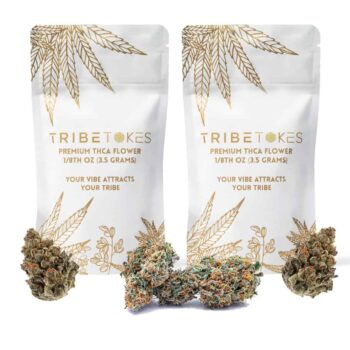
Save $10: THCa Flower You Pick 2 | Eighths (3.5g) | 22 to 28% THCaOriginal price was: $90.00.$80.00Current price is: $80.00. SHOP NOW This product has multiple variants. The options may be chosen on the product page
-
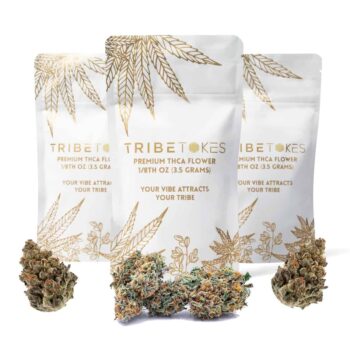
Save $20: THCa Flower You Pick 3 | Eighths (3.5g) | 22 to 28% THCaStarting from: $115.00 SHOP NOW This product has multiple variants. The options may be chosen on the product page
THCa Flower Strain Profiles
Hybrid
Sativa
Indica
Hybrid
Hybrid
Sativa
Is THCa Flower Legal in North Carolina?
Yes, for now. THCa flower, like other hemp-derived products are legal to buy in North Carolina as long as they stay under 0.3% delta 9 THC. A bill that would restrict intoxicating hemp, HB 328, passed the state Senate in July 2026, but the House has put off a vote until after the November election. A lab report is the part that does not move. Whatever else is true, the document either describes a tested batch or it does not. Is THCa Flower Sprayed? is the question most people are really asking when they open one.
How We Cure and Pack THCa Flower
The sequence that produces a report is worth knowing before you read one. Flower is trimmed, cured in small lots, and held back until an independent laboratory has finished with it; only then is it sealed and labeled. The batch you end up with is the batch the instrument read, which is what makes the document evidence rather than decoration.
Pick Your Strain
Indica, sativa and hybrid describe lean rather than quality, and no lab report will tell you which one you prefer. What it will tell you is what is in the jar. Read the report for safety and potency, read the strain page for aroma and character, and keep the two jobs apart. What THCa Percentage Is Considered High? covers the number people fixate on first.
Skip the Grinding: Shop Prerolls
-
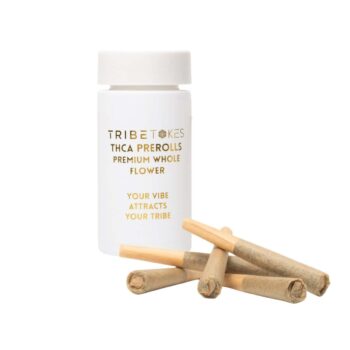
THCa Pre-Rolls : Whole Flower 5-Pack | Mini or Regular | 22 to 28% THCaStarting from: $35.00 SHOP NOW This product has multiple variants. The options may be chosen on the product page
-
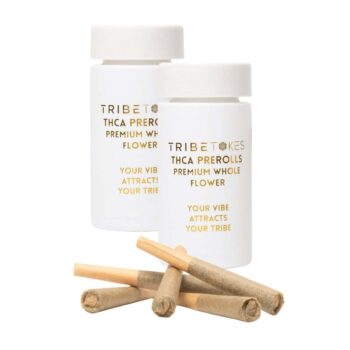
Save $5-$10: THCa Pre-Rolls You Pick 2 | Whole Flower 5-Pack | 22 to 28% THCaStarting from: $65.00 SHOP NOW This product has multiple variants. The options may be chosen on the product page
-
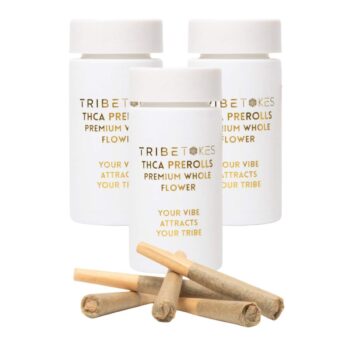
Save $10-$20: THCa Pre-Rolls You Pick 3 | Whole Flower 5-Pack | 22 to 28% THCaStarting from: $95.00 SHOP NOW This product has multiple variants. The options may be chosen on the product page
Flower or Prerolls?
The eighth is loose bud. The prerolls are five cones, whole flower, already rolled. Both come out of tested batches and both carry a report, so the document in front of you does the same job either way. Format is a convenience decision and nothing more. All THCa Flower holds the loose side of the range.
The Header Block: Who Tested What, and When
Start at the top, because the rest of the page is worthless without it. A usable report names the laboratory, identifies the sample and the batch it came from, and carries the dates the sample was received and tested. If a report cannot be matched to the jar in front of you, nothing further down needs reading at all.
Dates matter for a second reason. A report tied to a run other than yours tells you about that run, and a document with no batch reference anywhere on it is a brochure with a table printed on it. This is the single most common weakness in published lab paperwork.
Look for the laboratory’s own identity while you are up there. A report should say who performed the work and carry a way to reach them, because a result nobody will stand behind is not a result. Reports that arrive as flat images with no lab name, no sample identity and no date are the ones to treat with the most caution, whatever the numbers underneath happen to say.
Potency: Why There Are Two THC Numbers
The potency table lists THCa and delta-9 THC on separate lines because they are separate molecules, distinguished by a carboxyl group that only the acid form carries. Reviewers have treated that acid form as a compound in its own right in Can You Pass the Acid Test? Critical Review and Novel Therapeutic Perspectives of Δ9-Tetrahydrocannabinolic Acid A, which is a reasonable place to start if the two names have been used interchangeably at you.
A total-THC line usually appears beneath them, calculated rather than measured, because heat converts one molecule into the other and the calculation has to account for the mass that leaves during that step. Read the measured lines first and treat the calculated one as what it is, which is arithmetic. THCa vs Delta-9: What’s the Difference? covers the same distinction outside the table.
Pesticides, Heavy Metals and What ND Means
The safety panels are the reason a report exists at all. Each analyte gets a row, a result and a limit it was measured against, and on a clean report most rows read ND. That stands for not detected, which is not identical to absent: it means the instrument found nothing at or above its limit of quantitation, a figure printed on the same page for you to check.
Heavy metals usually appear as a short list, lead and arsenic and cadmium and mercury among them, and they arrive through soil and water rather than through spraying. Pesticides are the longer table. One flagged row matters far more than a long column of clean ones, so read for exceptions instead of skimming for reassurance. Is THCa Flower Safe to Smoke? sits on the same worry.
Microbials, and the Rows People Skip
Flower panels commonly include microbial testing, yeast and mold counts among them, because plant material that was dried or stored badly shows up there before it shows up at the nose. Residual solvent rows belong to extract reports and are largely beside the point for whole flower, which never encounters a solvent in the first place.
One caution worth stating plainly: numbers do not predict experience. The idea that a cannabinoid and terpene table can be read forward into how a jar feels is a proposal rather than a finding, and Decoding the Postulated Entourage Effect of Medicinal Cannabis: What It Is and What It Isn’t works through what that idea actually claims. What THCa Strain Has the Highest Potency? is where that misreading usually starts. Also in North Carolina: hemp products in North Carolina, CBD in North Carolina, THC gummies in North Carolina, Delta 8 THC in North Carolina, THCa vapes in North Carolina, CBN in North Carolina and CBG in North Carolina.
Frequently Asked Questions
A laboratory document reporting what an instrument found in one specific batch. It names the lab and the sample, lists cannabinoids one by one, and carries the safety panels underneath. It is evidence about a single run, not a claim about a product line.
Not detected. The instrument found nothing at or above its limit of quantitation, and that limit is printed on the same page. It is a strong result, though it is not quite the same statement as zero.
Because THCa and delta-9 THC are different molecules. The acid form is what the plant makes; the neutral form appears once heat removes a carboxyl group. A total-THC line, where one is present, is calculated from both rather than measured on its own.
The common panel covers lead, arsenic, cadmium and mercury. Those reach a plant through soil and water rather than through anything sprayed on it, which is why a clean pesticide table does not make the metals table redundant.
Yes. THCa flower and other hemp-derived THCa products are legal in North Carolina as long as they test under 0.3% delta 9 THC. HB 328, which would ban most intoxicating hemp, passed the Senate in July 2026, but the House has delayed its vote until after the November election.
By the batch reference. A usable report identifies the sample and the run it came from and carries the dates it was received and tested. A document with no batch on it cannot be checked against anything at all.
Yes. Under current North Carolina rules you can order THCa flower online from TribeTokes, with standard shipping in 2 to 5 business days. Every strain comes with a batch lab report, so you can check the THCa percentage and contaminant screen before you buy.
Yeast and mold counts most often, along with related organisms depending on the panel. They catch material that was dried or stored badly, sometimes before there is anything to see or anything to smell.
No. The figure describes one compound in one sample and says nothing about aroma, structure or how the jar actually reads. Plenty of well-grown flower sits below the number people chase.
The header. Laboratory name, sample identity, batch reference and dates come before everything else, because a table that cannot be tied to your jar is not evidence about your jar.
Keep exploring: head back to all TribeTokes in North Carolina, shop all THCa flower or THCa pre-rolls, learn what THCa is, browse best sellers, see every strain we carry, or view our lab results.
These statements have not been evaluated by the FDA. TribeTokes products are not intended to diagnose, treat, cure, or prevent any disease. Not for use by anyone under 21, or by those who are pregnant or nursing. All products contain less than 0.3% hemp-derived Delta-9 THC by dry weight.