
Delta-8 THC in North Carolina
Delta-8 THC is not pulled out of hemp in any real quantity. The FDA states that delta-8 THC “is not found in significant amounts in the cannabis plant” and that “concentrated amounts of delta-8 THC are typically manufactured from hemp-derived cannabidiol (CBD)”, both set out in 5 Things to Know about Delta-8 Tetrahydrocannabinol. That single fact explains most of what North Carolina readers ask about the category: why it arrived later than CBD, why the lab report carries more weight than the label, and why two products showing the same milligram figure can come from very different processes.
The Delta-8 THC Lineup in North Carolina
-
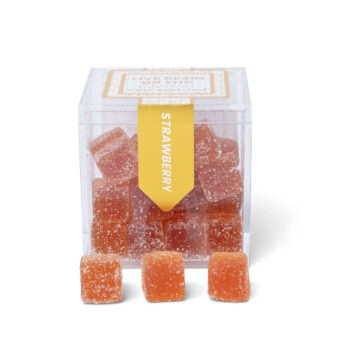
 Delta 8 THC Live Resin Gummies | CBD-BoostedStarting from: $45.00 SHOP NOW This product has multiple variants. The options may be chosen on the product page
-
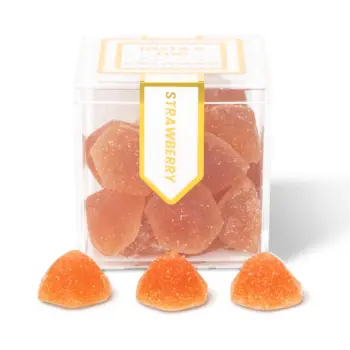
Delta 8 THC Gummies | CBD-BoostedStarting from: $45.00 SHOP NOW This product has multiple variants. The options may be chosen on the product page
-
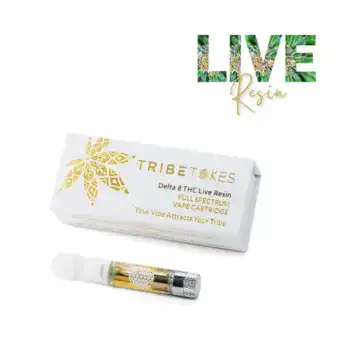
Delta 8 THC Live Resin Vape Cartridge (1g) | 9 StrainsStarting from: $60.00 SHOP NOW This product has multiple variants. The options may be chosen on the product page
-
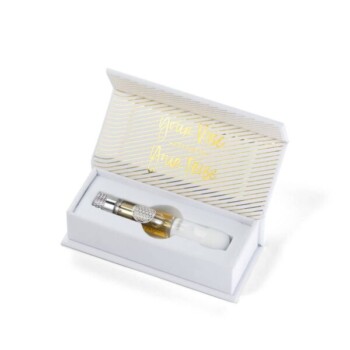
Delta 8 THC Vape Cartridge (1g) | 18 StrainsStarting from: $60.00 SHOP NOW This product has multiple variants. The options may be chosen on the product page
-
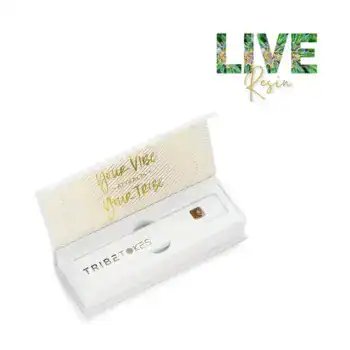
Delta 8 THC Live Resin Disposable Vape Pen (1g) | 9 StrainsStarting from: $60.00 SHOP NOW This product has multiple variants. The options may be chosen on the product page
-
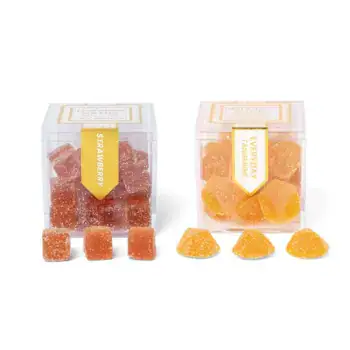
Save $10: You Pick 2 Gummies | Build Your Own BundleOriginal price was: $90.00.$80.00Current price is: $80.00. SHOP NOW This product has multiple variants. The options may be chosen on the product page
-
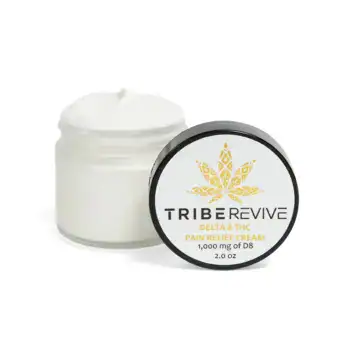
Delta 8 THC Pain Relief Cream 1,000mg | Arnica + Menthol + WintergreenStarting from: $50.00 SHOP NOW This product has multiple variants. The options may be chosen on the product page
Is Delta 8 Legal in North Carolina?
Yes, for now. Delta 8, like other hemp-derived products are legal to buy in North Carolina as long as they stay under 0.3% delta 9 THC. A bill that would restrict intoxicating hemp, HB 328, passed the state Senate in July 2026, but the House has put off a vote until after the November election. What matters more than the format is what the process left behind. TribeTokes makes delta-8 as gummies, 510 carts, and disposables, and every batch carries a third-party Certificate of Analysis listing the cannabinoid breakdown beside the contaminant screens. For a converted cannabinoid, that second half of the document is the informative half.
Delta-8 THC Basics for North Carolina Readers
Hemp laws are written state by state and revised often, so North Carolina‘s current statutes and the USDA’s Hemp Production program are where to confirm the position rather than a product page.
Delta-8 Formats
The three formats differ less in what they started as than in what happened to the material afterwards.
- Gummies: pre-dosed and easy to travel with.
- Carts: refillable 510, lower cost per gram.
- Disposables: all-in-one, nothing to charge.
What to Expect from Delta-8
Delta-8 is generally described as milder than delta-9, though the FDA is direct that it “has psychoactive and intoxicating effects”. Treat a first serving as small on purpose, and give an edible far longer than feels necessary before revisiting it.
Where Delta-8 Actually Comes From
Delta-8 and delta-9 are isomers, meaning the same atoms arranged differently. That relationship is what makes conversion possible: a compound already present in hemp in quantity, cannabidiol, can be rearranged into one that is not. The FDA description of delta-8 as typically manufactured from hemp-derived CBD is a description of exactly that step.
It also explains the shape of the category. Cannabidiol arrived first and in volume, so a cannabinoid that could be made from it followed rather than led. None of that makes delta-8 synthetic in the way the word is usually meant, because the starting material is a plant compound. It does mean the finished product is the output of a process, and processes leave traces worth checking.
Why the Starting Material Matters
Hemp grown for cannabidiol is a field crop, with everything that implies about soil, water, and whatever was sprayed nearby. Metals and pesticide residues carry forward, and no conversion step strips them out. That is why the pesticide and heavy metal panels on a delta-8 report are describing farming rather than chemistry.
The cleaner the input, the fewer questions the output raises. It is also why a report drawn from the same batch as the product in hand is worth more than a general assurance that testing happens. A batch number that matches is the difference between a document and a decoration.
A second point follows from the first. Conversion is a manufacturing question, and manufacturing questions get answered with documents rather than with adjectives. A page that says lab tested without naming which panels were run has not answered anything, which is why the batch report carries more weight here than the name on the front.
What a Conversion Leaves Behind
Any chemical process needs something to carry it, and residual solvent screening exists to confirm what did not stay in the finished material. Unreacted starting material and related compounds are the other category, which is the reason a delta-8 report usually shows more cannabinoid lines than a plain CBD tincture does.
TribeTokes adds a residual solvent screen to the vape formats on top of the pesticide and heavy metal checks. That is a format decision rather than a marketing one. An inhaled product goes straight into the lungs, so the question of what is in the oil earns a direct answer, and can you vape THCa covers the same reasoning for the other vape category.
Gummies, Carts, and Disposables After the Conversion
Once the material exists, it gets formulated, and formulation is where the three formats separate. A gummy carries a set amount per piece, so the decision is made before eating rather than during. A 510 cart and a disposable hold oil, and the amount per use is decided by the draw.
For a first-time reader in North Carolina, the practical difference is control. An edible commits you to a choice made twenty minutes earlier, while an inhaled format lets the next choice arrive sooner. Neither is stronger by default, and neither says anything at all about the quality of the conversion behind it.
Made Against Grown: Delta-8 Next to THCa
THCa is the useful contrast. It occurs in the plant in quantity and converts to THC under heat, so a THCa product is grown and changes at the moment of use. Delta-8 works the other way round, with the change completed before anything is packaged.
That distinction is why the two categories should be read differently. For a grown cannabinoid the questions are about cultivation and curing. For a converted one they are about the process and what the report says happened during it. Flying with delta-8 is a separate matter again and worth checking on its own. Also in North Carolina: hemp products in North Carolina, CBD in North Carolina, THC gummies in North Carolina, THCa flower in North Carolina, THCa vapes in North Carolina, CBN in North Carolina and CBG in North Carolina.
Frequently Asked Questions
From hemp-derived cannabidiol. The FDA states that delta-8 is not found in significant amounts in the cannabis plant and that concentrated amounts are typically manufactured from hemp-derived CBD, which makes a delta-8 product the result of a conversion step rather than a straight extraction.
Every batch goes to a third-party lab for potency and purity, with the Certificate of Analysis published. The vape formats carry an additional residual solvent screen alongside the pesticide and heavy metal panels, because an inhaled product deserves the extra question.
They start from the same converted material and diverge at formulation. A gummy fixes a set amount into each piece. A 510 cart and a disposable hold oil, so the amount per use is whatever a draw turns out to be.
Not in any commercial sense. The FDA’s position is that delta-8 is not present in significant amounts in the plant, so products described as delta-8 are made from a more abundant compound rather than harvested directly.
Yes. Delta 8 made from hemp is legal in North Carolina today, as long as the product stays under 0.3% delta 9 THC. The Senate passed a bill in July 2026, HB 328, that would ban most intoxicating hemp, but the House won’t vote on it until after the November election.
Yes. The FDA states plainly that delta-8 THC has psychoactive and intoxicating effects. Milder is a comparison against delta-9 rather than a category of its own, and it should not be read as mild.
Because metals and pesticide residues travel forward from the field and no conversion step removes them. The farming panels on a delta-8 report describe where the plant grew, not what happened in the lab afterwards.
THCa occurs in the plant in quantity and converts under heat at the moment of use, so it is grown rather than made. Delta-8 is the reverse, with the change happening before packaging. Does THCa flower get you high covers the other side.
Because a chemical process needs something to carry it, and the screen confirms what did not remain in the finished oil. Inhalation puts material straight into the lungs, which is the reason that panel matters more for a cart than for a gummy.
You can buy delta 8 gummies, carts and disposables online from TribeTokes and have them shipped to North Carolina with standard shipping in 2 to 5 business days. Each batch’s lab report is posted online, so you can check potency and purity before you order.
More on the chemistry: delta-8 versus CBD covers the starting material, delta-8 versus THC covers the naming, and does delta-8 expire covers what happens to it on a shelf.
These statements have not been evaluated by the FDA. TribeTokes products are not intended to diagnose, treat, cure, or prevent any disease. Not for use by anyone under 21, or by those who are pregnant or nursing. All products contain less than 0.3% hemp-derived Delta-9 THC by dry weight.