
CBD in Wisconsin
Most of what goes wrong with CBD is not the product, it is the routine around it. People take a serving, change it two days later, switch formats the following week, forget which bottle they were on, and then conclude nothing happened. A routine fixes that by holding everything still long enough to be readable. For anyone in WI starting out, the useful skills are picking a time, keeping a note and resisting the urge to adjust. Across the TribeTokes line, gummies, tinctures, oils and the topical, every lot carries its own third-party report. The brand has been woman-owned since it started in 2017.
The CBD Lineup for Wisconsin
-
Sale!
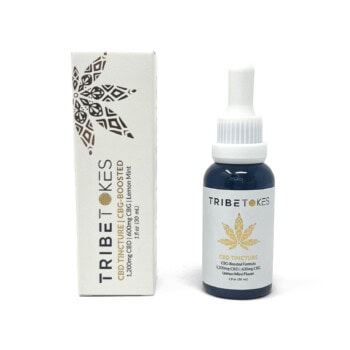
CBD Tincture 1,800mg | CBG-Boosted | Keto Friendly
Starting from: $50.00 SHOP NOW This product has multiple variants. The options may be chosen on the product page
-
Sale!

CBD + CBN Sleep Gummies | With L-Tryptophan + Vitamin B6
Starting from: $45.00 SHOP NOW This product has multiple variants. The options may be chosen on the product page
-
Sale!
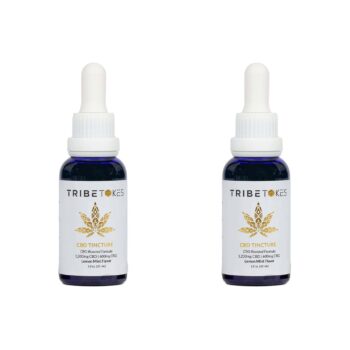
Save $10: You Pick 2 Tinctures — Build Your Own Bundle
Original price was: $100.00.$90.00Current price is: $90.00. SHOP NOW This product has multiple variants. The options may be chosen on the product page
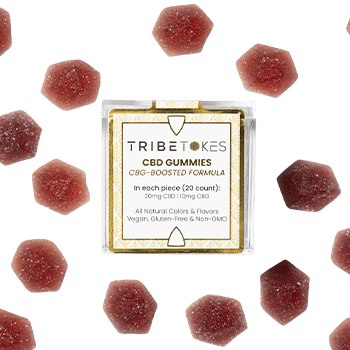
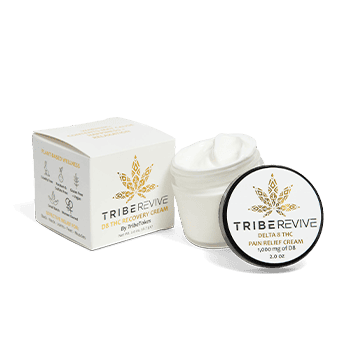
CBD in Wisconsin: What to Look For
Non-intoxicating CBD is the most straightforward hemp category to reason about in Wisconsin, and it is also the one where a routine matters most. There is no head change to tell you something happened, no obvious marker to react to, and nothing that rewards taking more. What that leaves you with is method: the same amount, at the same time, in the same format, for long enough that you can look back and see a pattern rather than a series of one-offs.
CBD Across Wisconsin
Attach it to a habit you already have rather than to a time on a clock. Coffee, brushing teeth, feeding the dog, the last thing before bed: anchors like these survive a bad week, whereas an alarm at 8:15 gets dismissed on the third morning. A tincture next to the kettle gets taken; a tincture in a drawer upstairs does not. The point is not discipline, it is placement, and most of the people who keep a routine going did it by moving the bottle rather than by trying harder.
CBD, by Format
Format decides how easily the routine survives contact with an actual week. A gummy has one serving and no measuring, which makes it the format that generates the cleanest log. A tincture is adjustable, which is useful once you know what you are adjusting and a liability before then. An oil folds into food or coffee. The topical runs on its own schedule entirely, since it is applied where it is wanted rather than taken at a set hour. Pick the one you will still be doing in three weeks.
- Gummies: pre-measured, easy daily habit.
- Tinctures: adjustable amounts, faster under the tongue.
- Topicals: applied to one area rather than taken internally.
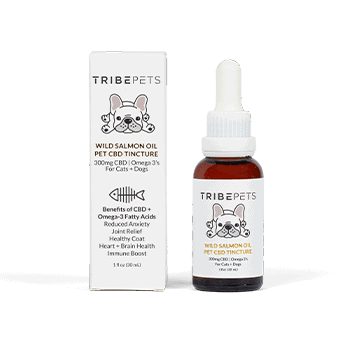
- Pets: oils made for dogs and cats.
How Much CBD to Take
Hold the labelled serving for at least a week before touching anything. That is the whole discipline. If you change the amount on day two you have thrown away the only reading you had, and if you change the amount and the format together you have thrown away two. Move one variable, wait, write it down. Most people who say CBD did nothing for them ran a week of chaos rather than a week of routine, and there was never a signal to find in it.
Anchor It to Something You Already Do
A routine that depends on remembering is a routine that ends. The version that survives is attached to something already automatic: the coffee maker, the toothbrush, the dog’s bowl, the bedside lamp. You are not building a new habit so much as attaching a small one to a habit that already runs itself.
Placement does most of the work. A bottle stored where the anchor happens gets used, and a bottle two rooms away does not, regardless of intention. This sounds trivial and it is the single most common reason a routine collapses in the second week.
Pick the anchor before you pick the amount. Everything else is easier to adjust later.
One more thing worth doing on day one: decide how long the trial runs before you start it. Three weeks is a reasonable window and it removes the daily question of whether to keep going. A routine with an end date is easier to commit to than an open-ended one, and at the end you have something to actually review rather than a vague sense of how things have been.
Onset Belongs to the Route, Not the Product
A gummy and a tincture holding identical milligrams are not the same event. Swallowed, a serving goes through digestion first and reaches the bloodstream on the gut’s schedule. Held under the tongue, it takes a shorter path. Applied to skin, it largely stays in the tissue it was worked into.
That is a property of the route, and it is why comparing a tincture week to a gummy week tells you very little about either. Pharmacokinetics of Non-Psychotropic Phytocannabinoids covers how compounds of this class are absorbed, distributed and cleared, which is the underlying reason format changes the shape of a day rather than only its convenience.
The practical rule is short: while you are still learning your routine, keep the route fixed. Change it later, on purpose, as its own experiment.
Change One Variable, Then Wait
There are only a handful of variables in a CBD routine: the amount, the time of day, the format, whether it is taken with food and which product it is. Change one and you can attribute what follows. Change three and you have learned nothing at all except that the week was different.
Give each change a run long enough to be readable. A week is the floor, two is better, and anything shorter is comparing one mood to another. The instinct to increase the amount on day three is the most common way people lose the thread.
Write the date of every change. A log with change dates in it can be read backwards; a log without them is a list.
It also helps to decide in advance what would make you change something. Waiting until you feel like adjusting produces adjustments driven by the week rather than by the routine. Deciding on Sunday that the amount stays put until the following Sunday removes the argument entirely, and it is the difference between running a routine and simply having one in mind.
The urge to stack formats belongs in the same category. A gummy in the morning, a tincture at lunch and a topical at night may all be reasonable individually, and together they are four variables moving at once. Build up to that, if at all, one addition at a time.
What Is Actually Worth Writing Down
Keep it small enough that you will do it. Date, amount, time, format, lot number, and one line in your own words about how the day went. Six fields, ten seconds, a note app or the back of an envelope.
Note which product it is by its full name too, not just “the oil”. Two bottles in a cupboard can be different things entirely, and the distinction between an extract and a pressed seed oil trips more people up than it should, as CBD oil versus hemp oil explains. If your product carries more than one cannabinoid, note that as well, since CBD and CBG are separate lines on a report and separate variables in a log.
The lot number is the field people skip and the one that saves a month of confusion. Two bottles of the same product come from different batches with their own reports, and if something reads differently the lot number is how you find out whether the product changed or the week did.
Add the obvious confounders when they happen: a bad night, a heavy Wisconsin winter week, travel, a new medication, a different sleep schedule. Those are the things that will otherwise get attributed to a serving. If you are taking anything else, that conversation belongs with a clinician rather than a product page, and the same goes for combining it with anything, including the question at using melatonin alongside CBD.
Switching Products Restarts the Clock
Two products with the same CBD figure are not the same mixture. One may be built from a full spectrum extract carrying minor cannabinoids and terpenes, another from an isolate carrying a single purified compound in a carrier oil. Swapping between them mid-routine changes more than the number on the front.
The idea that the rest of the mixture matters is not just a slogan; it has been examined and argued about in the literature. Decoding the Postulated Entourage Effect of Medicinal Cannabis: What It Is and What It Isn’t lays out what that combined-compound concept does and does not establish, which is a better basis for a decision than either the enthusiastic version or the dismissal.
Practically: finish the bottle, then switch, then run the new one for its own full week before comparing. And check the shelf life while you are at it, since a product that has sat for a year is another uncontrolled variable. We cover that at whether CBD gummies expire, alongside the general questions at are CBD gummies safe and the format question at can you vape CBD oil.
Frequently Asked Questions
No. CBD is non-intoxicating, which is exactly why a routine matters: there is no obvious head change to tell you anything happened, so consistency and a note are what you have instead. The intoxicating effect belongs to THC, and the comparison between the two sets out why.
By the lot number. Every batch goes to an independent lab and posts its own Certificate of Analysis, so two bottles of the same product can be checked against each other rather than assumed identical. If you are keeping a log, write the lot number in it. It costs nothing and it is the only way to tell a formulation change from a bad week.
With a fixed-serving format, a set time and a note. A gummy removes measuring from the equation, which means the only variables left are timing and consistency, and those are the two you are actually trying to learn. Move to a tincture once you know what you would adjust and why.
Pick one and keep it, at least at first. Which end of the day you choose matters less than choosing, because a serving that moves around the clock produces a week of readings you cannot compare. Anchor it to something fixed you already do, and revisit the timing later as a deliberate change rather than a drift.
Nothing requires it, but an occasional serving and a daily one are different situations, and only one of them tells you anything. If you are trying to work out whether a product suits you, daily and consistent is the version that produces a readable result. If you are using a topical for one area, it runs on its own schedule and does not need to match.
Give it at least a week, and preferably two, before you change anything. Shorter than that and you are comparing a week to a mood. Change one variable at a time, note the date you changed it, and let the new version run the same length before judging it against the old one.
Whether a serving is taken with a meal or on an empty stomach is one of the variables worth pinning down rather than leaving to chance. Pick one, keep it, and write it in the log. If you later want to test the other, treat it as a deliberate change with its own run rather than as an accident of the day.
Five things, and it takes ten seconds: the date, the amount, the time, the format and the lot number. Add one line about how the day went in your own words. That is enough to reconstruct a month later what you were actually doing, which is more than most people can manage from memory.
Effectively, yes it does. A different product means a different formulation, a different serving size and often a different extract behind it, so the reading you built on the old one does not carry over. If you switch, treat it as a fresh start with a fresh week rather than as a continuation.
That depends on the route rather than on the product. A swallowed gummy passes through digestion before anything reaches the bloodstream, a tincture held under the tongue takes a shorter path, and a topical stays largely where it was applied. Onset windows differ by route, which is one more reason to keep the format constant while you are still learning what your routine looks like.
Keep exploring: head back to all TribeTokes in Wisconsin, shop all CBD, browse the full cannabinoid collections, or view our lab results. or see CBD in Michigan. Or CBD in North Dakota. Or Illinois CBD.
These statements have not been evaluated by the FDA. TribeTokes products are not intended to diagnose, treat, cure, or prevent any disease. Not for use by anyone under 21, or by those who are pregnant or nursing. All products contain less than 0.3% hemp-derived Delta-9 THC in compliance with the 2018 Farm Bill.