
THCa Vapes in Wisconsin
A THCa vape and a THCa edible differ in two ways that matter, and neither is strength. The first is route: inhaled compounds pass into the bloodstream through the lungs, while anything swallowed travels through the digestive tract and the liver before it circulates. The second is timing of heat: an edible has to be heated during production, whereas a vape applies heat at the coil at the moment you draw. Those two facts explain almost everything Wisconsin readers notice about the difference, including why one is easy to pace and the other is not.
The THCa Vapes Lineup for Wisconsin
-
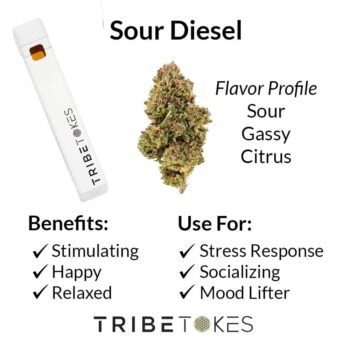
 Sour Diesel (Sativa) Live Resin THCa Disposable Vape PenStarting from: $60.00 SHOP NOW This product has multiple variants. The options may be chosen on the product page
-
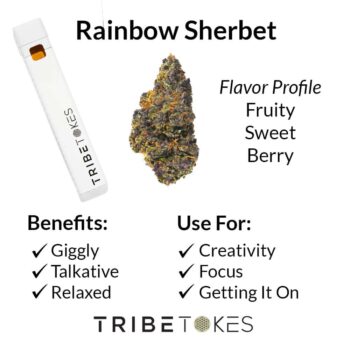
Rainbow Sherbet (Hybrid) Live Resin THCa Disposable Vape PenStarting from: $60.00 SHOP NOW This product has multiple variants. The options may be chosen on the product page
THCa Vape Strain Profiles
Hybrid
Sativa
Indica
Hybrid
Hybrid
Sativa
THCa Vapes in Wisconsin: What to Look For
Wisconsin sets its own hemp rules and they change, so check what applies where you live before anything here becomes a plan. The physiology does not vary by county. Route of administration determines how quickly anything arrives and how long the timeline runs, and it does so the same way for everyone.
How We Fill and Test THCa Vapes
Both product types start from the same raw material and part company at the heat step. Strain-specific THCa oil intended for a tank is not decarboxylated in advance, because the device does that job. Every batch behind the THCa vapes is screened by an outside lab for cannabinoid potency and contaminants, and the report describes the oil as it sits in the tank rather than as it leaves the coil.
Pick Your Strain
Strain grouping means something slightly different across the two formats. With a vape, the aromatic fraction arrives with the vapor and you notice it immediately, so the profile is part of the experience from the first draw. Swallowed material presents differently, because aroma compounds take the digestive route along with everything else. Compare the THCa carts and read THCa vs THC for the chemistry underneath the label.
Disposables: Nothing to Refill
A sealed disposable inherits every property described above, since the route is set by how you use a product and not by its packaging. What a disposable adds is a fixed, self-contained unit with no assembly, which some readers find easier to pace precisely because there is nothing else to think about. See the THCa disposable vapes.
-
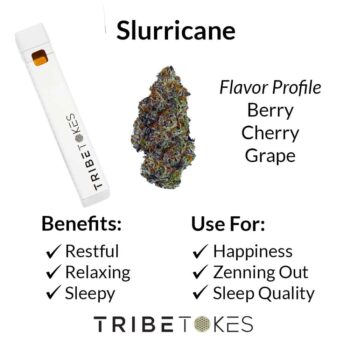
Slurricane (Indica) Live Resin THCa Disposable Vape PenStarting from: $60.00 SHOP NOW This product has multiple variants. The options may be chosen on the product page
-
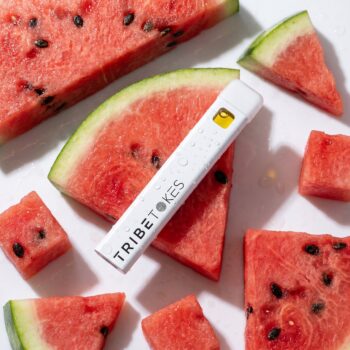
THCa Vape BOGO | Live Resin – RuntzOriginal price was: $120.00.$60.00Current price is: $60.00. SHOP NOW

Disposable or Cartridge?
Format is a hardware question and route is a physiology question, and they do not interact. A cart and a disposable behave identically on everything covered here. The only comparison that changes the timeline is the one between inhaling and swallowing, which is why a reader weighing a vape against an edible is asking a different question from a reader weighing a cart against a disposable.
Route Decides Everything Downstream
Inhalation and ingestion are two transport systems with different speeds and different intermediate stops. The lungs present a large surface directly against circulating blood. The digestive tract does not, and it routes everything through the liver before general circulation.
That single structural difference produces the whole list of contrasts people notice. Onset speed, timeline length, how gradually anything builds, and how much of it you can influence once you have started are all consequences of which road the material took. Change nothing about the material and change only the road, and every one of those properties moves.
Where the Heat Happens
THCa is an acidic compound, and heat is what converts it. The question is only ever when that heat is applied. In an edible it happens during production, well before the product reaches anyone.
In a vape it happens at the coil during use, which means the oil in the tank and the vapor in the air are chemically different things. That is also why a lab report on vape oil describes the acid form rather than what leaves the device. Readers sometimes read a potency panel as a description of vapor, and it is not one. It describes the contents of the tank, measured before any heat was applied to them.
Feedback Speed Changes How People Use Each
Fast feedback allows correction. When any change is apparent shortly after a draw, a person can wait, take stock and decide whether to continue, which makes pacing a series of small decisions.
Slow feedback removes that option. An oral amount is fully committed at the moment of swallowing, and the common mistake is treating an absence of change as evidence that more is needed. The route, not the material, creates that trap.
Choosing Without Comparing Strength
Asking which is stronger produces no useful answer, because the two differ in shape rather than magnitude. A better question is how long you want the timeline to be and how much say you want over it once it starts.
Readers who value control and a short arc describe a vape. Readers who want a long, gradual arc and are comfortable committing in advance describe an edible. Both answers are reasonable, and neither is a statement about potency. The most common regret in this category comes from picking a format on strength and then being surprised by its timeline. Also in Wisconsin: hemp products in Wisconsin, CBD oil in Wisconsin, THC gummies in Wisconsin, Delta 8 THC in Wisconsin, THCa flower in Wisconsin, CBN in Wisconsin and CBG in Wisconsin.
Frequently Asked Questions
The route into the body is different, and so is when the material was heated. Inhaled compounds reach the bloodstream through the lungs; swallowed ones pass through the digestive tract and the liver first. An edible is heated during production, while a vape heats the oil at the coil as you draw.
Because digestion is a slower transport system than breathing. Anything swallowed has to move through the stomach and intestine and then through the liver before it reaches general circulation. Inhalation skips all of that, which is why the two timelines look nothing alike.
Generally yes, and for the same reason it starts later. Material absorbed gradually is also released gradually, so an oral timeline stretches out at both ends. An inhaled timeline is compressed at both ends. Neither is better; they are different shapes.
Strength is the wrong axis for the comparison. The two differ in how fast anything arrives and how long it stays, not in some fixed intensity ranking. Two people can reach very different places from the same amount of material simply because they took different routes with it.
Unheated THCa is a different compound from what a coil produces. Eating raw acidic material without applying heat first does not perform the conversion that a vape performs automatically, which is why edibles are heated during manufacture rather than left to chance.
It is the reaction that removes an acid group from a cannabinoid under heat, described in research on Acidic Cannabinoid Decarboxylation. An edible has that reaction performed in a kitchen or a lab before it reaches you. A vape performs it in the device while you are using it.
It is the acid form the living plant actually produces, covered directly in Can You Pass the Acid Test? Critical Review and Novel Therapeutic Perspectives of Δ9-Tetrahydrocannabinolic Acid A. It is a distinct molecule rather than a weaker version of something else, which is why the timing of heat matters at all.
Because feedback arrives on the same timescale as the decision. Inhalation produces a short interval between one draw and any noticeable change, so you can wait, assess and stop. An oral dose is committed before anything is noticeable, and no amount of waiting undoes the amount already swallowed.
Route is not what a screen looks at. Standard tests look for cannabinoids and their metabolites, both of which arise from either path, so switching format is not a way around a test. The drug test explainer covers this in more detail.
Weigh how much control you want over pacing against how long you want the timeline to run. A vape gives fast feedback and a shorter arc. An edible gives a longer arc with the dose fixed in advance. That trade decides it more cleanly than any comparison of strength.
Related reading: THCa vs delta-9, does THCa flower do anything, and THCa compared with THC for sleep.
These statements have not been evaluated by the FDA. TribeTokes products are not intended to diagnose, treat, cure, or prevent any disease. Not for use by anyone under 21, or by those who are pregnant or nursing. All products contain less than 0.3% hemp-derived Delta-9 THC by dry weight.