
CBD Oil in Michigan: Formats, Servings and Lab Reports
CBD oil in Michigan comes down to four honest formats: gummies, tinctures, topical cream and pet drops, none of which will get you high. CBD is the cannabinoid that leaves your head where you left it, which is why Michiganders reach for it on a Tuesday morning in Ann Arbor and on a Saturday night in Marquette alike. TribeTokes has made it in small batches since 2017, woman-owned, with an outside lab checking every batch and the report waiting a click away. The bench runs gummy bears for simplicity, the 1,800mg tincture for fine control, CBN sleep gummies for the late shift, and a pain cream that stays on the skin. Yes, we ship CBD to Michigan: CBD oil tinctures, CBD gummies and pain cream go out with standard shipping in 2 to 5 business days, in plain, tracked packaging.
Shop All CBD
-
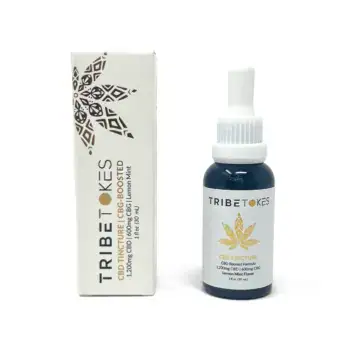
 THC-Free CBD Oil Tincture 1,800mg | CBG-BoostedStarting from: $50.00 SHOP NOW This product has multiple variants. The options may be chosen on the product page
-
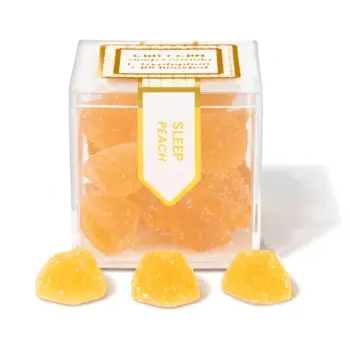
CBD + CBN Sleep Gummies | With L-Tryptophan + Vitamin B6Starting from: $45.00 SHOP NOW This product has multiple variants. The options may be chosen on the product page
-
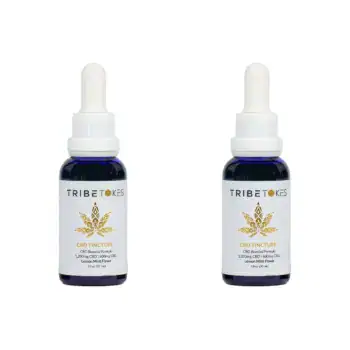
Save $10: You Pick 2 Tinctures | Build Your Own BundleOriginal price was: $100.00.$90.00Current price is: $90.00. SHOP NOW This product has multiple variants. The options may be chosen on the product page
CBD Gummies
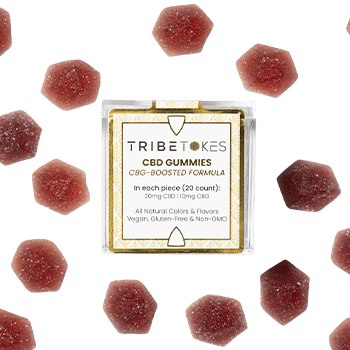
Everyday CBD gummy bears for daily balance. One bear is one fixed serving, which is the whole appeal: no dropper, no math, nothing to work out at 7am.
Shop
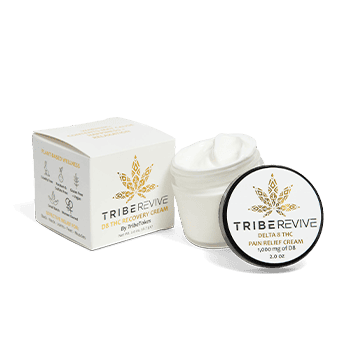
Pain Creams
Topical CBD for targeted, external use. Cream stays where you put it, so it answers one shoulder or one knee rather than a whole evening. Useful after a winter of shoveling.
Shop
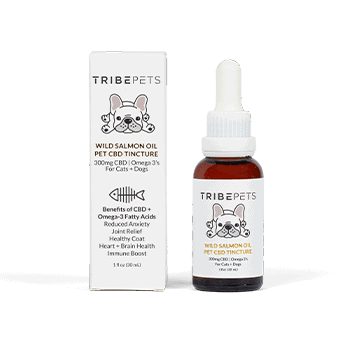
CBD for Pets
Pet-formulated CBD oils for dogs and cats, made at pet-appropriate strengths rather than borrowed from a human bottle. Talk to your vet first, especially for an older animal already on medication.
Shop
How to Choose CBD Oil in Michigan
Choosing CBD oil in Michigan comes down to one question first: do you want a fixed dose or a dial? Gummies are fixed: one bear is one serving every time, which suits anyone who takes CBD on a schedule. Tinctures are the dial. A dropper lets you sit at half a serving for a week, then move up if nothing much happened.
After that, two things are worth checking on any Cannabidiol product, whoever made it. Milligrams per serving, not per bottle, because bottle totals flatter everybody. And whether there is a current batch lab report you can open without handing over an email address. Ours come with the report already posted, so what’s inside is never a mystery.
Michigan CBD Notes, Detroit to the Upper Peninsula
Michigan is two states pretending to be one, and CBD gets used differently in each. Downstate, the questions that land on this page are practical ones about tinctures, from Northville and Sanford as often as from Detroit itself. Those are people who already know what a tincture is.
Detroit metro area life runs on shift work, and the end of a shift is the classic moment CBD comes up. Grand Rapids and Lansing ask about tinctures more than chews. Ann Arbor, being Ann Arbor, wants to see the testing before it sees the price. Head north past the Mackinac Bridge and the pattern changes again: cold, long drives, and knees that have seen one winter too many, which is where pain cream earns its keep.
None of that changes the product. A gummy made in a small batch behaves the same in Marquette as it does in Kalamazoo. What changes is which format fits the week you are actually having. Everything we carry in Michigan is on our Michigan hub.
CBD in Michigan: Formats and Strengths
CBD comes in a handful of forms, and the pick really depends on how you like to take it. Strength matters as much as format: a single gummy and an 1,800mg bottle are not competing, they are answering different questions. The bottle figure is a total, and the figure you actually care about is the one per serving. CBD rarely travels alone either, so if you want to know what the minor cannabinoids do, the guide to CBG is a good place to start.
- Gummies: pre-measured, easy daily habit. One bear, one serving, no dropper to wash and no arithmetic before coffee. The format most people should start with, because consistency is the only thing that tells you whether CBD is doing anything. The CBD and CBN CBD sleep gummies swap the daytime job for a nighttime one.
- Tinctures: adjustable amounts, faster under the tongue. Hold it there for a minute before swallowing rather than treating it like a shot. The 1,800mg CBD oil is the one for fine control, a few drops at a time until you find your level, and the tincture collection shows the rest of the bottles side by side.
- Topicals: pain cream for a single spot. It works where you rub it in and does not travel, so it is a knee or a shoulder answer rather than a whole-body one. Reapply on the same spot instead of doubling the amount.
- Pets: oils made for dogs and cats, measured by body weight rather than scaled down by eye from a human bottle. Cats and small dogs need considerably less than most people expect, so start low and stay there for a few days.
How Much CBD Oil to Take
Start where the label says and hold that serving a few days before you adjust. CBD won’t get you high, so there’s no rush; give every step a few steady days before taking the next one.
Two habits make this easier. Take it at the same time every day, because a scattered schedule makes the result impossible to read. And write one line down about how you slept or how the day went, since what people notice with CBD is usually small and cumulative rather than obvious. If nothing has changed after two weeks at a steady serving, step up once, not three times. Anyone on prescription medication should run it past a doctor first, and the National Center for Complementary and Integrative Health is a level-headed place to read up. Other Michigan guides worth a look: hemp products in Michigan.
Frequently Asked Questions
Start with how much control you want. A gummy is one fixed serving with nothing to measure, which suits a daily habit. A tincture lets you sit at half a serving and then move up in small steps. Cream is for one specific spot and stays there. If you cannot decide, gummies are the least fussy way to find out whether CBD does anything for you.
No. CBD doesn’t cause a high, so a lot of people work it into their daytime routine. Morning drops before a commute down I-96 or a gummy at a desk in Lansing leave the head clear. THC is the cannabinoid that changes how you think, and CBD is not, which is the whole reason it turns up in offices, gym bags and bedside drawers. The CBD and CBN sleep blend handles the nightcap slot.
A COA is the batch report from the outside lab. Find the batch code on the package first, then match it against the code at the top of the report, because a report for a different batch tells you nothing. Then read three lines: total CBD per serving, the date the sample was tested, and the pass marks on pesticides and heavy metals. If the report and the label disagree, believe the report.
Independent testing covers every batch, and the results are public: the cannabinoid content is checkable before you buy. Pesticide and heavy-metal screens run on the same report, which stays matched to your batch number and open to anyone, account or not. Testing per batch rather than per product line is the part that matters, since hemp is a crop and two runs of one recipe are never identical.
A gummy is the easiest opener with its fixed dose; a tincture gives you room to fine-tune how much you take. The 1,800mg CBD oil suits anyone settling into a daily habit, and the pain cream keeps everything on the outside. Give whichever you pick a full week at the same time each day before deciding it did nothing, because the first honest read on CBD usually comes from a pattern rather than from one evening.
Check the printed date rather than guessing. Cannabinoids break down with heat and light, so a cupboard beats a car in July or an unheated Michigan garage in February. Gummies usually go stale long before anything else happens to them.
Plenty of people do. CBD does not build the kind of tolerance that makes daily use pointless, and it tends to be judged over weeks rather than minutes. Keep the timing consistent and the serving steady, then decide after two weeks.
No, and the label swap catches people out. Hemp seed oil is pressed from seeds and carries no meaningful cannabinoids. CBD comes from the flower and leaf of hemp plants. If an ingredient list shows only hemp seed oil, there is no CBD in it.
Keep exploring: back to all TribeTokes in Michigan, or browse the national cannabinoid collections. If you were after something with an effect rather than none of one, THC gummies in Michigan and THCa flower in Michigan are the neighboring pages. Nearby states: Illinois TribeTokes hemp products.
These statements have not been evaluated by the FDA. TribeTokes products are not intended to diagnose, treat, cure, or prevent any disease. Not for use by anyone under 21, or by those who are pregnant or nursing. All products contain less than 0.3% hemp-derived Delta-9 THC by dry weight.