
CBD in New York
The choice between full spectrum, broad spectrum and isolate CBD comes down to a single question: how much of the rest of the hemp plant do you want alongside the cannabidiol? Full spectrum keeps the plant’s other cannabinoids and terpenes, including the trace THC hemp naturally carries. Broad spectrum keeps the supporting compounds and takes the THC out. Isolate strips everything back to cannabidiol on its own. New York readers weighing up gummies, tinctures, oils and a topical are usually choosing between those three descriptions without noticing that they are. Yes, we ship CBD to New York: CBD oil tinctures, CBD gummies and pain cream go out with standard shipping in 2 to 5 business days, in plain, tracked packaging.
The CBD Lineup for New York
-
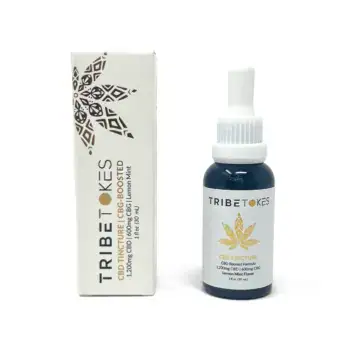
 THC-Free CBD Oil Tincture 1,800mg | CBG-BoostedStarting from: $50.00 SHOP NOW This product has multiple variants. The options may be chosen on the product page
-
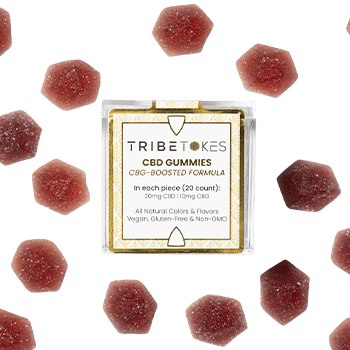
CBD + CBN Sleep Gummies | With L-Tryptophan + Vitamin B6Starting from: $45.00 SHOP NOW This product has multiple variants. The options may be chosen on the product page

-
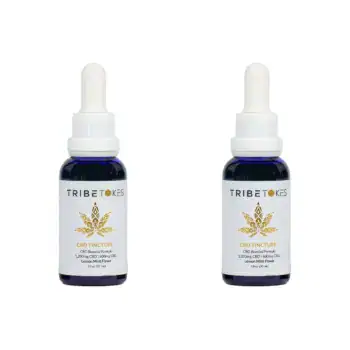
Save $10: You Pick 2 Tinctures | Build Your Own BundleOriginal price was: $100.00.$90.00Current price is: $90.00. SHOP NOW This product has multiple variants. The options may be chosen on the product page
CBD in New York: What to Look For
Use case decides the spectrum far more reliably than the number on the front panel does. Someone who wants the whole plant profile and has no particular reason to avoid trace THC generally lands on full spectrum. Someone who wants the supporting cannabinoids but has a workplace screen to think about generally lands on broad spectrum. Someone who wants a single known compound, or who is building a stack and needs one variable at a time, lands on isolate. None of the three is stronger than the others at the same milligram figure. They differ in what surrounds the cannabidiol, not in how much of it there is.
CBD Across New York
These are descriptions of an extract, not grades of quality, and reading them as a ranking is the most common mistake. Full spectrum means the extract was cleaned up but never fractionated. Broad spectrum means a further step removed the THC, and depending on the method, some other compounds leave with it. Isolate means the cannabidiol was crystallised away from everything else, which is why isolate is a white powder rather than an oil. A Certificate of Analysis is what settles which description a batch has actually earned, since it lists each cannabinoid on its own line.
CBD, by Format
Format and spectrum are separate decisions, and conflating them is what makes comparing two products feel impossible. A tincture can be any of the three. A gummy can be any of the three. Format decides how you take it, how quickly you notice anything, and how precisely you can set the amount. Spectrum decides what else is in the bottle alongside the cannabidiol. Deciding format first and spectrum second, rather than treating one product label as a single indivisible choice, is what keeps the comparison honest. Our answer on CBD Oil vs Hemp Oil covers a fourth label term people often mistake for a spectrum.
- Gummies: pre-measured, easy daily habit.
- Tinctures: adjustable amounts, faster under the tongue.
- Topicals: applied to one area rather than taken internally.
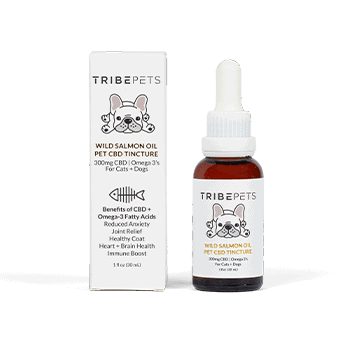
- Pets: oils made for dogs and cats.
How Much CBD to Take
Milligrams mean the same thing across all three, so switching spectrum does not require a dose reset. What can change is how the same amount reads to you, since full and broad spectrum products carry other compounds along for the ride. Hold whatever serving you start at for several days before changing it, and change one thing at a time: either the amount or the spectrum, never both inside the same week, or you will have no way of knowing which change did anything. Write it down rather than trusting memory, because a week is longer than it feels. If you are moving between products while you work that out, Are CBD Gummies Safe? and Delta-8 vs CBD answer two questions that come up in the first week.
What Full Spectrum Keeps
A full spectrum extract is the least processed of the three. The plant material is extracted, cleaned of unwanted matter and concentrated, but nothing is deliberately taken out of the cannabinoid and terpene profile. That means cannabidiol as the dominant compound plus minor cannabinoids such as CBG, CBC and CBN in smaller amounts, the terpenes that came with the plant, and trace THC at hemp levels. On a lab report, a full spectrum batch looks busy: a dozen or more rows with real figures rather than a column of not-detected results.
The trade is variability. Because nothing was standardised beyond the cannabidiol figure, two full spectrum batches from different harvests will not have identical minor cannabinoid or terpene profiles, and the taste tends to travel with them. People who like full spectrum usually like it for exactly this reason, and people who dislike it usually cite the same thing. Neither reaction is wrong; it is a question of whether you want the plant or the compound. New York readers new to the category often start here and narrow down later.
Broad Spectrum: The Same Plant, Minus the THC
Broad spectrum starts as full spectrum and then goes through an additional step aimed at removing THC while leaving the rest of the profile in place. In practice, methods vary and none of them are perfectly selective, so some minor cannabinoids and terpenes tend to be reduced along with the target. A broad spectrum report should therefore show a THC row reading as not detected while other cannabinoid rows still carry figures. If every row except cannabidiol reads as not detected, the product is closer to an isolate than the label suggests.
This is the option most people mean when they say they want the benefits of the whole plant without the THC. It is also the option where reading the Certificate of Analysis matters most, because the term describes an intention rather than a guaranteed outcome. Not detected is a statement about the laboratory’s threshold, not about absolute absence, which is the distinction anyone with a workplace screen needs to understand before choosing on the basis of a label word.
Isolate: One Compound, Nothing Around It
CBD isolate is cannabidiol purified to the point where it crystallises out as a white powder, typically well above ninety-nine percent cannabidiol by weight. Everything else is gone: no THC, no minor cannabinoids, no terpenes, no plant taste. That makes it the most predictable of the three and the easiest to work with when precision matters, since a milligram of isolate is a milligram of one known thing rather than a milligram of a profile.
Isolate also makes formulation straightforward, which is why it turns up in products where flavour and consistency are part of the design. The criticism is that removing everything else removes whatever the rest of the plant contributed, if it contributed anything. That is the whole of the debate in one sentence, and it is why the entourage question below matters more to this choice than to any other. Anyone comparing cannabinoids one at a time will also find CBD vs THC a useful baseline.
The Entourage Effect and What the Research Argues
The entourage effect is the proposal that cannabinoids and terpenes act differently in combination than they do in isolation. It is the entire case for full spectrum products, and it is repeated in marketing copy with far more confidence than the literature currently carries. The review Decoding the Postulated Entourage Effect of Medicinal Cannabis: What It Is and What It Isn’t takes the idea apart specifically to separate what is claimed from what has been shown, which is the right starting point for anyone being sold on the phrase.
The practical reading is that the question is open rather than answered. That does not make full spectrum a bad choice, and it does not make isolate a compromise. It means the decision should rest on things you can actually verify for yourself: whether you want THC on the report, whether taste matters, whether you need batch-to-batch consistency, and whether you are combining CBD with anything else. Those are answerable questions. Whether the terpene fraction is doing measurable work is not yet one of them.
Terpenes: The Part People Skip
Terpenes are the volatile aromatic compounds responsible for how hemp smells, and they are the part of a full spectrum extract that most people cannot name. Their composition is not fixed. It varies by cultivar, by growing conditions, and even between the leaves and the flowering parts of the same plant, which researchers have catalogued using gas chromatography in work such as Identification of Terpene Compositions in the Leaves and Inflorescences of Hybrid Cannabis Species Using Headspace-Gas Chromatography/Mass Spectrometry.
That variability is the practical reason full spectrum products differ from batch to batch in ways isolate never does. If you have tried a full spectrum tincture, disliked the taste, and written off CBD as a result, the terpene fraction is the likely culprit rather than the cannabidiol. A broad spectrum or isolate version at the same milligram figure is the direct comparison to make, and New York readers running that test should keep everything else, format and amount included, unchanged for the week. Also in New York: hemp products in New York, THC gummies in New York, THCa flower in New York, THCa vapes in New York, CBN in New York and CBG in New York.
Frequently Asked Questions
No. Cannabidiol is non-intoxicating, and the THC in a full spectrum hemp extract sits at trace levels rather than the amounts associated with a high. If you want no THC on the report at all, broad spectrum and isolate are the two descriptions to look for instead.
From the Certificate of Analysis rather than the front panel. A full spectrum batch shows a range of cannabinoid rows with figures on them, including a small delta-9 THC row. A broad spectrum batch shows the range with the THC row reading as not detected. An isolate batch shows cannabidiol and almost nothing else.
Broad spectrum is the least complicated starting point for most people, since it keeps the supporting cannabinoids without adding a THC question to the first week. Move to full spectrum if you want the whole profile, or to isolate if you want one variable and nothing else in the frame.
Broad spectrum keeps the plant’s other cannabinoids and terpenes and removes the THC. Isolate removes everything, leaving purified cannabidiol on its own. Both read as no detectable THC on a lab report, so the distinction is what else is on the page: broad spectrum has other rows with figures, isolate has almost none.
It is processed with the aim of removing it, and a broad spectrum batch should show its THC row as not detected. Not detected means below the laboratory’s threshold rather than absolutely absent, so anyone with a screen to think about should read the report and its stated limits rather than the marketing term.
Not in milligrams. Fifty milligrams of cannabidiol is fifty milligrams whichever description sits on the label. The argument for full spectrum is about the other compounds present, not about the cannabidiol count, and that argument is still being worked through in the literature rather than settled.
A screen looks for THC metabolites, not cannabidiol, and full spectrum products carry trace THC by definition. That combination is why people with testing to consider tend to choose broad spectrum or isolate. Our answer on Does CBD Cream Show Up on a Drug Test? works through the topical version of the same question.
The proposal that cannabinoids and terpenes taken together behave differently from the same compounds taken alone. It is the argument behind full spectrum products. The research is active rather than concluded, and reviews differ on how much of the claim the evidence currently supports.
Terpenes are the aromatic compounds that give hemp its smell, and they are what full spectrum extracts retain alongside the cannabinoids. Their composition varies by plant and by part of the plant, which is one reason two full spectrum products from different material do not smell or taste alike.
Because it removes variables. With isolate there is one compound to account for, no THC row to think about, and no terpene profile changing between batches. That makes it the practical pick for anyone combining CBD with other things and wanting to know exactly what changed.
Usually, yes. Isolate is essentially flavourless because the terpenes are gone, while full spectrum extracts carry a distinct grassy, herbal character that formulators either work around or lean into. If a full spectrum tincture is unpalatable, a broad spectrum or isolate version of the same milligram figure is the straightforward swap. See CBDa vs CBD for another label term that changes with processing.
Keep exploring: head back to all TribeTokes in New York, shop all CBD, browse the full cannabinoid collections, or view our lab results.
These statements have not been evaluated by the FDA. TribeTokes products are not intended to diagnose, treat, cure, or prevent any disease. Not for use by anyone under 21, or by those who are pregnant or nursing. All products contain less than 0.3% hemp-derived Delta-9 THC by dry weight.