
THCa flower is hemp flower with high concentrations of tetrahydrocannabinolic acid, the cannabinoid that becomes psychoactive when heat is applied through smoking or vaping. It looks, smells, and smokes like traditional cannabis because it is cannabis, grown within the federal legal framework of federal hemp law. Real talk: same plant, same genetics, different legal category. This guide covers the chemistry, the effects, how to pick a strain, how to dose, and what separates quality flower from the other stuff. If you want the short version first, here’s what THCa flower is in five points.
🧪 Lab Tested | 👩💼 Woman-Owned | 🏆 Est. 2017
THCa Flower at a Glance
| What it is | Hemp flower with high THCa content; the acidic, pre-heat form of the cannabinoid |
| Psychoactive? | Yes when smoked or vaped; heat activates the cannabinoid |
| In raw form | Non-psychoactive in the unheated plant |
| Typical THCa content | 15-30%+ depending on strain and grow quality |
| Federal legal status | within the federal hemp definition (Delta-9 THC at or below 0.3% by dry weight) |
| Available formats | Loose flower (eighth, quarter, ounce) and pre-rolled joints |
| Drug test risk | Yes; will produce positive result on standard urine screen |
| TribeTokes rating | 4.86/5 from 78 THCa flower and preroll reviews |
What Is THCa Flower?
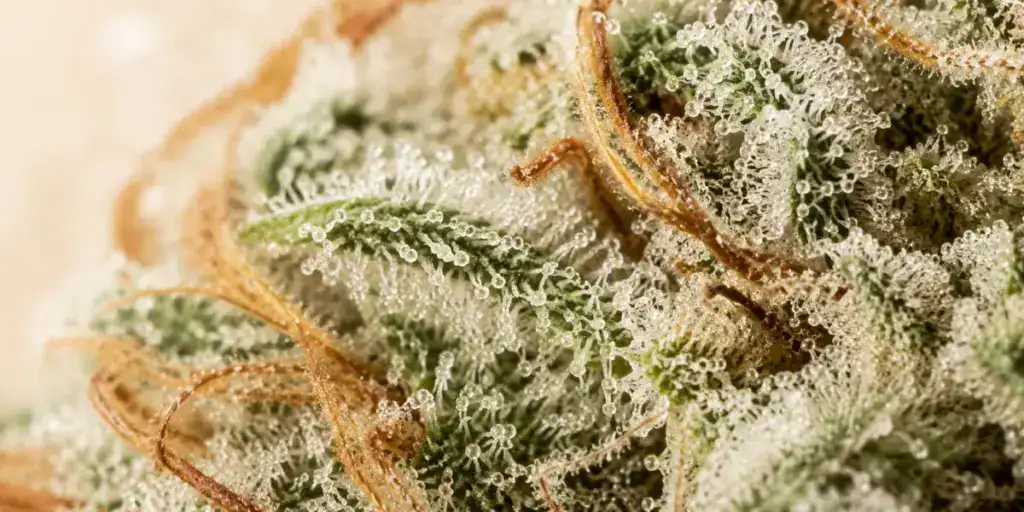
THCa flower is the smokable bud of the hemp plant, cultivated to contain high concentrations of tetrahydrocannabinolic acid (THCa) while remaining at or below the federal 0.3% Delta-9 THC threshold. It’s grown, harvested, cured, and trimmed using the same methods and genetics as dispensary-grade cannabis, because at the plant level, it’s the same thing. The legal distinction comes from the Delta-9 THC content in the fresh plant, which determines whether a crop qualifies as hemp or federally controlled cannabis.
THCa is the natural, unheated form of the cannabinoid found in living and freshly harvested cannabis. In this state, it doesn’t produce psychoactive effects. When heat is applied through smoking or vaping, a chemical reaction occurs that converts THCa into its active form. The result is the experience associated with cannabis consumption. This is why THCa flower looks, smells, and affects the user identically to traditional dispensary flower; it’s the same plant chemistry, just measured at a different point in the process.
The THCa flower market has grown substantially since federal hemp law. Most people in most states now have access to a product that delivers the full cannabis experience without a dispensary visit or a medical card. Strains like Lemon Cherry Gelato, Blue Dream, Jealousy, and Durban Poison are available as hemp-derived THCa flower with the same genetics and terpene profiles you’d find in a licensed cannabis dispensary. For evening strains, see our indica THCa flower collection.
How THCa Flower Works
THCa in the Raw Plant
In the unheated flower, THCa is the dominant cannabinoid, and it’s non-psychoactive in this form. The plant produces THCa in its trichomes alongside terpenes, minor cannabinoids like CBG and CBN, and trace amounts of Delta-9 THC. When you hold raw flower, smell it, or look at it, nothing psychoactive is happening. The THCa molecule is simply present, inert in its acid form.
What Heat Does
When you apply heat through a lighter, a vaporizer, or a pipe, a chemical reaction is triggered by the temperature. THCa loses its acidic molecular structure and becomes the active form of the cannabinoid. This is why the method of consumption matters for THCa flower specifically: eating raw flower doesn’t produce psychoactive effects, but smoking or vaping does. The heat has to be applied for the reaction to occur.
The Endocannabinoid System
Once active, the cannabinoid binds to CB1 receptors concentrated in the brain and central nervous system. This produces the characteristic effects associated with cannabis use. The specific experience is shaped by the strain’s terpene profile, the ratio of cannabinoids present, and individual factors like tolerance, body composition, and consumption setting.
Source: Morales, P. et al. (2017). “Molecular targets of the phytocannabinoids.” Progress in the Chemistry of Organic Natural Products, 103. PMC5549534. | Nadal, X. et al. (2017). “Tetrahydrocannabinolic acid is a potent PPARγ agonist with neuroprotective activity.” British Journal of Pharmacology, 174(23). PubMed: 28853159.
What Does THCa Flower Feel Like?
When smoked or vaped, THCa flower hits the way traditional cannabis does. The experience is shaped primarily by strain, specifically the terpene profile, rather than the THCa percentage alone. A high-THCa indica-dominant strain feels very different from a high-THCa sativa, even at the same cannabinoid content.
What users commonly report:
- Euphoria and mood lift. The most consistent reported effect, ranging from mild and social at lower doses to more pronounced at higher ones.
- Physical relaxation. Particularly with indica and indica-leaning hybrid strains. At higher doses, body heaviness is common.
- Mental engagement or creativity. More typical with sativa strains and terpene profiles rich in limonene or alpha-pinene.
- Appetite stimulation. A well-documented effect of CB1 activation, consistent across strains.
“I got a nice relaxing high. A great way to end the day. Plus, I never felt like I was going to cough from inhaling,” wrote Stephen K. after trying TribeTokes THCa prerolls. That smoothness is characteristic of properly cured, high-quality flower rather than something forced or harsh. Here’s how THCa flower goes from plant to jar.
Terpenes shape the experience more than THCa percentage does. Two strains at 25% THCa can feel entirely different based on their terpene profiles. A myrcene-heavy indica and a limonene-forward sativa at the same THCa content will produce meaningfully different experiences. This is why learning to read a COA’s terpene panel matters as much as looking at the cannabinoid numbers. Wondering where the line is? Here’s what counts as high THCa.
Flower vs. Prerolls vs. Vapes: Which Format Fits You?
| Format | Onset | Duration | Best for | TribeTokes options |
| Loose THCa flower | 1-5 min | 1-3 hrs | Customizable sessions; pipe, bong, or rolling your own; experienced users who want full control over quantity | THCa Flower | You Pick 2 | You Pick 3 |
| THCa prerolls | 1-5 min | 1-3 hrs | Convenience; no equipment needed; shareable; consistent portion; great starting point for flower beginners | THCa Prerolls | You Pick 2 | Hash-Infused Preroll |
| THCa vape cart (live resin) | 5-10 min | 1-3 hrs | Discreet; odorless; portable; no combustion; full terpene profile from live resin extraction | THCa Live Resin Carts |
| THCa disposable vape | 5-10 min | 1-3 hrs | All-in-one; no battery or cartridge needed; travel-friendly; discreet | THCa Disposable Vape |
Flower vs. prerolls is mostly a gear question. If you have a pipe or roll your own, loose flower gives you more control and usually better value per gram. If you want something ready to light with zero prep, prerolls are the move. “Pre-rolls are the ultimate in convenience. Light up anytime of day or night. Cannot beat the buzz or the price,” wrote George A. Vapes are a different format category altogether: no combustion, no smoke, and a meaningfully different onset feel. They suit situations where discretion, portability, or lung preference matters.
How to Choose a THCa Flower Strain
Indica, Sativa, and Hybrid
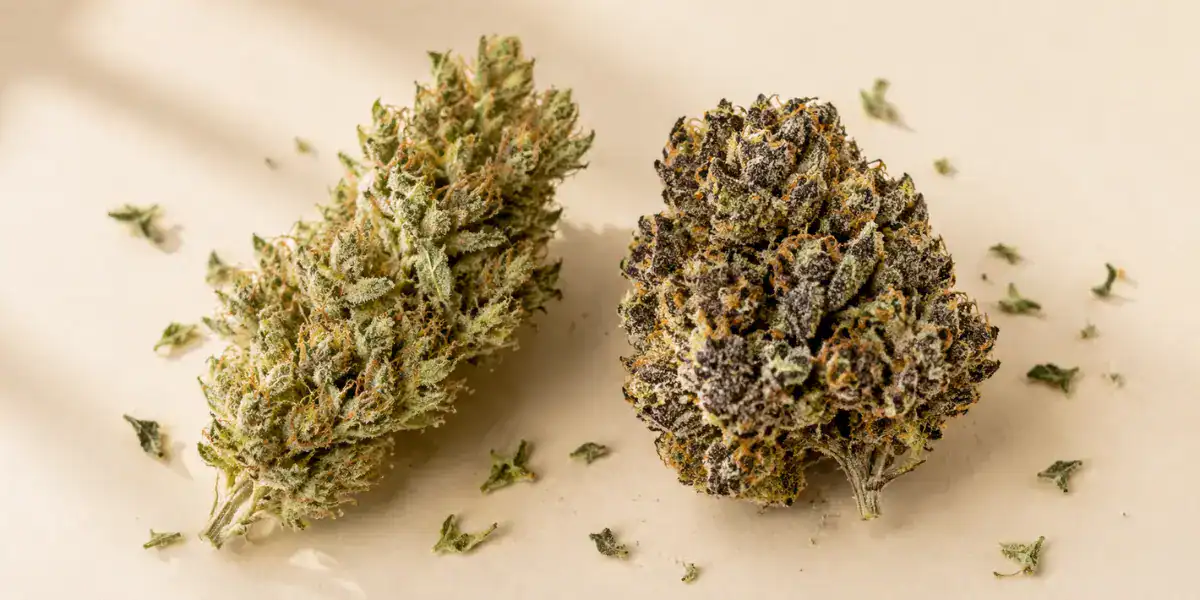
The traditional classification system (indica for relaxing and body-heavy, sativa for energizing and cerebral, hybrid for somewhere in between) is a useful starting point even if it’s imprecise. The actual experience is driven by terpene profile more than the indica/sativa label. That said, the categories correlate with real patterns in the terpene data: myrcene-dominant strains tend to be classified indica and produce calming, sedating effects; limonene and terpinolene-dominant strains lean sativa and produce uplifting, clearer-headed experiences. Hybrids are the most variable category. Compare all nine of our THCa flower strains by effect.
TribeTokes THCa Flower Strains
| Strain | Type | Terpene character | Experience notes |
| Lemon Cherry Gelato | Hybrid | Citrus-forward, limonene-rich | Euphoric and balanced; popular for evening use without heavy sedation. “The LCG is my favorite flower product and I have tried many other options but none are as good,” wrote Keith F. |
| Blue Dream | Hybrid (sativa-leaning) | Berry, pinene, myrcene | Balanced body relaxation with clear-headed mental engagement. One of the most widely liked all-day strains. |
| Jealousy | Hybrid (indica-leaning) | Creamy, caryophyllene-forward | Rich, complex, and calming. A good evening strain for unwinding after a demanding day. |
| Durban Poison | Sativa | Terpinolene and ocimene-forward; sweet and piney | Energizing and focused. A classic sativa for daytime use; good for activities, creative work, or social settings. |
| Gary Payton | Hybrid | Gassy, fuel-forward, spicy | Potent and euphoric. Named after the Hall of Famer; performs accordingly. Not a beginner starting point. |
| Tropicana Cherry | Sativa-leaning hybrid | Citrus and cherry, limonene-forward | Bright and uplifting flavor profile with an energizing character. Good daytime option for people who enjoy fruity strains. |
If you’re not sure where to start, Blue Dream is the most forgiving choice. It’s balanced enough to be pleasant without overwhelming you, and widely liked regardless of indica or sativa preference. Durban Poison is the call for daytime use. Lemon Cherry Gelato is what people tend to come back to once they’ve tried a few options. “Love this flower, all that I expected and the quality is spot on,” wrote Skyla W.
Dosing Guide
Flower is the least precise format for dosing compared to gummies or tinctures; you’re measuring by inhalation rather than milligrams. That’s fine once you know how your body responds, but it means starting conservatively matters more here than with other formats. The onset is fast (1-5 minutes), which makes it easier to calibrate in real time than edibles.
| Experience level | Starting recommendation | Notes |
| New to cannabis | 1 small puff from a preroll or pipe; wait 10-15 minutes before taking more | THCa flower is potent. One puff is a real starting dose. The fast onset means you can assess and add more if needed. Don’t front-load. A calm, comfortable setting matters more than anywhere else. |
| Occasional cannabis user | 2-3 puffs; assess after 10 minutes | Tolerance varies. If you’ve had cannabis before but not recently, treat your first session like a new experience. THCa flower can be more potent than what some users have encountered at a dispensary depending on strain and THCa percentage. |
| Regular cannabis user | Session as normal; adjust based on strain potency and THCa % | Experienced users will find THCa flower interchangeable with dispensary flower. Pay attention to THCa percentage on the COA; strains above 25% are meaningfully stronger than those at 18-20%. |
| High tolerance | Session as normal; consider a tolerance break if effects diminish | CB1 receptor sensitivity downregulates with heavy daily use. A 1-2 week break resets sensitivity more than increasing dose. Hash-infused prerolls are a higher-intensity option when tolerance is a factor. |
For new users: if you take too much THCa flower in one go, it’s uncomfortable rather than dangerous. But that’s not the experience you’re after. The fast onset works in your favor; you’ll know within 10-15 minutes whether the first puff was enough. “They were the perfect size. I was a little intimidated at first because smoking effects me a little harder. But again, perfect. Especially after a long day of working outside,” wrote Thomas D., describing exactly the right approach for a newer user.
How to Use THCa Flower
Loose Flower
Loose flower can be smoked in a pipe, a bong, or rolled into a joint. A glass pipe or a small bong gives you the most control over session size; you pack exactly what you plan to use rather than committing to a full joint. Grind the flower before use if you have a grinder; it improves airflow and even burn. Pack the bowl moderately rather than tightly, which helps it burn evenly and keeps the draw from being too restricted.
Prerolls
Prerolls are the most accessible entry point for flower beginners. TribeTokes prerolls come ready to light: no equipment, no prep. For occasional use, you don’t have to smoke the whole preroll in one session. Snuff it after a few puffs, store it somewhere cool and dry, and pick it back up later. The hash-infused preroll is its own category: more concentrated, better suited to experienced users or those with established tolerance.
Storage
Store flower in an airtight glass jar away from direct light and heat. Moisture is the main enemy: too dry and the terpenes degrade and the smoke becomes harsh; too wet and mold becomes a concern. Humidity packs (62% RH) are the standard tool for keeping flower at the right moisture level. Properly stored flower stays in good condition for several months.
Devices
Dry herb vaporizers are a legitimate alternative for loose flower. They heat the flower to a temperature that activates the cannabinoids without combusting the plant material. The result is vapor, not smoke, which many users find significantly easier on the lungs. TribeTokes carries vapes for extracted THCa oil (carts and disposables), but dry herb vaporizers for loose flower are a separate product category available from electronics retailers.
Legal Status
THCa flower is within the federal hemp definition when the plant tests at or below 0.3% Delta-9 THC by dry weight at harvest. This is the current federal standard for hemp, and THCa flower that meets it can be legally produced, sold, and shipped across state lines. THCa itself is not Delta-9 THC, and in the unheated plant it’s not subject to the same federal scheduling.
State law varies. Some states treat THCa flower the same as dispensary cannabis regardless of Delta-9 THC content. The basis for those restrictions is the psychoactive potential when smoked. The regulatory picture continues to evolve. TribeTokes’ product pages reflect current shipping restrictions by state, and norml.org/laws maintains a regularly updated state-by-state guide.
Drug Testing: THCa Flower Will Produce a Positive Result
THCa flower, when smoked or vaped, produces the same urinary metabolites (THC-COOH) that standard drug screens detect. A positive test result is the predictable outcome of consuming THCa flower in any combusted or vaporized form. The fact that the product was hemp-derived, hemp-derived, or labeled as THCa rather than THC has no bearing on what the test detects; the test looks for the metabolite, not the source cannabinoid.
Detection windows follow the same patterns as traditional cannabis: occasional users typically clear metabolites within 3-7 days; regular users can test positive for 30 days or more because THC metabolites are fat-soluble and accumulate with consistent use. If you are subject to any drug testing, do not use THCa flower products.
What to Look for When Buying THCa Flower
Not all THCa flower is equal. The hemp flower market spans indoor, greenhouse, and outdoor grows, different curing methods, and a wildly different quality range. These are the factors that actually matter:
Indoor vs. outdoor vs. greenhouse. Indoor-grown flower typically produces the highest trichome density, most complex terpene profiles, and most consistent appearance. Greenhouse-grown can be excellent and often sits between indoor and outdoor on price. Outdoor-grown is typically the most affordable but varies more in quality. TribeTokes carries indoor-grown flower.
Cure quality. Proper curing (a slow drying process over several weeks) is what develops flavor, preserves terpenes, and determines how smoothly the flower smokes. Rushed curing produces harsh, grassy-tasting flower. You can often tell by smell and texture: good flower is dense, slightly sticky to the touch, and aromatic. Dry, crumbly, or odorless flower has been improperly dried or stored.
A third-party COA with a terpene panel. Potency (THCa percentage) matters, but the terpene panel is where you confirm what you’re actually getting. Any seller unable to produce a current, batch-specific COA from an ISO 17025-accredited lab shouldn’t have your business.
Delta-9 THC compliance documentation. Federal legality requires Delta-9 THC at or below 0.3% by dry weight at harvest. The COA’s potency panel confirms this. If it’s not documented, the legal status of the product cannot be confirmed.
How to Read a THCa Flower COA
A COA for THCa flower should include several panels. Here’s what each one tells you:
- Potency panel. Shows THCa percentage, Delta-9 THC percentage (must be at or below 0.3% for federal compliance), and any other cannabinoids present (CBG, CBD, CBN, etc.).
- Terpene panel. Lists the specific terpenes and their concentrations. This tells you more about the actual experience than the potency number. High myrcene = more relaxing and body-heavy. High limonene = more uplifting and citrusy.
- Pesticides panel. Confirms no agricultural pesticide residues above detection limits.
- Heavy metals panel. Cannabis is a bioaccumulator; it draws up whatever is in the soil, including heavy metals. This panel is non-negotiable.
- Microbials panel. Tests for mold, yeast, and bacterial contamination; especially relevant for flower since you’re inhaling it directly.
Three checks before trusting any COA: the lab must be ISO 17025-accredited; the batch number on the COA must match the batch on the product; and the test must be recent (within the last year for a product that was recently harvested). All TribeTokes COAs are available by product and batch at tribetokes.com/certificates-of-analysis.
Why TribeTokes THCa Flower
“This is the best flower I’ve had in a long time. I hope it stays here as a permanent order for me!” wrote Jonathan P. That kind of confidence comes from something specific: TribeTokes sources indoor-grown THCa flower from licensed cultivators and tests every batch (potency, terpenes, pesticides, heavy metals, microbials) at an ISO 17025-accredited lab before anything ships. No exceptions.
The lineup covers indica, sativa, and hybrid across multiple strain profiles, with loose flower and prerolls available for each. The You Pick 2 and You Pick 3 bundles let you mix strains. That’s the best way to find your preferred profile without committing a full bag to one option. Woman-owned since 2017. Standards the market doesn’t always hold itself to.
Frequently Asked Questions About THCa Flower
THCa flower is hemp flower cultivated with high concentrations of tetrahydrocannabinolic acid (THCa), the natural, unheated form of the cannabinoid found in the cannabis plant. In the raw plant, THCa is non-psychoactive. When heat is applied through smoking or vaping, a chemical reaction converts THCa into its active form. The effects are comparable to traditional cannabis. THCa flower is within the federal hemp definition when the plant contains at or below 0.3% Delta-9 THC by dry weight: the same plant, measured at a different legal threshold.
At the plant level, yes. THCa flower uses the same genetics, the same cultivation methods, and the same curing processes as dispensary cannabis. The difference is legal classification: a hemp plant that tests at or below 0.3% Delta-9 THC at harvest is hemp under federal hemp law, while a plant testing above that threshold is federally controlled cannabis. The THCa content, which becomes active when smoked or vaped, can be equally high in both. The experience when consumed is functionally identical between a quality THCa hemp flower and dispensary flower of the same strain.
Yes, when smoked or vaped. Heat triggers a chemical reaction that activates THCa. The psychoactive effects follow. The intensity depends on the strain, the THCa percentage, your tolerance, and how much you consume. In raw, unheated form (such as eating the fresh flower), THCa does not produce psychoactive effects. If you’re new to cannabis or returning after a long break, start with one small inhalation and wait 10-15 minutes before taking more; the fast onset makes it easy to calibrate in real time.
Yes. When smoked or vaped, THCa flower produces the same urinary metabolites (THC-COOH) that standard drug screens detect. A positive test result is the predictable and consistent outcome of consuming THCa flower in any combusted or vaporized form. The product’s legal status as hemp, or its labeling as THCa rather than THC, has no bearing on what the test detects. Detection windows parallel those of traditional cannabis: 3-7 days for occasional users, up to 30 days or more for regular users. If you are subject to any drug testing for any reason, do not consume THCa flower.
hemp-derived, yes, under federal hemp law, when Delta-9 THC content is at or below 0.3% by dry weight. State law varies significantly. Some states treat THCa flower the same as controlled cannabis regardless of Delta-9 THC percentage. The stated basis is its psychoactive potential when smoked. State regulations in this category continue to change. TribeTokes’ product pages reflect current shipping restrictions by state, and norml.org/laws maintains a regularly updated state-by-state guide.
The primary difference is psychoactivity. CBD flower contains high concentrations of cannabidiol and minimal THCa, meaning it does not produce intoxicating effects when smoked or vaped; CBD is non-psychoactive regardless of consumption method. THCa flower contains high THCa, which becomes psychoactive when heat is applied. The two are cultivated from hemp and can look similar but produce fundamentally different experiences. CBD flower suits users who want the ritual of smoking without psychoactive effects. THCa flower suits users who want the full cannabis experience within the hemp legal framework.
For new or infrequent cannabis users, one small inhalation from a pipe or preroll is a real starting dose. Wait 10-15 minutes and assess before taking more. The fast onset (1-5 minutes) works in your favor; you’ll know quickly whether you need more. For occasional users, 2-3 puffs is a reasonable starting point per session. Regular cannabis users can approach THCa flower the same way they would dispensary flower, with awareness that THCa percentages vary significantly by strain; a 28% THCa strain will hit noticeably harder than an 18% one. There are no milligram equivalents for flower dosing; session size and personal response are your guides.
Loose flower gives you control over how much you use per session and requires a pipe, bong, or papers. It typically offers better value per gram and is the preferred format for people who smoke regularly. Prerolls are pre-packaged rolled joints: no equipment or prep needed, consistent size, ready to light. They’re the easiest entry point for flower beginners and a convenient option for occasional use. You don’t have to smoke a full preroll in one session; snuff it partway through and pick it back up later. TribeTokes carries both loose flower and prerolls, as well as a hash-infused preroll for experienced users looking for a more concentrated experience.
The traditional guideline: indica for relaxing and body-heavy effects, sativa for energizing and cerebral effects, hybrid for a balance of both. It’s a starting framework rather than a hard rule; the actual experience is driven by terpene profile as much as the classification. Myrcene-dominant strains tend to produce more sedating, body-heavy effects and often classify as indica. Limonene and terpinolene-dominant strains tend to be more uplifting and classify as sativa. For beginners, Blue Dream (hybrid, sativa-leaning) is the most forgiving choice. For daytime use, Durban Poison (sativa) is the go-to. For evening relaxation, Jealousy (indica-leaning hybrid) or Lemon Cherry Gelato are strong options.
In an airtight glass jar, stored away from direct light and heat; a cabinet or drawer works well. The main threats to flower quality are moisture, light, heat, and oxygen. Too dry and the terpenes degrade, making the smoke harsh and the aroma flat. Too wet and mold becomes a real risk. Humidity packs (62% relative humidity is the standard) placed inside the jar keep the flower at the ideal moisture level. Properly stored, THCa flower maintains its quality for several months. Avoid plastic bags; they create static that strips trichomes and don’t seal well enough to prevent moisture exchange.
Shop THCa Flower
Indoor-grown, fully tested, 4.86/5 from 78 reviews. Loose flower and prerolls available across indica, sativa, and hybrid strain profiles.
Sources
- Morales, P. et al. (2017). “Molecular targets of the phytocannabinoids: A complex picture.” Progress in the Chemistry of Organic Natural Products, 103, 103-131. PMC5549534.
- Nadal, X. et al. (2017). “Tetrahydrocannabinolic acid is a potent PPARγ agonist with neuroprotective activity.” British Journal of Pharmacology, 174(23), 4263-4276. PubMed: 28853159.
- U.S. Food and Drug Administration. “Hemp Production and the 2018 Farm Bill.” Congressional Testimony, July 25, 2019. FDA.gov.typical with sativa strains and terpene profiles rich in limonene or alpha-pinene.
- Pertwee, R.G. (2008). “The diverse CB1 and CB2 receptor pharmacology of three plant cannabinoids: Delta9-tetrahydrocannabinol, cannabidiol and delta9-tetrahydrocannabivarin.” British Journal of Pharmacology, 153(2), 199-215. PubMed: 17828291.