
CBG in Virginia
CBG ends up in morning routines for a negative reason more than a positive one: it is non-intoxicating, so nothing about it forces a person to schedule it for the evening. That is the honest basis of the daytime label. Readers in VA searching for cannabigerol are usually asking a timing question, and timing with any cannabinoid is mostly a question of format. This page covers how routines get built around CBG, what changes them, and which parts of the story have evidence behind them.
The CBG Lineup for Virginia
-
Sale!
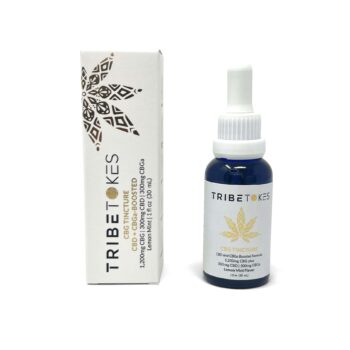
CBG Tincture 1,800mg | CBD + CBGa-Boosted | Keto Friendly
Starting from: $50.00 SHOP NOW This product has multiple variants. The options may be chosen on the product page
-
Sale!
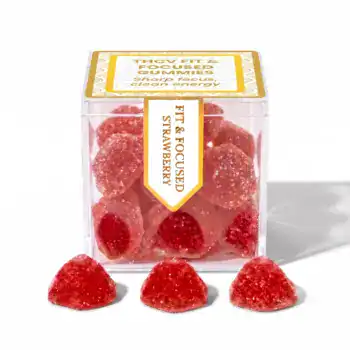
THCV Fit & Focused Gummies | THCV, CBG, CBD (Zero THC)
Starting from: $45.00 SHOP NOW This product has multiple variants. The options may be chosen on the product page
-
Sale!
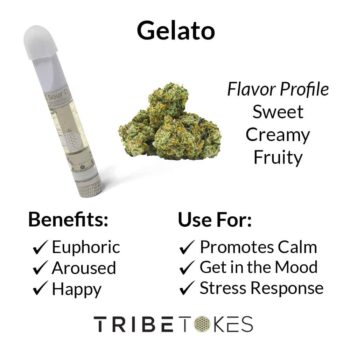
Gelato (Hybrid) | CBD Vape Carts | CBG-Boosted
Starting from: $60.00 SHOP NOW This product has multiple variants. The options may be chosen on the product page
What CBG Is and Where It Comes From
Cannabigerol is the compound hemp assembles first, in its acid form CBGA, before enzymes convert nearly all of it into the precursors of CBD, THC and CBC. What is left at harvest is a small fraction, which is why CBG is treated as a minor cannabinoid. The part that matters to a routine is simpler: it does not intoxicate, so it does not carry the scheduling constraint people apply to THC.
CBG for Focus and Calm
The clear-headed framing attached to CBG comes from what users report, not from an outcome measured in a trial. Worth holding onto, because a routine built on an expectation is fragile. What can be said with more confidence is where the molecule acts. Reviews place cannabigerol at CB1 and CB2 with modest affinity and at several non-cannabinoid targets including alpha-2 adrenoceptors, described in Pharmacological Aspects and Biological Effects of Cannabigerol and Its Synthetic Derivatives. That is a mechanism map, not a promise about your Tuesday.
CBG vs CBD
Both cannabinoids fit the daytime, and in practice most people meet them together rather than choosing. CBD is the abundant one with the larger research base; cannabigerol is the minor partner in most formulas. The routine difference is format rather than pharmacology: CBD is easy to find in every delivery method, while CBG usually arrives inside a blend, which fixes the timing to whatever the blend was designed for. How CBG is described by people who use it is worth reading alongside this.
- Gummies: pre-measured, an easy daytime habit.
- Tinctures: adjustable amounts, faster under the tongue.
- Vapes: inhaled, so onset is quick and the effect is short.
- Paired with CBD: the two together for steady balance.
How Much CBG to Take
For a daytime routine, when matters as much as how much. A swallowed serving has to clear the gut and the liver before anything reaches circulation, so it lands well after it was taken. Sublingual is quicker. Inhalation is quickest and also the shortest-lived. Pick the format that matches the part of the day you care about, then hold the serving steady rather than adjusting it and the timing together.
Timing Questions Are Really Route Questions
People ask when to take CBG when the answer they need is which format. Route determines almost the whole timeline: what fraction survives the first pass through the liver, how quickly the rest appears, and how long it stays.
Those numbers vary widely, and Pharmacokinetics of Non-Psychotropic Phytocannabinoids documents how much they move across routes and individuals for the non-intoxicating cannabinoids. A morning tincture and a morning gummy are not the same plan, even at an identical milligram figure.
What the Daytime Label Actually Describes
Daytime cannabinoid is a merchandising category, not a pharmacological class. It groups the compounds that do not intoxicate and are not sold for the evening, which is a description of the shelf rather than of a mechanism.
That is worth naming, because the category does real work. It tells you what a formula was designed around, which is useful. It does not tell you that anyone measured alertness after a dose and published the result.
The same applies to the day and night pairing people draw between CBG and CBN. It is a tidy story and it maps neatly onto how the two are sold, but the two compounds have different origins and different research records, and neither has been tested against the clock in a way that would justify the framing as anything more than a shelf arrangement.
Building a Routine You Can Read
A routine is a small experiment with one participant. Fix the format, fix the serving, fix the time of day, and change one thing at a time. Two weeks of the same conditions produces something you can actually interpret.
Write down what you notice, however briefly. Memory reconstructs, and with a subtle non-intoxicating compound the difference between a real pattern and an expectation is exactly the thing that gets lost. Taking CBG oil covers the mechanics of the sublingual version.
Days When It Will Not Read the Same
Absorption is not stable. A short night, a skipped meal, an unusual amount of exercise or a different meal composition will all move the result, and none of that is specific to cannabigerol.
The practical consequence is patience. A single day tells you about that day rather than about the compound, and a subtle ingredient needs a longer window than most people give it. The longer explainer on CBG, focus and energy goes further into what has and has not been examined.
Frequently Asked Questions
There is no evidence that cannabigerol sedates, and it is not formulated for the evening the way CBN is. Individual responses to any cannabinoid vary, so treat the first few days as information rather than a verdict. More on CBG and tiredness.
Cannabigerol is not what a screen looks for; THC metabolites are. Daily use of a full spectrum product is where the risk sits, because trace THC accumulates with repetition. A broad spectrum or isolate format removes that variable from a daily routine.
Yes, if the batch number changed. Cannabinoid content is measured per production run, so a new lot carries a new certificate. It takes a few seconds and it is the only way the figure on the panel is anything more than a claim.
Most routines land in the morning or early afternoon, which follows the daytime category the products are sold in rather than any measured duration. Pick a fixed point in your own day and keep it there long enough to notice a pattern.
Order rather than minutes is the reliable part: inhalation acts fastest and fades soonest, sublingual sits in the middle, and a swallowed serving is the slowest to arrive and the longest to persist. Published figures move a great deal between individuals, so treat any single number you read as an average that may not describe you.
It changes how much is absorbed. Cannabinoids are fat soluble, so a serving taken with a meal containing fat is handled differently from one taken on an empty stomach. Keeping meals consistent is part of keeping a routine readable.
No interaction between cannabigerol and caffeine has been mapped, so there is nothing specific to report. If you are trying to work out what CBG does in your own day, adding it to an already caffeinated morning makes the answer harder to see.
No. It is not classed as a stimulant and it does not work like one. The energy language around cannabigerol comes from user descriptions and product positioning, not from a measured effect on alertness.
Labels are written around a serving and a frequency, and that is the figure to follow. Splitting a daily amount across two points is a routine choice rather than a dosing recommendation, and there is no trial evidence favoring either pattern.
Sleep, meals, hydration and what else you have taken all shift the picture, and absorption itself varies from person to person and day to day. A routine that changes one variable at a time is the only way to see through that noise.
Keep reading: TribeTokes in Virginia, the Virginia CBD page, or CBN in Virginia for the evening side of the catalog.
These statements have not been evaluated by the FDA. TribeTokes products are not intended to diagnose, treat, cure, or prevent any disease. Not for use by anyone under 21, or by those who are pregnant or nursing. All products contain less than 0.3% hemp-derived Delta-9 THC in compliance with the 2018 Farm Bill.