
THCa Flower in Wisconsin
A THCa percentage is one measurement, taken from one small sample, of one part of what is in the jar. It reports the mass fraction of a single acid cannabinoid in a ground and homogenised portion of a batch. It says nothing about how the flower smells, which minor cannabinoids came with it, how carefully it was cured, how it burns, or how much of it you will actually get through. Wisconsin searches that reach this page are usually comparing numbers between jars, and the number is close to the least informative thing printed on a label.
The THCa Flower Lineup for Wisconsin
-
Sale!
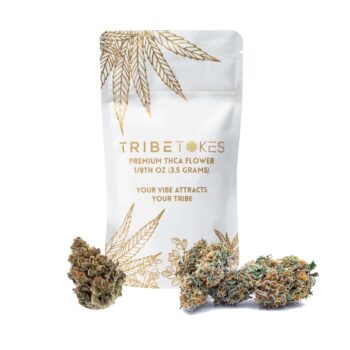
THCa Flower: 9 Strains | Eighth (3.5g) | 22 to 28% THCa
Starting from: $45.00 SHOP NOW This product has multiple variants. The options may be chosen on the product page
-
Sale!
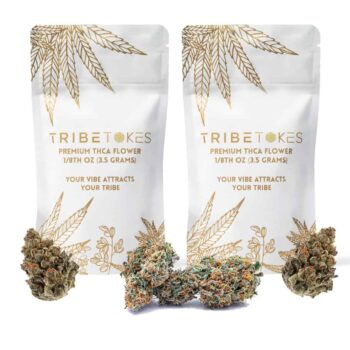
Save $10: THCa Flower You Pick 2 | Eighths (3.5g) | 22 to 28% THCa
Original price was: $90.00.$80.00Current price is: $80.00. SHOP NOW This product has multiple variants. The options may be chosen on the product page
-
Sale!
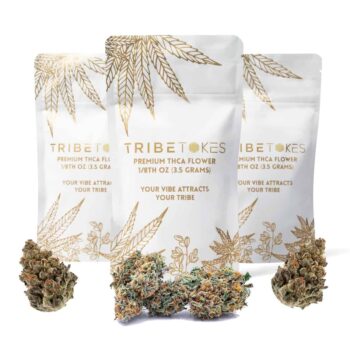
Save $20: THCa Flower You Pick 3 | Eighths (3.5g) | 22 to 28% THCa
Original price was: $135.00.$115.00Current price is: $115.00. SHOP NOW This product has multiple variants. The options may be chosen on the product page
THCa Flower Strain Profiles
Hybrid
Sativa
Indica
Hybrid
Hybrid
Sativa
THCa Flower in Wisconsin: What to Look For
Hemp law differs by state and changes often, so read the current Wisconsin position for yourself.
How We Cure and Pack THCa Flower
The document behind the number is the part worth reading. Every batch is hand-trimmed, cured in small lots and held until an independent lab has cleared it, and the full certificate is published with the product rather than boiled down to a headline figure. Potency sits on that page next to the pesticide and heavy metal screens, and those screens decide whether flower should be smoked at all. A high number on a batch that failed a contaminant screen would be worth nothing.
Pick Your Strain
Shopping by number funnels you toward the same three or four strains and away from the ones you would probably enjoy more. Each strain page lists aroma and dominant terpenes, and those vary between jars far more than the cannabinoid figure does. What counts as a high THCa percentage puts the usual range in context, and choosing a strain covers what to weigh instead.
Skip the Grinding: Shop Prerolls
-
Sale!

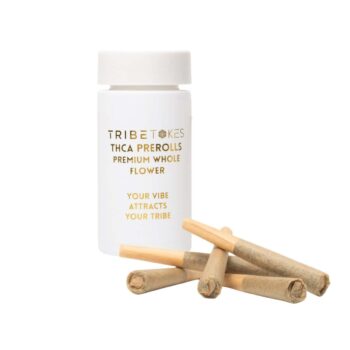
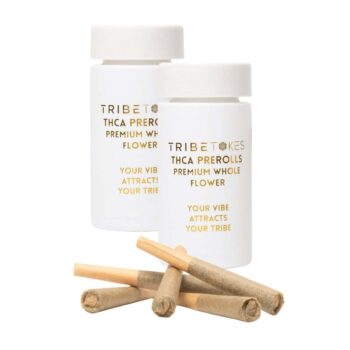
THCa Pre-Rolls : Whole Flower 5-Pack | Mini or Regular | 22 to 28% THCa
Starting from: $35.00 SHOP NOW This product has multiple variants. The options may be chosen on the product page
-
Sale!
Save $5-$10: THCa Pre-Rolls You Pick 2 | Whole Flower 5-Pack | 22 to 28% THCa
Starting from: $65.00 SHOP NOW This product has multiple variants. The options may be chosen on the product page
-
Sale!
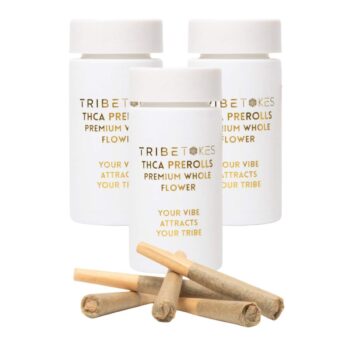
Save $10-$20: THCa Pre-Rolls You Pick 3 | Whole Flower 5-Pack | 22 to 28% THCa
Starting from: $95.00 SHOP NOW This product has multiple variants. The options may be chosen on the product page
Flower or Prerolls?
Format leaves the figure alone. The same flower reads the same whether it is jarred as an eighth or packed into a cone, because the lab tested the plant material and not the wrapper around it. Anyone comparing whole-flower eighths against prerolls is comparing convenience, not potency.
What the Number Actually Measures
Raw flower carries its cannabinoids mostly in acid form, and the acid form of THC is the compound reviewed in Can You Pass the Acid Test? Critical Review and Novel Therapeutic Perspectives of Δ9-Tetrahydrocannabinolic Acid A. A potency figure on a jar is a measurement of how much of that acid compound was present in the tested portion.
That is a narrow question with a precise answer, and it gets read as a broad question with a general answer. The figure is accurate for what it describes. The mistake is treating it as a summary of the flower rather than as one line on a longer document.
One Number, One Sub-Sample
Cannabinoid content is not uniform across a plant, a harvest or even a single bud. Upper flowers differ from lower ones and the outside of a bud differs from its core, so laboratories grind and mix a portion of the batch before measuring anything.
The consequence is straightforward. The figure describes an average, and the eighth in your hand is one draw from the distribution behind it. Two jars separated by a couple of points on paper are, in practice, indistinguishable. The highest-potency strain question runs into the same limit.
Total THC Answers a Different Question
Certificates usually carry both a THCa figure and a total THC figure, and people compare the wrong one across brands. The THCa line reports what the lab found. The total line estimates what the material would become once heat has converted the acid form.
Neither is wrong and they are not interchangeable. A brand quoting one while a competitor quotes the other produces a comparison that means nothing. THCa against THC and THCa against delta-9 both cover the distinction between the two compounds.
The Mixture Argument and Where It Stops
The counter-argument to single-figure shopping is that cannabis acts as a mixture rather than as one compound, an idea usually filed under the entourage effect. A review in Decoding the Postulated Entourage Effect of Medicinal Cannabis: What It Is and What It Isn’t separates what that idea claims from what has actually been shown.
The honest position sits between the two extremes. One number is a poor summary of a mixture, and the mixture argument has been stretched further than its evidence goes. Both of those can be true, and both point at the same practical advice: read the whole certificate, not the largest number on it. Whether THCa flower is real weed is the other question that usually arrives with this one.
Frequently Asked Questions
It is the proportion of the sample’s dry weight made up of THCa, measured by an independent lab on a ground portion of that batch. It is a single figure describing a single compound in a single sub-sample, which is exactly why it carries less information than most people assume.
No. The figure describes one compound, so past a certain range it stops being what separates two jars. The things that do change a session, aroma, cure quality and how the flower burns, are not captured by it at all.
Because the percentage describes one compound and the flower contains many. Terpene profile, minor cannabinoids, how well the batch was cured and how the material burns all vary independently of the headline number.
A calculated figure rather than a measured one. It combines the delta-9 already present in the sample with the portion of the THCa that heat would convert, so it estimates what the material becomes rather than what it currently is. The raw THCa figure and the total THC figure answer different questions.
Nothing at all. Aroma comes from the terpene fraction, which is reported separately when it is reported, and the two figures move independently. A lower-testing jar can be by far the more aromatic of two.
No. A lab tests a sub-sample drawn from a batch, ground and homogenised so the result is representative. Cannabinoid content varies between buds and even within one bud, so the figure describes the batch average rather than the specific nug in your hand.
Routinely. Growing conditions, harvest timing and cure all move the result, so the same genetics can test noticeably differently from one run to the next. That is why each batch carries its own certificate rather than inheriting the previous one.
Slowly, yes. Time, warmth and light all work on the acid form, so a jar left on a warm shelf for a long stretch drifts away from the figure the lab recorded. Cool, dark and sealed keeps it closer to the measurement.
The contaminant panels first. Pesticides, heavy metals and microbials decide whether the flower is fit to smoke, and they are the part of the document that a potency figure can never substitute for. The terpene panel comes next, because that is the section that predicts the experience.
By aroma and by strain profile, then by cure quality once you can recognise it. Read the terpene list, pick the description that sounds like something you want to smell for an hour, and treat the potency figure as a sanity check rather than a ranking.
Keep exploring: head back to all TribeTokes in Wisconsin, shop all THCa flower or THCa pre-rolls, learn what THCa is, browse best sellers, see every strain we carry, or view our lab results. Or THCa flower in Michigan. Or open the Georgia THCa flower page.
These statements have not been evaluated by the FDA. TribeTokes products are not intended to diagnose, treat, cure, or prevent any disease. Not for use by anyone under 21, or by those who are pregnant or nursing. All products contain less than 0.3% hemp-derived Delta-9 THC in compliance with the 2018 Farm Bill.