
THCa Flower in Texas
Indica, sativa and hybrid are the first words on almost every THCa flower jar and the least precise ones on it. They describe breeding history and plant shape far more than they describe what is in the jar. A strain labelled indica and one labelled sativa can carry overlapping cannabinoid content and wildly different aromatic profiles, and two hybrids sharing a label can sit at opposite ends of the same range. Texas searches that reach this page are usually trying to settle on a family. The more useful move is to treat the family as an opening filter and then read the strain profile underneath it, which is what the rest of this page works through.
The THCa Flower Lineup for Texas
-
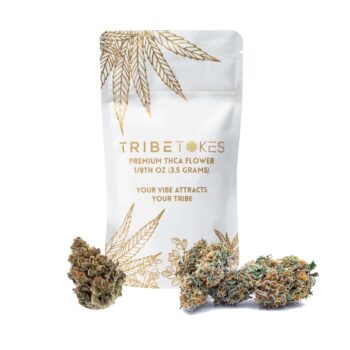
 THCa Flower: 12 Strains | Eighth (3.5g) | 22 to 28% THCaStarting from: $45.00 SHOP NOW This product has multiple variants. The options may be chosen on the product page
-
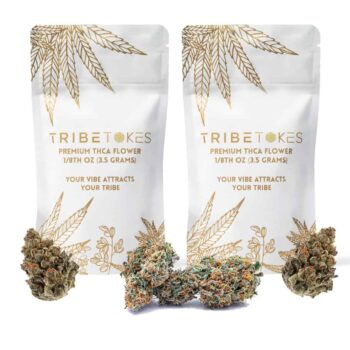
Save $10: THCa Flower You Pick 2 | Eighths (3.5g) | 22 to 28% THCaOriginal price was: $90.00.$80.00Current price is: $80.00. SHOP NOW This product has multiple variants. The options may be chosen on the product page
-
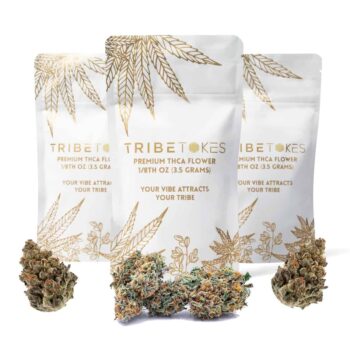
Save $20: THCa Flower You Pick 3 | Eighths (3.5g) | 22 to 28% THCaStarting from: $115.00 SHOP NOW This product has multiple variants. The options may be chosen on the product page
THCa Flower Strain Profiles
Hybrid
Sativa
Indica
Hybrid
Hybrid
Sativa
THCa Flower in Texas: What to Look For
Hemp law is written state by state, Texas included, and it moves quickly, so read the current Texas position for yourself.
How We Cure and Pack THCa Flower
Family labels survive because they are useful shorthand at the shelf, and they only stay useful when the flower behind them is consistent. Every strain here is hand-trimmed, cured in small lots, and held until an independent lab has read the batch, with the certificate published beside the product. That document is what turns a family label into something checkable. The same strain name should land near the same profile run after run, and where it does not, the paperwork says so before your nose does.
Pick Your Strain
Use the family as a filter, not a verdict. Indica THCa flower is the conventional evening pick, sativa strains the daytime one, and hybrids the middle ground. Each strain page then carries the detail that genuinely separates them: aroma, dominant terpenes, and how the bud is built. Two jars can share a family and share almost nothing else.
Skip the Grinding: Shop Prerolls
-
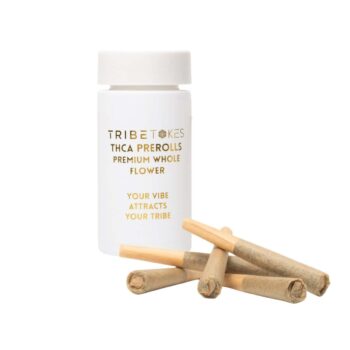
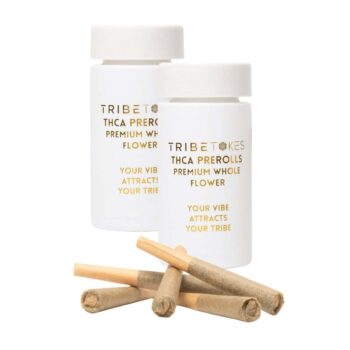
THCa Pre-Rolls : Whole Flower 5-Pack | Mini or Regular | 22 to 28% THCaStarting from: $35.00 SHOP NOW This product has multiple variants. The options may be chosen on the product page
-
Save $5-$10: THCa Pre-Rolls You Pick 2 | Whole Flower 5-Pack | 22 to 28% THCaStarting from: $65.00 SHOP NOW This product has multiple variants. The options may be chosen on the product page
-
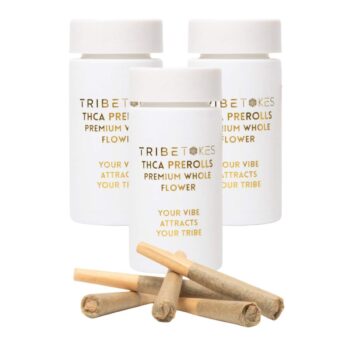
Save $10-$20: THCa Pre-Rolls You Pick 3 | Whole Flower 5-Pack | 22 to 28% THCaStarting from: $95.00 SHOP NOW This product has multiple variants. The options may be chosen on the product page
Flower or Prerolls?
Format is a separate axis from family. An eighth and a preroll of the same strain hold the same plant material, so choosing one over the other tells you nothing about lineage. If families rather than formats are the open question, choosing a THCa flower strain is the more useful next read, and the highest-potency question is worth reading alongside it, because potency and family vary independently of one another.
Where the Indica and Sativa Names Came From
Both names started as botanical descriptions of plant form. One described broad leaflets on a short, dense plant; the other described narrow leaflets on a taller, looser one. Neither was ever a statement about how the flower would feel, and neither was intended to sort a retail shelf.
Commercial breeding then spent decades crossing the two until the morphological distinction stopped mapping onto anything you could buy. The vocabulary outlived the botany. It still gets used because customers and budtenders both need a fast way to say evening or daytime, and no better shorthand replaced it.
What a Hybrid Label Actually Tells You
Hybrid is the honest category, and it is also the vaguest. It says a plant has mixed ancestry without saying which parts of that ancestry are expressed. A hybrid can lean heavily one way, sit in the middle, or vary between phenotypes grown from the same seed lot.
This is why the percentage splits printed on some menus deserve less trust than they get. They descend from breeder claims about lineage rather than from any analysis of the flower in front of you. The batch certificate and the terpene list are measured. The split is not.
Terpene Profile Is the More Specific Signal
Aromatic composition is measurable, and it varies within a single plant, never mind between farms. Researchers using headspace gas chromatography and mass spectrometry in Identification of Terpene Compositions in the Leaves and Inflorescences of Hybrid Cannabis Species Using Headspace-Gas Chromatography/Mass Spectrometry identified different terpene compositions in the leaves and the flowers of the same hybrid plants.
If composition shifts that much across parts of one plant, expecting a family label to predict it across two farms is asking too much of three words. Reading the dominant terpenes on a strain page gives you something specific to compare, which is why every jar here lists them.
The Entourage Argument and Its Limits
The idea that cannabinoids and terpenes act together rather than separately is usually called the entourage effect, and it is frequently cited to justify strain-family shopping. A review in Decoding the Postulated Entourage Effect of Medicinal Cannabis: What It Is and What It Isn’t sets out what the idea claims and where the evidence for it stops.
The practical takeaway is modest and useful. Composition matters more than category, the whole profile matters more than any single figure, and the terpene list on a strain page is a closer description of what you are choosing than the word printed above it. The full THCa flower menu is sorted by family first because that is how people shop, and whether THCa flower is real weed covers the question most first-time buyers ask before the family one. Other Texas guides worth a look: hemp products in Texas, CBD oil in Texas, THC gummies in Texas, Delta 8 THC in Texas, THCa vapes in Texas, CBN in Texas and CBG in Texas.
Frequently Asked Questions
It began as a description of plant form, broad leaflets and a shorter, bushier habit, and it has drifted into shorthand for an evening strain. The label describes lineage and reputation. It is not a measurement of anything in the jar.
The same kind of shorthand pointing the other way: narrower leaflets, taller growth, and a reputation for daytime use. Two jars labelled sativa can smell nothing alike, because the label says where a plant came from rather than what it turned into.
A cross between lineages, which describes most of what is sold. Long-running interbreeding left mixed ancestry behind almost everywhere, so hybrid works less as a third category than as an admission that the first two stopped being clean a long time ago.
No. That association is a marketing convention rather than a chemical rule, and it breaks often enough that experienced smokers stop relying on it. Aroma and terpene profile track the experience far more closely than the family name does.
Originally the plant. The shift to describing effect happened at retail, not in botany, and nothing was measured along the way. That is the gap worth knowing about when a jar promises a category rather than a profile.
Because a strain name does not fix a chemical outcome. Growing conditions, harvest timing and the cure all move the aromatic profile, so the same genetics can land in a noticeably different place from one run to the next. The certificate for each batch is where that variation becomes visible.
It claims a lineage is weighted toward one side of the cross, often expressed as a rough percentage. Those percentages are inherited from breeder records rather than measured in a lab, so treat them as provenance rather than data.
By profile, once you know what you like. The family narrows a menu of twelve strains down to three or four, and the terpene list is what separates those last few. Aroma is the most reliable predictor most people have access to.
No. There is no registry that binds a name to a genetic line, so the same name can come from different cuts at different growers. Reading the batch certificate is the only way to compare two jars carrying one name.
Three: indica, sativa and hybrid, across a core menu of twelve strains sold as whole-flower eighths. Each strain page carries the aroma, the lean and the dominant terpenes underneath the family heading.
Keep exploring: head back to all TribeTokes in Texas, try hemp Delta 9 gummies in Texas, shop all THCa flower or THCa pre-rolls, learn what THCa is, browse best sellers, see every strain we carry, or view our lab results. Shopping for a neighboring state? See THCa flower in Mississippi, TribeTokes in New Mexico and THCa flower in Oklahoma.
These statements have not been evaluated by the FDA. TribeTokes products are not intended to diagnose, treat, cure, or prevent any disease. Not for use by anyone under 21, or by those who are pregnant or nursing. All products contain less than 0.3% hemp-derived Delta-9 THC by dry weight.