
THCa Vapes in Maryland
TribeTokes fills its THCa vape hardware with strain-specific oil in small runs, disposables and 510 carts alike, each one checked by an independent lab with a public Certificate of Analysis. Hemp laws differ from state to state and change often, so check the current rules where you live. What we can vouch for is clean-tested oil with its figures on record, plus a non-intoxicating lineup, CBD, CBN, and CBG.
Shop THCa Vapes for Maryland
-
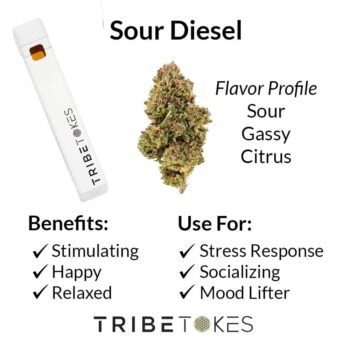
 Sour Diesel (Sativa) Live Resin THCa Disposable Vape PenStarting from: $60.00 SHOP NOW This product has multiple variants. The options may be chosen on the product page
-
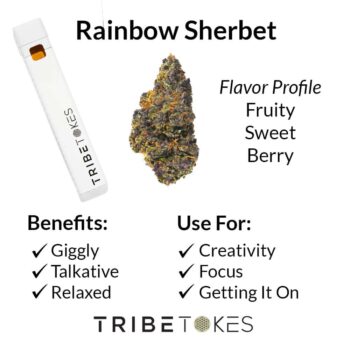
Rainbow Sherbet (Hybrid) Live Resin THCa Disposable Vape PenStarting from: $60.00 SHOP NOW This product has multiple variants. The options may be chosen on the product page
THCa Vape Strain Profiles
Hybrid
Sativa
Indica
Hybrid
Hybrid
Sativa
THCa and Delta 9 THC: What Heat Changes
THCa is tetrahydrocannabinolic acid, the acid precursor the cannabis plant actually makes. Raw plant material carries it in bulk, and in that state it does not act like delta 9 THC. One carboxyl group is the whole difference. Add heat and that group leaves the THCa molecule as carbon dioxide, a reaction called decarboxylation, and what is left behind is delta 9 THC. The review Acidic Cannabinoid Decarboxylation, hosted by the National Library of Medicine, works through how that conversion runs across acidic cannabinoids.
That is the mechanism behind a THCa vape. The coil takes the oil past the decarboxylation point on the first puff, so the vapor carries delta 9 THC rather than the raw acid. Left cold, the same oil produces no psychoactive effects. The acid form has been studied on its own terms too. Can You Pass the Acid Test? is a critical review of delta 9 tetrahydrocannabinolic acid A and its therapeutic perspectives, handled as a compound separate from THC.
So the front of the box matters less than the batch report. What a THCa vape does comes down to what is in the oil, and that ends up on paper.
How We Fill and Test THCa Vapes
We start with strain-specific THCa oil and fill it into hardware built to run clean, disposables that work straight out of the box and 510 carts that thread onto a standard battery. No cutting agents we would not name, no mystery blends. Every batch is lab tested for potency and purity, and the Certificate of Analysis is public, so the numbers on the label are the numbers in the tank.
Testing goes past potency. Safety tests cover residual solvents left over from extraction, heavy metals, pesticides, and vitamin E acetate, and those results sit on the same Certificate of Analysis as the cannabinoid numbers. A brand that will not show you the panel is asking you to trust the label alone. Our breakdown of what lab testing on THCa vapes covers walks through each line of a report.
Live Resin or Distillate?
Two fills account for most THCa vape cartridges and disposables. THCa distillate is stripped down to the cannabinoid and rebuilt with terpenes, which makes it clear, consistent, and simple to produce at scale. Live resin starts from flash-frozen plant material, so it keeps a wider cannabinoid spectrum and the terpenes the plant held on the day it was cut.
The practical difference is flavor and draw. Live resin tastes closer to the flower it came from, with a more complex flavor and a heavier mouthfeel. Distillate is lighter and cleaner on the first puff. Neither format is automatically stronger; the potency figure on the batch report settles that. Our side-by-side on live resin THCa carts against distillate compares the lab numbers behind both.
Pick Your Strain
Our vape oil is sorted by strain the same way flower is: sativa-leaning options for daytime, indica-leaning for winding down, and hybrids in between. Each product page lists the dominant terpenes and the lab numbers so you can match the cartridge to the effect you are after.
The strain options above sort into three groups. Sativa-leaning options run brighter, indica-leaning options suit the end of the day, and hybrids land between them.
- Sativa-leaning: Tropicana Cherry and Durban Poison.
- Indica-leaning: Jealousy, for anyone who prefers heavy indicas.
- Hybrid: Blue Dream, Gary Payton, and Lemon Cherry Gelato.
Disposables: Nothing to Refill
If you would rather not fuss with batteries or loose carts, the disposables come charged and filled, ready to pull from the box and set aside when they are spent. Same strain-specific oil, same public lab report, none of the setup.
One sealed unit holds the battery, the tank, and the coil in the same compact body. Nothing to thread, nothing to prime, nothing to top up. When the tank is spent the whole device is finished, so how long a disposable lasts comes down to tank size and how hard you pull.
-
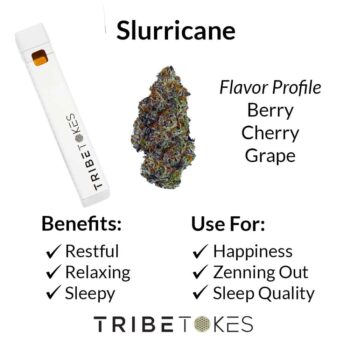
Slurricane (Indica) Live Resin THCa Disposable Vape PenStarting from: $60.00 SHOP NOW This product has multiple variants. The options may be chosen on the product page
-
THCa Vape BOGO | Live Resin – RuntzOriginal price was: $120.00.$60.00Current price is: $60.00. SHOP NOW

Disposable or Cartridge?
A disposable is the simplest way in: charged, filled, ready, and done when it is empty. A 510 cartridge costs less per use and lets you keep one battery, but you supply the battery and swap carts as you go. Neither changes what is inside; it is the same tested oil either way.
A 510 cart needs a separate battery, and that is where the control lives. Lower settings protect flavor and keep the coil from scorching the oil. Higher settings produce denser vapor and empty the tank faster. Our note on what voltage to use for THCa carts gives a starting point, and the longer comparison of THCa cartridges against disposable vapes covers the rest.
Storing a THCa Vape
Keep the device upright in a cool, dry place, out of direct sunlight and away from extreme heat. A closed car in July is the fastest way to thin the oil and flood the coil. Heat works on terpenes before it works on potency, so flavor is usually the first thing to fade. If a cart starts clogging, warm it briefly in your hand and take a slow, short draw instead of a hard one.
THCa Vapes and Drug Tests
Standard drug tests do not screen for THCa, and they do not screen for products. They screen for THC metabolites. Because THCa converts to delta 9 THC the moment heat reaches it, vaping THCa can produce a positive result the same way any THC product can. Detection windows shift with frequency of use, body composition, and the cutoff the lab applies. Our write-up on whether THCa shows up on a drug test covers the mechanism. Keep exploring Maryland with hemp products in Maryland, CBD oil in Maryland, THC gummies in Maryland, Delta 8 THC in Maryland, THCa flower in Maryland, CBN in Maryland and CBG in Maryland.
Frequently Asked Questions
Not until heat reaches it. THCa is the acid precursor and carries a carboxyl group that delta 9 THC does not. When you vape THCa the coil strips that group off, which is why the vapor behaves differently from the raw oil sitting in the tank.
Strain-specific THCa oil and nothing we would not put on the label, no unnamed cutting agents or filler. The exact contents and potency are on the public Certificate of Analysis for every batch.
We rotate a set of strain-specific options across disposables and 510 carts. Each product page shows the strain, the dominant terpenes, and the current lab numbers.
Every batch is tested by an independent lab for potency and purity, and the Certificate of Analysis is public. The numbers on the label match the numbers in the tank.
An independent lab checks each batch for cannabinoid potency and for contaminants. The full Certificate of Analysis is posted so you can read the results yourself.
That claim comes up a lot, and the chemistry behind it is plain enough: heated THCa becomes delta 9 THC, while delta 8 is a separate isomer with its own profile. Potency still moves batch to batch, so compare the lab figures rather than the categories.
A disposable arrives charged and filled, with the battery built in and no settings to adjust. A 510 cart threads onto a separate battery you already own and lets you change the setting. Same tested oil either way; the difference is hardware.
It can. Standard drug tests look for THC metabolites, and THCa converts to delta 9 THC once it is heated. Detection windows vary by how often someone uses, body composition, and the cutoff the lab applies, so treat a positive result as possible.
Upright, in a cool, dry place, out of direct sunlight and away from extreme heat. Warm oil thins and floods the coil, and heat costs you terpenes before it costs you potency. Upright storage keeps the wick fed and cuts down on clogging.
Live resin is extracted from flash-frozen plant material rather than dried and cured flower. Freezing holds on to more of the terpene profile, so live resin usually carries a more complex flavor and a fuller cannabinoid spectrum than distillate.
Keep exploring: head back to all TribeTokes in Maryland, shop all THCa vapes or the THCa carts collection, learn what THCa is, browse best sellers, or view our lab results. Shopping for a neighboring state? See TribeTokes in Washington, D.C. and THCa vapes for Georgia readers.
These statements have not been evaluated by the FDA. TribeTokes products are not intended to diagnose, treat, cure, or prevent any disease. Not for use by anyone under 21, or by those who are pregnant or nursing. All products contain less than 0.3% hemp-derived Delta-9 THC by dry weight.