
Delta-8 THC in Wisconsin
A delta-8 Certificate of Analysis is the only document that says what is actually in a gummy, a 510 cart or a disposable, and most of it becomes readable in about two minutes once you know the layout. A complete report names the sample and the batch, gives every cannabinoid it screened for its own line, then runs separate panels for residual solvents, pesticides and heavy metals. Wisconsin readers comparing delta-8 products get further comparing reports than comparing front panels. This page reads one from the top down.
The Delta-8 THC Lineup in Wisconsin
-
Sale!
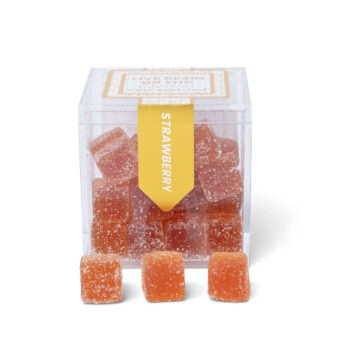
Delta 8 THC Live Resin Gummies | CBD-Boosted
Starting from: $45.00 SHOP NOW This product has multiple variants. The options may be chosen on the product page
-
Sale!

Delta 8 THC Gummies | CBD-Boosted
Starting from: $45.00 SHOP NOW This product has multiple variants. The options may be chosen on the product page
-
Sale!
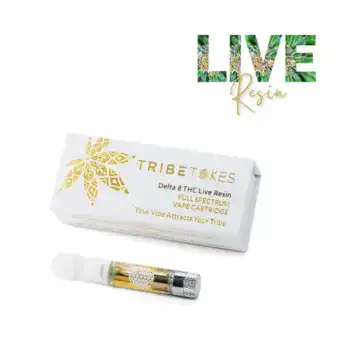
Delta 8 THC Live Resin Vape Cartridge (1g) | 9 Strains
Starting from: $60.00 SHOP NOW This product has multiple variants. The options may be chosen on the product page
-
Sale!

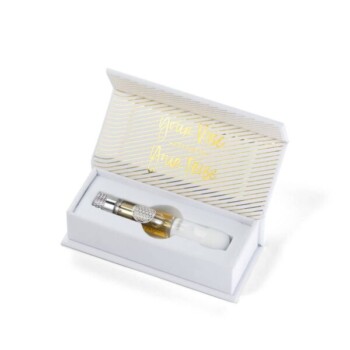
Delta 8 THC Vape Cartridge (1g) | 18 Strains
Starting from: $60.00 SHOP NOW This product has multiple variants. The options may be chosen on the product page
-
Sale!
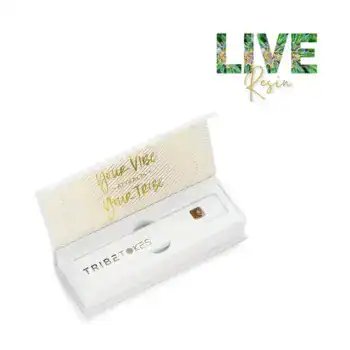
Delta 8 THC Live Resin Disposable Vape Pen (1g) | 9 Strains
Starting from: $60.00 SHOP NOW This product has multiple variants. The options may be chosen on the product page
-
Sale!
Save $10: You Pick 2 Gummies — Build Your Own Bundle
Original price was: $90.00.$80.00Current price is: $80.00. SHOP NOW This product has multiple variants. The options may be chosen on the product page
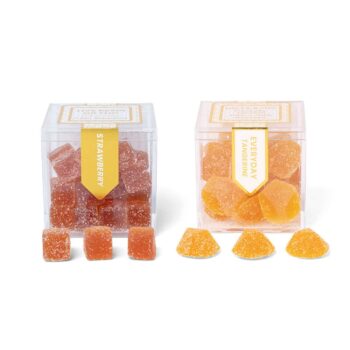
Delta-8 THC in Wisconsin: What to Look For
A report is only useful if it matches the thing in your hand. Every TribeTokes batch is tested by an independent laboratory and its Certificate of Analysis is published, so the batch code printed on the packaging is the key that ties a physical unit to one specific set of numbers. A report with no batch code, or a batch code that appears nowhere on the packaging, is a report you cannot attach to anything. That check comes before the cannabinoid table, not after it.
Delta-8 THC Basics for Wisconsin Readers
Because hemp rules are set state by state and rewritten often, the current Wisconsin rules are worth reading at source rather than second hand.
Delta-8 Formats
Format decides which parts of the report carry the weight. A gummy is eaten, so the cannabinoid table and the contaminant panels do most of the work. A 510 cart or a disposable is inhaled, which adds a residual solvent panel to the list, because anything left over from extraction and processing ends up in vapour rather than passing through the gut. Reading a vape COA without checking that panel skips the section the format exists for. Our answer on Are THCa Carts Safe? works through the same verification habit on a different cart type.
- Gummies: pre-dosed and easy to travel with.
- Carts: refillable 510, lower cost per gram.
- Disposables: all-in-one, nothing to charge.
What to Expect from Delta-8
Delta-8 THC is intoxicating, so the number on the report is the number you are dosing against. A report that lists delta-8 by percentage only, with no milligram conversion, leaves the arithmetic to you: percentage by weight times net weight gives grams, and grams times a thousand gives milligrams. Do that once for any product you use regularly. Knowing what a single gummy or a full cart actually holds is the difference between a considered serving and a guess dressed up as one. If a cart has been sitting a while, Does Delta-8 Expire? covers what age does to those figures.
The Header: Sample ID, Batch Code and Dates
The top block of a Certificate of Analysis is the part people scroll past, and it is the part that decides whether the rest is worth reading. It should name the client, the product, a sample identifier and a batch or lot code. It should carry a date the sample was received and a date the report was issued. If the batch code on the report appears nowhere on the package in your hand, the report describes a different production run, and nothing below the header applies to you.
The two dates do different jobs. The received date tells you when the material was sampled, which is your only real clue to how old the product is. The issue date tells you when the laboratory signed off on the numbers. A few days between them is routine. A report issued years before a product reached a shelf is a prompt to look for a newer one. A missing batch code, a missing date, or a report presented as a cropped image with no letterhead are all reasons to treat the figures as decoration.
The Cannabinoid Panel, Line by Line
The cannabinoid table is the centre of the report. Each compound the laboratory screened for gets its own row, usually reported as a percentage by weight and again in milligrams per gram or per unit. On a delta-8 product the delta-8 THC row is what the label is claiming, and it should be the dominant figure on the page. Delta-9 THC normally shows as a small number rather than a blank. Rows for CBD, CBG, CBN, CBC and delta-10 are common, and their pattern tells you something about the starting material and the process used.
Read the total row carefully, because reports differ in what they add together. Total THC is calculated rather than measured, and the formula behind it should be printed somewhere on the page. Some reports total every cannabinoid detected instead. A product advertising a milligram figure per gummy should let you reach roughly that figure from the table without contortions, and if the arithmetic on the report lands nowhere near the number on the package, that gap is the finding. Wisconsin readers comparing two carts should run this check on both before comparing anything else.
ND, LOD and LOQ: The Abbreviations That Trip People Up
Three abbreviations account for most of the confusion in a lab report. ND means not detected: the instrument looked and found nothing above its threshold. LOD is the limit of detection, the smallest amount the method can notice at all. LOQ is the limit of quantitation, the smallest amount it can measure and attach a number to. A result can sit above the LOD and below the LOQ, which is why certain rows read as a trace or a less-than symbol instead of a figure.
None of these mean zero in an absolute sense. They mean below what this method, on this instrument, was able to see. That is worth knowing, because two laboratories working with different thresholds can report the same material differently without either being wrong. Compare units and thresholds before you compare numbers. The same caution applies to shelf life questions, where a figure measured at packing is not a figure measured a year later; Does CBD or THC Oil Expire? covers that side of it.
Residual Solvents, Pesticides and Heavy Metals
Past the cannabinoid table sit the contaminant panels, and they are the reason a full report runs to several pages. Residual solvents cover what may remain from extraction and processing. Pesticides cover what may have been applied to the plant. Heavy metals cover what hemp can draw up from soil, since the plant takes in more from the ground than most crops. Each panel should list the analytes tested, an action limit for each, the result, and a pass or fail. A panel with no limits column is a list, not a screen.
Residual solvents deserve the extra attention on anything inhaled. The FDA’s consumer update 5 Things to Know about Delta-8 Tetrahydrocannabinol notes that delta-8 THC is not found in significant amounts in the cannabis plant and that concentrated amounts of delta-8 THC are typically manufactured from hemp-derived cannabidiol. A manufacturing step means inputs, and inputs are exactly what a solvent panel accounts for rather than assumes away. That is also why a cart report without one tells you less than it appears to.
Who Ran the Test, and Why the Lab Name Matters
A report is only as good as the laboratory behind it, so the footer is not a formality. Look for the laboratory’s name, its address and an accreditation reference. ISO/IEC 17025 is the accreditation standard for testing laboratories, and a lab holding it has been assessed against requirements for method validation, equipment calibration and staff competence. An accreditation number you can look up beats a logo you cannot. A signature from a named analyst or technical director is a further sign that a person stands behind the figures rather than a template.
Independence carries as much weight as accreditation. A result produced by a laboratory with no commercial stake in the product means more than an in-house number. The USDA Agricultural Marketing Service runs the federal hemp program and publishes its materials at Hemp Production, which is the place to go for program documents rather than a summary of them. On the product side, the useful habit is the same one that applies to any cart or pen you have not seen tested: check the report first, and treat Are THCa Carts Real? and Delta-8 vs CBD as the same exercise in a different aisle.
A Two-Minute Report Check
Reduced to a routine, the whole exercise takes about two minutes. Find the batch code on the package and find the same code on the report. Check the issue date is plausible for the product in front of you. Read the delta-8 row and confirm it is the dominant figure. Convert the percentage to milligrams if the report has not done it for you. Then scan the three contaminant panels for a limits column and a pass result on each, and check the solvent panel specifically if the product is inhaled.
Anything that fails one of those checks is not automatically a bad product, but it is a product you cannot verify, which is a different thing from a verified one. That distinction is the entire value of a published Certificate of Analysis, and it holds whether the product is a delta-8 cart, a gummy or something else entirely. It matters at the point of travel too, since documentation is the only thing that describes what you are carrying; Can You Fly With Delta-8? covers that side of it.
Frequently Asked Questions
A header naming the client, product, sample and batch code with dates; a cannabinoid table giving every compound screened its own row; and separate panels for residual solvents, pesticides and heavy metals, each with an action limit and a pass or fail result. The laboratory’s name and accreditation should appear on the page, along with a named signatory.
By the batch or lot code. It is printed on the packaging and repeated on the report, and it is the only link between a physical unit and a set of numbers. A report with no batch code, or one whose code appears nowhere on your packaging, cannot be tied to what you are holding, however impressive the numbers look.
Because anything left from extraction and processing ends up in vapour rather than passing through the digestive tract. Inhalation skips the filtering a swallowed product goes through, so the solvent panel is the section a vape report exists for. A cart COA without one is incomplete, whatever the cannabinoid table says.
Not detected. The instrument looked for that analyte and found nothing above its threshold. ND is not the same as absolute zero: it means below what this method, on this instrument, could see. A report that never states its thresholds is asking you to take its ND rows on trust.
LOD is the limit of detection, the smallest amount a method can notice at all. LOQ is the limit of quantitation, the smallest amount it can measure with a number attached. A result can sit above the LOD and below the LOQ, which is why some rows read as a trace or a less-than symbol rather than a figure.
A calculated figure rather than a measured one. Labs derive it from the individual THC rows using a stated formula, and reports differ in exactly what they fold into it. Read the formula printed on the page before comparing a total THC number against another product’s.
Recent enough that it plausibly describes the batch in front of you. The received date tells you when the material was sampled; the issue date tells you when the laboratory signed off. A gap of a few days between them is normal. A report years older than the product is a reason to look for a newer one.
ISO/IEC 17025 is the international standard for the competence of testing and calibration laboratories. A laboratory holding it has been assessed against requirements covering method validation, equipment calibration and staff competence. An accreditation number you can look up carries more weight than a logo you cannot.
A complete one does, as separate panels with their own action limits. Heavy metals matter for hemp in particular because the plant draws more from soil than most crops. A panel that lists analytes with no limits column is a list rather than a screen.
The FDA states that delta-8 THC is not found in significant amounts in the cannabis plant, and that concentrated amounts of delta-8 THC are typically manufactured from hemp-derived cannabidiol. That manufacturing step is precisely why the residual solvent panel on a delta-8 report deserves reading rather than skimming.
Not usually. Delta-9 THC generally appears as a small figure rather than as an empty cell, and a fully blank row is worth a second look at the method and thresholds used. Compare units before you compare numbers, since percentage by weight and milligrams per unit are not interchangeable. For where the neighbouring cannabinoids sit, see Delta-8 vs Delta-10.
Keep exploring: back to all TribeTokes in Wisconsin, shop our best sellers, or browse the national cannabinoid collections. Or our Illinois Delta-8 THC page.
These statements have not been evaluated by the FDA. TribeTokes products are not intended to diagnose, treat, cure, or prevent any disease. Not for use by anyone under 21, or by those who are pregnant or nursing. All products contain less than 0.3% hemp-derived Delta-9 THC in compliance with the 2018 Farm Bill.