
THC Gummies in Texas
A chew carrying both CBD and THC is not a stronger chew or a weaker one. It is a chew with two different compounds in it doing two different things. THC is the intoxicating one and the reason an edible produces an effect at all. CBD produces no intoxication on its own, whatever quantity it appears in. This page is written for readers in TX looking at THC gummies that also list CBD, and it covers what each compound does, why formulators put them together, and where the popular claims about the pairing outrun the evidence that supports them.
The TribeTokes THC Gummy Lineup
-
Sale!
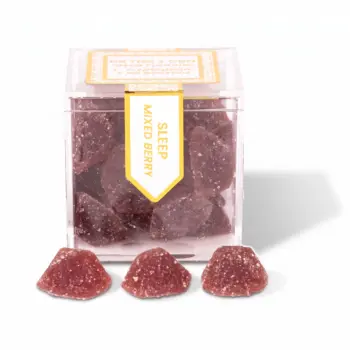
THC Gummies for Sleep: 10mg THC + 20mg CBN, Melatonin-Free
Starting from: $45.00 SHOP NOW This product has multiple variants. The options may be chosen on the product page
-
Sale!
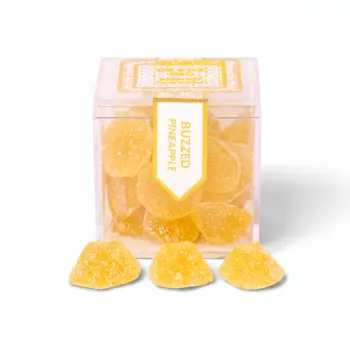
THC Buzzed Gummies | Extra Strength – Delta 8-Boosted
Starting from: $45.00 SHOP NOW This product has multiple variants. The options may be chosen on the product page
-
Sale!
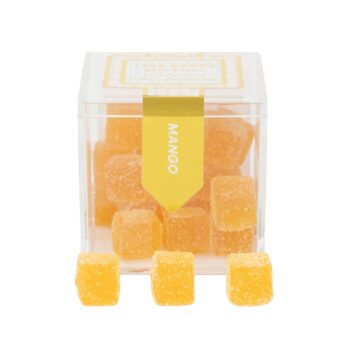
THC Live Resin Gummies | CBD-Boosted
Starting from: $45.00 SHOP NOW This product has multiple variants. The options may be chosen on the product page
-
Sale!

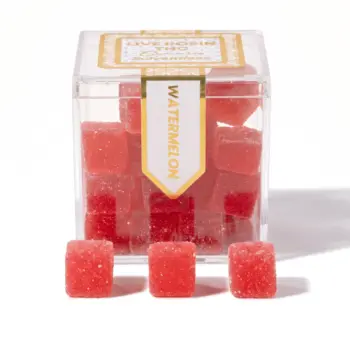
THC Live Rosin Gummies | Solventless Extraction
Starting from: $45.00 SHOP NOW This product has multiple variants. The options may be chosen on the product page
-
Sale!
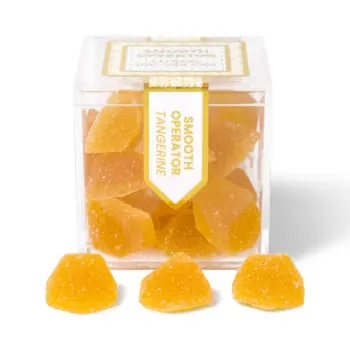
Smooth Operator 1:1:1 Ratio Gummies | THC + CBD + CBG
Starting from: $45.00 SHOP NOW This product has multiple variants. The options may be chosen on the product page
-
Sale!
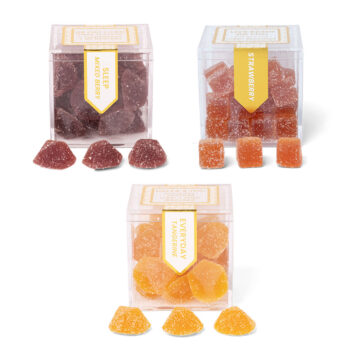
Save $20: You Pick 3 Gummies — Build Your Own Bundle
Original price was: $135.00.$115.00Current price is: $115.00. SHOP NOW This product has multiple variants. The options may be chosen on the product page
THC Gummies in Texas: What to Look For
The TribeTokes range includes the 1:1:1 Smooth Operator, which holds THC, CBD, and CBG together, alongside single-focus pieces: a CBN chew for the end of the day, live resin for flavor, and the extra-strength Buzzed. A blend and a THC-led piece are answering different questions, and neither is a beginner version of the other. Treating a blend as a training-wheels edition of a THC-led piece is the assumption that leads people to misjudge one.
How Our THC Gummies Are Made
A multi-cannabinoid chew makes batch testing more consequential rather than less, because there is more than one figure to get right and a reader has to be able to tell them apart. TribeTokes doses each run against an independent lab result, and the Certificate of Analysis published for a batch reports every cannabinoid measured in it rather than only the one printed on the front of the jar.
Pick the Right THC Gummy
Choosing between a blend and a THC-led piece is a question about character rather than potency. A blend is generally reached for when someone wants a steadier, less pointed experience across daytime hours. A THC-led piece is reached for when the THC is the point. The quantity of THC in each is the number that governs how intoxicating either one is, and it is printed on the panel next to everything else. A blend with a high THC line is a strong chew that happens to contain CBD, not a moderate chew by definition.
- Evening formulas: THC paired with CBN.
- Stronger: Buzzed for a higher tolerance.
- Balanced: Smooth Operator 1:1:1 for daytime.
- Live extracts: live resin and live rosin.
How Many Should You Take
Half a piece or one whole piece, then an hour or two of waiting, applies to blends exactly as it applies to anything else. The presence of CBD in a chew is not a safety margin and should not be treated as one. The THC figure is still the figure that matters for judging a first dose, and the onset window is unchanged by anything else on the panel.
Two Compounds, Two Different Jobs
THC and CBD are both cannabinoids and that is roughly where the similarity ends. THC binds to the CB1 receptor in the central nervous system, which is the interaction responsible for intoxication. The research topic page Cannabis (Marijuana) from the National Institute on Drug Abuse describes that mechanism and its effects. CBD does not act on that receptor in the same way and does not produce intoxication at any quantity someone would encounter in a chew.
That difference is why the two lines on a potency panel cannot be added together or traded off against each other. A chew listing both is not carrying one combined cannabinoid load. It is carrying an intoxicating compound and a non-intoxicating one, and only one of them is relevant to the question most people are actually asking when they look at the label. The other is relevant to a different question, which is what kind of product this is meant to be.
Why Blends Exist at All
The straightforward answer is demand. A large share of the people who reach for edibles are looking for something other than maximum intensity, and a blend gives a formulator a second dial to turn when designing for that. A piece meant to hold a level line through an afternoon is built differently from one meant to land heavily at the end of an evening, and the cannabinoid mix is part of how that intent gets expressed.
There is also a less flattering answer worth naming. A CBD line on a panel reads as reassuring whether or not it is doing anything measurable, and that reassurance has commercial value quite separate from its pharmacology. A reader is better served by treating the CBD figure as a description of the product’s design intent than as a guarantee about how the piece will land.
What the Research Actually Supports
The popular version of the claim is that CBD takes the edge off THC. There is experimental work behind that idea and it is not baseless, but the findings are inconsistent and appear to depend on the relative quantities, the route, and the individual. Some studies have found a moderating influence. Others have found little or none, and a few have pointed the other way. That spread is what an unsettled question looks like in the literature, and it is not resolved by repetition in product copy.
The study Cannabinoid Exposure and Subjective Effects of THC and CBD in Edible Cannabis Products examined cannabinoid exposure alongside the subjective effects people reported from edible cannabis products, which is exactly the pairing at issue here. What that body of work supports is a careful statement: the interaction is real enough to study and not established enough to rely on. Anyone using a CBD line as a safety buffer is depending on something the evidence has not delivered, and the cost of being wrong about it falls entirely on the person who assumed it.
Reading a Two-Cannabinoid Panel
On a blended chew the potency table lists each cannabinoid separately, with its own quantity. The practical rule is short: find the THC line and judge the dose from that alone. Everything else on the table describes the composition of the piece, and none of it changes what the THC will do once it has been swallowed and metabolised.
This matters most for people coming to blends from CBD-only products. A CBD chew is a non-intoxicating item. A blended chew is an intoxicating one that also contains CBD, and the family resemblance on the shelf hides a real difference in what the product is. Reading the panel line by line removes that ambiguity in a few seconds, and it is the single habit that prevents most of the confusion in this corner of the category.
Where CBG and CBN Fit Alongside Them
CBD is not the only non-intoxicating cannabinoid turning up in chews. CBG appears in balanced blends and CBN appears in pieces built for the end of the day. Neither one is a form of THC and neither one is a milder substitute for it. Each shows up as its own line on a potency report, measured independently of the others, and none of them adds to the intoxicating figure.
The useful mental model is that a blend has one compound governing intoxication and several others contributing to the identity of the product. TribeTokes covers each of them directly in CBN vs THC: How They Differ and Does CBD Have THC in It?, which is the question most people actually mean when they ask whether a CBD product will do anything noticeable.
What This Means for Readers in TX
For readers in Texas comparing THC gummies, the presence of CBD on a label changes the character of a product and not the arithmetic of a dose. The THC figure is still the figure. The waiting period is still the waiting period. A blend is a design choice about how a piece is meant to feel, and it is a legitimate one, but it is not a hedge against misjudging a dose, and it does not shorten the hour of waiting that every edible asks for.
Read that way, blends become easy to evaluate rather than confusing. Decide what the piece is for, read the THC line to judge the dose, and treat the rest of the panel as information about composition rather than about strength. That sequence works on any blended chew from any producer, which is what makes it worth learning once. Related reading covers Delta-9 vs THC: Are They the Same? and Can You Microdose THC? for the smaller end of the scale.
Frequently Asked Questions
CBD is a non-intoxicating cannabinoid, so its presence does not add to the high. It interacts with the endocannabinoid system differently from THC and does not bind to the CB1 receptor in the way THC does. In a blended chew it contributes to the overall character of the product rather than to its intoxicating strength, which is set by the THC figure.
No, and treating it as an antidote is a mistake. The idea that CBD takes the edge off THC is widely repeated and has some experimental support, but the findings are mixed and appear to depend heavily on the relative quantities involved. Nothing about a CBD line on a label reduces the THC figure printed next to it, and the THC figure is what should be used to judge a dose.
A cannabinoid potency panel reports each compound the lab measured, so a blended chew shows separate lines for THC, CBD, and any other cannabinoids present. Each run goes to an independent third-party lab and the Certificate of Analysis published for it belongs to that batch rather than to the product line.
The THC decides that. CBD is not intoxicating on its own at any quantity, so a chew containing both is intoxicating in proportion to its THC content. Reading the CBD line as if it dilutes the THC line is a misreading of the panel; the two are reported separately because they are doing separate things.
Partly because a great many people ask for it, and partly because a blend gives a formulator a second variable to shape the character of a product with. A piece intended for daytime use is designed around a different profile from one intended for the end of the evening, and the cannabinoid mix is one of the levers a formulator has for that.
Substantially. A CBD-only chew carries no meaningful intoxicating compound, which makes it a different category of product rather than a milder version of the same one. A chew carrying both is an intoxicating product, and its THC line should be read exactly as it would be on a THC-only piece.
The research on this is not settled. Some work suggests CBD influences the enzymes involved in processing THC, which would in principle alter exposure, and other work finds little practical difference at the quantities present in consumer products. It is an area where the confident claims in marketing copy run well ahead of what has actually been demonstrated in people.
CBG is another non-intoxicating cannabinoid, and blends containing it are usually built around a particular intended character rather than around added strength. Like CBD, it appears as its own line on a potency report. TribeTokes compares it directly with THC in CBG vs THC: Which Gets You High?
They do not, and the difference is not one of degree. THC produces intoxication; CBD does not. Someone expecting a CBD chew to behave like a smaller THC chew is expecting the wrong thing entirely, which is one of the more common sources of disappointment in the category and one of the easiest to avoid. The comparison is set out in CBD vs THC: How They Differ.
Full spectrum describes an extract that retains a range of cannabinoids and other plant compounds rather than being refined down to one. It is a statement about the input material rather than a potency claim, and on its own it tells a reader nothing about how much THC is in a piece. The potency table on the lab report answers that question.
Keep exploring: head back to all TribeTokes in Texas, shop our THC gummies or Delta-9 gummies, browse best sellers, explore our strain profiles, or view our lab results. Or THC gummies in Mississippi. Or TribeTokes in New Mexico. Or THC gummies in Oklahoma.
These statements have not been evaluated by the FDA. TribeTokes products are not intended to diagnose, treat, cure, or prevent any disease. Not for use by anyone under 21, or by those who are pregnant or nursing. All products contain less than 0.3% hemp-derived Delta-9 THC in compliance with the 2018 Farm Bill.