
THCa Flower in Minnesota
THCa flower is whole hemp flower whose leading cannabinoid is tetrahydrocannabinolic acid, the acid form THC takes while the plant is alive. TribeTokes finishes it by hand: trimmed bud, slow small-lot drying, then jarred once an independent lab has read the batch. Twelve strains, each packed as a full eighth, each tied to a Certificate of Analysis anyone can pull up. People searching THCa flower in Minnesota usually arrive with two questions, what the stuff actually is and how to tell a live jar from a tired one, and this page works through both. Hemp rules in Minnesota are set at the state level and get revised from time to time, so it is worth reading the current ones yourself.
Shop THCa Flower for Minnesota
-
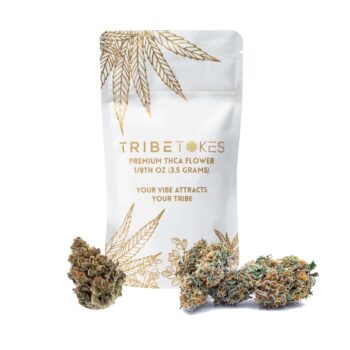
 THCa Flower: 12 Strains | Eighth (3.5g) | 22 to 28% THCaStarting from: $45.00 SHOP NOW This product has multiple variants. The options may be chosen on the product page
-
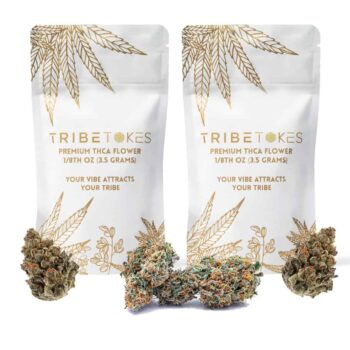
Save $10: THCa Flower You Pick 2 | Eighths (3.5g) | 22 to 28% THCaOriginal price was: $90.00.$80.00Current price is: $80.00. SHOP NOW This product has multiple variants. The options may be chosen on the product page
-
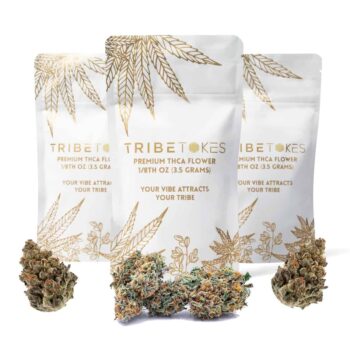
Save $20: THCa Flower You Pick 3 | Eighths (3.5g) | 22 to 28% THCaStarting from: $115.00 SHOP NOW This product has multiple variants. The options may be chosen on the product page
THCa Flower Strain Profiles
Hybrid
Sativa
Indica
Hybrid
Hybrid
Sativa
What THCa Flower Actually Is
A living cannabis plant makes very little Delta-9 THC. What it makes is THCa, an acid precursor with an extra carboxyl group attached, and that group is the reason raw flower does nothing much on its own. Heat removes it. Light a bowl or a cone and the conversion happens in the moment of combustion, which is why the same jar behaves one way smoked and another way eaten raw. The compound has been studied enough to carry a critical review of tetrahydrocannabinolic acid A in the peer-reviewed literature. The practical version: the THCa figure on the label, measured by dry weight, is the one that matters once heat is involved. That distinction is what most THCa flower Minnesota searches turn out to be about, and the THCa and THC comparison sets the two side by side.
How the Flower Is Trimmed, Dried, and Jarred
Hand trimming is slow, and it is why the bud arrives with its structure intact. Machine trimming knocks trichomes loose and rounds every nug into the same anonymous shape. Small lots come down slowly, which protects aroma that a fast dry-down drives straight off. Nothing is jarred until a sample has been to an independent third-party lab and come back clean on potency and on contaminants. What ends up in the jar is the exact run the lab measured, tied to a batch report that stays public, so the total THC figure on the sheet belongs to the flower in your hand rather than to a lot that resembled it.
Reading the Certificate of Analysis
A Certificate of Analysis is a lab document, not a marketing asset, and it reads in three passes. Start with the cannabinoid table, where THCa and Delta-9 THC sit on separate lines, potency is reported by dry weight, and a total THC figure accounts for what heat will convert. Move to the contaminant panels: pesticides, heavy metals, microbials, each carrying a pass or a fail rather than a comment. Finish at the header, which holds the batch identifier and the date the sample ran. A report with no batch number matching the jar in front of you is a report about somebody else’s flower. Our guide to reading lab results and terpene panels takes it line by line.
Indica, Sativa, and Hybrid Eighths
The indica and sativa split is rough shorthand, and terpene content explains more of the difference than the category does. The idea that cannabinoids and terpenes shape one another has a name, the entourage effect, and the literature still treats it as a proposal under test: one review is titled Decoding the Postulated Entourage Effect of Medicinal Cannabis. Read the strain pages the way you would read a wine note. Jealousy leans indica and sits heavy. Durban Poison and Tropicana Cherry lean sativa. Blue Dream, Gary Payton, and Lemon Cherry Gelato are hybrids that land in three different places despite sharing a label. Reading this from out of state? THCa flower in Colorado has a page of its own.
Skip the Grinding: Shop Prerolls
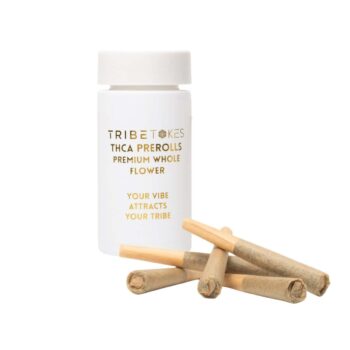
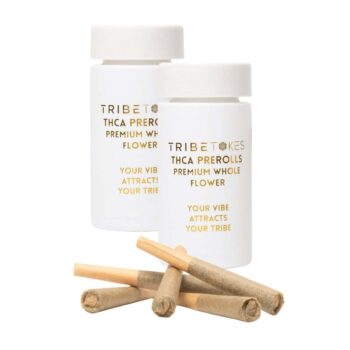
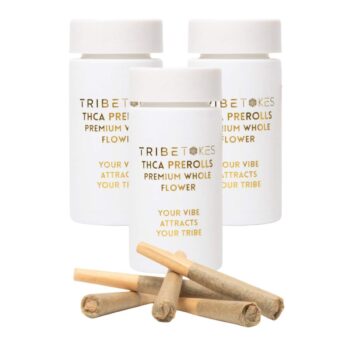
A pack holds five cones built from the same lots that fill the jars, which means the only thing changing hands is the grinding and the rolling. Density is set at the bench rather than at your kitchen table, so the burn is even from the first light. Everything else, strain, terpene panel, batch report, stays exactly where it was.
-
THCa Pre-Rolls : Whole Flower 5-Pack | Mini or Regular | 22 to 28% THCaStarting from: $35.00 SHOP NOW This product has multiple variants. The options may be chosen on the product page
-
Save $5-$10: THCa Pre-Rolls You Pick 2 | Whole Flower 5-Pack | 22 to 28% THCaStarting from: $65.00 SHOP NOW This product has multiple variants. The options may be chosen on the product page
-
Save $10-$20: THCa Pre-Rolls You Pick 3 | Whole Flower 5-Pack | 22 to 28% THCaStarting from: $95.00 SHOP NOW This product has multiple variants. The options may be chosen on the product page
Flower or Prerolls?
An eighth hands you the grind and the roll. A preroll pack hands you five cones already built. The flower is identical either way, drawn from the same lots and carrying the same lab reports, so the decision is about time and hands rather than quality. People who roll well tend to prefer the jar because they control density and burn. People who do not tend to prefer cones for exactly the same reason. Prerolls against loose flower compares the two on value as well as convenience.
What a Fresh Eighth Should Look and Smell Like
Open the jar and the aroma should reach you before the bud does. Fresh flower breaks apart under thumb pressure instead of crumbling to dust, and the small stems bend a little before they snap. Trichomes should still catch the light across the surface rather than having rubbed off onto the glass. Color tells you less than people assume. A jar that smells like hay instead of fruit, pepper, or citrus has been sitting somewhere warm too long, which in a Minnesota apartment usually means too close to a radiator. None of this replaces the lab sheet; it is simply the fastest read you can get in ten seconds without one.
Storing an Eighth Through a Minnesota Winter
Sealed glass, dark, and cool covers most of the job. Heat drives off the aromatics first, which is why a jar parked near a window loses its nose long before it loses potency, and dry air turns whole flower into shake. Minnesota makes the second problem worse: forced-air heat from November onward pulls moisture out of everything in a Minneapolis apartment, so a jar that was fine in September can go brittle by the new year. Anyone keeping flower through an MN winter runs into it. A humidity pack sized to the jar holds it steady. Our guide to storing THCa flower covers humidity, temperature, and shelf life. Other Minnesota guides worth a look: hemp products in Minnesota, CBD oil in Minnesota, THC gummies in Minnesota, CBN in Minnesota and CBG in Minnesota.
Frequently Asked Questions
Whole hemp flower whose leading cannabinoid is tetrahydrocannabinolic acid, the acid form of THC. In the jar it is not intoxicating. Heat converts it, which is why the same flower behaves one way smoked and another way raw.
Once heat is involved, yes. Combustion converts THCa into Delta-9 THC as you smoke, so the effect resembles conventional cannabis flower. Unheated flower straight from the jar does not work that way.
It is hemp flower. The difference is which cannabinoid leads: a CBD-forward jar reads high in CBD, while THCa flower reads high in THCa and stays under 0.3 percent Delta-9 THC by dry weight.
Cannabinoid potency line by line, including THCa, Delta-9 THC, and a total THC figure by dry weight, plus contaminant panels covering pesticides and heavy metals. It also carries the batch identifier and the date the sample was run.
Nine, split between indica-leaning, sativa-leaning, and hybrid jars, and every one of them is packed as a full eighth. Each strain page lists the aroma, the lean, and the terpenes behind both.
You can order TribeTokes THCa flower online: twelve strains in 3.5g eighths plus whole-flower prerolls, with standard shipping in 2 to 5 business days in plain, tracked packaging. You’ll need to be 21 or older, and every batch has a Certificate of Analysis posted online.
Minnesota handles this differently from most states. With adult-use cannabis legal since 2023, the state draws a line between hemp products and cannabis flower, and high-THCa flower falls under the Office of Cannabis Management’s cannabis rules. Federal hemp rules change again on December 11, 2026. This is a plain-English summary, not legal advice.
Assume it will. Standard screens look for THC metabolites, and smoking THCa flower produces Delta-9 THC, so it leaves the same trace conventional cannabis would. How long it lingers depends on how often you smoke.
Sprayed bud is low-grade flower coated in concentrate to lift its numbers on paper, and the tell is a harsh burn with a dark uneven ash. A batch report that matches the jar in front of you is the check against it.
Start with time of day, then read the terpene list. Indica-leaning jars suit the evening and sativa-leaning ones the daytime, while hybrids fall wherever the cross put them. Aroma predicts the experience better than the category name.
Keep exploring: head back to all TribeTokes in Minnesota, compare THCa vapes in Minnesota, shop all THCa flower or THCa pre-rolls, learn what THCa is, browse best sellers, see every strain we carry, or view our lab results. Nearby states: THCa flower in Michigan, THCa flower in Nebraska and THCa flower in North Dakota.
These statements have not been evaluated by the FDA. TribeTokes products are not intended to diagnose, treat, cure, or prevent any disease. Not for use by anyone under 21, or by those who are pregnant or nursing. All products contain less than 0.3% hemp-derived Delta-9 THC by dry weight.