
THCa Flower in New Hampshire: Strains, Eighths and Lab Reports
THCa flower is whole hemp bud, hand-trimmed and slow-cured with the buds left intact, and TribeTokes cures nine strains in small lots and offers them as full eighths, each one signed off by an independent lab with a public Certificate of Analysis. That is the plain answer for anyone in New Hampshire searching thca flower, at a kitchen table in Manchester or on a porch in Portsmouth. Granite Staters ask the same three questions we do: which strain, how fresh, and who tested it. The nine run across indica, sativa, and hybrid, every jar is 3.5 grams of whole flower, and the lab numbers sit on a public page rather than a marketing sheet.
Shop All THCa Flower
-
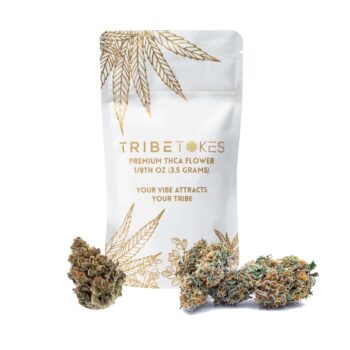
 THCa Flower: 12 Strains | Eighth (3.5g) | 22 to 28% THCaStarting from: $45.00 SHOP NOW This product has multiple variants. The options may be chosen on the product page
-
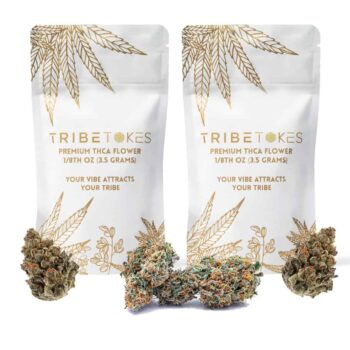
Save $10: THCa Flower You Pick 2 | Eighths (3.5g) | 22 to 28% THCaOriginal price was: $90.00.$80.00Current price is: $80.00. SHOP NOW This product has multiple variants. The options may be chosen on the product page
-
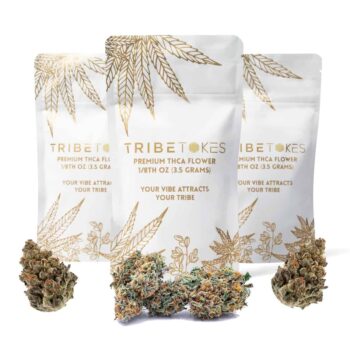
Save $20: THCa Flower You Pick 3 | Eighths (3.5g) | 22 to 28% THCaStarting from: $115.00 SHOP NOW This product has multiple variants. The options may be chosen on the product page
THCa Flower Strain Profiles: Indica, Sativa and Hybrid
Hybrid
Sativa
Indica
Hybrid
Hybrid
Sativa
How to Choose THCa Flower in New Hampshire
Choosing THCa flower in New Hampshire comes down to four checks: the strain lean, the trim, the cure, and the lab report behind the jar. Start with lean. Indica leans late, sativa leans early, hybrid sits between, and the strain page for each one spells out the aroma and the terpenes behind it. Then look at the bud itself: hand-trimmed flower keeps its shape and its trichomes, machine-trimmed flower rarely does. Cure matters next, because a rushed cure reads harsh and a slow one reads sweet. Finish with the paperwork. Every batch we cure is third party tested for potency and screened for pesticides and heavy metals, and the numbers are published rather than summarized. If a jar anywhere has no batch report you can open, that is your answer. Our published lab results are the same document our own team reads.
How We Cure and Pack THCa Flower
Each strain is trimmed by hand, cured in small lots, and held back until an independent lab clears it, then sealed in glass so the cure holds. What leaves the room is the exact run the lab read, tied to a public report, so potency and purity both stay on the record. The molecule itself is worth a minute. THCa is short for tetrahydrocannabinolic acid, and in raw form it carries a carboxyl group that THC does not. Heat drives that group off, so what a lab measures in a raw jar and what happens once flower is heated are two separate readings. Every report we publish lists THCa, delta-9 THC, and total THC by dry weight on the same page, which means nothing rests on a number printed in a product title. Read the batch, then decide.
Best THCa Flower Strains for New Hampshire
Indica tends to fit the evening, sativa the daytime, and hybrids land somewhere in the middle, which is most of what a New Hampshire winter asks of a strain shelf. Four of the nine do the heavy lifting. Blue Dream is the hybrid people name when they want daylight without the jitter, the pick for a Saturday on the Kancamagus. Durban Poison runs sativa and bright, better suited to a 6 a.m. plow morning than a late one. Jealousy is the indica end of the shelf, the jar that suits a dark February evening in Concord or Nashua when nobody is going anywhere. Lemon Cherry Gelato is the sweet one, dessert more than fuel. Tropicana Cherry brings the sativa side a citrus note, and Gary Payton is the hybrid for people who want weight without the couch. Each strain page lists lean, aroma, and terpene notes, so the pick follows the effect rather than the name. If those labels feel vague, our guide to what indica, sativa and hybrid actually mean is worth ten minutes.
Skip the Grinding: Shop Prerolls
-
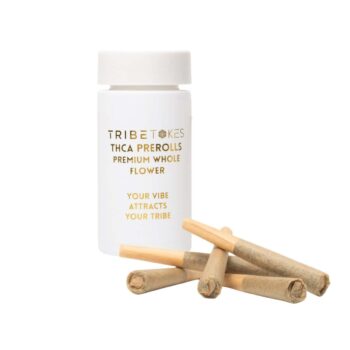
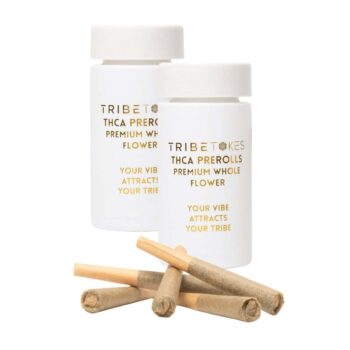
THCa Pre-Rolls : Whole Flower 5-Pack | Mini or Regular | 22 to 28% THCaStarting from: $35.00 SHOP NOW This product has multiple variants. The options may be chosen on the product page
-
Save $5-$10: THCa Pre-Rolls You Pick 2 | Whole Flower 5-Pack | 22 to 28% THCaStarting from: $65.00 SHOP NOW This product has multiple variants. The options may be chosen on the product page
-
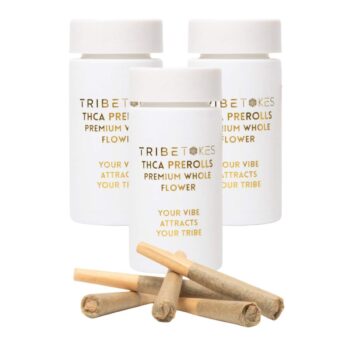
Save $10-$20: THCa Pre-Rolls You Pick 3 | Whole Flower 5-Pack | 22 to 28% THCaStarting from: $95.00 SHOP NOW This product has multiple variants. The options may be chosen on the product page
Eighths vs Prerolls: Which Suits New Hampshire?
An eighth leaves the grind and the roll to you; a preroll pack comes as five whole-flower cones already rolled. The tested bud is identical in both. Eighths win on control. You choose the grind, you decide how much goes in, and a jar outlasts a pack. Prerolls win on cold. New Hampshire spends a long stretch of the year below freezing, and rolling a joint in gloves on a January trailhead is a losing project. The mini cones suit a short walk, the regular cones suit a longer sit. Plenty of people keep both, a jar at home and a pack in the glovebox, which is the sensible answer to an NH February that will not quit. Storage is the same for both: airtight, dark, away from a radiator and away from a damp cellar, which is the harder half of that instruction in a Seacoast summer. Two weeks of humidity will flatten a good cure faster than two months of cold. Shoppers here also read our THC gummies in New Hampshire guide. More from our New Hampshire pages: hemp products in New Hampshire, CBD oil in New Hampshire and Delta 8 THC in New Hampshire.
Frequently Asked Questions
Start with lean, not with the name. Indica for evening, sativa for daytime, hybrid for the middle, then read the terpene notes on the strain page to narrow it down. After that, open the batch report and check the potency range against how much you actually smoke. Nine strains, one method.
Small-lot curing and a quick turnaround keep the flower from flattening. A fresh eighth reads sharp at the nose and snaps apart cleanly instead of crumbling to dust. Buds sit sealed in glass from the cure to the jar, so what you open is much nearer freshly cured than a jar left on a shelf for a season.
Nine at the core for now, running across indica, sativa, and hybrid, each offered as a whole-flower eighth. Aroma, lean, and terpenes get a breakdown on every strain page, so a choice can ride the experience over the name. Every one is a full 3.5 gram eighth, so the strain in the jar is the strain on the label.
We send every batch to an outside third-party lab that measures potency and screens for pesticides and heavy metals, then publish the full Certificate of Analysis. You can read precisely what the lab recorded, batch number and all, before you spend a cent. Total THC, THCa, and delta-9 THC by dry weight sit on the same sheet, so the numbers are comparable across strains.
Each batch stops at an independent lab before we pack it, where potency is measured and a full contaminant check covers pesticides and heavy metals. The published report squares with the label, so the THCa reading belongs to the lab rather than to a marketing team. Match the batch number on your jar to the report and you are reading about your own flower, not an average.
Go slow, and know what you are holding. THCa flower is whole hemp bud, not an extract, and small-lot cures vary batch to batch. Read the batch report, start with less than you think, and give it a full twenty minutes before you reach for more.
Find the batch number on your jar, then match it to the report. Check the date, the lab name, and the potency panel first. Then read the contaminant pages: pesticides, heavy metals, microbials, residual solvents. Anything blank or missing is a reason to ask questions.
Heat is the variable. In the jar THCa carries a carboxyl group; a flame or a vaporizer strips it, and the result behaves like any potent flower. Treat a first session as a test: one small bowl, then wait twenty minutes before deciding anything.
Keep exploring: back to all TribeTokes in New Hampshire, or browse the national cannabinoid collections. Elsewhere in NH: CBD in New Hampshire, New Hampshire THC gummies, and Delta-8 THC in New Hampshire. You can also step sideways into the THCa vape lineup. Close by, see THCa flower in Rhode Island.
These statements have not been evaluated by the FDA. TribeTokes products are not intended to diagnose, treat, cure, or prevent any disease. Not for use by anyone under 21, or by those who are pregnant or nursing. All products contain less than 0.3% hemp-derived Delta-9 THC by dry weight.