
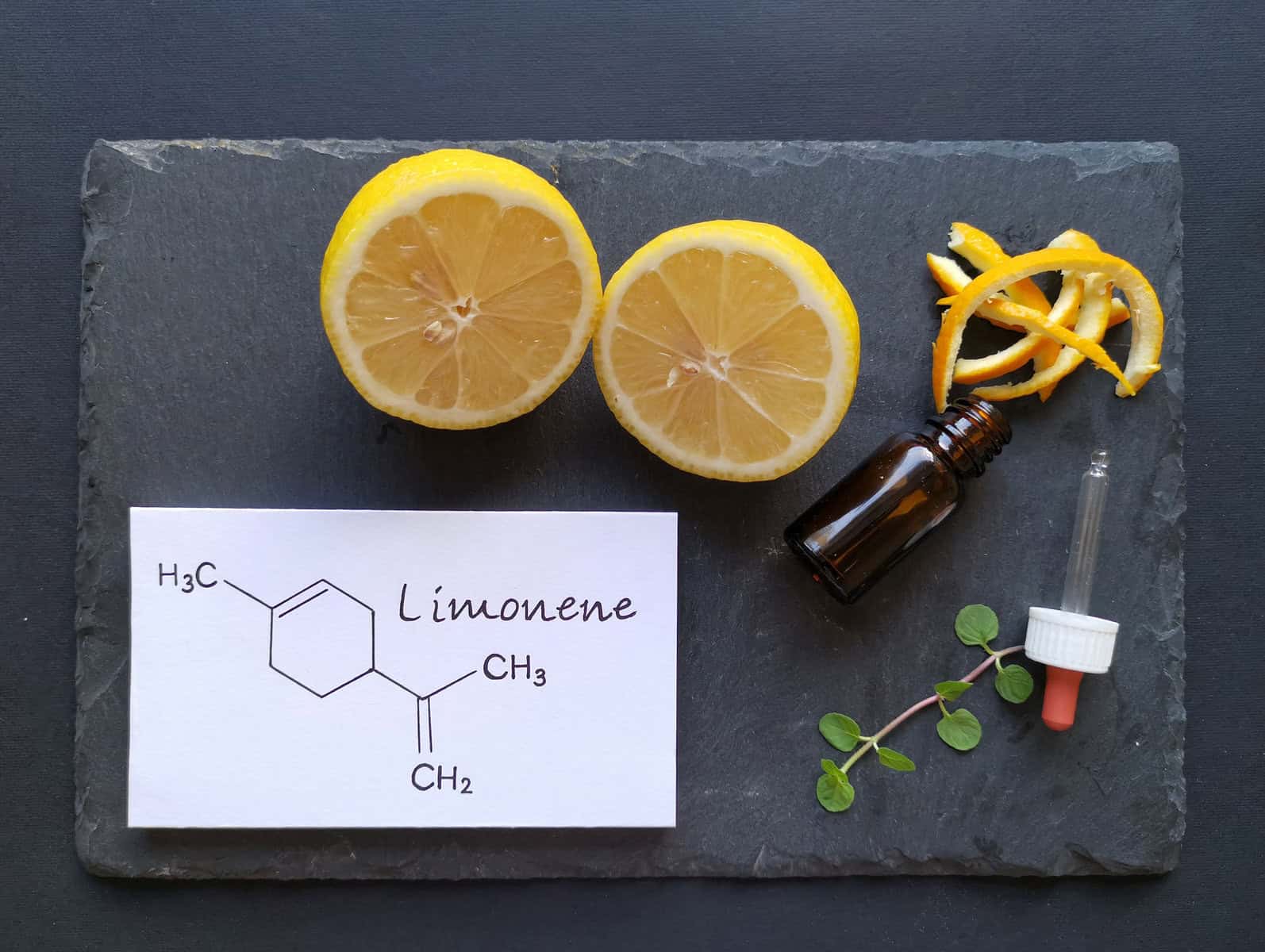
D-Limonene, or simply Limonene, is one of the most common terpenes in cannabis and one of the most common in nature (Sun, 2007). It’s what gives lemons, oranges, grapefruits and other fruits their strong citrus aroma.
People often describe limonene as uplifting. It shows up in indicas, sativas and hybrids, and it’s often linked with the bright, energetic feel of many sativas.
Here’s what limonene is, where it shows up in cannabis, and what the research does and doesn’t say about it.
BASED ON THIS ARTICLE, YOU MAY LIKE…
What is D-limonene?
Terpenes are fragrant oils found in many plants throughout nature, and in cannabis they are secreted by the frosty-looking trichomes alongside cannabinoids like THC and CBD. Terpenes not only determine the smell of a cannabis strain, they may also modify its effects either through aromatherapy, directly interacting with our endocannabinoid system, or both.
Limonene is grown on plants not only as a defense mechanism to protect from predators due to its strong scent, but also to protect against harmful microbes, due to its anti-bacterial properties.
Lab and animal studies have looked at limonene for anti-anxiety, antioxidant, anti-inflammatory and antibacterial activity, though human research is still limited. Its citrus flavor and uplifting reputation are a big part of why manufacturers of CBD oils use limonene-rich terpene profiles in their products.
D-Limonene in Cannabis
Another element that is present in some cannabis strains and contributes to the plant’s unique flavor and scent is d-limonene. Citrus-like aromas are typical in strains potent in D-limonene, and this specific terpene may also contribute to the strain’s therapeutic potential. It won’t get you high on its own, though. Here’s the full answer to do terpenes get you high.
The Role of D-Limonene in Cannabis Strains: A Citrus Twist to Your Experience
D-limonene is a terpene prevalent in nature, notably in cannabis. As a primary component of citrus fruit rinds, it gives certain strains of cannabis a distinctive, fruity aroma and flavor. In the following sections, we will discuss D-Limonene’s impact on the aroma, flavor, and potential effects of various cannabis strains.
Flavor and Scent: Adding a Citrus Burst
Some strains of cannabis have a distinct citrus aroma due to D-Limonene. This bright, zesty scent can range from sweet orange to tangy lemon or refreshing lime. The presence of D-Limonene in a cannabis strain enhances the overall aroma and adds a pleasant citrus taste when consumed.
Synergistic Effects: The Entourage Effect
The entourage effect is a phenomenon where various compounds found in cannabis like cannabinoids and terpenes, work synergistically to create a more profound impact than any single compound alone. For example, d-Limonene, combined with other terpenes and cannabinoids like THC and CBD, may shape how the overall experience feels.
Potential Therapeutic Effects
While more research is needed to understand the potential therapeutic effects of D-Limonene in cannabis fully, some studies suggest that this terpene may have potential benefits:
- Mood-enhancing effects: D-Limonene may help improve mood and reduce stress, potentially providing a more uplifting and energizing cannabis experience.
- Anti-inflammatory activity: Lab and animal studies have found anti-inflammatory properties in D-Limonene, though it hasn’t been shown to relieve pain in people.
- Antioxidant properties: As an antioxidant, D-Limonene may help protect cells from damage caused by free radicals, potentially contributing to overall health and wellness.
Anti-inflammatory Benefits
Limonene’s anti-inflammatory activity has been studied mostly in cells and animals, where it lowered pro-inflammatory cytokines in models such as colitis. Human research is still early, so treat it as a promising lead, not a treatment.
You’ll find limonene in many CBD oils and other full-spectrum products, but it isn’t a proven treatment for inflammation, so talk to your doctor about anything chronic.
Antioxidant Advantages
Antioxidants help decrease cell damage. In lab studies, limonene shows antioxidant activity, including protecting cells from oxidative stress caused by hydrogen peroxide. Whether that carries over to the amounts in a cannabis product hasn’t been studied.
Where Else Can I Use Limonene?
Aside from CBD oils, Limonene is a popular food additive. It increases a dish’s flavor and aroma. Brands also add this to their cleaning products, beauty products, and insect repellants for its pleasant smell and antibacterial / anti-fungal properties.
Manufacturers extract the Limonene terpene through the process of hydro-distillation. It can either be extracted from hemp or marijuana, or from other botanicals, and then reintroduced to pure CBD distillate along with other terpenes to recreate a flower strain.
Keep It Clean: Anti-fungal and Antibacterial

The term “lemon fresh” exists for a reason! Lab studies have found antibacterial and antifungal activity in limonene, which is one reason it shows up in cleaning products. As with many terpenes, plants make limonene partly to protect themselves from microbes. That’s a lab finding, not proof it protects people.
Supports A Good Mood
In a mouse study, inhaled lemon oil vapor (limonene is a major part of lemon oil) had anti-stress and antidepressant-like effects tied to serotonin and dopamine activity in the brain (Komiya et al., 2006). Interestingly, we don’t yet know whether these effects of limonene are from aromatherapy or from directly affecting brain cells, unlike some of the other terpenes that have well-defined brain targets, such as linalool and b-caryophyllene.
Any Precautions When Using Limonene?
Limonene is listed by the FDA as generally recognized as safe (GRAS) as a flavoring, and it’s in everyday foods like juice and baked goods (Sun, 2007). Undiluted limonene on your skin can cause irritation, though, so make sure it’s properly mixed within a product (basically, use caution if you’re handling it as a raw essential oil).
If you are a fan of CBD flower or vapes, consider trying the ones that have Limonene. Many people like how terpenes round out the flavor and feel of CBD.
Isolating and Extracting D-Limonene: Techniques for Harnessing Nature’s Citrus Essence
D-Limonene is a terpene that occurs naturally in many plants, notably citrus fruits and is prized for its energizing scent, delicious flavor, and theoretical medicinal benefits. However, specific extraction methods must be used to get pure D-Limonene from plants.
Steam Distillation: The Art of Separating Terpenes
D-Limonene and other essential oils and terpenes are often extracted from plants using steam distillation. The procedure entails the following steps:
- Distillation equipment is used to process the plant material, commonly the peels of citrus fruits.
- The essential oils are released from the plant cells when steam is created and circulated through the substance.
- The steam and essential oil vapor rise into a condensation chamber, cooled, and condensed into a liquid form.
- The essential oil, being less dense than water, floats on the surface, allowing for easy separation and collection.
Steam distillation effectively isolates D-Limonene and other essential oils from plant materials while preserving their aromatic and therapeutic properties.
Cold-Press Extraction: A Mechanical Approach
Cold-press extraction, also known as expression or expeller pressing, is a mechanical method used primarily for extracting D-Limonene from citrus fruit peels. The process involves the following steps:
- The citrus peels are first cleaned and prepared, often by grating or chopping, to increase the surface area exposed to the extraction process.
- The prepared peels are then placed in a mechanical press, which applies pressure to rupture the oil-containing cells.
- The released essential oils, small amounts of juice, and other plant materials are collected and separated using a centrifuge or filtration system.
Cold-press extraction is an efficient, simple method for obtaining D-Limonene from citrus peels, producing a high-quality, unadulterated end product.
Comparing Steam Distillation and Cold-Press Extraction
Both steam distillation and cold-press extraction have their advantages and drawbacks for isolating D-Limonene:
- Purity: Steam distillation is typically used to achieve higher purity in the final product. This is so that the essential oil can be appropriately separated from any water-soluble compounds in the plant material during steam distillation. The finished product may still contain some contaminants after the cold-press extraction procedure.
- Heat sensitivity: Essential oils and heat-sensitive terpenes may be degraded by the high temperatures employed in steam distillation. Chemicals susceptible to high temperatures should be extracted using a cold press because it doesn’t use heat.
- Versatility: Although steam distillation is flexible enough to extract essential oils from a variety of plant materials, cold-press extraction is primarily utilized for citrus fruit peels.
Combining D-Limonene with Other Terpenes: The Entourage Effect Unveiled
D-Limonene is a prevalent terpene found in various plants, including cannabis, and is well-known for its refreshing citrus aroma and potential therapeutic properties. The entourage effect is a phenomenon that describes the synergistic interactions between various compounds found in cannabis, such as cannabinoids and terpenes.
Below are the potential benefits of combining D-Limonene with other terpenes and cannabinoids:
The Entourage Effect: A Symphony of Compounds
The entourage effect suggests that the individual components of cannabis, including terpenes like D-Limonene and cannabinoids like THC and CBD, work together to create a more profound impact than any single compound alone. The idea is that this mix may create a more balanced experience, though human evidence is still limited (Russo, 2011).
D-Limonene and Myrcene: A Calming Collaboration
Myrcene is another abundant terpene found in cannabis, known for its earthy, musky aroma and potential sedative effects. People often describe strains that pair myrcene’s calm with limonene’s brighter character as relaxed without feeling heavy.
D-Limonene and Pinene: A Focus-Boosting Duo
The pine-scented terpene pinene may benefit cognition, including enhanced attention and memory. In addition, these two terpenes and D-Limonene’s mood-enhancing properties may create an energizing and exciting mental experience.
D-Limonene and Cannabinoids: A Well-Rounded Partnership
The interaction between D-Limonene and cannabinoids, such as THC and CBD, may also contribute to the entourage effect:
- THC and D-Limonene: The uplifting and energizing properties of D-Limonene may help counteract some of the potential sedative effects of THC, creating a more balanced and enjoyable experience.
- CBD and D-Limonene: Both compounds’ potential anti-inflammatory and antioxidant properties may synergistically enhance overall therapeutic benefits.
Customizing Your Cannabis Experience
Understanding the entourage effect and the potential synergistic interactions between D-Limonene and other terpenes or cannabinoids allows consumers to customize their cannabis experience more effectively. By selecting strains or products with specific terpene and cannabinoid profiles, users can tailor their experience to suit their preferences and desired outcomes.
Strains With D-Limonene
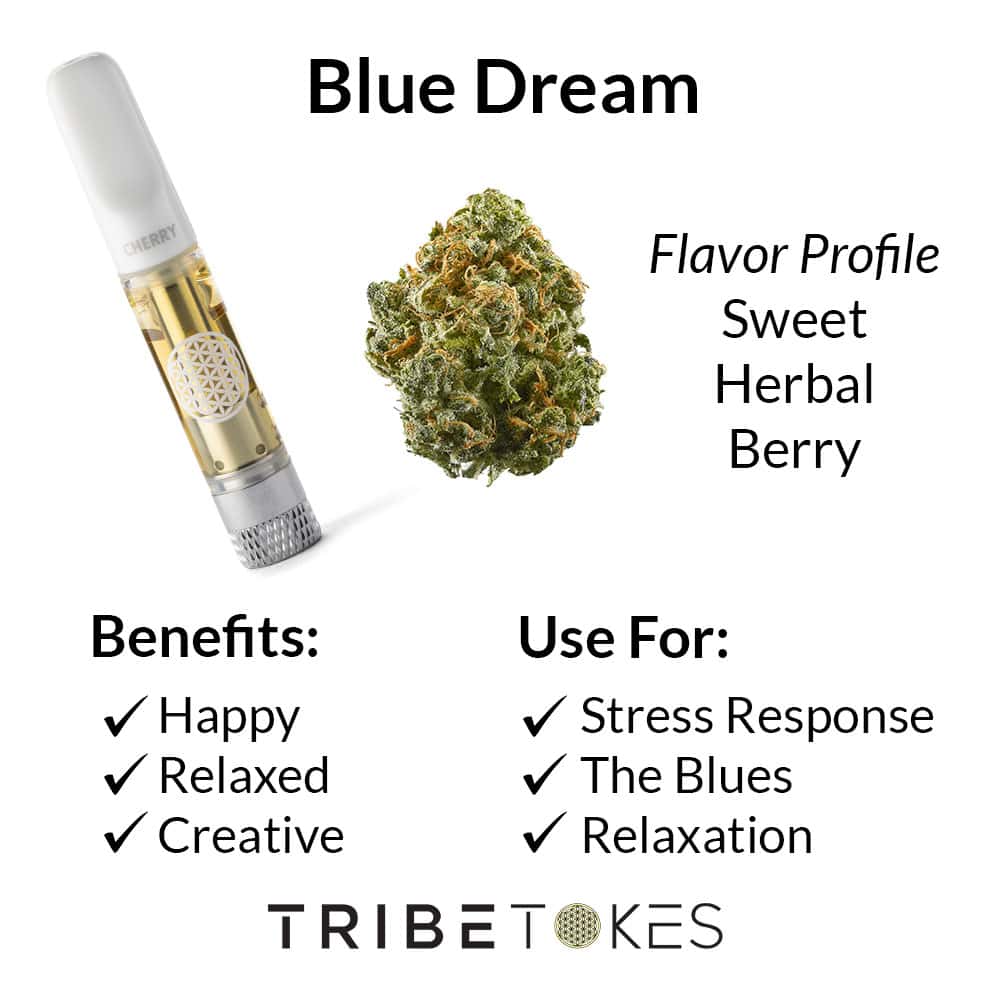
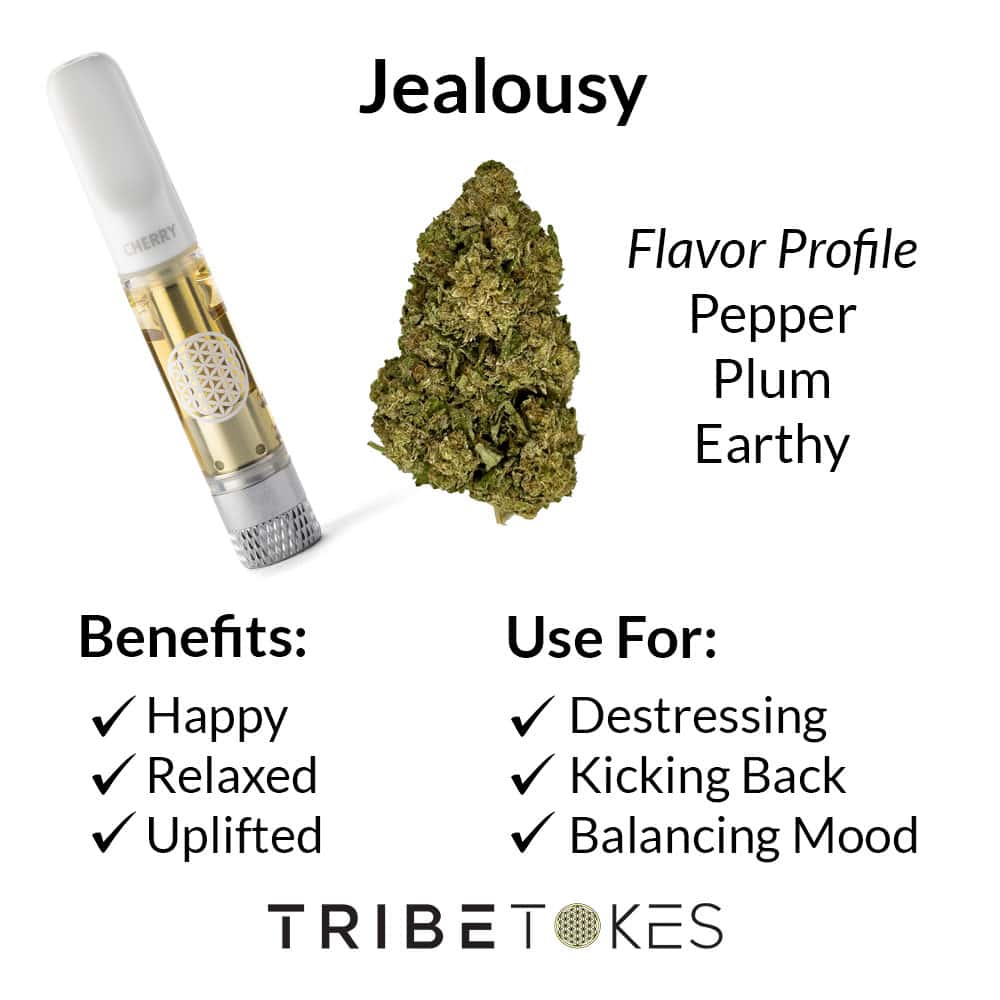
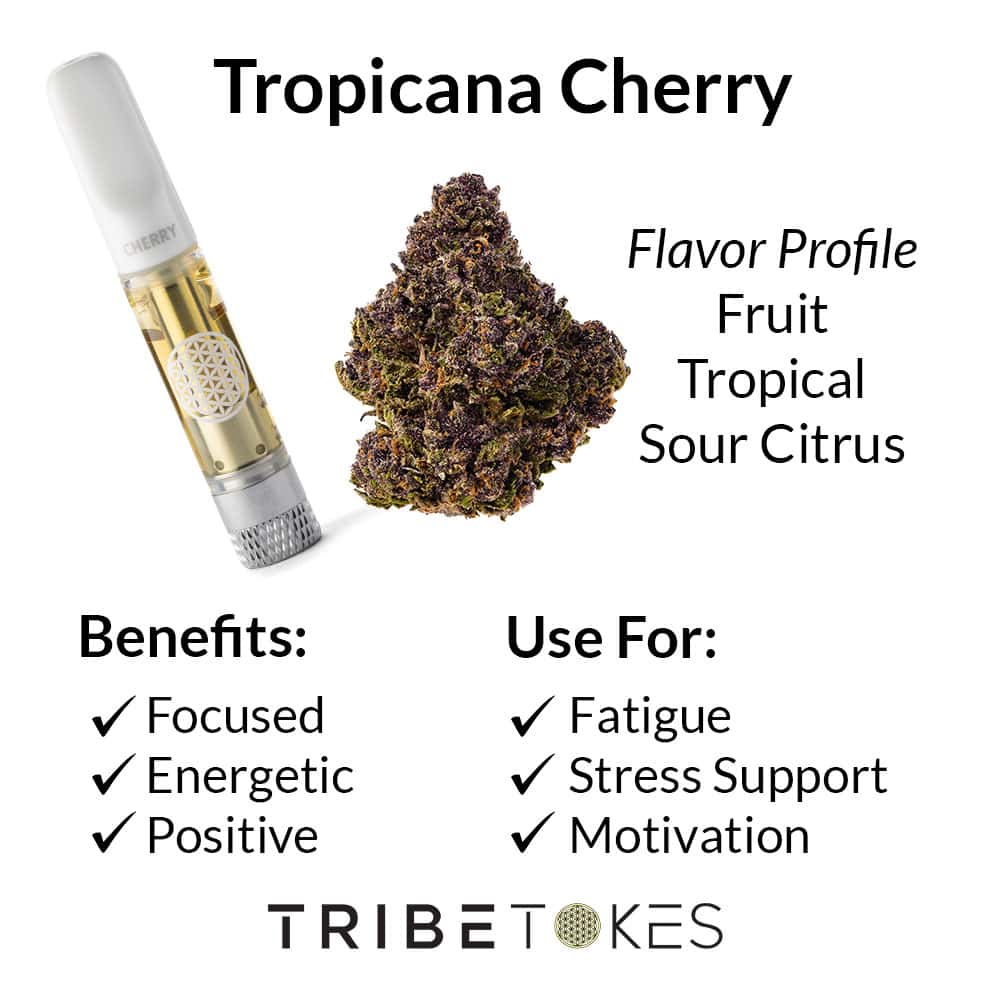
These TribeTokes CBD vape strains have limonene in their terpene profiles, so they’re worth a look if you like a citrusy, uplifting feel.
Other examples of well-known cannabis strains with high levels of D-Limonene include:
- Super Lemon Haze: Super Lemon Haze, a Sativa-dominant strain, is well-known for its pungent lemon aroma, which originates from the high levels of D-Limonene it contains.
- Tangie: Tangie has a tangerine-like flavor and high D-Limonene content.
- Orange Cookies: Thanks to the D-Limonene content, this hybrid strain exudes a delightfully tangy citrus aroma and flavor reminiscent of orange cookies.
- Jillybean: Jillybean is a hybrid strain high in D-Limonene and has a distinctive fruity, citrus aroma.
Frequently Asked Questions
How does D-Limonene interact with other terpenes and cannabinoids?
The entourage effect describes the synergistic effects of several cannabinoids and terpenes, such as D-limonene. Increased therapeutic efficacy and a richer, more layered cannabis experience can result from the synergy between the plant’s numerous components. For example, people often describe limonene paired with myrcene as relaxed but not heavy, and limonene paired with pinene as bright and focused.
Where can I find D-Limonene in cannabis strains?
D-Limonene is found in some strains of cannabis and is responsible for the strain’s characteristic lemony scent and flavor. D-Limonene is found in particularly high concentrations in the following strains:
- Super Lemon Haze
- Tangie
- Orange Cookies
Can I use D-Limonene in aromatherapy?
Yes, D-Limonene is often used in aromatherapy, either on its own or as a component of essential oil blends. Its uplifting and refreshing citrus scent is believed to help promote happiness and positivity, making it a popular choice for those looking to enhance their mood and overall well-being.