
CBD Oil in Minnesota
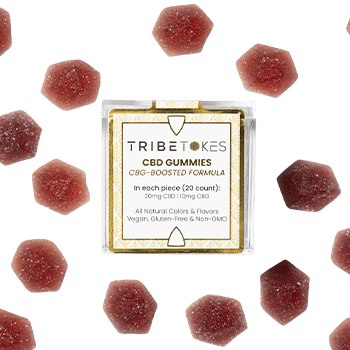
CBD is the part of hemp that skips the high, and it is the most straightforward cannabinoid to get to know. TribeTokes keeps a tight range: gummies, tinctures, oils, and a targeted pain cream, each blended in small batches and cleared by an independent lab. Every batch has its own Certificate of Analysis posted next to the product, so the potency printed on the label is a figure you can verify yourself. Good news for Minnesota: TribeTokes ships CBD oil, CBD gummies and pain cream right to your door, with standard shipping in 2 to 5 business days.
Shop CBD in Minnesota
-
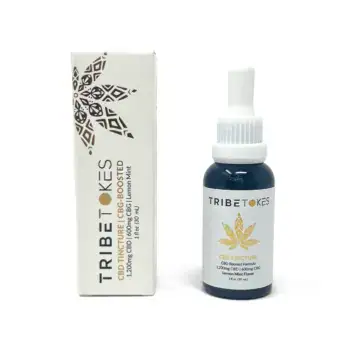
 THC-Free CBD Oil Tincture 1,800mg | CBG-BoostedStarting from: $50.00 SHOP NOW This product has multiple variants. The options may be chosen on the product page
-
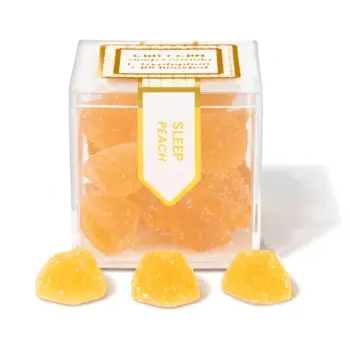
CBD + CBN Sleep Gummies | With L-Tryptophan + Vitamin B6Starting from: $45.00 SHOP NOW This product has multiple variants. The options may be chosen on the product page
-
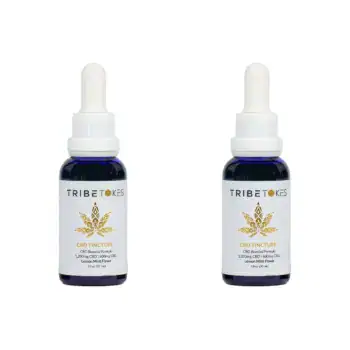
Save $10: You Pick 2 Tinctures | Build Your Own BundleOriginal price was: $100.00.$90.00Current price is: $90.00. SHOP NOW This product has multiple variants. The options may be chosen on the product page
CBD Oil in Minnesota: What to Look For
Minnesota searches for CBD tend to arrive with the same short list of worries: whether it is intoxicating, how much to take, and whether the number on the label is real. The first settles quickly, since CBD is non-intoxicating and has no head change to manage. The other two come down to reading the batch report and giving a serving several days before judging it. Every TribeTokes CBD product carries a Certificate of Analysis from a third party lab, listing cannabinoid potency alongside the contaminant screens the sample passed.
Minnesota CBD products come in enough forms that the choice alone can stall people. A tincture lets you meter the amount drop by drop, a gummy fixes it for you, and a topical stays roughly where you put it. None is stronger by nature; they differ in how much of a serving reaches you and how quickly.
Full Spectrum, Broad Spectrum, and CBD Isolate
Hemp derived CBD reaches you as one of three kinds of extract, and the word on the label decides which. Full spectrum keeps the plant intact: the supporting cannabinoids, the terpenes, and the trace THC that hemp carries below 0.3%. Broad spectrum keeps the supporting cannabinoids and takes the THC out. Isolate is cannabidiol on its own, stripped of everything else.
Which belongs in your daily routine depends on what you want from it and on whether trace THC is a problem for you. Anyone screened at work should read that part of the label closely, because a full spectrum product can leave THC metabolites behind even though it never produced any high. Our answer on whether CBD contains THC works through the detail.
CBD, by Format
CBD comes in a handful of forms, and the right one is about how you like to take it. A tincture lets you meter each drop, a gummy keeps it simple, and the cream stays on the spot you rub it into. None get you high; each just carries CBD in the form your day wants.
- Gummies: pre-measured, easy daily habit.
- Tinctures: adjustable amounts, faster under the tongue.
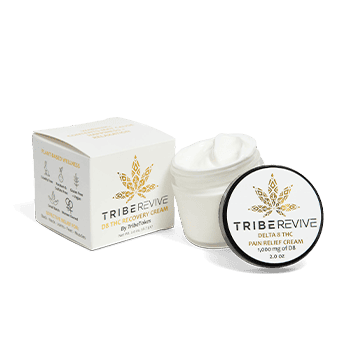
- Topicals: pain cream for a single spot.
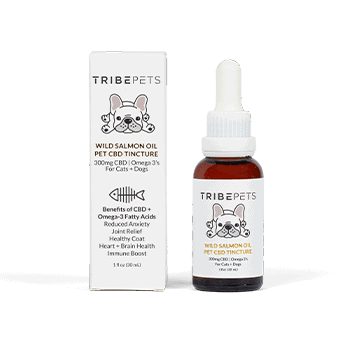
- Pets: oils made for dogs and cats.
How much of a serving reaches you changes with the route it takes, which is why two products with the same milligram count can feel unequal. A review of the pharmacokinetics of non-psychotropic phytocannabinoids sets out how cannabidiol absorption varies by route of administration. Swallowed CBD passes through the liver before it circulates. A tincture held under the tongue skips part of that trip. A topical stays local and is not built to reach the bloodstream at all.
How Much CBD to Take
Hold at the label’s serving for a few days before you change it, and only with a reason. There is no high to chase, so easing in is the smart move. A gummy usually comes on within 30 to 90 minutes and a tincture faster, and about a week of steady use settles most people at their level.
Body size, what you last ate, and the reason you are taking it all move the number, which is why two people can land far apart on the same product. Keep it in the same slot each day rather than reaching for it only on bad ones. Consistency does more here than size of serving does.
What the Research Says About CBD
Cannabidiol has been studied more than most cannabinoids, and the honest summary is that the picture is still forming. The review A Balanced Approach for Cannabidiol Use in Chronic Pain works through where the evidence for cannabidiol in chronic pain holds up and where it thins out. Nothing on this page is medical advice, and no product here is offered as a treatment for anything. If you take prescription medicine, ask whoever prescribed it before adding CBD.
How to Read a Third Party Lab Report
Every batch goes to a third party lab, and the result comes back as a Certificate of Analysis. Read three things on it. The cannabinoid panel gives potency per serving, and it should match the label. The batch number and date should match the package in your hand. The screens for pesticides, heavy metals, and residual solvents should each be marked as passed.
A quality claim with no report behind it is a marketing line. TribeTokes keeps every batch report in a public lab results library, and each report is linked from the product it belongs to.
CBD for Dogs and Cats
Pet CBD is not a smaller version of the human product. The oils are formulated at concentrations meant for an animal, without the sweeteners and flavours that belong in a gummy, and weight drives the serving more than anything else does. Talk to your veterinarian first, particularly if the animal is on any medication. We cover the basics in Can Dogs Have CBD? and Can Cats Have CBD? Keep exploring Minnesota with hemp products in Minnesota, THCa flower in Minnesota, THCa vapes in Minnesota and CBG in Minnesota.
Frequently Asked Questions
Three numbers and one document. Total CBD per serving, servings per package, and the THC content, then the Certificate of Analysis for that batch. If the batch number on the package does not appear on a lab report you can actually read, treat the potency claim as unverified. Third party means the lab has no stake in the result.
No. CBD is non-intoxicating, so it brings none of the head change THC does, which is why many people take it through a normal working day without it clouding their focus.
A tincture held under the tongue tends to be noticed first, often inside 15 to 45 minutes. A gummy or a capsule has to be digested, so 30 to 90 minutes is the usual window. A topical works on the area you rub it into and stays there. None of it lands as a rush, which is why people miss it the first time and take more too soon.
Every batch goes to an independent lab, and the full Certificate of Analysis is posted online for anyone to read, covering potency and the contaminant screen.
A gummy is the easy first step, dose fixed and nothing to measure; a tincture is the move once you want to set the amount by hand. Give either a few steady days before you judge it, since CBD builds by degrees, not all at once.
It can, in traces. Hemp itself carries a small amount of THC, and a full spectrum CBD product keeps it. Broad spectrum removes it and isolate never had it. The trace amount is far too low to produce a high, but it is not nothing on a workplace screen. Does CBD have THC in it? covers where the line sits.
Online, from a brand that publishes its lab results. CBD oil is on shelves from Minneapolis to Duluth, but a shelf can’t show you the batch report. TribeTokes CBD oil tinctures, gummies and pain cream ship to Minnesota in 2 to 5 business days, in plain, tracked packaging.
The cannabidiol is the same; the delivery is not. Oil in a tincture lets you set the amount by the dropper and works faster held under the tongue. A gummy fixes the amount for you, tastes better, and takes longer because it has to be digested. Pick the tincture for control and the gummy for habit.
Yes. Hemp-derived CBD is legal in Minnesota, and the state’s Office of Cannabis Management sets labeling and testing rules for hemp products. TribeTokes CBD oil tinctures, CBD gummies and pain cream are third-party lab tested, with a Certificate of Analysis posted online for every batch.
No, and the two sit side by side on plenty of shelves. Hemp seed oil is pressed from the seed and carries no meaningful cannabidiol; it is a food oil. CBD oil is made from the flower and leaf, where the cannabinoids actually are. CBD oil vs hemp oil shows how to tell them apart on a label.
Keep exploring: head back to all TribeTokes in Minnesota, compare CBN in Minnesota and THC gummies in Minnesota, shop all CBD, browse the full cannabinoid collections, or view our lab results. You can also read CBD vs THC. You can also see CBD in Michigan. Also nearby: CBD in South Dakota.
These statements have not been evaluated by the FDA. TribeTokes products are not intended to diagnose, treat, cure, or prevent any disease. Not for use by anyone under 21, or by those who are pregnant or nursing. All products contain less than 0.3% hemp-derived Delta-9 THC by dry weight.