
CBD Oil in Oklahoma: Tinctures, Gummies and Pain Cream
CBD oil in Oklahoma comes in three practical formats: a tincture you measure by dropper, a gummy that arrives pre-measured, and a cream you work into the sore part. CBD is short for Cannabidiol, the non-intoxicating cannabinoid, so none of the three produce a head change. All three come from TribeTokes, an independent lab clears every batch before it is listed, and the full cannabinoid breakdown is posted on the product page. Oklahomans reading this from OKC, Tulsa, Norman or a town off the turnpike want the same two answers: how many milligrams are really in the bottle, and who checked. Both sit in one document. Good news for Oklahoma: TribeTokes ships CBD oil, CBD gummies and pain cream right to your door, with standard shipping in 2 to 5 business days.
Shop All CBD Oil and Gummies
-
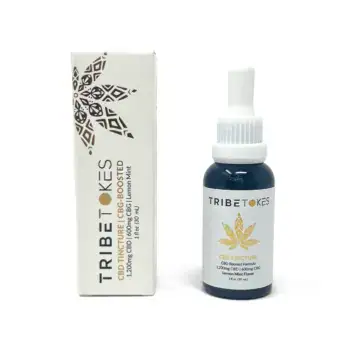
 THC-Free CBD Oil Tincture 1,800mg | CBG-BoostedStarting from: $50.00 SHOP NOW This product has multiple variants. The options may be chosen on the product page
-
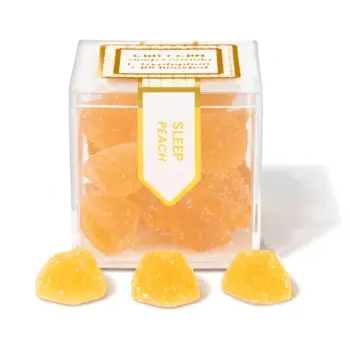
CBD + CBN Sleep Gummies | With L-Tryptophan + Vitamin B6Starting from: $45.00 SHOP NOW This product has multiple variants. The options may be chosen on the product page
-
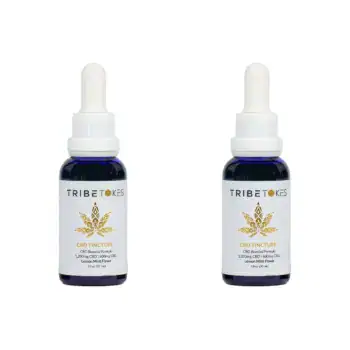
Save $10: You Pick 2 Tinctures | Build Your Own BundleOriginal price was: $100.00.$90.00Current price is: $90.00. SHOP NOW This product has multiple variants. The options may be chosen on the product page
CBD Gummies
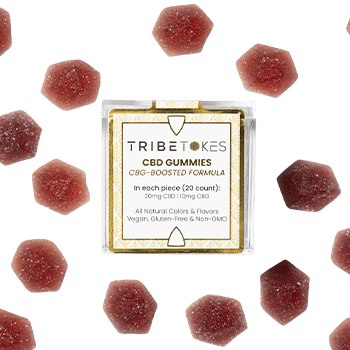
Everyday CBD gummy bears in fixed servings, the simplest way to keep a daily habit going.
Shop
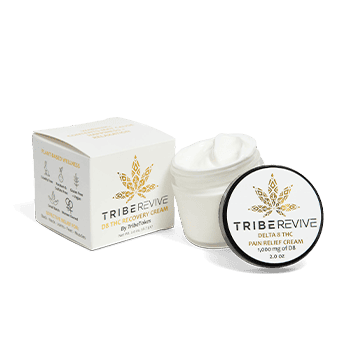
Pain Creams
Topical CBD you work into one sore spot. External use only, nothing to swallow or measure.
Shop
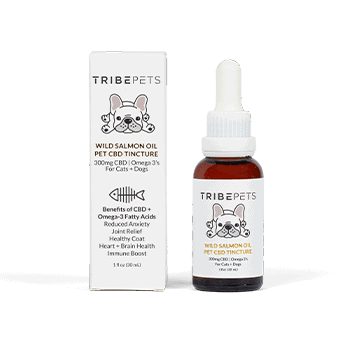
CBD for Pets
CBD oils formulated for dogs and cats at pet strengths, with the same published batch reports.
Shop
How to Choose CBD Oil in Oklahoma
Milligrams first, format second, paperwork third: that is the whole of buying CBD oil in Oklahoma. Start with total CBD per serving rather than the number printed on the front of the box: an 1,800mg tincture split thirty ways is a very different daily amount from the same bottle split sixty ways. Then pick the format that fits the job. A tincture moves in small increments, which suits anyone still finding their level, and the 1,800mg bottle is CBG-boosted if you want to know what CBG brings to a formula. Gummies fix the serving for you, which suits anyone who would rather not do arithmetic before breakfast. Pain cream stays where you put it, which suits a knee that objects to a Tulsa summer. Finally, open the batch lab report and check the CBD figure on the sheet against the figure on the label. Ten seconds, and it settles most of the doubt.
Oklahoma CBD Oil Notes
Oklahoma is a hot, dry, long-summer state, and that shows up in how CBD oil behaves once it is in your house. A tincture left in a parked car in Oklahoma City in August loses shelf life fast, because the oil base dislikes heat as much as you do. Keep bottles in a cupboard rather than on a windowsill. The same goes for gummies, which soften and clump, and for pain cream, which separates. The searches tell their own story: people here look for CBD oil in OKC, in Tulsa, in Norman and in Broken Arrow, and the intent behind nearly all of it is sleep, joint soreness after outdoor work, or general stress. Those three uses map onto the three formats on this page, which is why the shelf is arranged the way it is. If you want something with an actual effect instead, that is a different category: see THC gummies in Oklahoma or THCa flower in Oklahoma.
CBD Oil vs CBD Gummies: What Is the Difference?
The difference between CBD oil and a CBD gummy is control versus convenience. A tincture is oil held under the tongue, which starts sooner and lets you take 12mg one night and 20mg the next simply by moving the dropper; every tincture we make works that way. A gummy is a fixed serving that goes through your stomach first, so it takes longer to arrive and lasts longer once it does. Neither is inherently stronger, since the milligrams decide that. Topicals sit outside the comparison, because a cream works where you rub it rather than through the bloodstream. Here is the short version of the shelf:
- Gummies: pre-measured servings, no dropper, the easiest habit to keep going.
- Tinctures: adjustable by the drop, faster under the tongue, CBG-boosted at 1,800mg.
- Topicals: pain cream for one specific spot, external use only, nothing to measure.
- Pets: oils built for dogs and cats at pet strengths, not scaled-down human bottles.
How Much CBD to Take
Begin at the serving printed on the label and hold there for several days before changing anything. There is no high to chase, so there is no reason to rush the ramp. Most people land on their amount inside the first week or two: a low starting point, one adjustment, then done. On a tincture, move in half-dropper steps rather than doubling. On gummies, take one and give it ninety minutes before deciding it did nothing, because digestion is slower than impatience; the CBD sleep gummies are the clearest case, since they are built to land at bedtime rather than on the spot. Keep a note of what you took and when for the first fortnight. It is dull, and it is also the only way to separate a working amount from a hopeful guess. For background that is not a brand describing itself, the National Center for Complementary and Integrative Health keeps a plain research summary on cannabinoids. More from our Oklahoma pages: hemp products in Oklahoma and Delta 8 THC in Oklahoma.
Frequently Asked Questions
Three things: CBD is non-intoxicating, the milligram figure is the only spec that matters, and the batch sheet is public. A tincture, a gummy and a pain cream can all read the same total on the box and deliver very different per-serving amounts, so compare per serving. Give any new amount several days before you judge it. Then read the Certificate of Analysis for the batch code on your bottle. Browse every category on our Oklahoma hemp page.
No. CBD is non-intoxicating, which is the entire point of it. There is no head change, no time distortion, no reason to clear your afternoon, which is why people fold it into a normal working day rather than saving it for one. If a CBD product leaves you obviously altered, something else is in it, and that is precisely what a published batch report exists to rule out.
Four passes, top to bottom. First the batch code, and whether it matches the code on your bottle. Second the lab’s name, which should be an outside company rather than an in-house bench. Third the cannabinoid table, where you read total CBD in milligrams per serving and confirm the Delta-9 line. Fourth the safety panels for pesticides, solvents and heavy metals, where you want to see results rather than blanks.
Every batch, by an independent third-party lab, with the results published in full rather than summarised. They go up on the COA page and on each product listing, so cannabinoid content is something you verify instead of something you are asked to believe. That matters most with tinctures, where the figure on the front of the box is the total for the whole bottle and the figure that affects you is the one in a single dropper.
A gummy, because it removes every variable except time. One fixed serving, no dropper, no arithmetic, nothing to spill in the car between Edmond and Stillwater. Once you know how CBD sits with you, a tincture is the natural second step, since it lets you move the amount up or down drop by drop. The pain cream is a different tool entirely and can run alongside either.
Divide before you compare, because the figure on the front of a bottle is a total and the two numbers are rarely close. Most beginners land somewhere between 10mg and 25mg of CBD, then adjust once. The 1,800mg CBG-boosted tincture suits someone who already knows their amount and wants fewer refills.
Daily use is the normal pattern, because CBD rewards consistency far more than it rewards size. Pick a time you will genuinely keep, morning coffee or bedtime, and stay with it for a fortnight before you change the amount at all. Consistency beats escalation here.
Upright in a cupboard, away from light, and never left in a parked car in July. Heat and light degrade the oil base and shorten its shelf life. A kitchen shelf beats a windowsill, and the fridge is fine for a tincture you use slowly.
Because the numbers are checkable. Every run goes to an outside lab and the entire document is published, not a favourable line lifted out of it. The company has been woman-owned since 2017, and each listing spells out in plain English what its cannabinoids do.
Keep exploring: back to all TribeTokes in Oklahoma, or browse the national cannabinoid collections. Close by, see CBD in Missouri and CBD in New Mexico. One step over sits the Oklahoma Delta-8 THC page. Close by, see CBD for Colorado.
These statements have not been evaluated by the FDA. TribeTokes products are not intended to diagnose, treat, cure, or prevent any disease. Not for use by anyone under 21, or by those who are pregnant or nursing. All products contain less than 0.3% hemp-derived Delta-9 THC by dry weight.